
Savory Yogurt Recipes: How to Use Greek Yogurt in Dips, Sauces, Marinades, and Main Dishes
Last updated: July 20, 2026
Greek yogurt delivers creamy texture, tangy flavor, and protein-packed nutrition to savory dishes far beyond breakfast bowls. Use it to replace sour cream, mayonnaise, or heavy cream in dips, sauces, marinades, and main courses for lighter, healthier meals that don’t sacrifice richness. The thick consistency and mild acidity make Greek yogurt ideal for everything from quick vegetable dips to tenderizing overnight marinades.
Key Takeaways
- Greek yogurt substitutes 1:1 for sour cream in most recipes and cuts calories by roughly 40% while adding protein
- Full-fat Greek yogurt resists curdling better than low-fat versions when heated in sauces; stabilize with cornstarch if needed
- Marinades with Greek yogurt tenderize meat through lactic acid and enzymes, working best with 4-12 hours of contact time
- Tzatziki sauce requires just five ingredients: Greek yogurt, cucumber, garlic, lemon juice, and dill
- Homemade Greek yogurt dips last 3-5 days refrigerated in airtight containers
- Plain, unsweetened Greek yogurt is essential for savory cooking; flavored varieties add unwanted sugar
- Greek yogurt pasta sauces come together in under 10 minutes and pair well with garlic, herbs, and lemon
- Balance tanginess by adding honey, olive oil, or roasted vegetables to mellow the sour notes

What Are Savory Uses for Greek Yogurt Besides Breakfast?
Greek yogurt works as a versatile ingredient in dips, sauces, marinades, salad dressings, soups, and main dishes. The thick texture and tangy flavor profile complement Mediterranean, Middle Eastern, and Indian cuisines naturally, but it also adapts to American comfort food, pasta dishes, and even tacos.
Common savory applications include:
- Dips and spreads: Mix with herbs, spices, roasted vegetables, or tinned fish for quick appetizers
- Salad dressings: Thin with lemon juice, olive oil, or vinegar for creamy ranch-style or Caesar alternatives
- Marinades: Coat chicken, lamb, pork, or firm fish to tenderize and add moisture
- Sauce bases: Replace cream or sour cream in pasta sauces, curry sauces, or gravy
- Soup garnishes: Swirl into hot soups as a cooling, creamy topping (similar to crème fraîche)
- Baked dishes: Layer into casseroles, enchiladas, or lasagna for added protein and creaminess
Choose Greek yogurt over regular yogurt for savory recipes because the strained texture holds up better under heat and doesn’t water down dishes. The higher protein content (typically 15-20g per cup versus 8-10g in regular yogurt) also makes meals more satisfying.
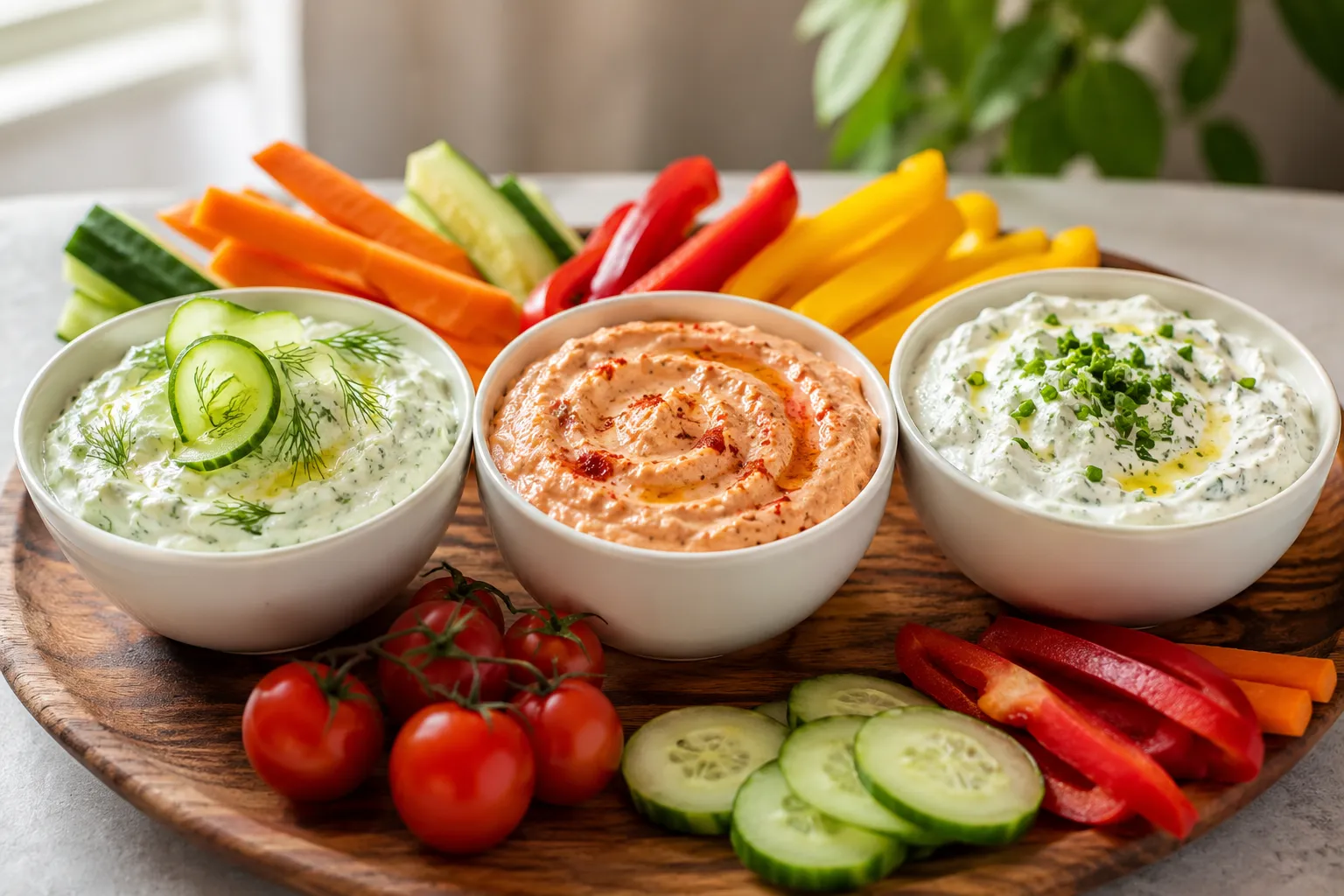
How to Make a Simple Greek Yogurt Dip for Vegetables

A basic Greek yogurt dip requires just three core ingredients: 1 cup plain Greek yogurt, 1-2 cloves minced garlic, and salt to taste. Mix these together and you have a clean, protein-rich dip ready in under two minutes.
Quick flavor variations:
- Herb dip: Add 2 tablespoons chopped fresh dill, parsley, or chives plus 1 teaspoon lemon juice
- Spicy dip: Stir in 1 teaspoon sriracha, ½ teaspoon smoked paprika, and a pinch of cayenne
- Ranch-style: Mix in ½ teaspoon each of onion powder, garlic powder, dried dill, and a splash of buttermilk
- Mediterranean: Combine with 2 tablespoons olive tapenade, 1 teaspoon lemon zest, and cracked black pepper
Pro tip: Let the dip rest in the refrigerator for 30 minutes before serving. This allows the garlic and herbs to infuse the yogurt and mellows any sharp raw-garlic bite.
Pair these dips with carrot sticks, bell pepper strips, cucumber rounds, cherry tomatoes, or pita chips. For a more substantial snack, serve alongside smoked trout or tinned fish on crackers.
Can I Substitute Greek Yogurt for Sour Cream in Recipes?
Yes, Greek yogurt substitutes 1:1 for sour cream in nearly all recipes, both cold and cooked applications. The texture and tanginess are nearly identical, but Greek yogurt contains roughly 60% less fat and twice the protein per serving.
Best substitution scenarios:
- Cold toppings: Tacos, baked potatoes, chili, nachos, and burrito bowls
- Dips and spreads: Onion dip, spinach-artichoke dip, or any chip dip
- Baking: Muffins, quick breads, and cakes (adds moisture and tenderness)
- Salad dressings: Creamy dressings like ranch, blue cheese, or Caesar
When to use caution:
- High-heat cooking: Greek yogurt can curdle if boiled aggressively; add it at the end of cooking or stabilize with cornstarch
- Recipes requiring specific tang: Sour cream has a slightly milder, buttery flavor; if the recipe depends on that subtlety, blend half Greek yogurt and half sour cream
For the closest match to sour cream’s richness, choose full-fat Greek yogurt (5-10% milkfat). Low-fat and nonfat versions work but produce a lighter, less indulgent result.
Greek Yogurt vs Regular Yogurt for Cooking Savory Dishes
Greek yogurt is strained to remove most of the whey, resulting in a thicker consistency, higher protein content, and lower sugar content compared to regular yogurt. For savory cooking, Greek yogurt holds its shape better, doesn’t water down sauces, and provides a richer mouthfeel.
Key differences:
| Feature | Greek Yogurt | Regular Yogurt |
|---|---|---|
| Texture | Thick, spoonable, creamy | Thinner, pourable |
| Protein (per cup) | 15-20g | 8-10g |
| Whey content | Low (strained) | High |
| Heat stability | Better (less likely to separate) | Curdles more easily |
| Best for | Dips, marinades, sauces, baking | Smoothies, dressings (when thinned) |
Choose Greek yogurt when:
- You need a thick, scoopable consistency (dips, spreads, toppings)
- You’re adding yogurt to hot dishes (soups, curries, pasta sauces)
- You want to boost protein without adding liquid
Choose regular yogurt when:
- You’re making a pourable dressing or smoothie
- You prefer a milder, less tangy flavor
- Budget is a concern (regular yogurt is often cheaper)
For most savory recipes in 2026, Greek yogurt is the default choice because it behaves more like sour cream or crème fraîche and delivers better nutritional value.
Best Greek Yogurt Marinade for Chicken
A classic Greek yogurt marinade for chicken combines 1 cup plain Greek yogurt, 2 tablespoons olive oil, 3 cloves minced garlic, 1 tablespoon lemon juice, 1 teaspoon salt, and your choice of spices (cumin, paprika, coriander, or dried herbs). This mixture tenderizes the meat, keeps it moist during cooking, and adds a subtle tangy flavor.
Why it works:
- Lactic acid in yogurt breaks down muscle fibers gently, making chicken more tender without turning it mushy
- Fat and protein coat the meat, preventing moisture loss during grilling or baking
- Thick consistency clings to the chicken better than thin marinades, ensuring even coverage
Step-by-step marinade process:
- Mix the marinade: Whisk yogurt, oil, garlic, lemon juice, salt, and spices in a bowl
- Coat the chicken: Place chicken breasts, thighs, or drumsticks in a zip-top bag or glass dish and pour marinade over, turning to coat
- Refrigerate: Marinate for 4-12 hours (overnight is ideal); avoid marinating longer than 24 hours or the texture becomes too soft
- Cook: Remove excess marinade (don’t rinse) and grill, bake at 400°F, or pan-sear until internal temperature reaches 165°F
Flavor variations:
- Indian-inspired: Add 1 tablespoon garam masala, 1 teaspoon turmeric, and ½ teaspoon cayenne
- Mediterranean: Mix in 1 tablespoon dried oregano, 1 teaspoon lemon zest, and ½ teaspoon black pepper
- Middle Eastern: Stir in 1 teaspoon cumin, 1 teaspoon coriander, and ½ teaspoon cinnamon
For more tips on keeping chicken moist and tender, see our guide on the best ways to cook chicken breast.
Does Greek Yogurt Curdle When Heated in Sauces?
Greek yogurt can curdle when exposed to high heat or rapid temperature changes, but full-fat versions are more stable than low-fat or nonfat varieties. To prevent curdling, add Greek yogurt at the end of cooking, keep the heat low to medium, and temper it by mixing with a small amount of the hot liquid first.
Techniques to prevent curdling:
- Use full-fat Greek yogurt: Higher fat content stabilizes the proteins and reduces separation
- Temper the yogurt: Whisk 2-3 tablespoons of hot sauce into the yogurt before adding it all back to the pan
- Add cornstarch or flour: Mix 1 teaspoon cornstarch per cup of yogurt to stabilize the proteins
- Keep heat low: Never let the sauce boil after adding yogurt; gentle simmering is fine
- Stir constantly: Continuous stirring distributes heat evenly and prevents hot spots that cause curdling
Best practices for hot sauces:
- Add Greek yogurt during the last 2-3 minutes of cooking
- Remove the pan from direct heat before stirring in yogurt
- If the sauce does curdle slightly, blend it with an immersion blender to restore smoothness
Greek yogurt works beautifully in pasta sauces, curry sauces, and creamy soups when handled gently. For inspiration, explore our collection of 30-minute weeknight pasta recipes that incorporate creamy, protein-rich ingredients.
How to Make Tzatziki Sauce with Greek Yogurt
Tzatziki sauce is a classic Greek condiment made with Greek yogurt, cucumber, garlic, lemon juice, and dill. It takes about 10 minutes to prepare and tastes best after chilling for at least 30 minutes to let the flavors meld.
Classic tzatziki recipe:
Ingredients:
- 1 cup plain full-fat Greek yogurt
- 1 medium cucumber, grated and squeezed dry
- 2 cloves garlic, minced or grated
- 1 tablespoon fresh lemon juice
- 1 tablespoon fresh dill, chopped (or 1 teaspoon dried)
- 1 tablespoon extra-virgin olive oil
- ½ teaspoon salt
- Pinch of black pepper
Instructions:
- Prep the cucumber: Grate the cucumber on the large holes of a box grater, then squeeze out excess moisture using a clean kitchen towel or cheesecloth (this step is critical to prevent watery tzatziki)
- Combine ingredients: In a medium bowl, mix Greek yogurt, squeezed cucumber, garlic, lemon juice, dill, olive oil, salt, and pepper
- Chill: Cover and refrigerate for at least 30 minutes (or up to 3 days)
- Serve: Drizzle with extra olive oil and garnish with fresh dill before serving
Serving suggestions:
- Spread on pita bread or flatbread for gyros and wraps
- Use as a dip for vegetables, pita chips, or falafel
- Dollop on grilled chicken, lamb, or fish
- Mix into grain bowls or salads for creamy dressing
Common mistake: Skipping the cucumber-squeezing step results in a thin, watery sauce. Always remove as much liquid as possible for the best texture.
Can You Use Flavored Greek Yogurt in Savory Recipes?
No, flavored Greek yogurt is not suitable for savory recipes because it contains added sugar, fruit, or sweet flavorings that clash with savory ingredients. Always use plain, unsweetened Greek yogurt for dips, sauces, marinades, and main dishes.
Why plain yogurt matters:
- No added sugar: Flavored yogurts often contain 10-20g of sugar per serving, which creates an unpleasant sweet-savory imbalance
- Clean flavor base: Plain yogurt allows herbs, spices, garlic, and other savory ingredients to shine
- Versatility: One container of plain yogurt works for both sweet and savory applications
What to buy:
- Look for labels that say “plain” or “unsweetened”
- Check the ingredient list: it should contain only milk and live active cultures
- Choose full-fat (5-10% milkfat) for the richest texture and best heat stability
- Nonfat and low-fat versions work but produce lighter, less creamy results
Exception: Vanilla-flavored Greek yogurt can work in a pinch for mild dressings or dips if you balance it with extra lemon juice, vinegar, or savory spices, but plain is always the better choice.
Greek Yogurt Pasta Sauce Recipe Easy
A simple Greek yogurt pasta sauce comes together in under 10 minutes and requires just a handful of ingredients: Greek yogurt, garlic, lemon, Parmesan cheese, and pasta water. This lighter alternative to Alfredo or cream-based sauces delivers protein and tang without heaviness.
Quick Greek yogurt pasta sauce:
Ingredients (serves 4):
- 1 pound pasta (penne, rigatoni, or spaghetti)
- 1 cup full-fat plain Greek yogurt
- 3 cloves garlic, minced
- ½ cup grated Parmesan cheese
- Zest and juice of 1 lemon
- ½ cup reserved pasta water
- 2 tablespoons olive oil
- Salt and black pepper to taste
- Fresh basil or parsley for garnish
Instructions:
- Cook pasta: Boil pasta according to package directions; reserve 1 cup pasta water before draining
- Sauté garlic: Heat olive oil in a large skillet over medium heat; add garlic and cook for 1 minute until fragrant
- Temper yogurt: In a bowl, whisk together Greek yogurt, Parmesan, lemon zest, lemon juice, and ¼ cup pasta water
- Combine: Remove skillet from heat, add drained pasta, then pour yogurt mixture over pasta and toss to coat
- Adjust consistency: Add more pasta water 2 tablespoons at a time until sauce reaches desired creaminess
- Season and serve: Add salt, pepper, and fresh herbs; serve immediately
Variations:
- Add vegetables: Toss in roasted cherry tomatoes, sautéed spinach, or steamed broccoli
- Protein boost: Top with grilled chicken, shrimp, or tinned fish like sardines or mackerel
- Spicy version: Stir in red pepper flakes or a spoonful of hot honey or gochujang
This sauce doesn’t reheat well because yogurt can separate when reheated, so make only what you’ll eat in one sitting.
What Dishes Work Well with Greek Yogurt Instead of Mayo?
Greek yogurt replaces mayonnaise in most cold applications, cutting calories and fat while adding protein and a pleasant tang. Use it in chicken salad, tuna salad, coleslaw, potato salad, deviled eggs, and sandwich spreads.
Best mayo-to-yogurt swaps:
- Chicken or tuna salad: Replace all or half the mayo with Greek yogurt; add extra lemon juice and Dijon mustard to balance the tang
- Coleslaw dressing: Mix Greek yogurt with apple cider vinegar, honey, and celery seed for a lighter slaw
- Potato salad: Use Greek yogurt plus a splash of pickle brine for creamy, tangy potato salad (see our guide to using pickle brine in recipes)
- Deviled eggs: Blend Greek yogurt with mustard, paprika, and a touch of mayo for creamy, protein-rich filling
- Sandwich spreads: Mix Greek yogurt with herbs, garlic, or hot sauce for a healthier condiment
Ratio guidelines:
- Full swap: Use 1:1 Greek yogurt for mayo in most recipes
- Partial swap: Replace half the mayo with Greek yogurt to ease into the tangier flavor
- Adjust seasonings: Greek yogurt is more acidic than mayo, so you may need less lemon juice or vinegar
When mayo is better:
- Recipes that require emulsification (homemade aioli, hollandaise)
- Dishes where neutral flavor is critical (some traditional Southern recipes)
- Applications requiring long shelf life (mayo is more stable at room temperature)
How Long Does Homemade Greek Yogurt Dip Last in Fridge?
Homemade Greek yogurt dips last 3-5 days when stored in an airtight container in the refrigerator. Dips with fresh garlic, herbs, or raw vegetables have a shorter shelf life than plain yogurt alone because these ingredients introduce bacteria and moisture.
Storage best practices:
- Use clean utensils: Always scoop dip with a clean spoon to prevent contamination
- Airtight containers: Store in glass or plastic containers with tight-fitting lids to prevent odor absorption
- Label and date: Write the preparation date on the container so you know when to discard
- Check for spoilage: Discard if you see mold, smell sour or off odors, or notice watery separation that doesn’t reincorporate when stirred
Shelf life by ingredient:
- Plain Greek yogurt dip (yogurt + dried spices): 5-7 days
- Dip with fresh herbs or garlic: 3-5 days
- Dip with raw vegetables (like tzatziki): 3-4 days
- Dip with cooked ingredients (roasted peppers, caramelized onions): 4-5 days
Freezing note: Greek yogurt dips don’t freeze well because the texture becomes grainy and separated when thawed. Make only what you’ll consume within a week.
Why Does My Greek Yogurt Sauce Taste Sour?
Greek yogurt sauce tastes overly sour when the natural acidity isn’t balanced with fat, salt, sweetness, or umami flavors. The lactic acid that gives yogurt its characteristic tang can dominate if not tempered with complementary ingredients.
How to balance sourness:
- Add fat: Stir in 1-2 tablespoons olive oil, melted butter, or tahini to mellow the acidity
- Increase salt: Salt enhances other flavors and reduces the perception of sourness
- Add sweetness: A small amount of honey, maple syrup, or sugar (½-1 teaspoon) balances tang without making the sauce sweet
- Include umami: Mix in grated Parmesan, miso paste, or soy sauce to add depth
- Roast vegetables: Fold in roasted garlic, caramelized onions, or roasted red peppers for natural sweetness
- Use full-fat yogurt: Full-fat Greek yogurt tastes less sour than nonfat versions because fat coats the tongue and softens acidity
Ingredient ratios for balanced sauce:
- 1 cup Greek yogurt
- 1-2 tablespoons fat (oil, butter, tahini)
- ½-1 teaspoon salt
- ½-1 teaspoon sweetener (optional)
- 2-3 tablespoons acid (lemon juice, vinegar) only if needed for brightness
Common mistake: Adding too much lemon juice or vinegar on top of yogurt’s natural acidity. Start with small amounts and taste as you go.
Is Greek Yogurt Good for Marinating Meat Overnight?
Yes, Greek yogurt is excellent for overnight marinades because the lactic acid and enzymes tenderize meat gradually without over-softening it. Marinate chicken, lamb, pork, or firm fish for 4-12 hours for best results; avoid marinating longer than 24 hours or the texture becomes mushy.
Optimal marinating times:
- Chicken breasts or thighs: 4-12 hours (overnight is ideal)
- Lamb chops or leg: 6-12 hours
- Pork chops or tenderloin: 4-8 hours
- Firm fish (salmon, swordfish): 2-4 hours maximum
- Shrimp or delicate fish: 30 minutes to 1 hour (longer makes them mushy)
Why Greek yogurt marinades work:
- Gentle tenderizing: Lactic acid breaks down proteins slowly, unlike harsh acids (vinegar, citrus) that can make meat tough if left too long
- Moisture retention: Yogurt coats the meat and prevents moisture loss during cooking
- Flavor carrier: The thick consistency holds spices and herbs against the meat surface
- Browning: Yogurt’s sugars and proteins promote caramelization and char when grilled
Best practices:
- Always marinate in the refrigerator, never at room temperature
- Use a zip-top bag or glass dish (avoid reactive metal containers)
- Turn or massage the meat halfway through marinating for even coverage
- Remove excess marinade before cooking but don’t rinse (the coating helps with browning)
For more chicken preparation tips, check our guide on how to keep chicken breast moist.
Savory Greek Yogurt Recipes for People Who Don’t Like Tangy Flavor
If you find Greek yogurt too tangy for savory dishes, choose full-fat versions, add sweetness or fat to balance the acidity, and pair it with bold flavors that mask the sour notes. Roasted vegetables, caramelized onions, honey, and rich spices all help mellow yogurt’s natural tang.
Strategies to reduce tanginess:
- Choose full-fat Greek yogurt: It tastes milder and creamier than nonfat versions
- Add honey or maple syrup: Just ½-1 teaspoon per cup of yogurt softens the sour edge without making it sweet
- Mix with mayonnaise: Blend half Greek yogurt and half mayo for a gentler flavor
- Roast or caramelize ingredients: Fold in roasted garlic, caramelized onions, or roasted red peppers for natural sweetness
- Use bold spices: Cumin, smoked paprika, curry powder, and garam masala distract from tanginess
- Add nut butters: Tahini, almond butter, or cashew butter add richness and reduce perceived acidity
Mild Greek yogurt recipes:
Creamy herb dip:
- 1 cup full-fat Greek yogurt
- 2 tablespoons mayonnaise
- 1 teaspoon honey
- 2 tablespoons fresh parsley, chopped
- 1 tablespoon fresh chives, chopped
- ½ teaspoon garlic powder
- Salt and pepper to taste
Roasted red pepper sauce:
- 1 cup full-fat Greek yogurt
- ½ cup roasted red peppers (jarred or homemade)
- 1 tablespoon olive oil
- 1 clove garlic
- ½ teaspoon smoked paprika
- Pinch of sugar
- Blend until smooth
Curry yogurt marinade:
- 1 cup full-fat Greek yogurt
- 1 tablespoon curry powder
- 1 teaspoon honey
- 1 teaspoon grated ginger
- 2 cloves garlic, minced
- 1 tablespoon olive oil
These recipes work well for people transitioning from sour cream or mayo to Greek yogurt, and they pair beautifully with high-protein comfort bowls and global comfort food dishes.
Frequently Asked Questions
Can I use Greek yogurt in hot soup? Yes, but add it at the end of cooking and keep the heat low. Temper the yogurt by whisking in a few tablespoons of hot soup first, then stir it back into the pot off the heat. This prevents curdling.
What’s the best Greek yogurt brand for cooking? Choose brands with simple ingredients (milk and live cultures only) and at least 5% milkfat for savory cooking. Fage Total, Chobani Whole Milk, and Straus Family Creamery are reliable options in 2026.
Can I make Greek yogurt dip ahead of time? Yes, most Greek yogurt dips taste better after sitting for 30 minutes to several hours because the flavors meld. Make them up to 3 days ahead and store covered in the refrigerator.
Does Greek yogurt work in curry? Absolutely. Add Greek yogurt to curry sauces at the end of cooking for creaminess. It’s traditional in Indian dishes like butter chicken and korma. Use full-fat yogurt and keep the heat gentle.
Can I substitute Greek yogurt for buttermilk? Yes, thin Greek yogurt with milk or water to match buttermilk’s consistency (about 1 part yogurt to 1 part liquid). This works well in marinades, dressings, and baking.
Why is my Greek yogurt dip watery? Excess moisture from fresh vegetables (especially cucumber) or condensation from the yogurt itself causes watery dips. Always squeeze grated vegetables dry and stir dips before serving to reincorporate any separated liquid.
Can I heat Greek yogurt in the microwave? Yes, but use low power (50%) and short intervals (15-20 seconds), stirring between each. High heat causes curdling. It’s safer to warm Greek yogurt gently on the stovetop.
Is Greek yogurt good for weight loss in savory recipes? Greek yogurt is high in protein and lower in calories than sour cream, mayo, or heavy cream, making it a smart swap for weight management. The protein also increases satiety.
Can I use Greek yogurt as a pizza topping? Yes, dollop Greek yogurt on pizza after baking (not before) for a creamy, tangy finish. It works especially well on Mediterranean-style pizzas with vegetables and herbs.
What’s the difference between Greek yogurt and labneh for cooking? Labneh is Greek yogurt strained even longer until it reaches a cream-cheese consistency. Both work in savory recipes, but labneh is thicker and less likely to thin out sauces or dips.
Can I use Greek yogurt in tacos instead of sour cream? Yes, Greek yogurt is a perfect 1:1 substitute for sour cream on tacos. Add a squeeze of lime juice and a pinch of cumin to enhance the flavor.
Does Greek yogurt work in salad dressing? Greek yogurt makes excellent creamy salad dressings. Thin it with lemon juice, vinegar, or olive oil and add herbs, garlic, or Dijon mustard for flavor.
Conclusion
Savory yogurt recipes transform Greek yogurt from a breakfast staple into a versatile kitchen workhorse for dips, sauces, marinades, and main dishes. By substituting Greek yogurt for sour cream, mayonnaise, or heavy cream, home cooks in 2026 can create lighter, protein-rich meals without sacrificing creamy texture or satisfying flavor. The key is choosing plain, full-fat Greek yogurt for the best heat stability and mildest tang, then balancing the natural acidity with fat, salt, sweetness, or bold spices.
Start with simple applications like vegetable dips or chicken marinades to build confidence, then expand to pasta sauces, curry bases, and creative sandwich spreads. Remember to temper yogurt before adding it to hot dishes, squeeze moisture from fresh vegetables in dips, and store homemade creations in airtight containers for 3-5 days. Whether you’re making classic tzatziki, a quick garlic-herb dip, or a creamy pasta sauce, Greek yogurt delivers nutrition and flavor that elevate everyday cooking.
Next steps: Pick one recipe from this guide to try this week. Start with a simple dip or marinade, taste as you go, and adjust seasonings to match your preferences. Once you master the basics, experiment with global flavors and pair your Greek yogurt creations with high-protein comfort bowls, leftover transformations, or nostalgic casserole updates for complete, satisfying meals.
SEO Meta Title: Savory Yogurt Recipes: Greek Yogurt Dips, Sauces & Marinades


