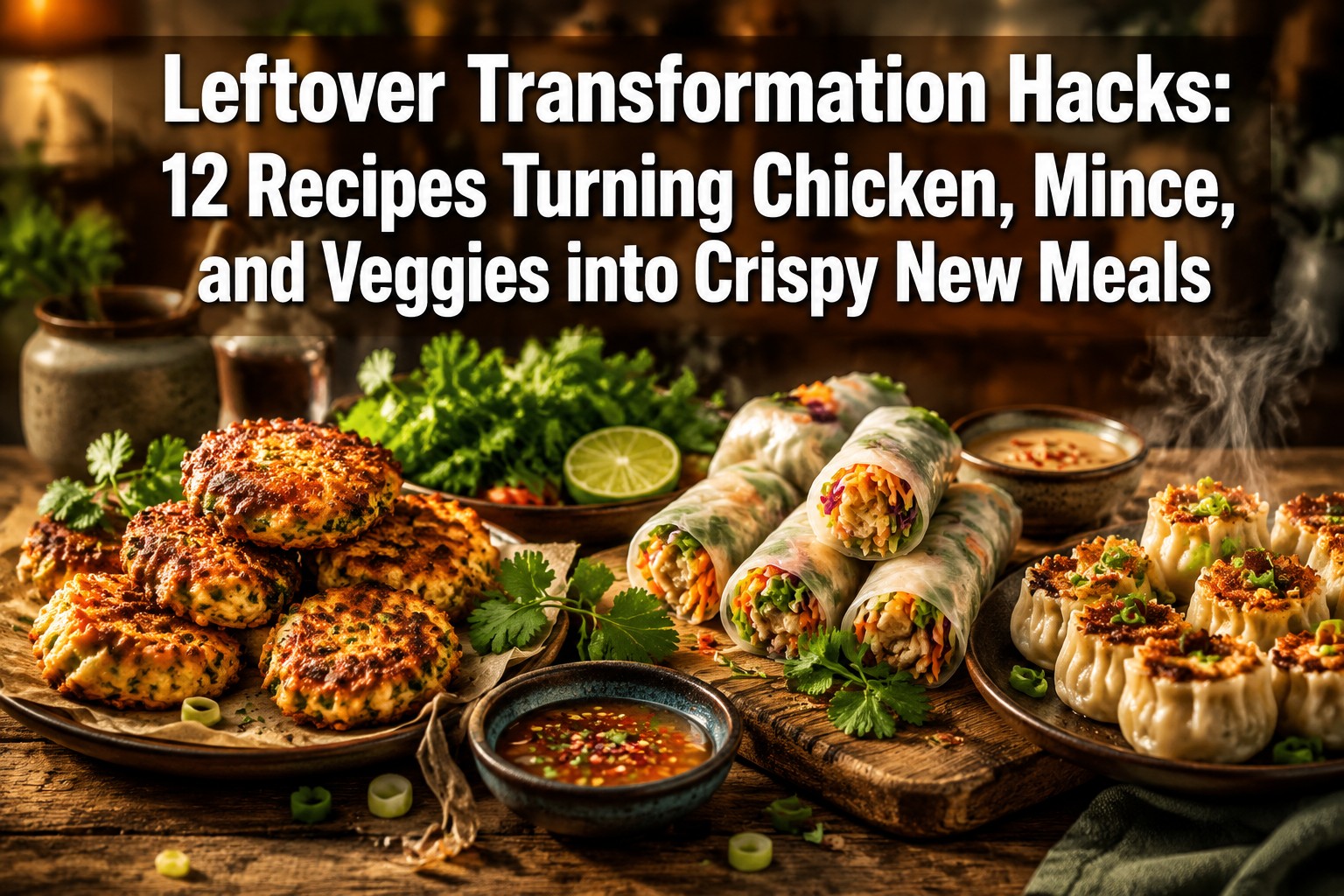
Leftover Transformation Hacks: 12 Recipes Turning Chicken, Mince, and Veggies into Crispy New Meals
Last updated: June 14, 2026
The average household throws away roughly 30% of purchased food, but those containers of leftover chicken, mince, and vegetables sitting in your fridge are actually gold mines for crispy, delicious new meals. These leftover transformation hacks turn yesterday’s dinner into rice paper rolls, dumpling bites, and golden fritters that taste nothing like reheated food. With the right techniques, you can create restaurant-quality dishes while cutting food waste to zero.
Key Takeaways
- Leftover chicken stays safe in the fridge for 3-4 days and transforms best into crispy fritters, rice paper rolls, and pan-fried dumplings
- Mince (beef, pork, or turkey) works perfectly for dumpling fillings, crispy patties, and stuffed vegetable boats when properly seasoned
- Soggy vegetables regain texture when mixed with binding agents and fried into fritters or baked into crispy veggie cakes
- The secret to avoiding rubbery reheated chicken is adding moisture through sauces, batters, or wrapping in fresh ingredients
- Most transformation recipes take under 20 minutes and require only basic kitchen tools like a skillet, mixing bowl, and spatula
- Freezing leftovers before transforming them is safe and often makes shredding or chopping easier
- Crispy leftover meals can be healthy when baked, air-fried, or pan-fried with minimal oil instead of deep-frying
What Are Leftover Transformation Hacks for Chicken
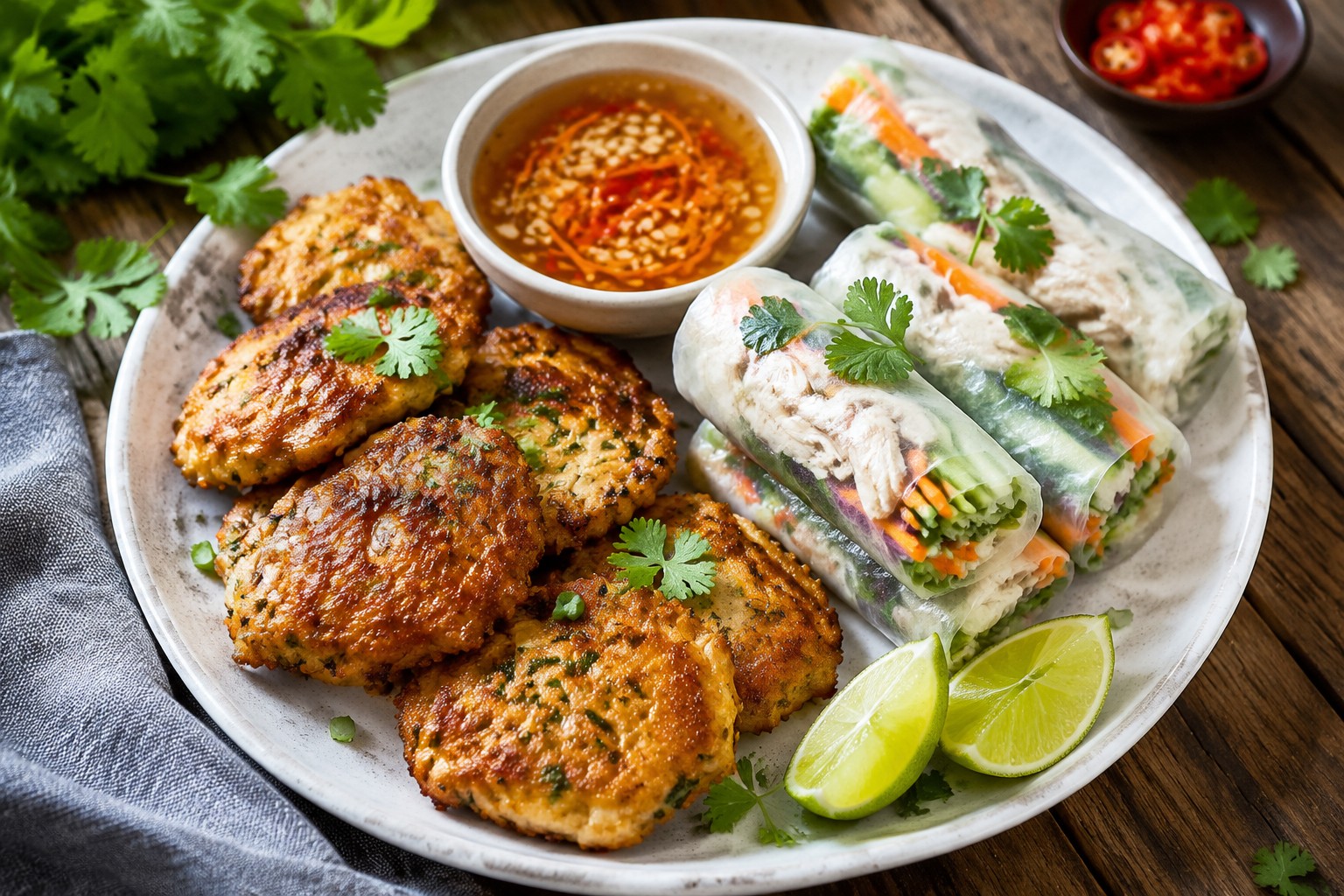
Leftover transformation hacks for chicken involve repurposing cooked chicken into entirely new dishes that add texture, flavor, and visual appeal rather than simply reheating the original meal. The best methods include shredding chicken for Vietnamese rice paper rolls with fresh herbs and peanut sauce, chopping it for crispy chicken fritters bound with egg and breadcrumbs, or wrapping it in dumpling wrappers for pan-fried potstickers.
Top chicken transformation techniques:
- Rice paper rolls: Shred cold chicken, wrap with julienned vegetables, rice noodles, and fresh mint in softened rice paper. Serve with hoisin-peanut dipping sauce.
- Chicken fritters: Mix chopped chicken with mashed potato, egg, flour, and seasonings. Form into patties and pan-fry until golden on both sides.
- Dumpling bites: Combine minced chicken with ginger, garlic, and scallions. Wrap in wonton wrappers and pan-fry for crispy bottoms.
- Chicken quesadillas: Layer shredded chicken with cheese between tortillas, pan-fry until crispy, and cut into wedges.
- Crispy chicken cakes: Mix with breadcrumbs, herbs, and mayo. Shape into cakes and bake or air-fry at 400°F for 15 minutes.
Choose rice paper rolls if you want a fresh, no-cook option that highlights the chicken without adding heaviness. Pick fritters or dumplings when you want maximum crispiness and comfort food appeal.
How to Make Leftover Chicken Crispy Again
Making leftover chicken crispy again requires adding a new coating or crust since reheating alone will only make it rubbery. The most effective method is to coat chicken pieces in beaten egg and panko breadcrumbs, then pan-fry in a thin layer of oil over medium-high heat for 2-3 minutes per side until golden and crunchy.
Three proven methods for crispy chicken:
- Panko coating method: Dip chicken in flour, then egg, then panko. Pan-fry in 2 tablespoons oil until golden.
- Air fryer method: Brush chicken lightly with oil, place in air fryer at 375°F for 8-10 minutes, flipping halfway.
- Cornstarch slurry: Toss chicken pieces in cornstarch mixed with water and spices. Pan-fry immediately for an ultra-crispy coating.
Common mistake: Don’t microwave chicken before trying to crisp it. Microwaving releases moisture that prevents browning. Instead, work with cold chicken straight from the fridge.
If you’re starting with properly cooked chicken that wasn’t dried out initially, check out our guide on what is the best way to cook chicken breasts to keep them moist for future meal prep.
Best Recipes for Using Up Leftover Mince
Leftover mince transforms beautifully into crispy dumplings, stuffed peppers, and savory patties that taste completely different from the original dish. The best approach is to add fresh aromatics (garlic, ginger, onion) and binding agents (egg, breadcrumbs) to create new textures and flavors.
Five winning mince transformation recipes:
- Pan-fried dumplings: Mix mince with finely chopped cabbage, ginger, soy sauce, and sesame oil. Wrap in dumpling wrappers and pan-fry until crispy on the bottom.
- Crispy mince fritters: Combine with grated zucchini, egg, flour, and spices. Form into small patties and shallow-fry.
- Stuffed bell peppers: Fill halved peppers with mince mixed with cooked rice and cheese. Bake at 375°F for 25 minutes until tops are crispy.
- Mince and potato cakes: Mix with mashed potato, herbs, and breadcrumbs. Shape into cakes and pan-fry until golden.
- Crispy lettuce cups: Reheat mince with hoisin sauce and water chestnuts. Serve in crispy iceberg lettuce leaves with crunchy toppings.
Decision rule: Choose dumplings or fritters if your mince is already well-seasoned. Pick stuffed peppers or lettuce cups if the mince is bland and needs flavor boosting from fresh ingredients.
Can You Make Crispy Meals from Soggy Leftover Vegetables
Yes, soggy leftover vegetables can become crispy fritters, veggie cakes, or roasted chips when you remove excess moisture and add binding ingredients. The key is squeezing out water using a clean kitchen towel or paper towels, then mixing with flour, egg, and seasonings before frying or baking at high heat.
Vegetable transformation techniques:
- Veggie fritters: Squeeze moisture from cooked vegetables (broccoli, cauliflower, carrots). Mix with flour, egg, cheese, and herbs. Pan-fry in oil until crispy on both sides.
- Crispy veggie cakes: Mash soft vegetables with breadcrumbs and spices. Form into patties and bake at 425°F for 20 minutes, flipping once.
- Roasted veggie chips: Slice firmer leftover vegetables thinly, toss with oil and salt, spread on a baking sheet, and roast at 400°F until edges crisp up.
- Vegetable spring rolls: Wrap chopped vegetables in spring roll wrappers with glass noodles. Pan-fry or bake until golden and crunchy.
Edge case: Very watery vegetables like zucchini or eggplant need extra preparation. Salt them first, let sit for 10 minutes, then squeeze out the released liquid before mixing with other ingredients.
Leftover Chicken vs Leftover Turkey: Which Transforms Better
Leftover chicken transforms better than turkey for most crispy recipes because it has a finer texture that shreds easily and absorbs seasonings more readily. Turkey tends to be drier and stringier, making it better suited for dishes with plenty of sauce or moisture like casseroles rather than crispy applications.
Comparison breakdown:
| Factor | Chicken | Turkey |
|---|---|---|
| Texture | Fine, easy to shred | Coarser, stringy |
| Moisture | Retains more moisture | Often drier |
| Best for | Fritters, dumplings, rolls | Soups, casseroles, salads |
| Crispiness | Crisps well when coated | Needs extra moisture first |
| Flavor absorption | Excellent | Good but needs more seasoning |
Choose chicken for: Rice paper rolls, crispy fritters, quesadillas, and any recipe where you want the meat to blend seamlessly with other ingredients.
Choose turkey for: Dishes where you’ll add lots of sauce, like turkey pot pie, creamy pasta, or soup where the stringy texture won’t be noticeable.
If you’re working with chicken thighs instead of breast meat, the higher fat content makes them even better for transformation recipes since they stay moist. Learn more about which is better for you chicken breast or chicken thighs to plan your next meal prep.
How Long Can I Keep Leftover Chicken Before Transforming It
Leftover chicken stays safe in the refrigerator for 3-4 days when stored properly in an airtight container. After that window, bacteria growth increases significantly, and the chicken should be discarded even if it looks and smells fine. For longer storage, freeze leftover chicken for up to 4 months.
Storage timeline:
- Days 1-2: Best quality for transformation recipes. Chicken is still moist and flavorful.
- Days 3-4: Still safe but may be slightly drier. Works well for recipes with sauce or moisture.
- Day 5+: Discard. Risk of foodborne illness increases.
- Frozen: Up to 4 months in freezer-safe containers or bags.
Safety rules:
- Store chicken within 2 hours of cooking
- Keep refrigerator at 40°F or below
- Use airtight containers to prevent cross-contamination
- Label containers with the date
- When in doubt, throw it out
Common mistake: Don’t rely on smell alone. Dangerous bacteria can grow before chicken develops an off odor. Always follow the 3-4 day rule regardless of how the chicken looks or smells.
For more details on chicken storage safety, see our guide on how long can chicken breast stay in the fridge uncooked which covers similar safety principles.
What Kitchen Tools Do I Need for Leftover Transformation Recipes
Most leftover transformation recipes require only basic kitchen tools you likely already own: a large mixing bowl, a non-stick skillet or frying pan, a spatula, and measuring cups. For specific recipes like dumplings or rice paper rolls, you’ll also need dumpling wrappers or rice paper sheets from the grocery store.
Essential tools:
- Large mixing bowl: For combining ingredients
- Non-stick skillet (10-12 inch): For frying fritters, dumplings, and patties
- Spatula: For flipping without breaking
- Sharp knife and cutting board: For chopping chicken and vegetables
- Measuring cups and spoons: For consistent results
Optional but helpful:
- Air fryer: Makes crispy food with less oil
- Food processor: Quickly chops or shreds large amounts
- Baking sheet with parchment: For oven-baked crispy options
- Kitchen towels: For squeezing moisture from vegetables
- Small bowls: For organizing ingredients before cooking
Budget tip: You don’t need specialty equipment. A regular skillet with a lid can make dumplings (pan-fry then steam). A fork can shred chicken just as well as a food processor for small batches.
Are Leftover Transformation Meals Healthy or Just Fried Food
Leftover transformation meals can be very healthy when you use cooking methods like baking, air-frying, or pan-frying with minimal oil instead of deep-frying. The nutritional value depends more on your cooking technique and added ingredients than on the fact that you’re using leftovers.
Healthy transformation strategies:
- Bake instead of fry: Make fritters and veggie cakes in the oven at 400-425°F with a light spray of oil
- Air fryer option: Achieves crispiness with 70-80% less oil than deep-frying
- Pan-fry with minimal oil: Use 1-2 tablespoons of healthy oil (olive, avocado) in a non-stick pan
- Add vegetables: Bulk up chicken or mince recipes with extra veggies for fiber and nutrients
- Control portions: Make smaller patties or dumplings to manage serving sizes
Nutritional comparison:
| Cooking Method | Oil Used | Calories Added | Crispiness Level |
|---|---|---|---|
| Deep-frying | 1+ cups | 300-500 | Excellent |
| Pan-frying | 2-3 tbsp | 80-120 | Very good |
| Air-frying | 1 tsp spray | 10-20 | Very good |
| Baking | 1 tsp spray | 10-20 | Good |
Choose baking or air-frying if: You want to minimize added fat while still getting crispy results. These methods work especially well for chicken fritters and veggie cakes.
Choose pan-frying if: You want the best texture and flavor with moderate oil use. This is ideal for dumplings where you need a crispy bottom.
Why Does My Leftover Chicken Turn Rubbery When Reheating
Leftover chicken turns rubbery when reheating because the proteins contract and squeeze out moisture as they’re heated a second time, especially in the microwave. The solution is to avoid direct reheating altogether and instead incorporate the chicken into new dishes that add moisture through sauces, batters, or fresh ingredients.
Why chicken gets rubbery:
- Protein contraction: Heating already-cooked proteins causes them to tighten and expel water
- Microwave effect: Uneven heating creates hot spots that overcook some areas
- Lack of moisture: No liquid present to keep chicken hydrated during reheating
- Overcooking initially: Chicken cooked past 165°F the first time will be worse when reheated
Solutions that work:
- Don’t reheat directly: Use cold chicken in rice paper rolls or salads
- Add moisture: Mix chicken with sauce, mayo, or broth before incorporating into recipes
- Use a coating: Egg and breadcrumb coatings seal in moisture while creating crispy exterior
- Steam then crisp: For dumplings, steam first to warm through, then pan-fry for texture
- Low and slow: If you must reheat, use low oven temperature (250°F) with a pan of water for humidity
Pro tip: Shredded chicken reheats better than whole pieces because the smaller surface area allows for more even heating and better sauce absorption.
If you’re cooking fresh chicken for future leftovers, learn what is the best way to cook chicken breast without drying it out to start with moist meat that transforms better.
Quick Leftover Recipes Under 20 Minutes
Several leftover transformation recipes take under 20 minutes from start to finish, making them perfect for busy weeknights. The fastest options are chicken quesadillas, veggie fritters, and simple pan-fried dumplings using store-bought wrappers.
Five recipes ready in 20 minutes or less:
Chicken quesadillas (12 minutes): Layer shredded chicken and cheese between tortillas. Pan-fry 3 minutes per side until crispy and melted.
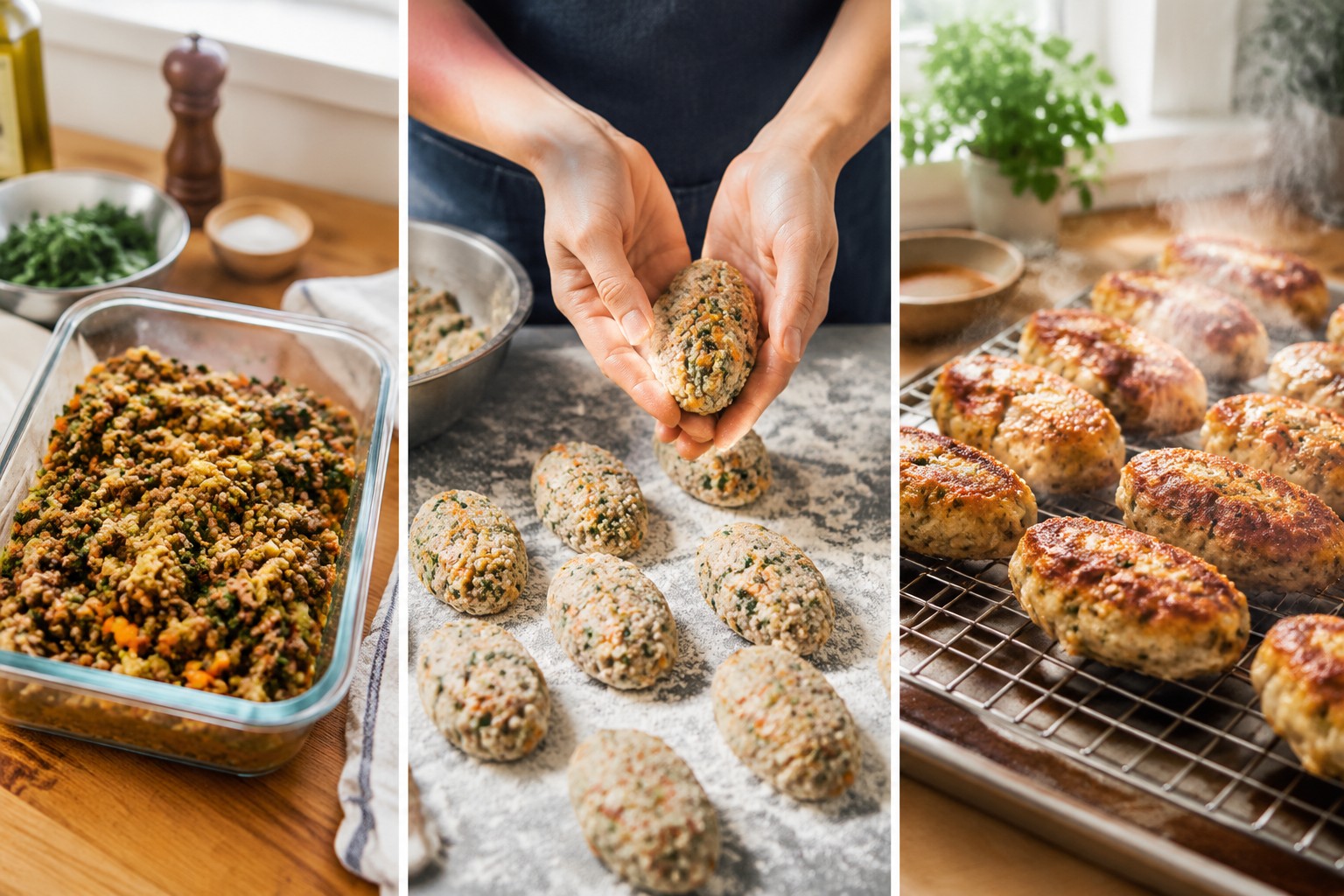
Quick veggie fritters (18 minutes): Mix chopped leftover vegetables with 1 egg, 3 tablespoons flour, salt, and pepper. Form into small patties and pan-fry 3-4 minutes per side.
Mince lettuce wraps (15 minutes): Reheat mince with soy sauce and garlic (5 minutes). Serve in crispy lettuce leaves with quick pickled vegetables.
Chicken fried rice (18 minutes): Chop chicken small. Fry day-old rice in oil with vegetables, push to side, scramble eggs, mix together with soy sauce.
Pan-fried dumplings (20 minutes): Fill store-bought wrappers with mince or chicken mixture. Pan-fry 2 minutes, add water and cover to steam 5 minutes, uncover and crisp 2 more minutes.
Time-saving tips:
- Prep ingredients while the pan heats
- Use pre-shredded cheese and pre-chopped vegetables when needed
- Keep store-bought wrappers and tortillas stocked
- Shred chicken while it’s still warm from the original meal and store ready to use
Leftover Transformation Hacks for People Who Can’t Cook Well
Leftover transformation hacks for beginner cooks focus on simple mixing and pan-frying techniques that are nearly impossible to mess up. The easiest starting point is chicken quesadillas or simple fritters that require just mixing ingredients in a bowl and cooking in a pan until golden.
Beginner-friendly recipes:
1. No-fail chicken quesadillas:
- Place tortilla in pan over medium heat
- Add shredded chicken and shredded cheese on half
- Fold over and cook 3 minutes per side
- Cut into wedges
2. Basic veggie fritters:
- Mix 2 cups chopped leftover vegetables + 1 egg + 4 tablespoons flour + salt
- Drop spoonfuls into oiled pan
- Cook 4 minutes per side until brown
- Done when crispy outside
3. Simple mince patties:
- Mix leftover mince + 1 egg + breadcrumbs + any spices you like
- Form into burger-sized patties
- Cook in pan 5 minutes per side
- Serve on buns or with rice
Foolproof tips:
- Use medium heat (not high) to prevent burning
- Don’t flip too early—wait until edges look set
- When in doubt, cook longer rather than shorter
- Taste and add more salt if food seems bland
Common beginner mistakes to avoid:
- Overcrowding the pan (cook in batches for crispiness)
- Using too little oil (food will stick)
- Flipping too frequently (let one side brown first)
- Making patties too thick (they won’t cook through)
Common Mistakes When Repurposing Leftover Meat
The most common mistakes when repurposing leftover meat are not adding enough seasoning, failing to remove excess moisture, and overcooking the meat a second time. Since cooked meat has already lost some flavor and moisture, you need to compensate by adding bold seasonings, sauces, and fresh ingredients.
Top mistakes and fixes:
Mistake 1: Under-seasoning
- Problem: Leftover meat tastes bland in new dishes
- Fix: Add fresh garlic, ginger, herbs, soy sauce, or hot sauce. Taste and adjust before cooking.
Mistake 2: Not removing moisture
- Problem: Fritters and patties fall apart or don’t crisp up
- Fix: Pat meat dry with paper towels. Squeeze water from vegetables before mixing.
Mistake 3: Overcooking again
- Problem: Meat becomes dry and tough
- Fix: Add meat at the end of cooking, or use methods that add moisture (wrapping, coating, saucing).
Mistake 4: Wrong texture
- Problem: Chunks too big or too small for the recipe
- Fix: Shred for rolls and quesadillas, chop fine for fritters, leave in larger pieces for stir-fries.
Mistake 5: Skipping binding agents
- Problem: Patties and fritters crumble
- Fix: Always use egg and flour or breadcrumbs to hold ingredients together.
Mistake 6: Not tasting before cooking
- Problem: Entire batch turns out bland or over-seasoned
- Fix: Cook one small test fritter or patty first, taste, adjust seasoning, then cook the rest.
Can I Freeze Leftovers Before Transforming Them Into New Meals
Yes, you can freeze leftovers before transforming them, and freezing often makes the transformation process easier because frozen-then-thawed chicken shreds more easily and frozen mince crumbles better. Store leftovers in airtight freezer bags or containers for up to 4 months, then thaw in the refrigerator overnight before using in transformation recipes.
Freezing guidelines:
Best candidates for freezing:
- Cooked chicken (breast, thighs, rotisserie)
- Cooked ground mince (beef, pork, turkey)
- Cooked vegetables (though texture may soften)
- Cooked rice (perfect for fried rice)
How to freeze properly:
- Cool food completely before freezing
- Use freezer-safe bags or containers
- Remove as much air as possible
- Label with contents and date
- Freeze in portion sizes you’ll actually use
Thawing for transformation:
- Refrigerator thawing: 24 hours for most items (safest method)
- Cold water thawing: 1-2 hours in sealed bag submerged in cold water
- Never thaw at room temperature (bacteria risk)
Bonus benefit: Previously frozen chicken is easier to shred by hand because freezing breaks down some of the muscle fibers. This makes it perfect for recipes like rice paper rolls or chicken salad.
What not to freeze: Dishes that are already crispy (like fried chicken) don’t freeze and reheat well. Freeze the plain cooked meat instead, then make it crispy after thawing.
Leftover Chicken Recipes That Aren’t Just Salads or Sandwiches
Beyond salads and sandwiches, leftover chicken transforms into Vietnamese rice paper rolls, crispy fritters, pan-fried dumplings, chicken fried rice, and stuffed bell peppers that feel like completely new meals. These recipes add texture, heat, and fresh ingredients that make the chicken taste nothing like leftovers.
Creative chicken transformations:
1. Vietnamese rice paper rolls:
- Soak rice paper in warm water for 10 seconds
- Fill with shredded chicken, rice noodles, cucumber, carrots, mint, and cilantro
- Roll tightly and serve with peanut-hoisin dipping sauce
- Fresh, crunchy, and no cooking required
2. Crispy chicken fritters:
- Mix chopped chicken + mashed potato + egg + flour + herbs
- Form into patties and pan-fry until golden
- Serve with sour cream or sweet chili sauce
3. Chicken and vegetable dumplings:
- Combine minced chicken + finely chopped cabbage + ginger + soy sauce
- Wrap in dumpling wrappers
- Pan-fry until crispy on bottom, add water and steam until cooked through
4. Chicken fried rice:
- Use day-old rice (fresh rice gets mushy)
- Fry rice in oil until slightly crispy
- Add chopped chicken, frozen peas, scrambled egg, soy sauce
- Cook on high heat for crispy bits
5. Stuffed bell peppers:
- Mix chicken with cooked rice, tomato sauce, and cheese
- Stuff into halved bell peppers
- Bake at 375°F for 25 minutes until tops are golden
6. Chicken taquitos:
- Roll shredded chicken with cheese in small tortillas
- Secure with toothpicks and bake at 425°F for 15 minutes until crispy
- Serve with salsa and guacamole
These recipes work because they add new textures (crispy, crunchy, fresh) and bold flavors (sauces, herbs, spices) that completely transform the eating experience.
Frequently Asked Questions
How do I keep fritters from falling apart? Use enough binding agents (1 egg per 2 cups of filling) and let the mixture rest for 5 minutes before cooking so the flour can absorb moisture. Don’t flip until the bottom is fully set and golden.
Can I use rotisserie chicken for these recipes? Yes, rotisserie chicken works perfectly for all transformation recipes. Remove the skin if you want less fat, and use both white and dark meat for the best flavor and moisture balance.
What’s the best oil for pan-frying leftover transformations? Use neutral oils with high smoke points like vegetable, canola, or avocado oil. Olive oil works for medium heat but can burn at high temperatures needed for maximum crispiness.
Do I need to reheat leftover chicken before adding it to recipes? No, most transformation recipes work with cold chicken straight from the fridge. The cooking process (frying, baking) will heat it through. Cold chicken is actually easier to chop and shred.
How do I make rice paper rolls without the paper tearing? Use warm (not hot) water to soften rice paper for just 10-15 seconds. Work on a damp cutting board and don’t overfill. The paper becomes more pliable as you work with it.
Can I make these recipes in advance? Fritters, dumplings, and stuffed peppers can be assembled and refrigerated for up to 24 hours before cooking. Rice paper rolls are best made fresh but can be stored wrapped in damp paper towels for 2-3 hours.
What vegetables work best in leftover veggie fritters? Firmer vegetables like broccoli, cauliflower, carrots, and corn work best. Very watery vegetables like zucchini and eggplant need to be salted and squeezed dry first to prevent soggy fritters.
How do I know when dumplings are fully cooked? Pan-fried dumplings are done when the bottoms are golden brown and the tops are translucent and slightly puffed. The steaming step (adding water and covering) ensures the filling cooks through.
Can I use these techniques with leftover fish? Yes, but fish is more delicate. Use it for fish cakes (like fritters) or fish tacos. Avoid recipes that require lots of mixing or handling since fish breaks apart easily.
What’s the difference between fritters and patties? Fritters typically have a higher ratio of vegetables or meat to binder and are smaller and more irregular. Patties have more binder (like mashed potato) and are formed into uniform burger-like shapes.
How do I prevent dumplings from sticking to the pan? Use a non-stick pan or well-seasoned cast iron with enough oil (2-3 tablespoons). Don’t move the dumplings until the bottoms are fully crispy and naturally release from the pan.
Can I bake these recipes instead of frying? Yes, most fritters, patties, and dumplings can be baked at 400-425°F for 20-25 minutes, flipping halfway. Spray with oil for better browning. They won’t be quite as crispy as pan-fried but still delicious.
Conclusion
Leftover transformation hacks turn ordinary refrigerator staples into exciting crispy meals that reduce food waste and save money. By using simple techniques like coating chicken in panko, wrapping ingredients in rice paper or dumpling wrappers, and mixing vegetables with binding agents for fritters, anyone can create restaurant-quality dishes in under 30 minutes.
The key to success is treating leftovers as ingredients rather than meals to reheat. Add fresh herbs, bold seasonings, and new textures through frying, baking, or wrapping. Store leftovers properly (3-4 days refrigerated, 4 months frozen), remove excess moisture before cooking, and don’t be afraid to experiment with different combinations.
Start today: Look in your fridge right now and identify one leftover item. Choose one recipe from this guide that matches what you have. Gather your basic tools (mixing bowl, skillet, spatula) and spend 20 minutes creating something crispy and new. Your wallet and your taste buds will thank you, and you’ll never look at leftovers the same way again.
For more chicken cooking techniques that set you up for better leftovers, explore our guide on what is the best way to cook chicken breast for shredding to prepare chicken that transforms beautifully into any of these recipes.
SEO Meta Title: Leftover Transformation Hacks: 12 Crispy Recipes 2026


