
What Is the Best Way to Cook Chicken Breasts to Keep Them Moist?
What is the best way to cook chicken breasts to keep them moist? The most reliable answer is to start with prep, then use controlled heat and pull the chicken before it overcooks.
Boneless, skinless chicken breast has little fat, so it dries out fast if you treat it like a forgiving cut.
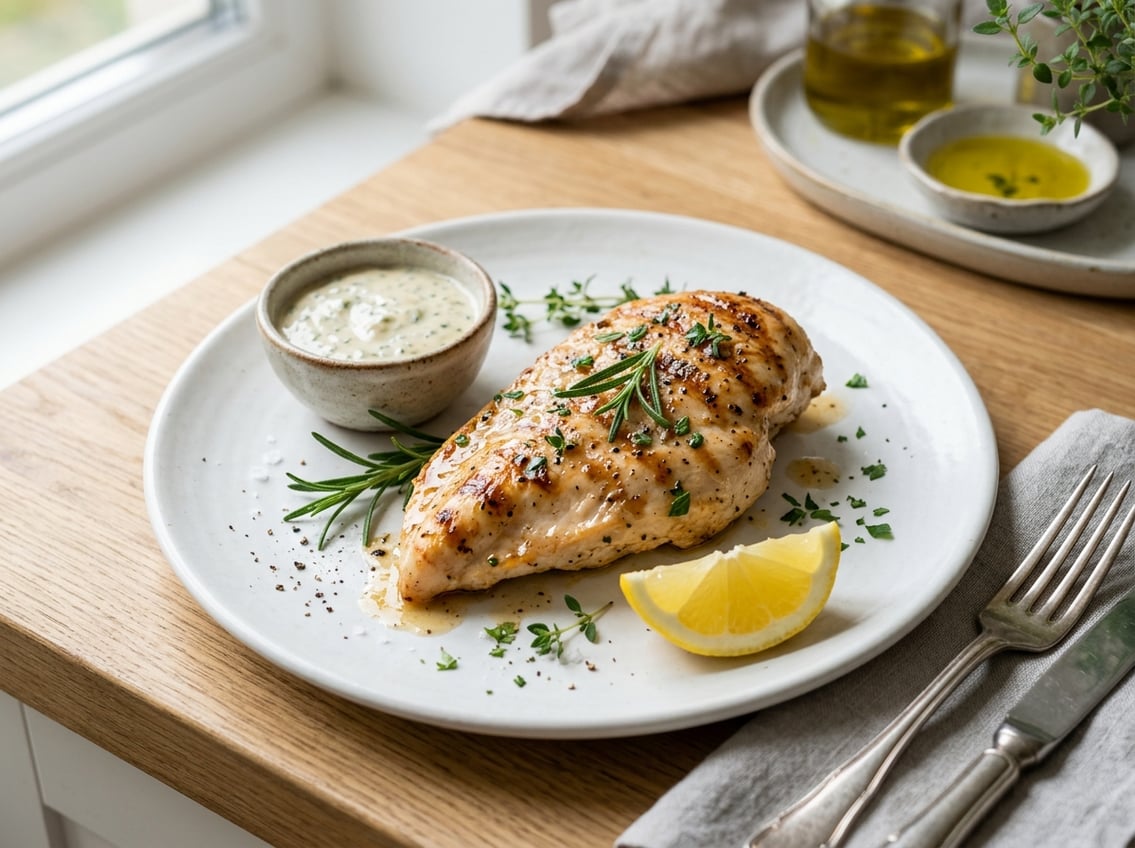
If you want a moist chicken breast, brine or marinate it, cook it with steady heat, and stop at the right internal temperature.
Chefs often tell home cooks to use brining or marinating ahead of time for a better chance at juicy chicken breasts.
A roundup from Simply Recipes highlights that brining or marinating gives you more room for error and better results.
The Short Answer: Prep Plus Controlled Heat
Give chicken breast moisture insurance before it hits the pan, oven, or grill by marinating or brining it.
Use heat that cooks the meat through without drying out the outside.
Why Chicken Breast Dries Out So Easily
Chicken breast is very lean, so it has less fat to protect it during cooking.
Once the muscle fibers tighten too much, the meat squeezes out moisture and turns stringy.
A small timing mistake can make the difference between a tender chicken breast and a dry one.
The cooking method matters, but the temperature matters even more.
Why Brining or Marinating Works
Brining adds salt and water to the meat before cooking, which helps it hold onto moisture.
Marinating chicken breasts can do the same while also adding flavor, especially when the marinade includes salt, acid, or dairy.
Chefs often rely on a quick brine or an overnight soak to improve both texture and taste, according to Simply Recipes.
A yogurt marinade can also help create juicy chicken breasts because the lactic acid supports tenderness.
Why Temperature Control Matters More Than Cook Time
Cook time changes with thickness, pan heat, and starting temperature, so it is not the best thing to chase.
Internal temperature gives you a clearer target.
A chicken breast can be done faster than you expect if you pound it even and cook it over strong heat.
If you watch the thermometer instead of the clock, you get a more moist chicken breast and fewer dry edges.
Prep Steps That Build Juiciness Before Cooking
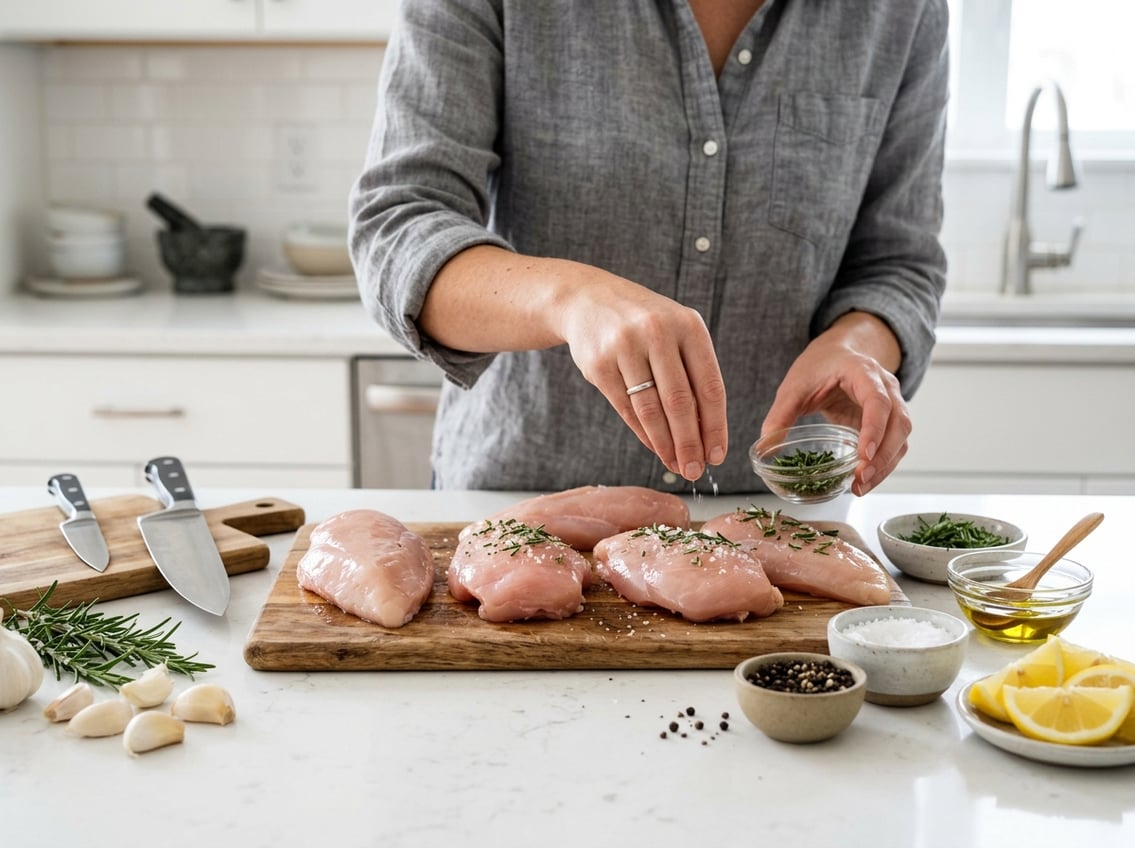
Good prep starts before heat ever reaches the pan.
Season the meat well, keep the surface dry enough to brown, and give the inside better moisture retention.
How to Brine for Better Moisture Retention
A simple wet brine uses water, salt, and sometimes sugar or aromatics.
A dry brine uses salt rubbed directly onto the chicken breast, then rests in the fridge.
For many home cooks, dry brining is easier.
Simply Recipes notes that even 20 to 30 minutes can help, while an overnight wet brine gives more flavor and protection.
When Marinating Is Better Than Brining
Marinate chicken breasts when you want flavor built in from the start.
Lemon, herbs, garlic, yogurt, and olive oil all work well for seasoned chicken breasts.
A yogurt marinade is especially useful when you want a tender chicken breast with a lightly browned crust.
It can help the meat stay juicy while still adding a strong flavor base.
How to Flatten and Dry the Surface for Even Cooking
If one end of the breast is much thicker than the other, pound it to a more even thickness.
That helps the whole piece cook at the same speed.
Pat the surface dry before cooking.
A dry outside browns better, which helps you sear chicken breasts without steaming them.
How to Season Chicken Breasts Without Overdoing Salt
Use enough salt to season the meat, not so much that it tastes harsh.
If you dry brine or use a salty marinade, reduce extra salt on the surface.
Herbs, pepper, garlic powder, paprika, and citrus zest can build flavor without making the chicken taste heavy.
The goal is seasoned chicken breasts that still taste clean and balanced.
Cooking Methods Ranked for Moist Results
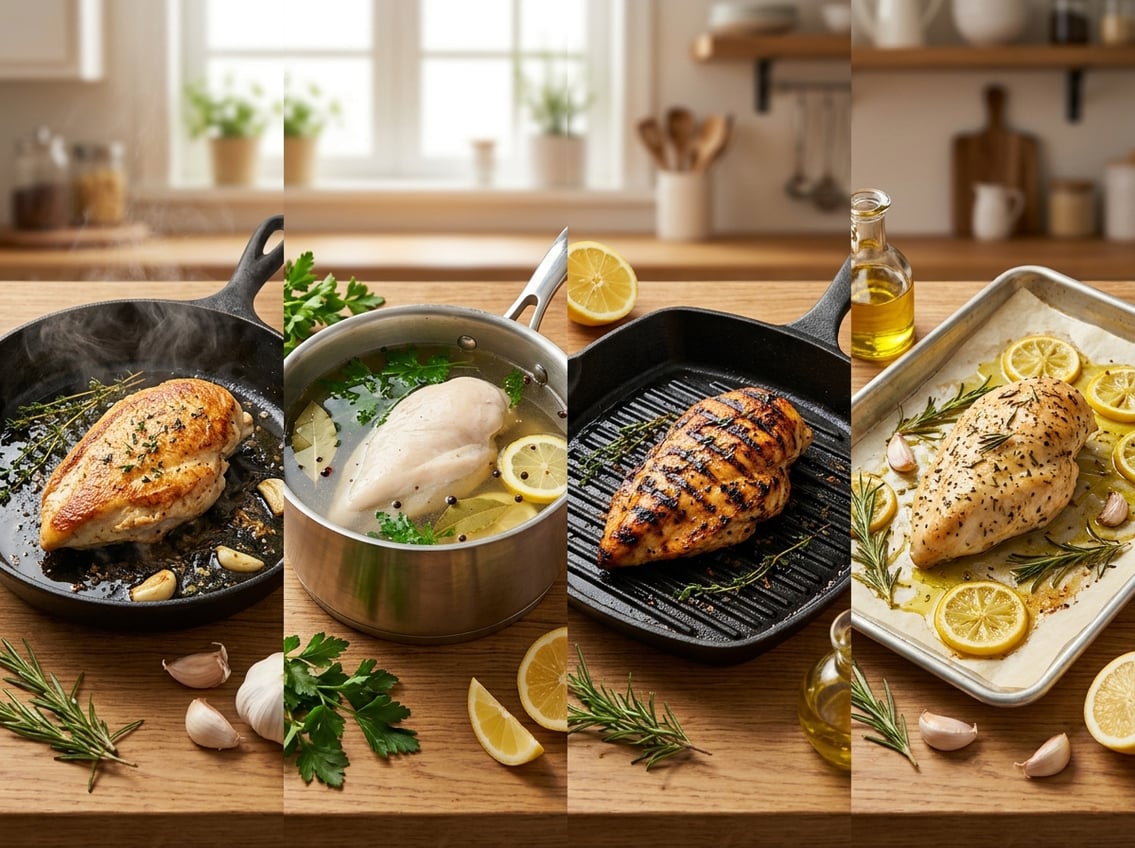
The most moist chicken breasts usually come from methods that cook fast, finish gently, or use a lid to hold in heat.
The best way to cook chicken breast depends on how much control you want and how much browning you like.
Sear and Finish for the Most Reliable Texture
Sear chicken breasts and then finish them in the oven to get strong browning with better control over the center.
This method works well with thicker pieces and gives you a little buffer if your pan runs hot.
Covered Pan Cooking With Gentle Residual Heat
A covered skillet can keep heat around the chicken and help the breast cook through without drying out as fast.
This works well when the pieces are thin or already pounded to even thickness.
The lid traps steam, so the chicken stays more moist, though the surface will not brown as deeply.
Choose this method when tenderness matters more than crisp color.
Oven Baking Without Overcooking the Center
Baking can work well if you use moderate heat and watch the internal temperature closely.
High oven heat can dry out chicken breast before the center finishes.
For better results, bake seasoned chicken breasts in a shallow dish or on a lined sheet pan, then remove them as soon as they are done.
A thermometer helps more than any fixed time.
How Grilled Chicken Breasts Stay Juicy
Grilled chicken breasts stay juicy when you manage heat carefully and do not leave them over direct flame too long.
Pounding to even thickness and oiling the grates lightly can help.
Move the chicken to a cooler part of the grill if the outside browns too fast.
That gives you more control and keeps grilled chicken breasts from drying out before the center is done.
Doneness, Resting, and Common Mistakes
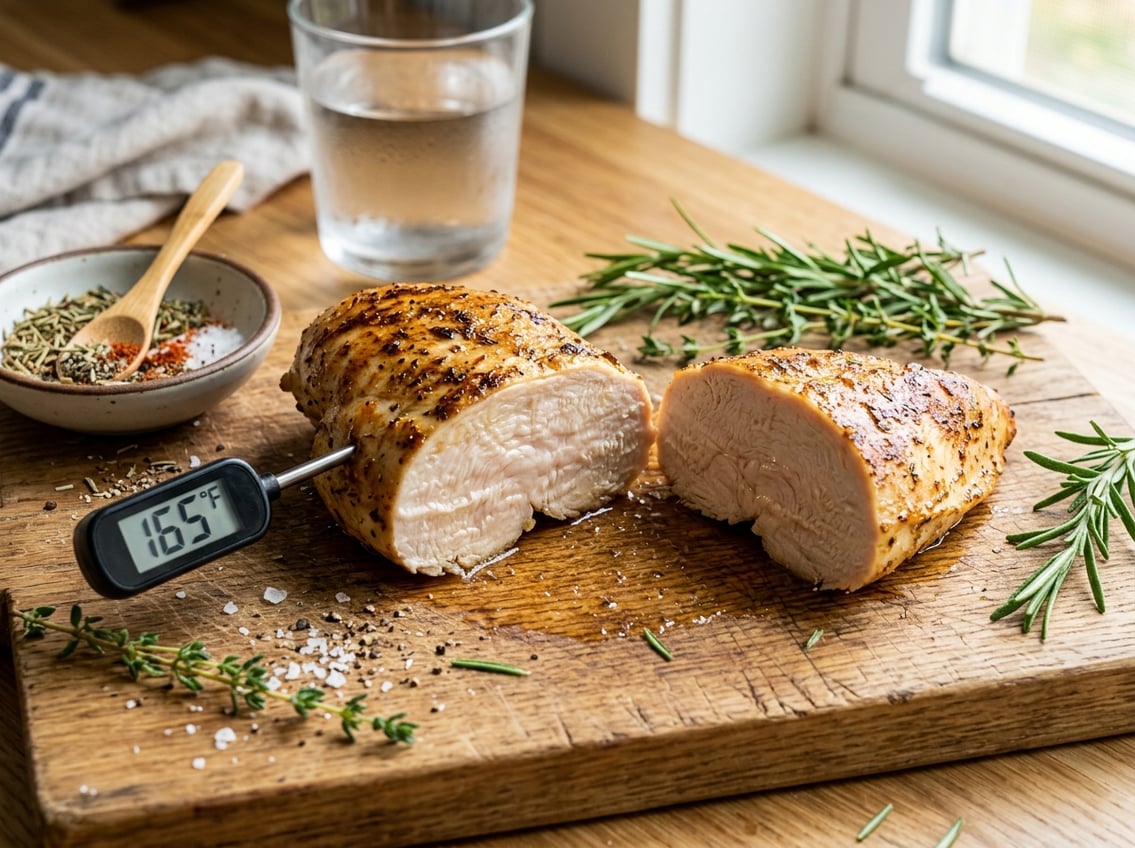
Moist chicken breast depends on stopping at the right moment and giving the juices time to settle.
The last few minutes matter as much as the first few.
The Safest Internal Temperature and Carryover Cooking
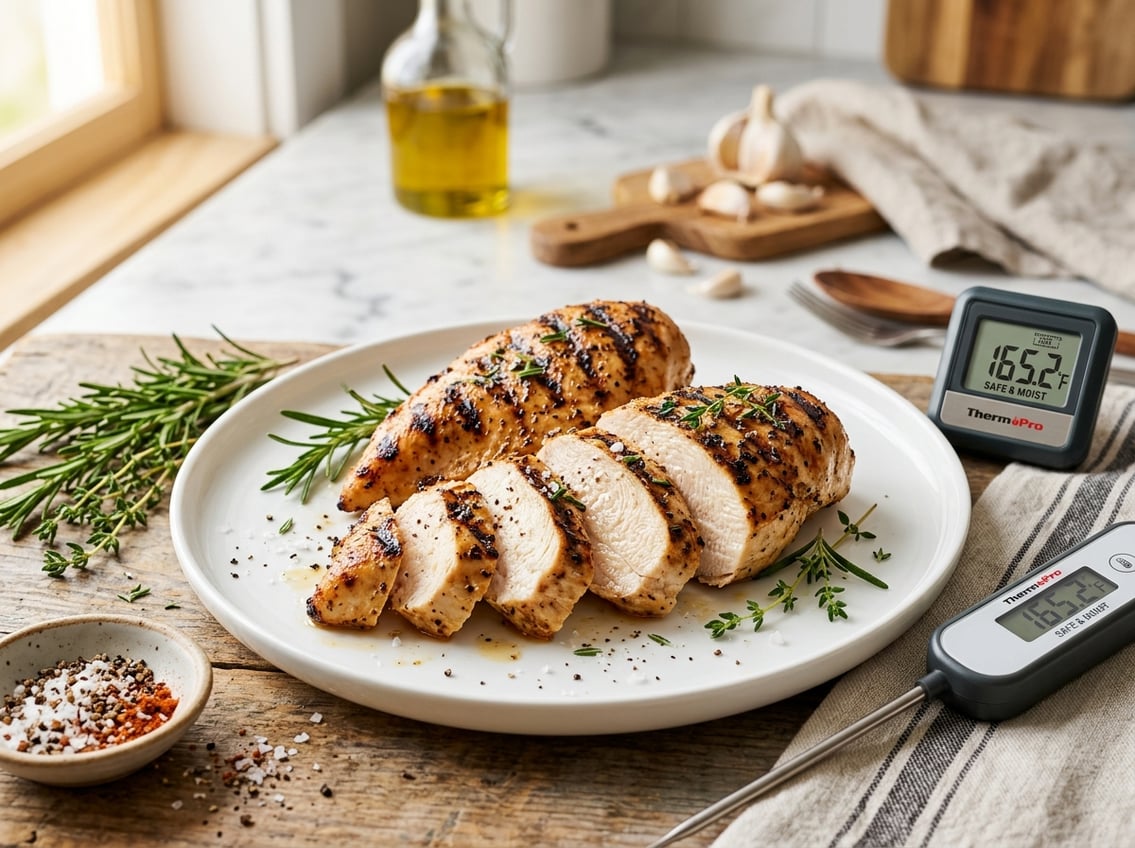
Chicken is safe at 165°F, but you do not need to keep cooking until the thermometer stays there on the heat.
Carryover cooking can raise the temperature after you remove the meat from the pan or oven.
Many cooks pull the chicken a little early, then let it finish resting.
A recent Simply Recipes chef roundup points to the thermometer as the best way to avoid both dry and undercooked chicken.
How Long to Rest Before Slicing
Rest chicken breasts for about 5 to 10 minutes before you slice them.
This helps the juices stay in the meat instead of running onto the cutting board.
If you cut too soon, even a well-cooked chicken breast can seem dry.
Resting is a simple step that protects tenderness.
Mistakes That Turn Moist Chicken Dry and Tough
Many people cook chicken by time alone, which often leads to dryness. Starting with chicken that is too thick on one end causes uneven cooking and dry edges.
Use proper prep and control the heat. Check the temperature early to keep chicken breasts tender.


