
What Are the Benefits of Chicken Breast for Health?
Chicken breast offers simple nutrition: you get a lot of protein with relatively few calories, little fat, and a useful mix of vitamins and minerals. It is a lean food that can fit many healthy eating patterns.
Chicken breast is one of the easiest high-protein foods to use when you want muscle support, steady fullness, and a lower-fat meal option. You can prepare it in ways that keep the nutrition profile strong.

Your results depend on portion size, cooking method, and the rest of your diet. Even so, chicken breast works as a practical choice for many healthy diets.
Why Chicken Breast Is Such an Effective Protein Source

Chicken breast gives you a strong protein-to-calorie ratio, which is why it appears in so many meal plans. Skinless and boneless chicken breast usually provides more protein with less fat and saturated fat compared to darker cuts.
Chicken Breast Nutrition Facts at a Glance
A typical serving of chicken breast is high in protein and low in calories. According to WebMD, a raw, boneless, skinless chicken breast contains about 120 calories, 26 grams of protein, and 2 grams of fat, with no carbohydrates.
These nutrition facts make chicken breast easy to fit into many goals. The macronutrients are simple, with protein as the main component and very little fat or sugar.
Protein-to-Calorie Ratio and Lean White Meat Advantages
Chicken breast is a classic example of lean protein and lean white meat. You get a lot of usable protein without a large calorie load, which can help if you are watching your intake or building meals around portion control.
Chicken breast macros tend to favor protein more than other cuts. That makes planning meals easier when you want steady energy and a lower-fat protein choice.
Essential Amino Acids, Satiety, and Metabolism
Protein from chicken breast supplies amino acids, including essential amino acids your body cannot make on its own. Your body uses these building blocks for tissue repair, muscle maintenance, and many other tasks.
That protein also supports fullness. A meal built around chicken breast can help you stay satisfied longer, which may support appetite control.
Main Health Benefits for Everyday Diets
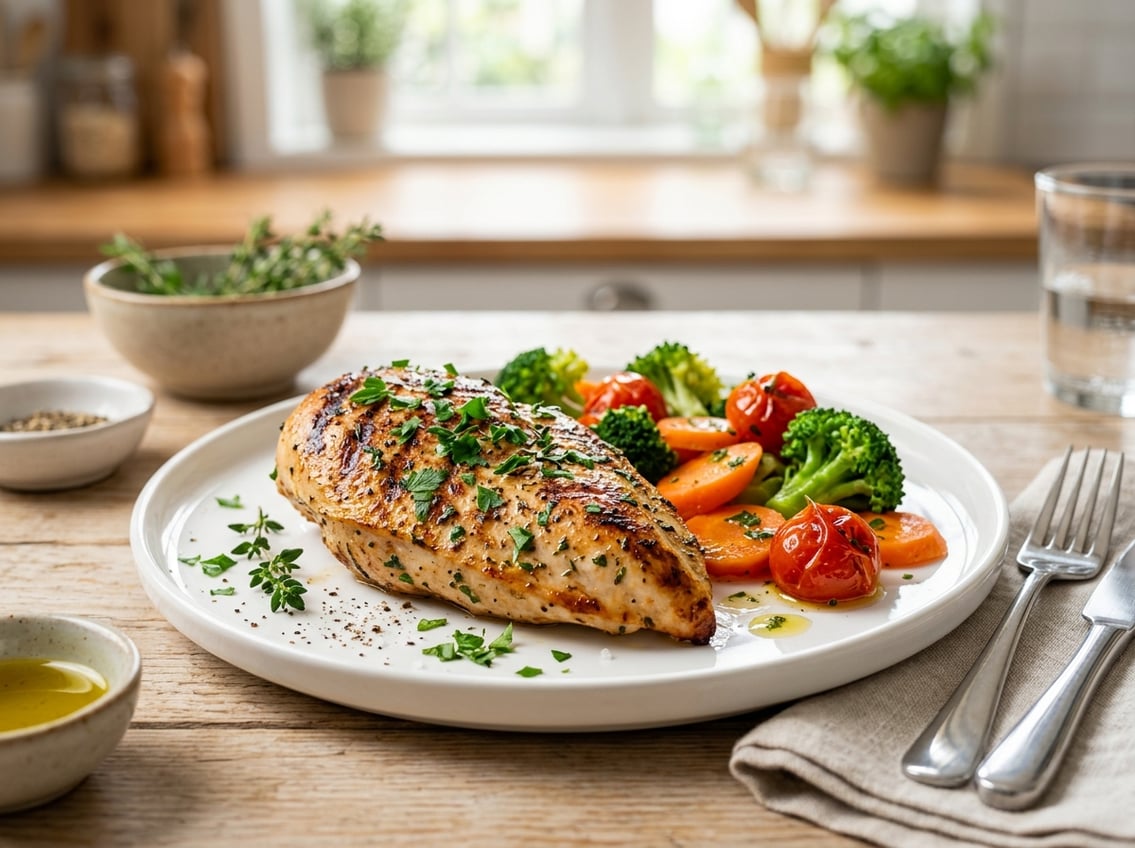
The health benefits of chicken breast go beyond protein alone. It can support strength, weight goals, and several important nutrients that matter in healthy diets.
Muscle Growth, Recovery, and Healthy Aging
Chicken breast supports muscle growth because it provides high-quality protein your body can use after exercise and during recovery. That matters at many ages, since muscle maintenance becomes more important as you get older.
Protein intake also supports healthy aging and physical function. Chicken breast is easy to digest for many people and simple to pair with vegetables, grains, or beans.
Weight Management, Weight Loss, and Fullness
If you want weight management or weight loss, chicken breast can help because it is filling without being high in calories. Protein-rich meals often increase satiety, which may help you eat less later in the day.
Chicken breast works best as part of a calorie-aware eating pattern with enough fiber, fluids, and balanced meals.
Heart Health, Cholesterol, and Type 2 Diabetes Considerations
Chicken breast can support heart health when you use it in place of higher-fat meats and avoid heavy breading or frying. WebMD notes that chicken can help reduce heart disease risk when it replaces red meat and fits into a healthy diet.
For type 2 diabetes, chicken breast can be a practical protein choice because it has no carbohydrates on its own. Pair it with vegetables, beans, whole grains, and healthy fats for meals that are more balanced.
Mood, Sleep, and Brain-Related Nutrients
Chicken breast contains tryptophan, which your body uses to make serotonin and melatonin. That does not make chicken breast a sleep remedy, but it adds a useful nutrient to your diet.
It also provides choline and several B vitamins, including niacin, vitamin b6, vitamin b12, and pantothenic acid. Chicken breast may also contribute iron, zinc, selenium, phosphorus, and magnesium, all of which support normal body functions and may help bone health.
How Preparation Changes the Nutrition Value
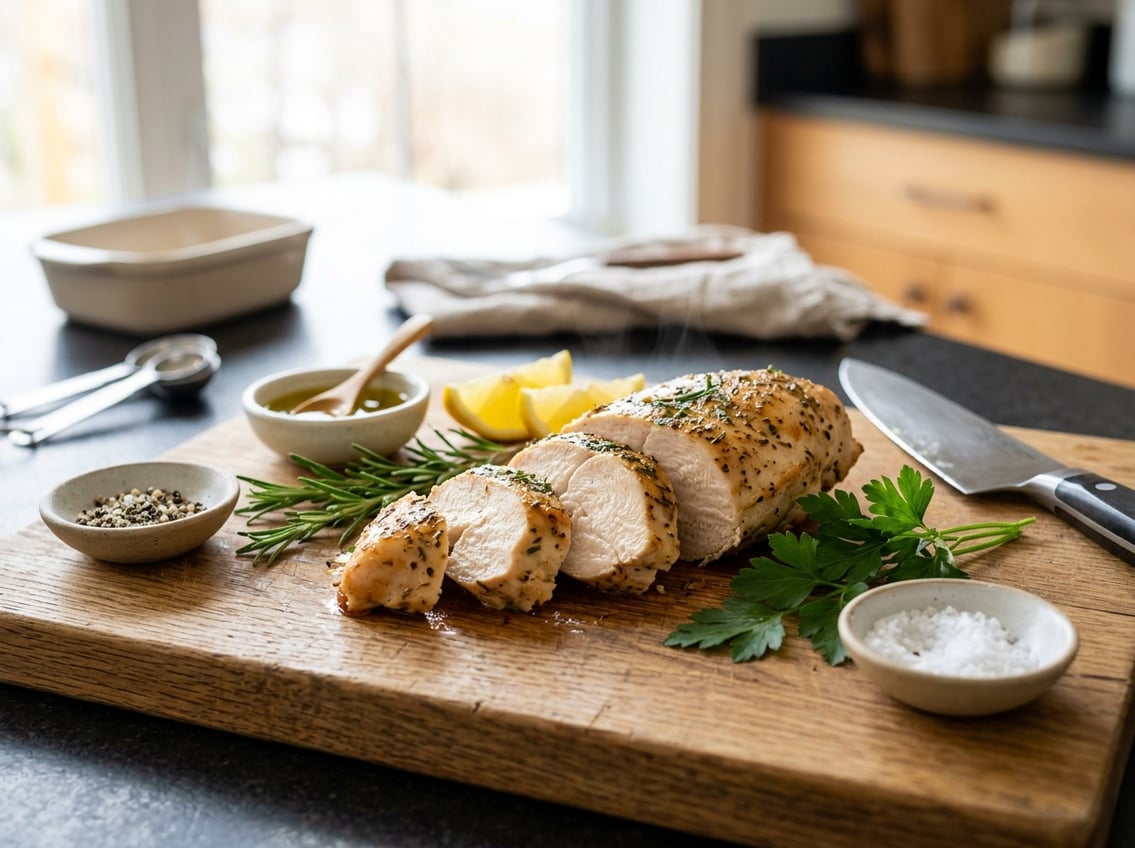
Your cooking method can change whether chicken breast stays lean or becomes a heavier meal. The best cooking methods keep added fat low and avoid turning a simple protein into a high-calorie dish.
Grilling, Baking, Poaching, Roasting, and Pressure Cooking
Grilling, baking, poaching, roasting, and pressure cooking all work well for chicken breast. These methods keep the meat tender while avoiding the extra fat from breading or frying.
A grilled or baked chicken breast can stay close to the natural nutrition profile. These methods give you a good base for salads, bowls, wraps, and grain dishes.
When Fried Chicken and Heavy Sauces Reduce the Benefits
Fried chicken adds oil, extra calories, and more saturated fat, which weakens the main health advantage of chicken breast. Thick creamy sauces and cheesy toppings have a similar effect.
Some restaurant meals, such as chicken parmesan or rich glazed dishes like maple-glazed chicken breast, are not as lean as plain grilled or baked versions. Cooking meat at very high heat for a long time can also increase advanced glycation end products, so gentler cooking is often a better choice.
Chicken Breast vs. Chicken Thighs and Other Cuts
Chicken breast is usually leaner than a thigh or other dark meat cuts. Dark meat can still fit into a healthy diet, yet it tends to have more fat and calories than white meat.
If you want convenience and a lighter nutrition profile, chicken breast is often the better pick for everyday meals. It works well in many recipes, from chicken fajitas to sandwiches and pasta dishes.
Practical Limits, Safety, and Best Use Cases
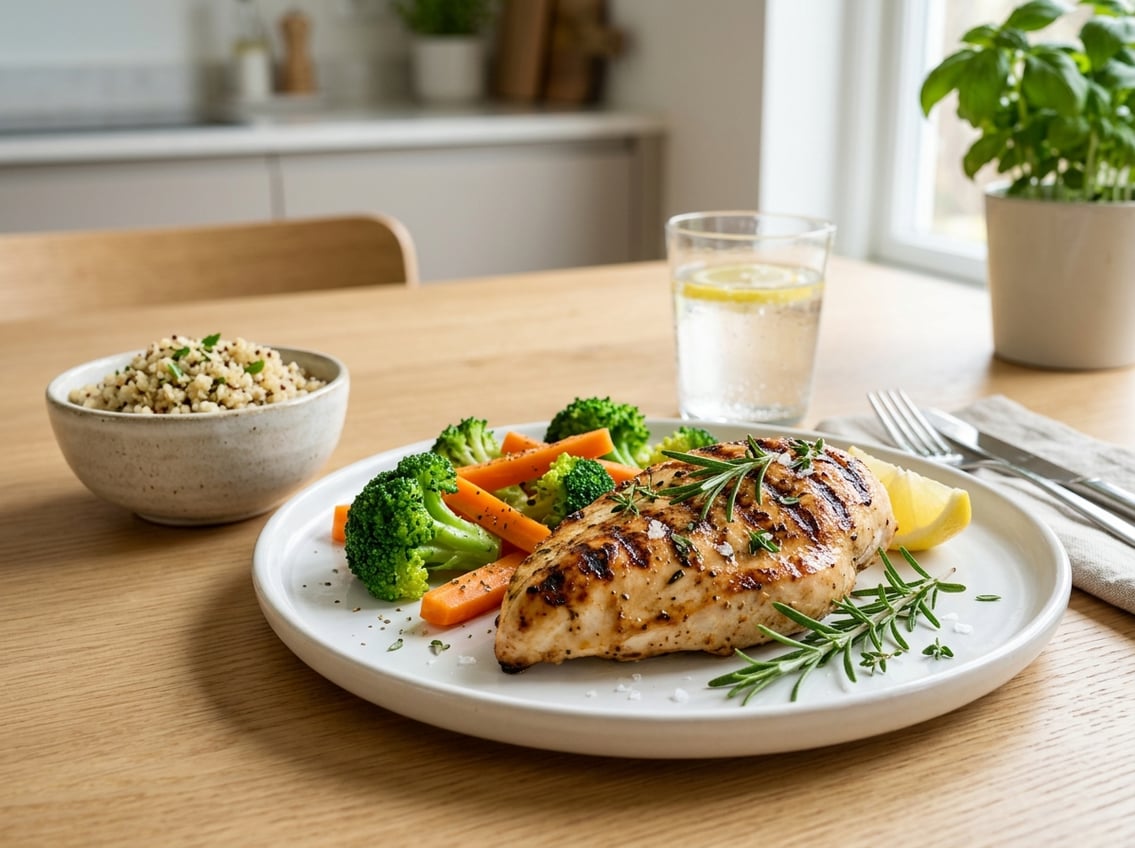
Chicken breast is useful, but you still need to use it wisely. You get the best results by choosing the right portion size, handling it safely, and matching it to your goals.
Choosing Portions That Fit Your Goals
A good serving size depends on your needs, activity level, and what else is on the plate. WebMD reports that the USDA recommends limiting chicken portions to between two and six and a half ounces of protein per day, with higher needs for physically active people.
Portion control helps you keep calories and protein in balance. Build the plate around chicken breast, then add vegetables, a whole grain, or another fiber-rich side.
Safe Handling, Storage, and Cooking Temperatures
Good food safety matters as much as nutrition. Safe handling helps you avoid salmonella and campylobacter, two common foodborne risks tied to raw poultry.
Refrigerate chicken within two hours, keep raw meat separate from other foods, and use a food thermometer to check that the thickest part reaches 165 degrees F. Safe storage and cooking protect the health benefits of chicken breast and make the meal easier to trust.
Who May Need Extra Caution
Some people need extra care with chicken breast and overall diet planning. This group includes people with allergies, kidney disease, or specific medical advice about protein, sodium, or cholesterol.
If you live with a health condition, you can still include chicken breast in healthy diets. Your ideal portion and preparation style may be different.
A clinician or dietitian can help you match your protein intake to your needs. They can also help you balance the rest of your meals.


