
What Are Chicken Breasts Good for? Health and Uses
What are chicken breasts good for? They provide a practical source of lean protein that fits many healthy eating plans, from weight management to muscle recovery.
If you want a food that is easy to portion and cook, chicken breast is one of the most useful choices in your kitchen. You can easily pair it with vegetables, grains, or salads.
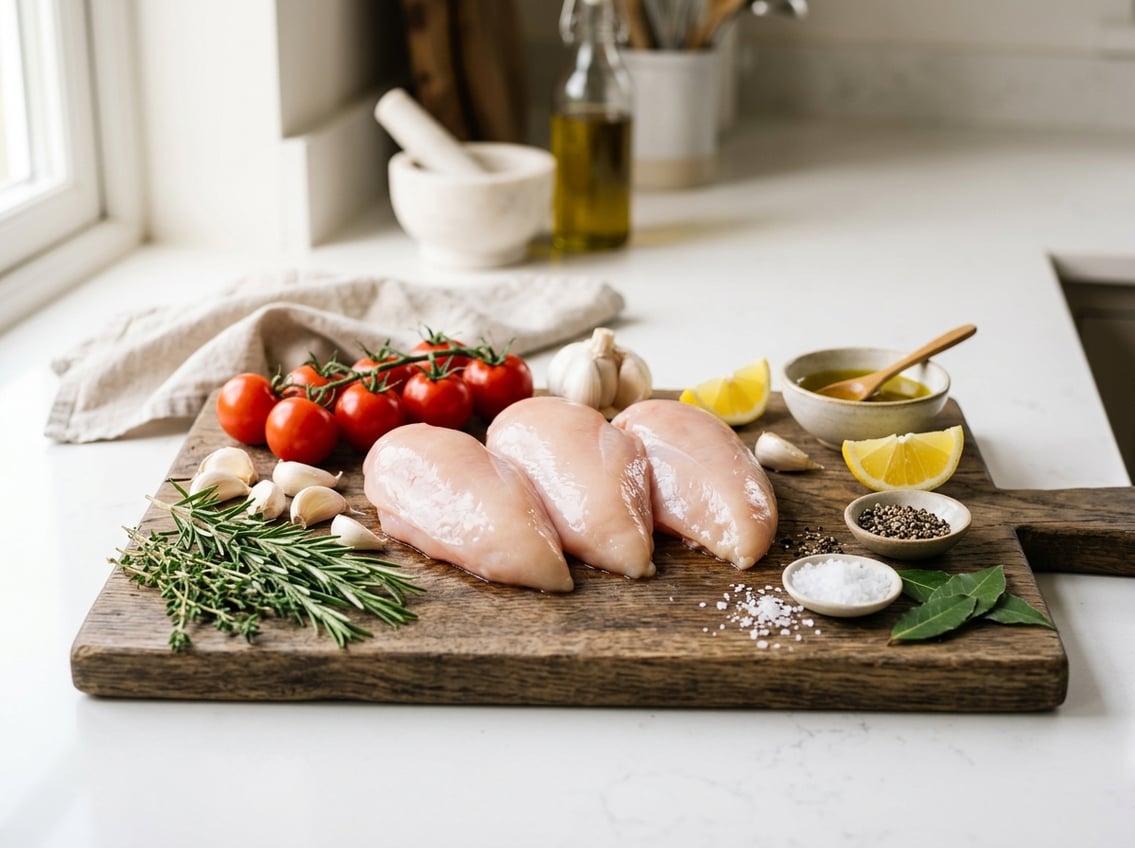
Chicken breast gives you a lot of protein with relatively little fat, which is why it works so well in a healthy diet. It is also versatile enough for simple weeknight meals or more structured meal prep.
In the US, people often use chicken breast as a lighter swap for red meat. It works in stir-fries, sandwiches, soups, salads, and main dishes.
Main Health Benefits
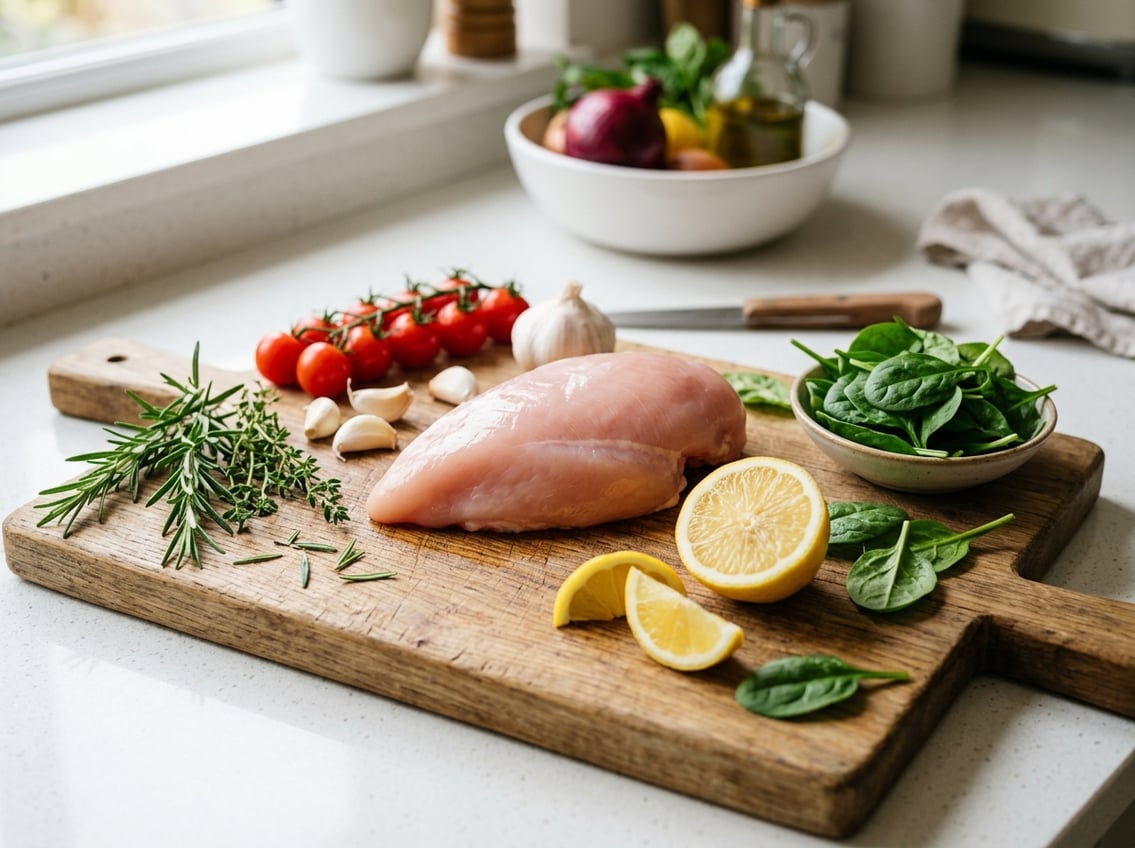
Chicken breast offers strong nutrition without a lot of extra fat. It gives you a high amount of protein for the calories.
Why Chicken Breast Is a Lean Protein Staple
Chicken breast is a lean protein, especially when you choose skinless cuts. WebMD notes that chicken breast is the healthiest cut of the bird and a good swap for red meat, in part because darker cuts and skin add more calories and fat.
You can build a balanced plate around chicken breast without needing much added fat.
How It Supports Satiety and Weight Management
Protein affects fullness more than refined carbs or sugary snacks. Research summarized by WebMD suggests that 25 to 30 grams of protein per meal can help you feel fuller, which supports weight loss and weight management.
That feeling of satiety can make it easier to avoid overeating later.
How It Helps Muscle Maintenance and Recovery
Your body uses amino acids to repair and maintain muscle tissue. Chicken breast provides these building blocks in a form that is easy to digest and simple to portion.
Protein helps support muscle maintenance and recovery after exercise and as you age.
Where It Fits in a Balanced Diet
Chicken breast fits well with vegetables, whole grains, beans, fruit, and healthy fats. It can serve as the main protein in lunches and dinners without pushing the meal too high in fat.
You can season it lightly and still make a complete meal.
Chicken Breast Nutrition Breakdown
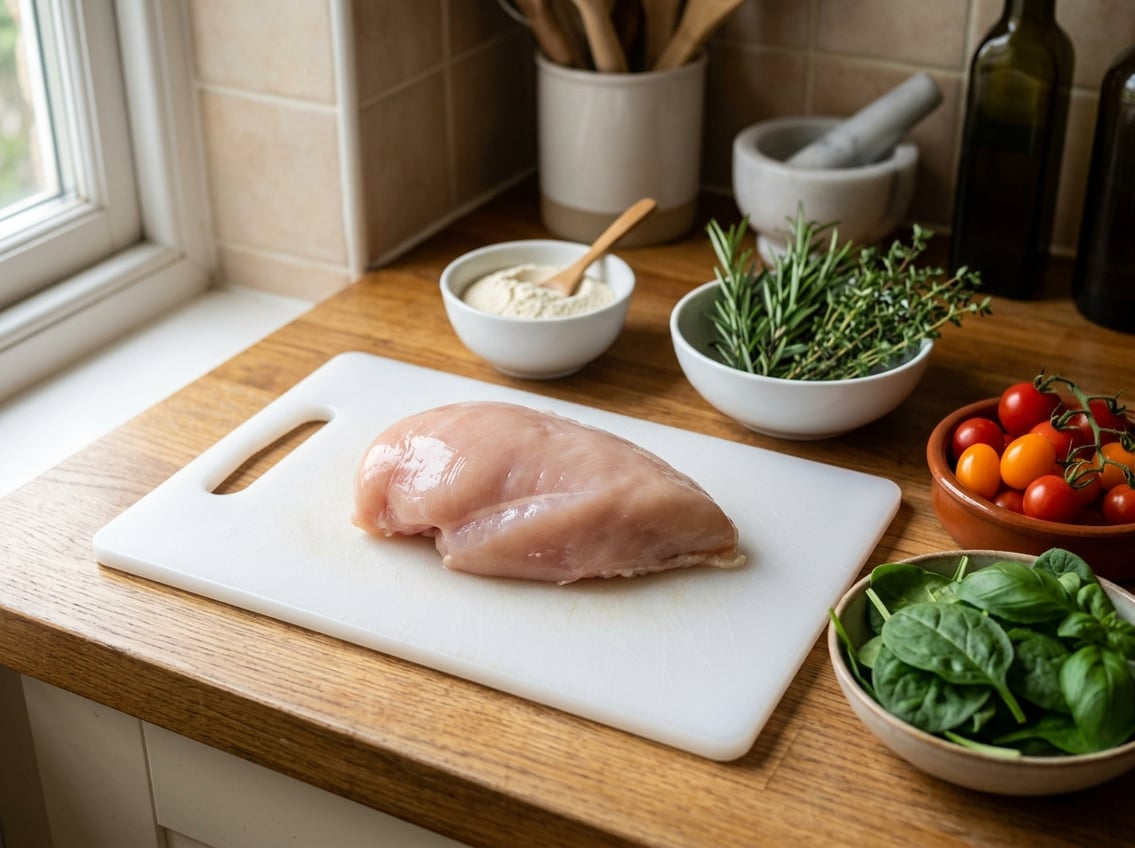
Chicken breast nutrition is straightforward: high protein, low carbohydrate, and modest fat. The exact numbers change a little by brand, cut, and cooking method, especially if you keep the skin on.
Calories, Protein, and Fat in Skinless Cuts
A raw, boneless, skinless chicken breast fillet listed by WebMD contains about 120 calories, 26 grams of protein, and 2 grams of fat. That is a strong protein-to-calorie ratio for a white meat option.
A skinless chicken breast is especially useful when you want more protein without a lot of extra calories.
Key Micronutrients Like Niacin, Selenium, and Phosphorus
Chicken breast gives you more than protein. It also contains important nutrients such as niacin, selenium, phosphorus, and vitamin B12, according to WebMD.
- Niacin supports energy use in your body.
- Selenium helps support normal immune system function.
- Phosphorus plays a role in bone and muscle function.
These nutrients make chicken breast more than just a high-protein food.
Why B Vitamins Matter for Energy Production
Chicken breast contains several B vitamins, including vitamin B6 and vitamin B12. These nutrients help your body turn food into usable energy.
Chicken breast supports daily energy production along with muscle function and recovery.
Skinless Vs. Skin-On and Breast Vs. Other Cuts
Skinless chicken breast stays lower in fat than skin-on versions. Keeping the skin adds more calories and saturated fat, which can change the nutrition profile fast.
Breast meat is also leaner than thighs and drumsticks. If you want the lightest option, choose skinless chicken breast instead of other cuts.
Best Ways to Cook Them for Health and Flavor

The healthiest cooking methods usually use little added fat and keep the meat tender. Baking, grilling, steaming, and poaching all work well.
Baking, Grilling, Steaming, and Poaching
Baking works well for both baked chicken breast and bone-in chicken breasts. WebMD notes that a 4-ounce boneless breast may take 20 to 30 minutes at 350 degrees F, while bone-in chicken breasts take longer.
Grilling gives you strong flavor with little added fat. A grilled chicken breast also works well in salads, grain bowls, and sandwiches.
Steaming and poaching keep the meat moist and avoid extra oil. These methods are useful when you want clean flavor for meal prep.
How Cooking Method Changes Fat and Calorie Content
Cooking method matters as much as the cut. Frying or leaving the skin on adds fat and calories, while baking or grilling keeps the meal lighter.
You control the calorie count more easily by controlling the method.
Choosing Boneless or Bone-In for Different Meals
Boneless skinless chicken breast is easier to slice, shred, and portion. It is a good choice for fast dinners and make-ahead lunches.
Bone-in chicken breasts take longer, but they can stay juicy and work well for larger meals. If you want more flavor and a slower cook, they are a solid option.
Simple Meal Ideas From Salads to Fajitas
Chicken breast recipes are easy to make. WebMD recommends shredding chicken in a salad or grilling it with vegetables.
You can also slice chicken for a sandwich. Toss it with pasta for a quick meal.
Try using chicken in chicken parmesan or chicken fajitas when you want something more filling. For healthy eating, keep the sides simple and use vegetables, beans, brown rice, or whole-grain wraps.


