
Is One Chicken Breast Too Much? Portion Guide
Whether one chicken breast is too much depends on the size of the breast, your daily protein needs, and what else you eat that day.
For many adults, one medium chicken breast is a normal meal portion, not an excessive one.
For others, especially if the breast is large or the rest of the day already includes a lot of protein, it may be more than you need in a single sitting.
One chicken breast is often a reasonable portion, especially when you pair it with vegetables, grains, or another balanced side.
The real question is not only how much chicken you eat, but how it fits into your total intake for the day and your wider diet.
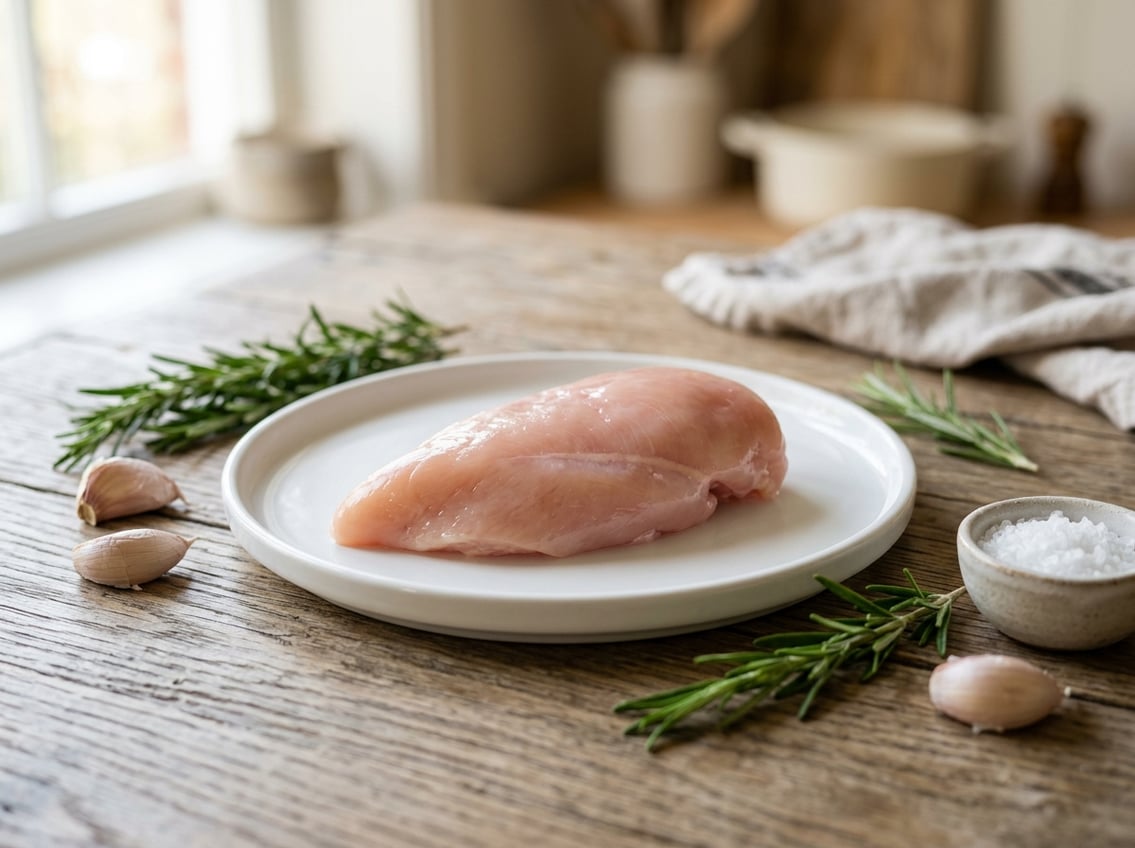
When One Chicken Breast Is a Reasonable Portion
One chicken breast can fit well into a balanced meal when the serving size matches your appetite and protein goals.
Chicken breast is a lean protein choice with strong nutritional value, especially when you want a filling meal without a lot of fat.
A single breast is not always the same size, so the answer changes with the cut you buy and how you cook it.
How Breast Size Changes the Answer
A small chicken breast may weigh close to a standard serving.
A large breast can equal two or more servings.
Raw weight and cooked weight also differ because cooking removes water.
If you buy boneless, skinless chicken breast, you may notice one piece from the store is much larger than a typical label serving.
That means one breast can be fine for dinner, while still counting as more than one serving in your total for the day.
Typical Serving Size of Chicken Compared With a Full Breast
A common cooked serving size is about 3 to 4 ounces, which is close to the size of a deck of cards.
A full restaurant-style breast is often larger than that.
If you do not have a scale, 3 to 4 ounces is a practical estimate.
By that measure, one full breast may equal 1 to 2 servings, depending on its size.
How Much Protein One Breast Usually Provides
Chicken breast provides a lot of protein with little fat.
A 3-ounce cooked serving has roughly 31 grams of protein and about 165 calories.
That means one full breast can give you a large share of your day’s protein needs.
If your meal plan already includes yogurt, eggs, beans, fish, or meat, one breast may be enough to cover the protein part of that meal.
How to Decide Based on Your Daily Protein Needs
Your ideal chicken portion depends on your total protein target, not just the chicken itself.
Your activity level, body size, and other protein sources during the day all affect whether one breast is a good fit.
A lean meal can still be too much if it pushes out other food groups.
It can also be too little if you are active and need more protein for recovery.
Needs for Sedentary Adults Versus Active Adults
If you are mostly sedentary, your protein needs are usually lower than if you lift weights, run often, or do physical work.
In that case, one chicken breast may cover a large part of one meal’s needs.
If you are active, one breast may still be appropriate, especially after training.
Your body may need more total protein through the day, so a larger portion can make sense when it fits your calorie needs and meal pattern.
Fitting Chicken Into Total Daily Protein Sources
Chicken should be one part of your full day of protein sources, not the only one.
You may get protein from dairy, eggs, beans, tofu, nuts, seafood, and lean meats.
If you eat one large breast at lunch, you may want smaller protein servings at other meals.
A mixed plan with alternative protein sources can give you more fiber, more nutrients, and better meal variety.
Signs Your Meal Portion Is Too Large or Too Small
A portion may be too large if you feel uncomfortably full, leave little room for vegetables or grains, or regularly exceed your calorie needs.
It may be too small if you feel hungry soon after eating or if you are struggling to meet your protein target.
Your best guide is how the meal fits your hunger, energy, and daily pattern.
A food scale can help if you want a more exact amount.
Benefits and Downsides of Eating It Often
Chicken breast can support fullness and muscle maintenance.
The tradeoff is that a diet centered too heavily on chicken can leave less room for other useful foods.
The issue is whether your meals stay varied enough to cover fiber, healthy fats, and key vitamins and minerals.
Why Chicken Breast Works Well for Satiety and Muscle Support
Chicken breast is a strong source of lean protein, and protein helps you feel full after meals.
It also supports muscle repair, which matters if you exercise or are trying to keep lean mass.
Its nutritional value makes it useful for simple meal planning.
You can pair it with many sides, and it works well in bowls, salads, wraps, and grain dishes.
What Eating Too Much Chicken Can Crowd Out Nutritionally
If you rely on chicken too often, you may eat fewer alternative protein sources like beans, fish, eggs, or soy foods.
That can reduce variety in fiber and micronutrients.
It can also lead to a narrower diet if chicken takes the place of vegetables, whole grains, and healthy fats.
The problem is often not eating too much chicken by itself, but building meals that are too one-sided.
When Health Conditions May Change Your Ideal Intake
Your ideal amount can change if you have kidney disease, gout, high cholesterol concerns, or a special diet plan from your doctor.
In those cases, protein goals may need more careful planning.
If you have a medical condition, your best intake may be lower, higher, or simply more structured across the day.
A registered dietitian can help you adjust your goals safely.
How to Keep Chicken Meals Balanced and Healthy
A healthy chicken meal is about more than the protein itself.
Cooking method, side dishes, and variety all affect how well the meal supports your health.
Simple choices usually work best.
You can keep chicken lean without making the plate boring.
Best Cooking Methods for a Leaner Plate
Grilling, baking, roasting, steaming, and poaching keep chicken lighter than frying.
These methods also help you avoid adding a lot of extra fat or calories.
Poaching, steaming, and boiling are simple options that keep chicken tender.
If you want to keep the meal lean, use herbs, spices, lemon, garlic, or vinegar for flavor instead of heavy sauces.
What to Pair With Chicken for Better Overall Nutrition
Pair chicken with vegetables for fiber, color, and volume.
Add whole grains, beans, potatoes, or fruit if you need more energy and a more complete meal.
A plate built this way gives you more than just protein.
It also helps your body get a steadier mix of nutrients than chicken alone can provide.
How to Add Variety With Other Protein Choices
You do not need chicken at every meal to eat well.
Try fish, eggs, Greek yogurt, tofu, tempeh, beans, lentils, or turkey.
Adding variety helps you avoid food boredom and widens your nutrient intake.
It also makes it easier to keep your protein sources balanced across the week.


