
How Does Chicken Breast Taste? Flavor, Texture, and Tips
You may think chicken breast tastes plain, yet it is not flavorless. The meat has a mild flavor profile that is gently savory with a light sweetness, which is why it works in so many dishes.
If you want the clearest short answer to how chicken breast tastes, expect a clean, mild chicken flavor that depends heavily on cooking, freshness, and seasoning.
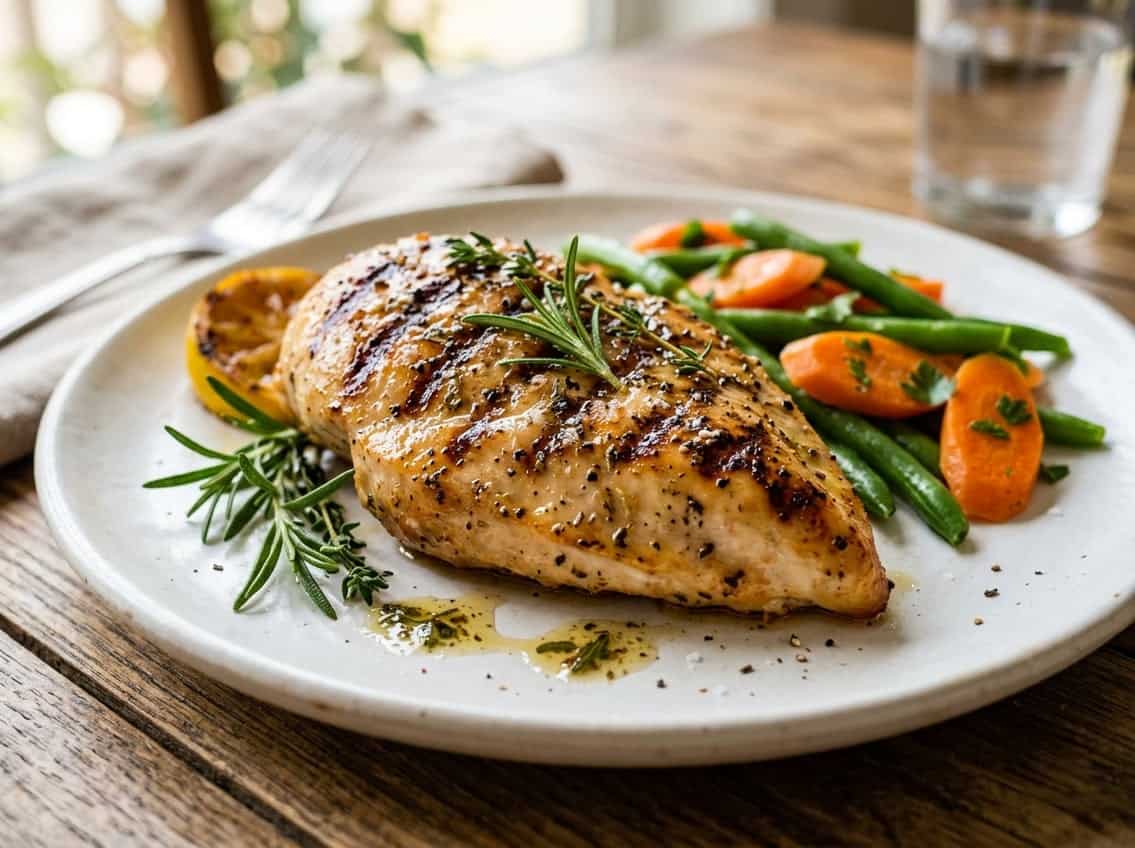
Chicken breast is a lean protein and does not carry much fat on its own. That gives it a lighter taste than darker cuts, and it can go from juicy to dry quickly if you cook it too long.
In practice, a well-cooked chicken breast tastes tender, moist, and simple enough to pair with almost anything. It tastes clean and pleasant, not strong or gamey, which makes it fit easily into weeknight meals and meal prep.
What You Can Expect on the Palate
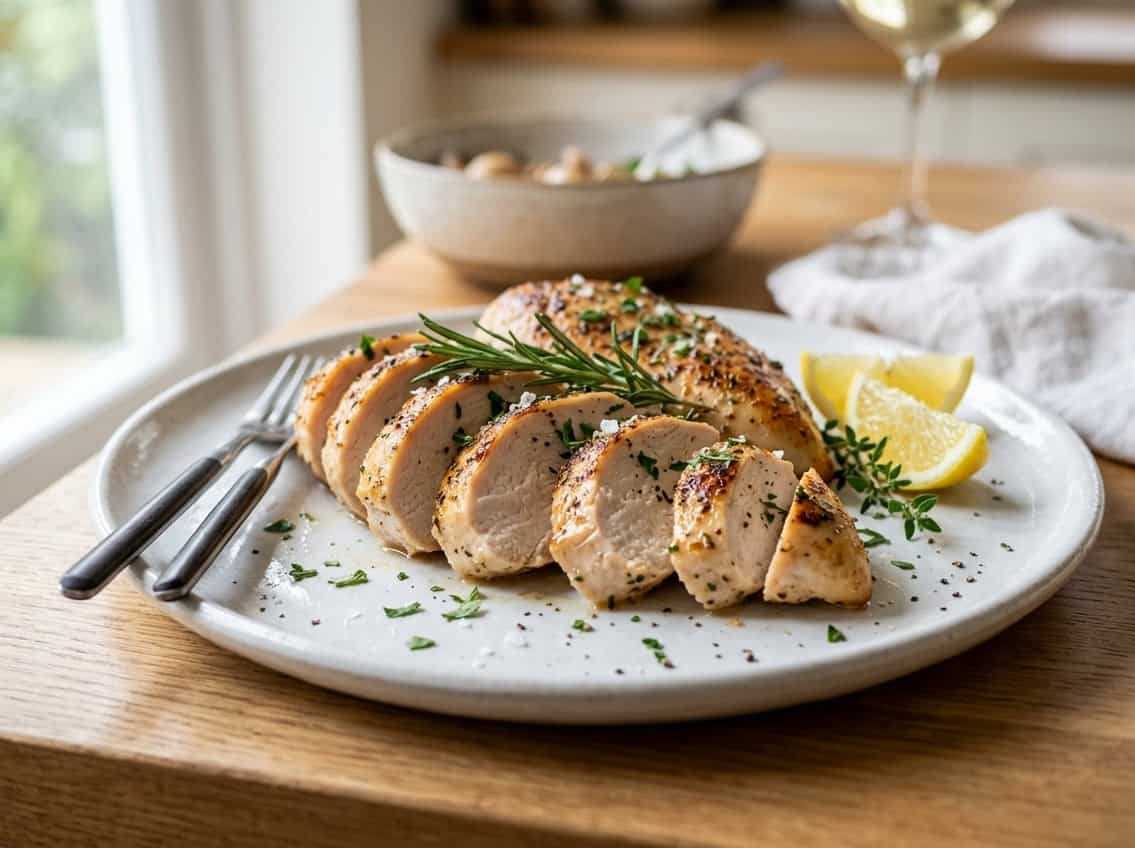
Chicken breast has a mild flavor that reads as gently savory with a faint sweetness. Spices, sauces, and cooking fat play a big role in the final result.
That mild taste gives you a neutral base that can support smoky, bright, creamy, or herb-heavy seasonings.
The Mild, Savory, Slightly Sweet Taste
Freshly cooked chicken breast usually tastes soft and clean on the palate. The flavor is not bold, yet it still has enough chicken flavor to feel familiar and satisfying.
The slight sweetness comes through more clearly when the meat is cooked just right. A well-seasoned chicken breast often tastes lightly savory with a simple, balanced finish.
How Texture Affects Perceived Flavor
Texture changes how you read flavor. A juicy chicken breast feels richer and more flavorful than a dry one, even if the seasoning is the same.
When the meat is tender, your mouth picks up the salt, herbs, and browning more clearly. When it is stringy or dry, the same chicken taste can seem flat.
Why Chicken Breast Is Less Intense Than Dark Meat
Chicken breast is a fast-twitch muscle, so it has less fat and a lighter flavor than thighs or drumsticks. That difference is one reason people describe it as mild rather than rich.
Dark meat tends to have a deeper, more pronounced chicken flavor because of its higher fat content and different muscle structure, as noted in an analysis of poultry cuts. Chicken breast stays cleaner and lighter by comparison.
What Changes the Flavor Most
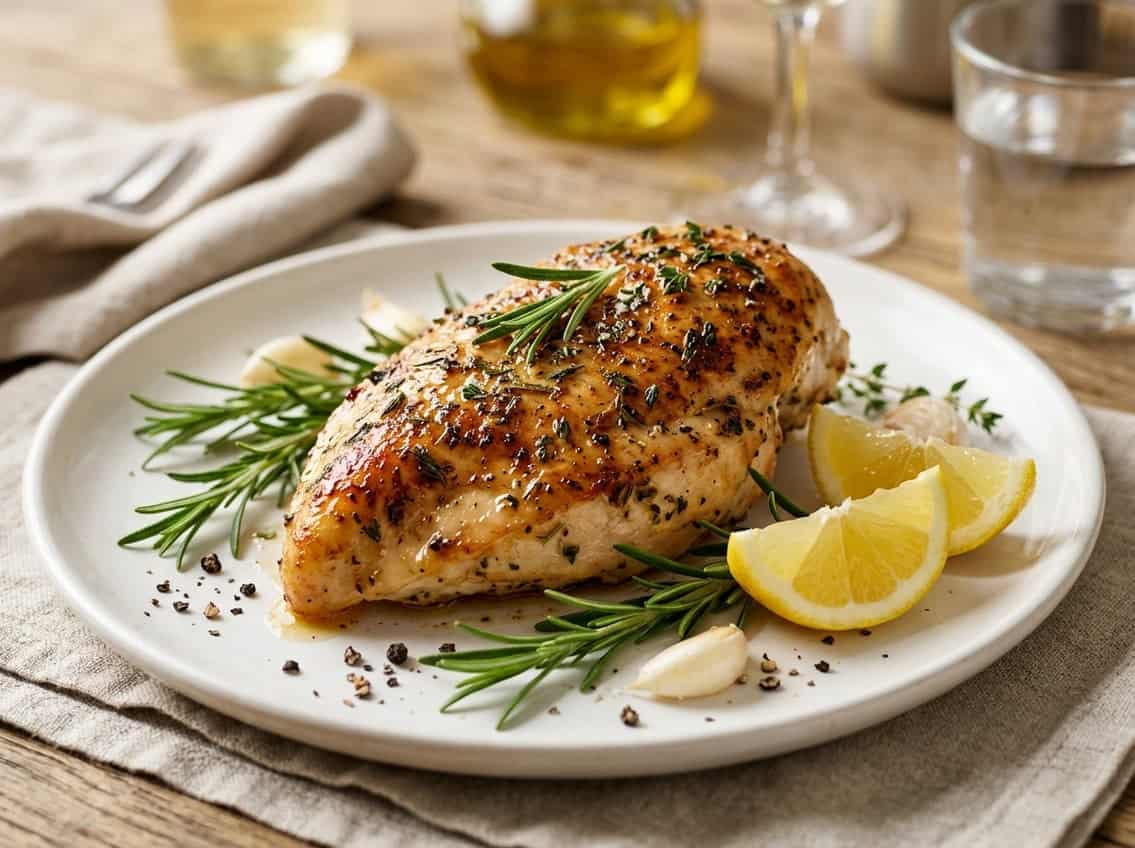
Freshness, cut, and cooking method shape the final taste more than almost anything else. A well-handled piece of fresh chicken can taste noticeably better before you even add much seasoning.
The same boneless chicken breast can taste simple, juicy, or dry depending on how you store, cook, and finish it.
Freshness, Quality, and Raising Methods
Fresh chicken usually has a cleaner aroma and a better natural taste profile than chicken that has sat too long in the fridge. According to a chicken breast flavor profile guide, fresh cuts should smell mild, look pale pink, and feel firm and moist.
Quality and raising methods can influence flavor too, although the effect is often subtle in everyday cooking. Good handling matters just as much as the bird itself, along with food safety and proper storage.
Boneless Vs. Bone-In Differences
Boneless chicken breast is convenient and cooks fast, which makes it a favorite for busy dinners. It also tends to taste a little less rich because it lacks the moisture help that bone-in cuts can provide.
Bone-in chicken breast usually holds onto more flavor during roasting. If you want a more savory result, bone-in pieces often give you a fuller taste and a better chance at a juicy chicken breast.
How Cooking Method Shapes Taste
Cooking method changes both browning and moisture. A baked chicken breast can taste mild and clean, while grilled or pan-seared chicken often has more browning and a deeper savory note.
Roasting, sautéing, grilling, and poaching all create different results. Dry heat builds more surface flavor, while gentler methods keep the taste softer and the meat more tender.
Why It Sometimes Tastes Bland or Dry
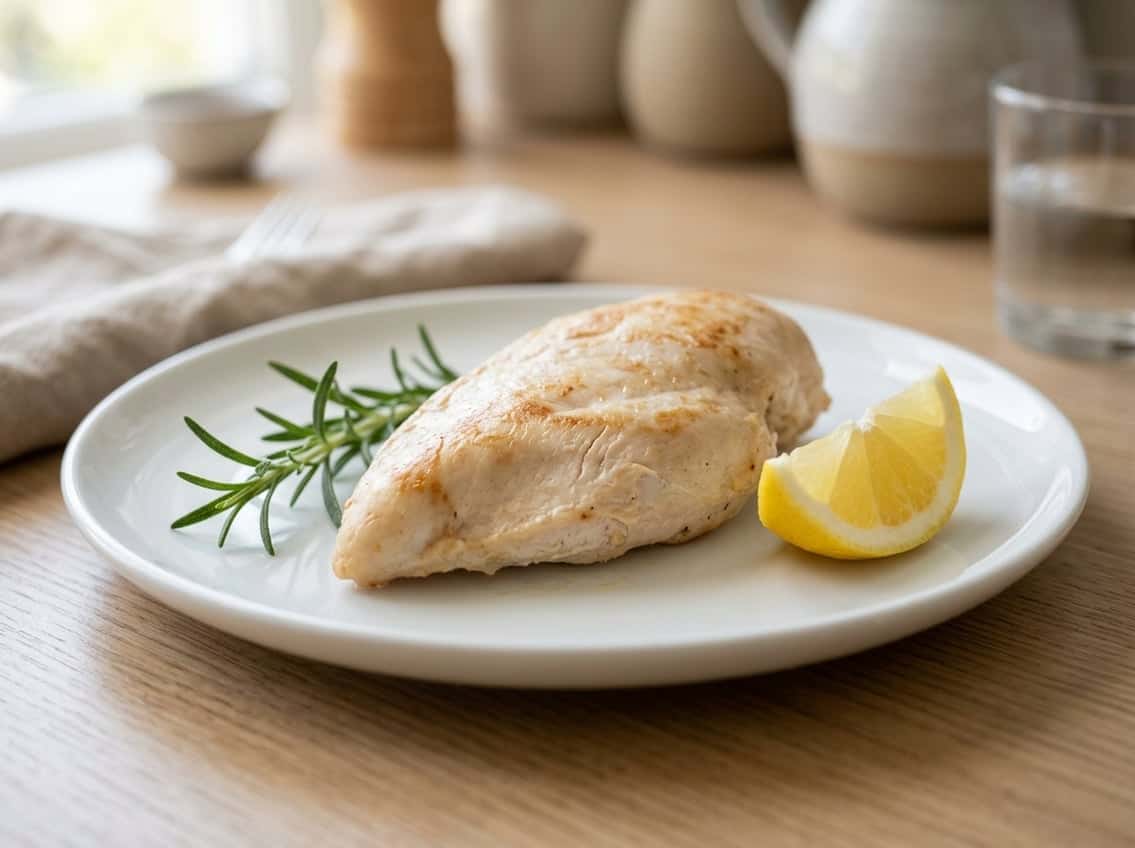
Bland chicken breast usually means the meat was underseasoned, overcooked, or both. Dry chicken breast often feels bland because moisture carries flavor, and dry meat loses that effect.
Fresh chicken, careful cooking, and safe handling all matter. Chicken needs to reach a safe temperature even when you want it juicy.
Overcooking and Moisture Loss
Chicken breast dries out fast because it is so lean. When the heat goes too far, the muscle fibers tighten and push moisture out, which weakens both texture and flavor.
To avoid this, use a thermometer and aim for 165°F in the thickest part. That helps you avoid overcooking while keeping food safety in place.
When Chicken Has a Better Natural Flavor
Chicken breast often tastes better when it is very fresh and cooked soon after purchase. A fresher cut usually has a cleaner smell and a more pleasant base flavor.
The natural taste also shows up more clearly when the meat is handled well before cooking. If you store the chicken correctly, avoid freezing and thawing too many times, and season it well, the flavor stays more balanced.
How to Keep It Tender and Pleasant
You can keep chicken breast tender by salting it ahead of time, cooking it at moderate heat, and resting it after cooking. Those small steps help preserve juices.
For best results, use a method that avoids overcooking and check temperature early. A moist piece of chicken breast will taste more flavorful than a dry one, even with simple seasoning.
Best Ways to Make It Taste Better
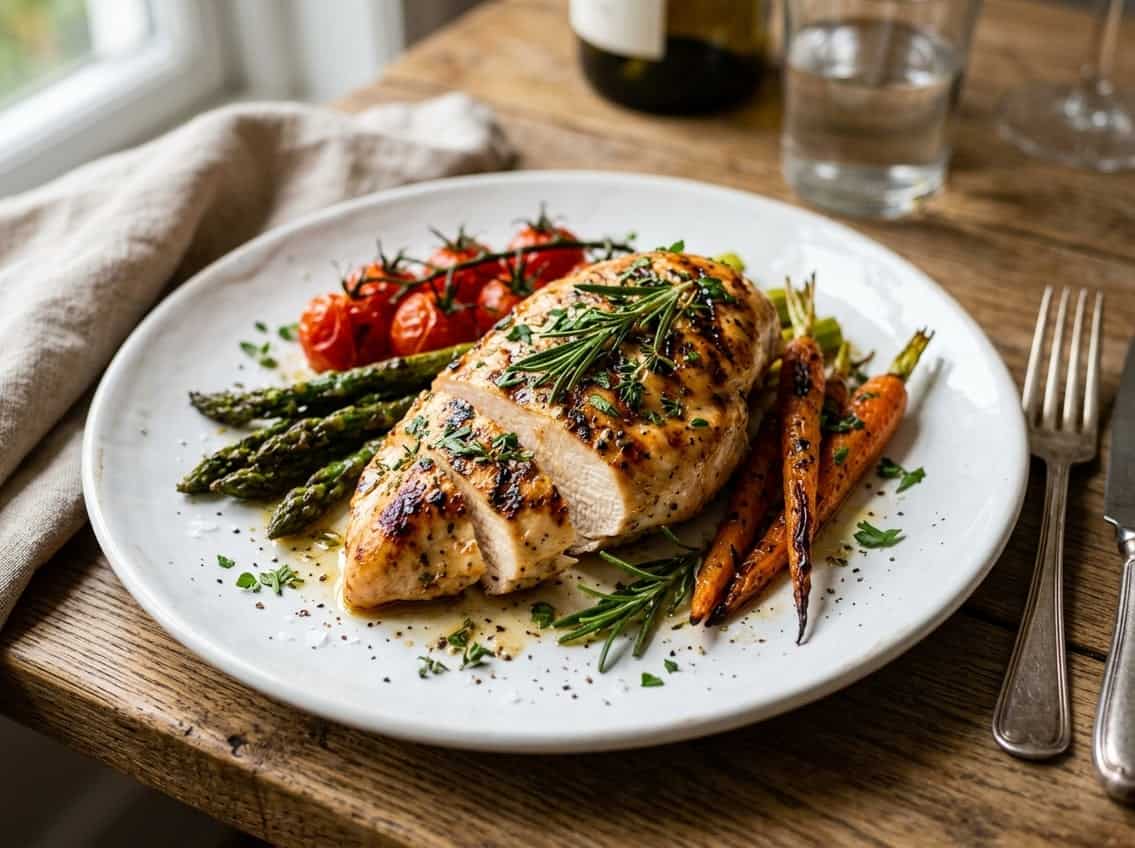
Chicken breast works best when you treat it like a blank canvas, not a finished flavor on its own. Salt, fat, acid, herbs, and browning all help build a better result.
Seasoning, marinades, and smart pairings bring out the mild chicken breast taste and make lean protein feel more satisfying.
Seasonings, Marinades, and Brines
Start with salt and black pepper, then add garlic, paprika, onion powder, thyme, rosemary, or lemon zest. A simple marinade with oil, acid, and herbs can improve both flavor and moisture.
Brining is useful when you want a juicier chicken breast, especially for baked chicken breast or grilled chicken. As noted in this chicken breast guide, brief marination or brining can help preserve tenderness.
Flavor Pairings That Work Well
Chicken breast pairs well with citrus, garlic, ginger, soy sauce, mustard, fresh herbs, and creamy sauces. These flavors work because the meat is mild and accepts added seasoning easily.
Good sides also help. Roasted vegetables, rice, potatoes, pasta, avocado, and olive oil all support the chicken flavor without overwhelming it.
Smart Uses for Everyday Meals and Meal Prep
Boneless chicken breast is one of the easiest proteins for meal prep. It reheats well when you cook it properly.
You can add it to salads, wraps, grain bowls, pasta, and sandwiches.
For meal prep, keep portions simple. Avoid overcooking during the first cook.
That way, you have juicier chicken breast later in the week. Your meals will taste fresher.


