
Can Chicken Breast Be Pink? What Color Really Means
You may wonder if chicken breast can be pink and still be safe to eat. Sometimes it can, as long as the chicken breast has reached a safe internal temperature.
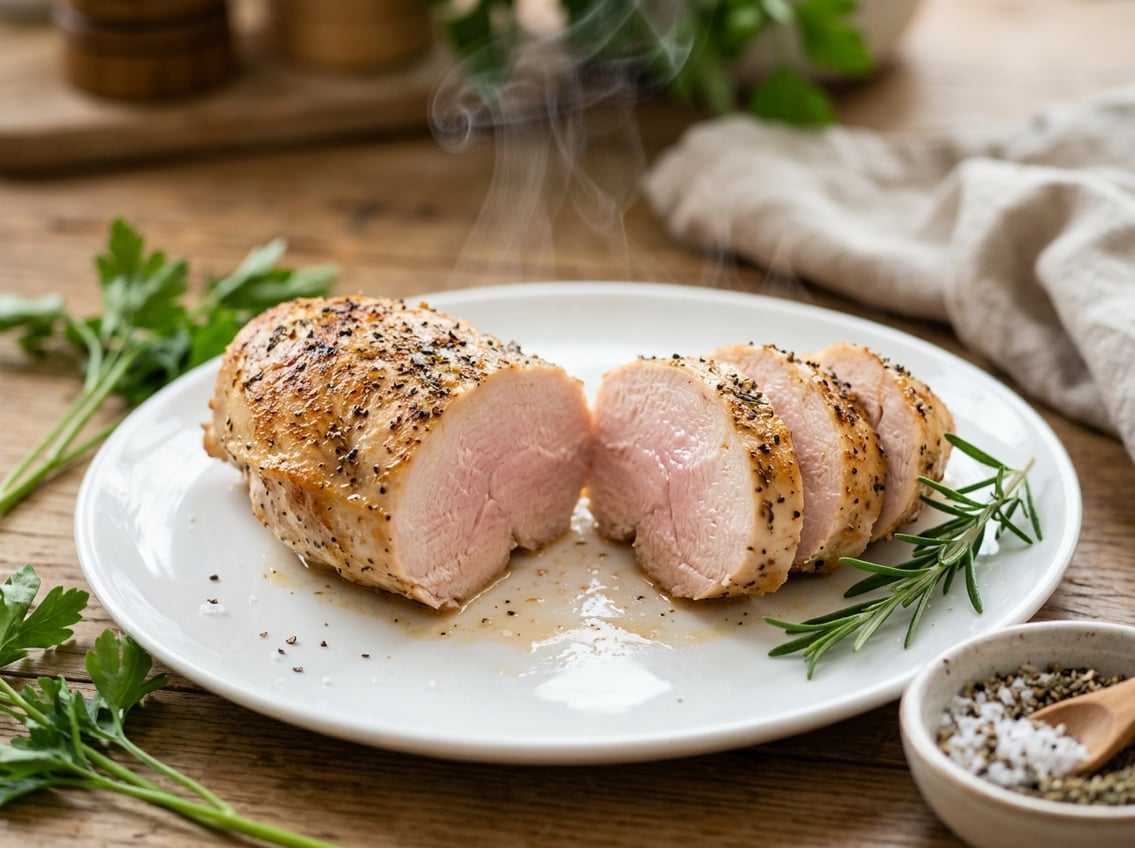
Color alone does not tell you whether chicken breast is done. You need a meat thermometer to know if it is safe.
A pink chicken breast can be fully cooked. A white-looking piece can still be undercooked.
The question is not just about color. It is about temperature, texture, and where the pink appears in the meat.
The Short Answer on Safety
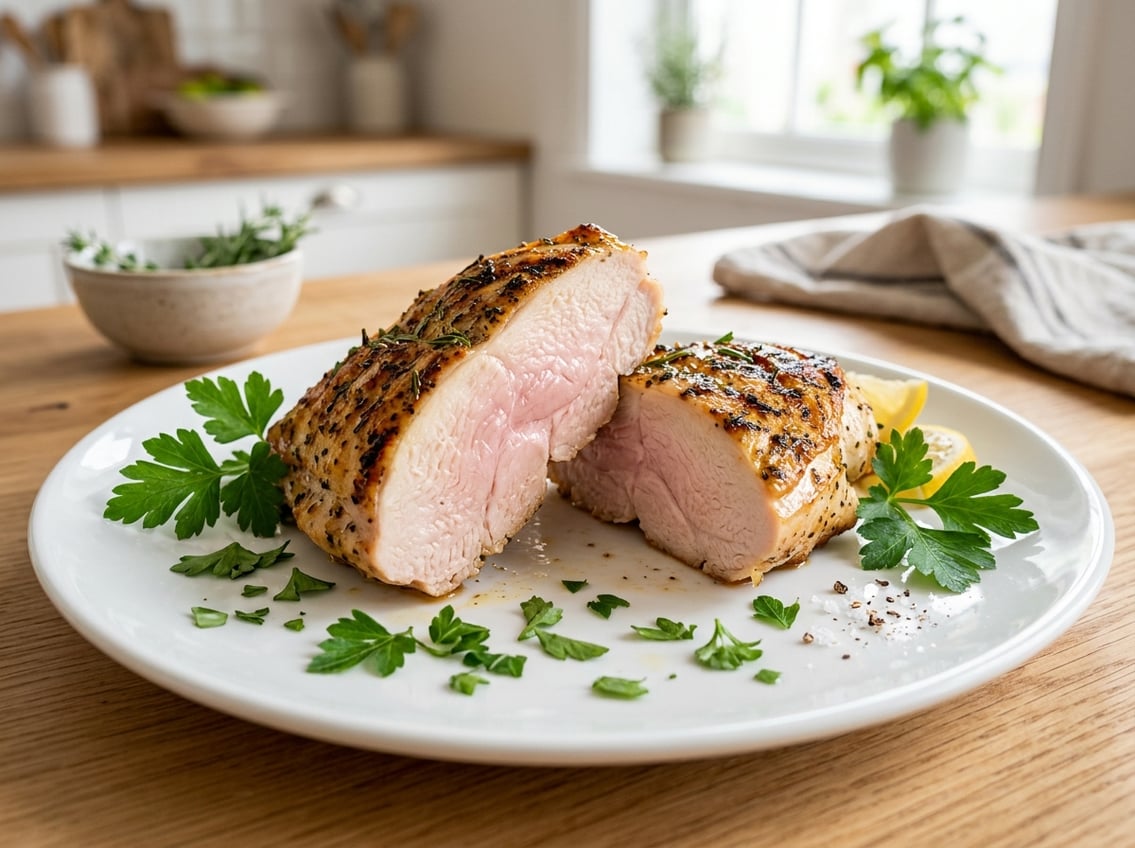
Pink chicken does not automatically mean danger. The key question is whether the thickest part of the meat reached 165°F, which is the safe minimum temperature for poultry.
Why Temperature Matters More Than Color
Heat kills harmful bacteria like campylobacter in chicken. A meat thermometer gives you a real safety check.
The USDA safe temperature rule is simple. It applies even if the chicken breast still looks a little pink.
When Pink Chicken Breast Can Still Be Safe
A pink chicken breast can still be safe when the thermometer reads 165°F at the thickest point. This can happen with bone-in pieces, smoked chicken, or chicken that has natural pigment differences.
A slight pink color near the bone does not always mean undercooked chicken. If the temperature is right and the juices are not bloody, the meat may still be fully safe to eat.
When Pink Means It Is Not Done Yet
Pink means danger when the center is still cool, soft, or below 165°F. In that case, the chicken breast is still undercooked and may contain bacteria that can make you sick.
If you cut into the meat and see a raw-looking, glossy center with pink juices, keep cooking it.
Why Cooked Meat Can Still Look Rosy
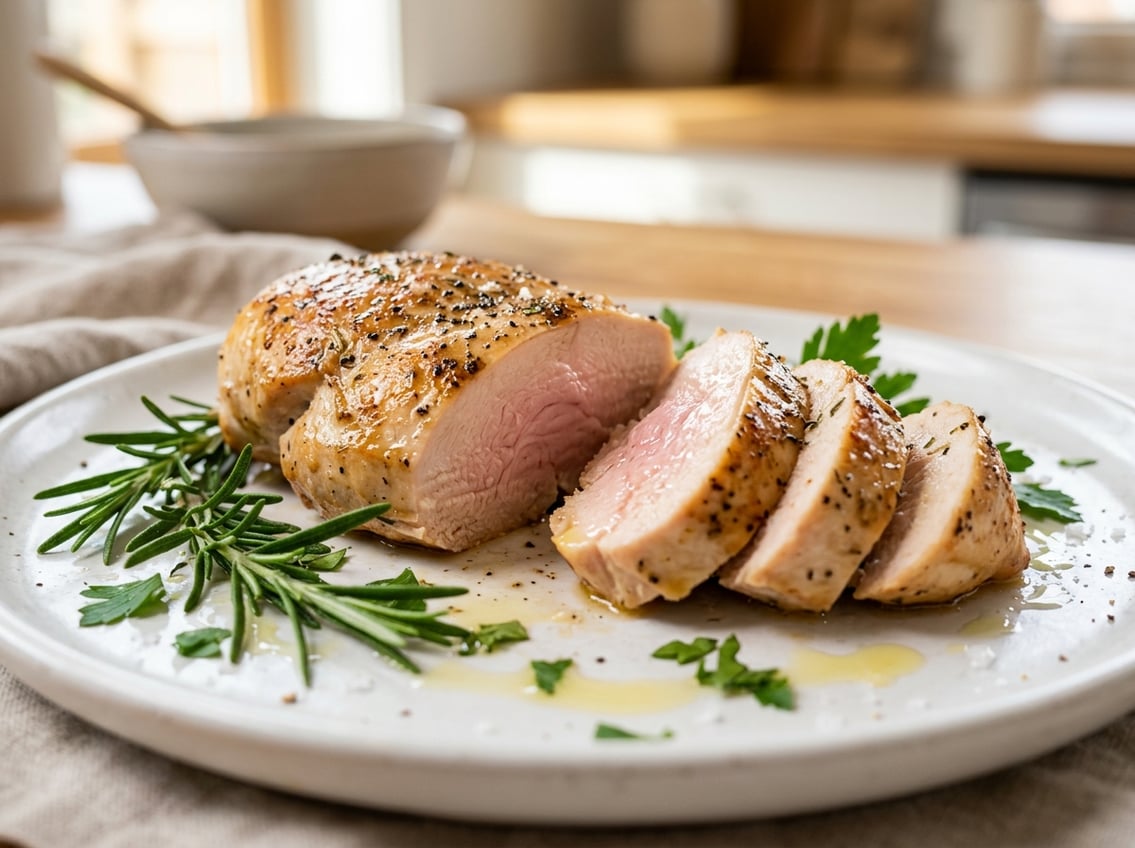
The color of cooked chicken can vary for several normal reasons. Pink near the bone, natural pigments in the meat, and the cooking method can all leave a rosy color even when the chicken is safe.
Pink Near the Bone and Bone Marrow Effects
You may notice pink near the bone in bone-in chicken breast even after full cooking. Bone marrow can leak color into nearby meat, which can tint the area around the bone.
That color does not always mean the middle is unsafe. The better check is still temperature, not appearance alone.
Myoglobin, Age, and Natural Pigment Differences
Myoglobin is a protein in meat that helps carry oxygen, and it can affect the color of cooked chicken. Some chicken breast can look slightly pink because of natural pigment differences or the age of the bird.
The science behind pink chicken breast notes that myoglobin can leave a pinkish tint even in properly cooked meat.
Smoking, Freezing, and Cooking Method Effects
Smoking can create a pink color that stays in the meat, even after safe cooking. Freezing and thawing can also change how the meat looks and how juices spread during cooking.
Slow cooking, brining, and some high-heat methods may also affect the final color of cooked chicken. A pink chicken breast is not automatically unsafe, especially when the temperature checks out.
How to Check Doneness Correctly
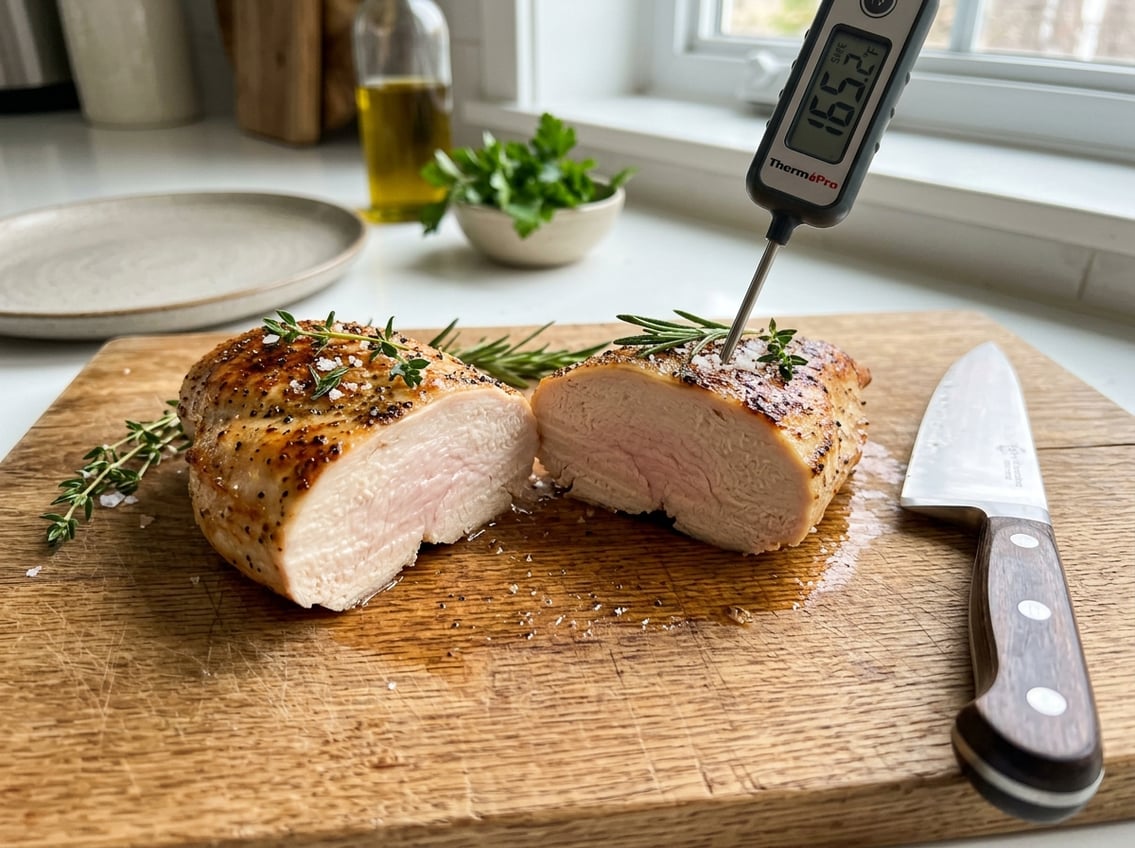
A meat thermometer is the most reliable way to know if chicken breast is done. Visual clues can help, yet they should support the temperature reading.
Where to Place a Meat Thermometer in Chicken Breast
Insert the meat thermometer into the thickest part of the chicken breast, away from bone and away from the pan. Bone can give you a false reading, and the pan can skew the result.
If the piece is uneven, check more than one spot. The coolest area is the one that matters most for safety.
Visual and Texture Clues That Support the Temperature Reading
Safe chicken breast usually feels firm, not squishy. The juices should look clear or only slightly tinted, and the meat should not feel wet or glossy in the center.
These clues are useful, yet they do not replace the thermometer.
Mistakes That Cause Unsafe Results
Many people cut into the meat too early and assume the color tells the whole story. Others cook by time only, since different breasts cook at different rates.
Some use a thermometer in the wrong place or remove the chicken too soon. The USDA recommends 165°F as the minimum safe internal temperature for poultry.
How to Handle and Cook Chicken More Safely
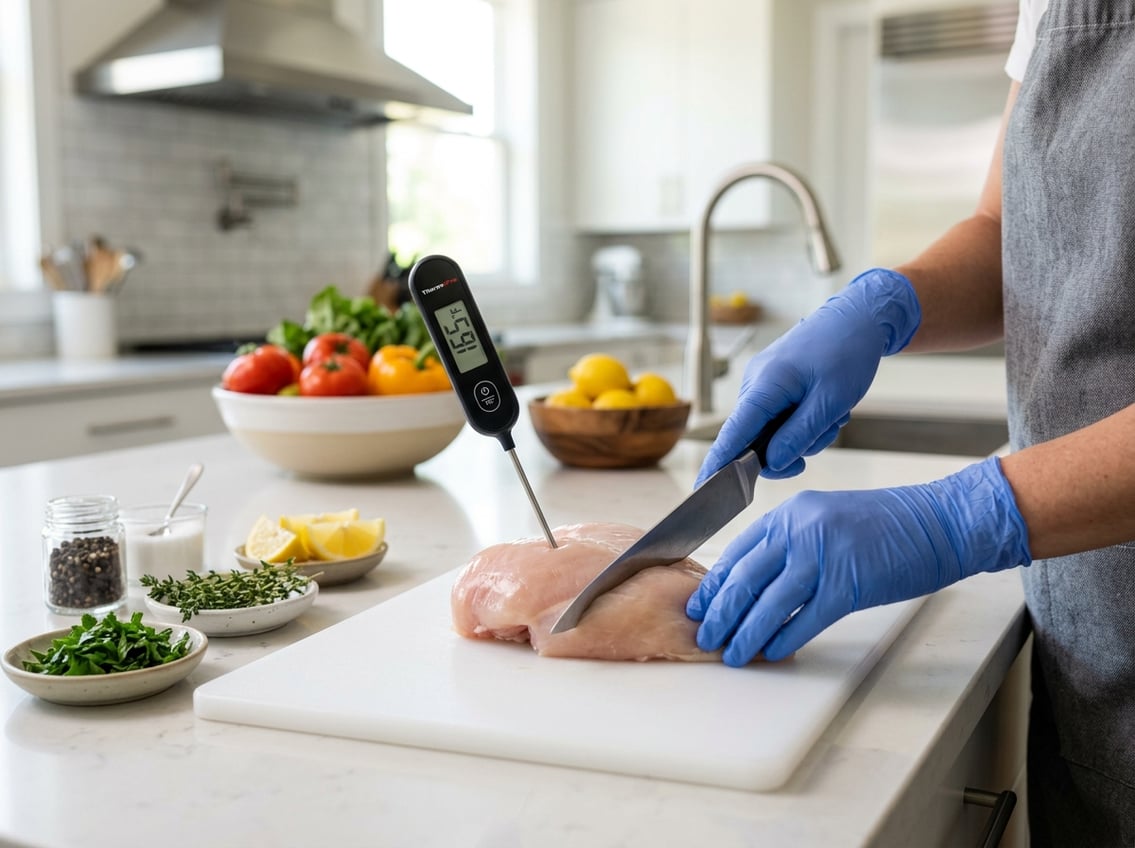
Safe cooking starts before the heat goes on. Clean handling helps lower the risk of campylobacter and other germs that often live on raw poultry.
Avoiding Cross-Contamination in the Kitchen
Keep raw chicken separate from ready-to-eat food. Use a clean cutting board, wash your hands after touching raw meat, and sanitize knives, counters, and plates right away.
Do not rinse chicken in the sink, since that can spread bacteria around your kitchen. If raw juices touch other food or tools, treat them as contaminated and clean them well.
Cooking Bone-In Versus Boneless Pieces
Bone-in chicken breast often takes longer and may show pink near the bone even when safe. Boneless pieces cook more evenly, yet they can still be underdone in the center if they are thick.
Use the thermometer on both types. The goal is the same, 165°F at the thickest part.
What to Do If You Cut Into a Pink Center
If you cut into a pink center and the temperature is below 165°F, return the chicken to the heat. Cook it until the thermometer shows the safe minimum in the thickest spot.
If the meat is pink near the bone but the center is hot enough, you can still eat it. Do not eat the chicken if it smells off, feels slimy, or has been left out too long.


