
Chicken Breast or Tenderloin: How to Choose
Chicken breast or tenderloin is a choice you make based on size, texture, and how fast you need dinner on the table. Both are lean white meat and work well in many weeknight dinners.
The best pick depends on how you plan to cook it. Chicken breast gives you a larger, sturdier cut, while chicken tenderloin cooks faster and needs less prep.
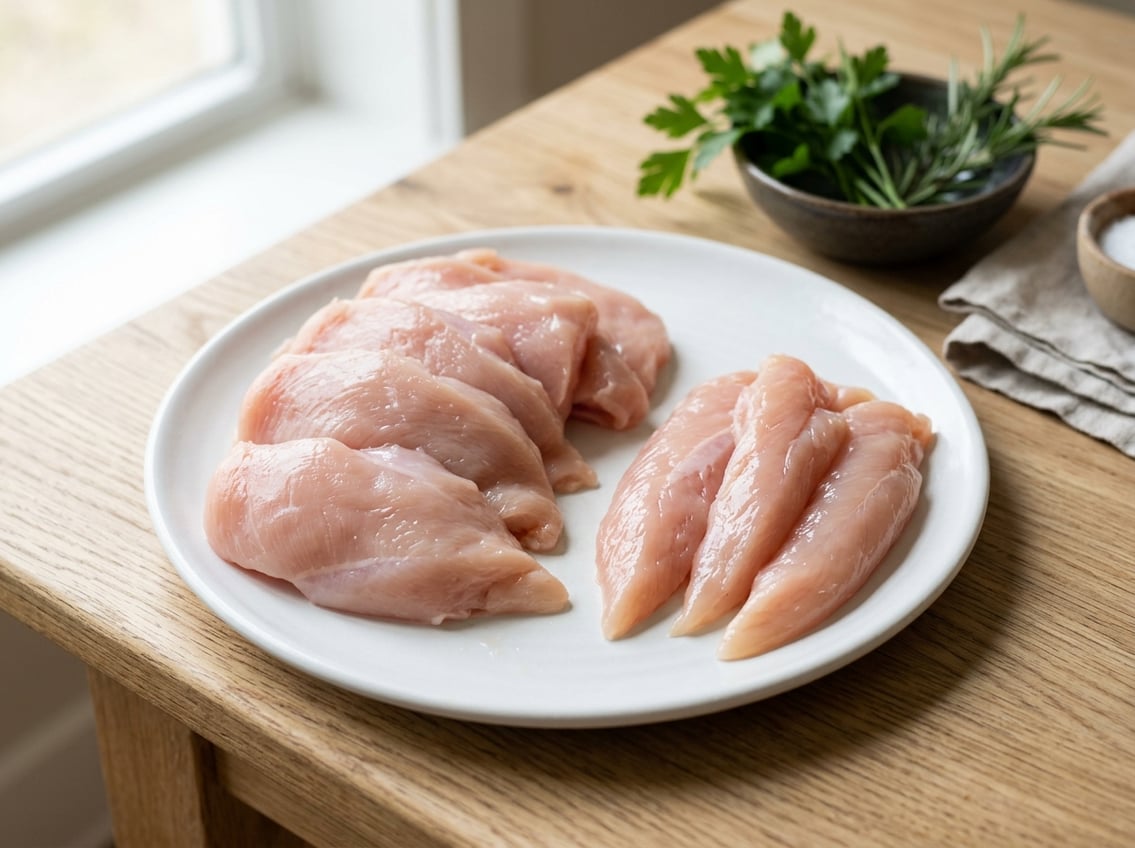
Chicken breast is the more common supermarket staple. Chicken tenderloin is the smaller strip that sits under the breast.
You can use them in similar ways, but they do not behave the same in the pan, oven, or grill. If you choose the right cut for the job, you get better texture and less chance of dry chicken.
That matters whether you are making a quick stir-fry, a breaded dinner, or a simple family meal.
What Sets These Two Cuts Apart
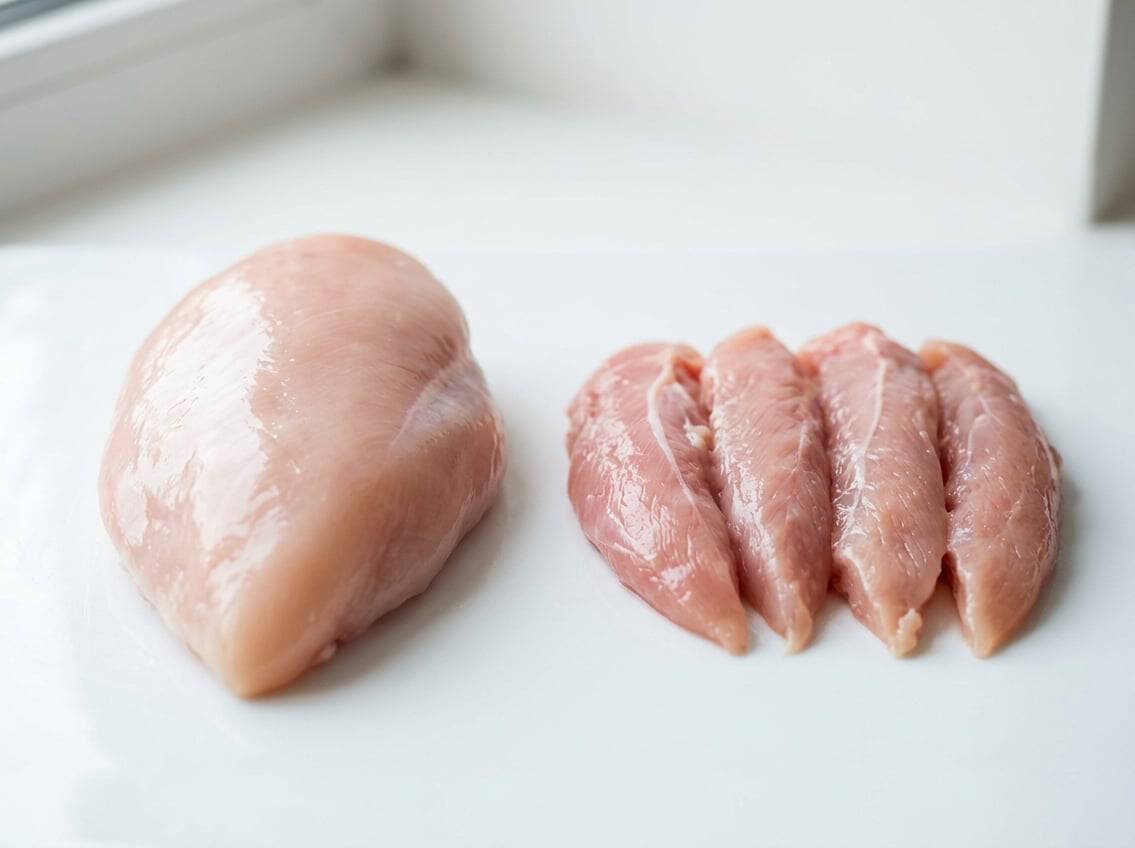
Chicken breast and chicken tenderloin are both white meat and lean. They often show up in the same recipes.
According to Martha Stewart’s chicken tenderloin vs. chicken breast guide, the differences come down to where each cut is located, how it looks, and how it cooks.
Where Each Cut Comes From
The pectoralis major, the large muscle on the underside of the chicken, provides the chicken breast. Each bird has one breast section that is often split into two pieces.
Chicken tenderloin is a thin strip that sits beneath the breast and is attached by a white tendon. Stores sometimes sell it as chicken tenders or chicken tenderloins.
Size, Shape, and Texture Differences
Chicken breast is larger, thicker, and more uniform. It gives you more meat per piece, which makes it useful for slicing, stuffing, or serving whole.
Chicken tenderloin is smaller, narrow, and more delicate. Its shape makes it easier to cook quickly and to use in strips.
Flavor, Tenderness, and the Tendon
Chicken tenderloin tastes very similar to chicken breast. Tenderloin can seem a little more tender, but you should remove the white tendon first for the best texture, as noted by Martha Stewart.
That tendon is the main difference you notice when you cook the cut. If you leave it on, the bite can feel less smooth.
Nutrition, Cost, and Availability
Both cuts are lean and high in protein. The nutrition gap is small enough that cooking method matters more than the cut.
Chicken breast is usually easier to find and often costs less per package. Tenderloins may cost more because each chicken only has two of them, and some stores do not stock them separately.
When to Use Each Cut in Cooking
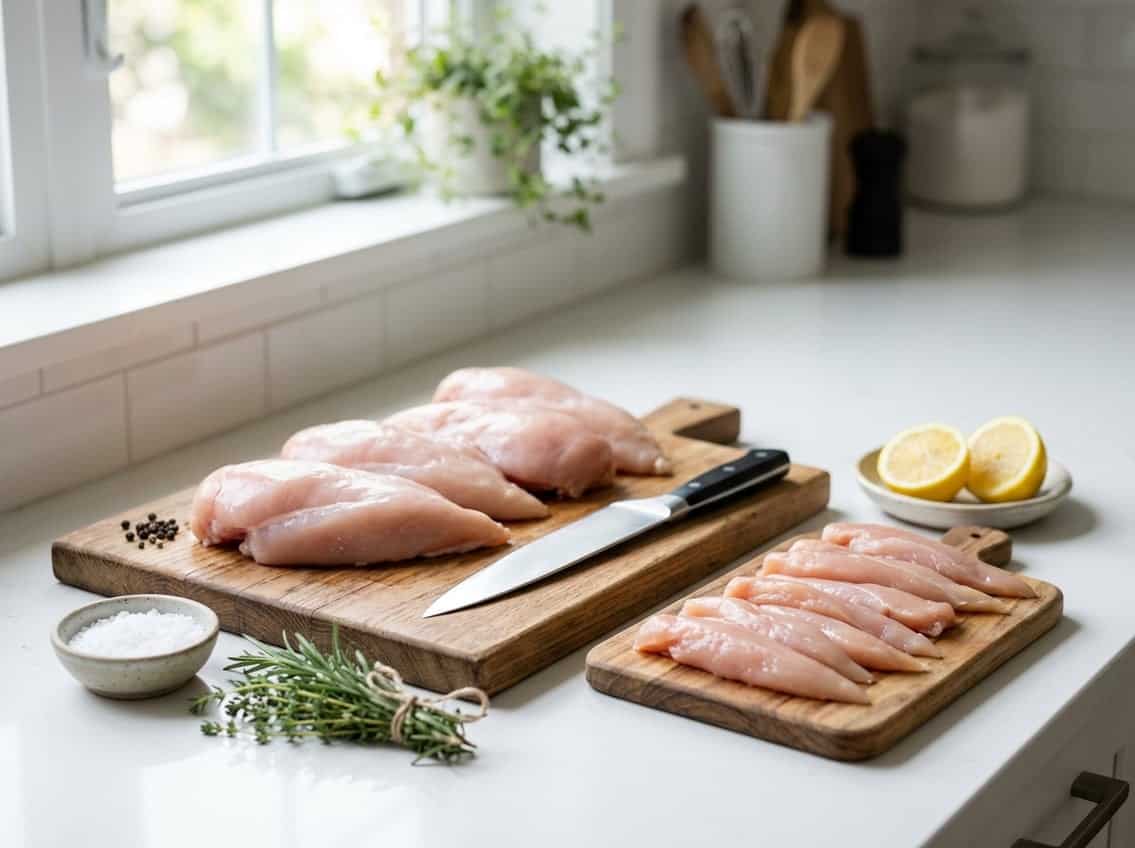
Your cooking method should guide your choice. Chicken tenderloin is fast and convenient, while chicken breast gives you more room for thicker cooking methods and larger portions.
Best Uses for Fast Cooking
Use chicken tenderloin when you want to cook it quickly in a skillet, air fryer, or fryer. It works well for breaded chicken tenders, crispy chicken tenders, and simple chicken strips.
Tenderloins are also a strong choice for chicken tenders or chicken strips when you want less slicing and trimming. Their shape is already close to what many recipes need.
Best Uses for Baking, Roasting, and Grilling
Chicken breast is often the safer choice for baking, roasting, and grilling because its thicker shape resists drying out better. Martha Stewart notes that breasts are especially useful for roasting and grilling.
Baked chicken tenderloins still work well, especially when you want a fast dinner. Air fryer chicken tenders also come out well because the cut cooks quickly and stays tender.
When They Can Be Swapped
You can swap chicken tenderloins for breasts in many quick-cook recipes, especially stir-fries, salads, and soups. If you only have breasts, slice them into strips to replace chicken tenderloins.
For fried chicken strips or breaded chicken tenders, tenderloins save time. For a full grilled portion, chicken breast usually works better.
How to Cook Chicken Tenderloin Without Drying It Out
Keep cooking time short and use medium heat when possible. Remove the white tendon, season the meat well, and stop cooking as soon as the center is done.
A quick marinade, breading, or sauce also helps. The goal is to keep the cut moist while preserving its mild flavor.
Recipe Ideas by Meal Style
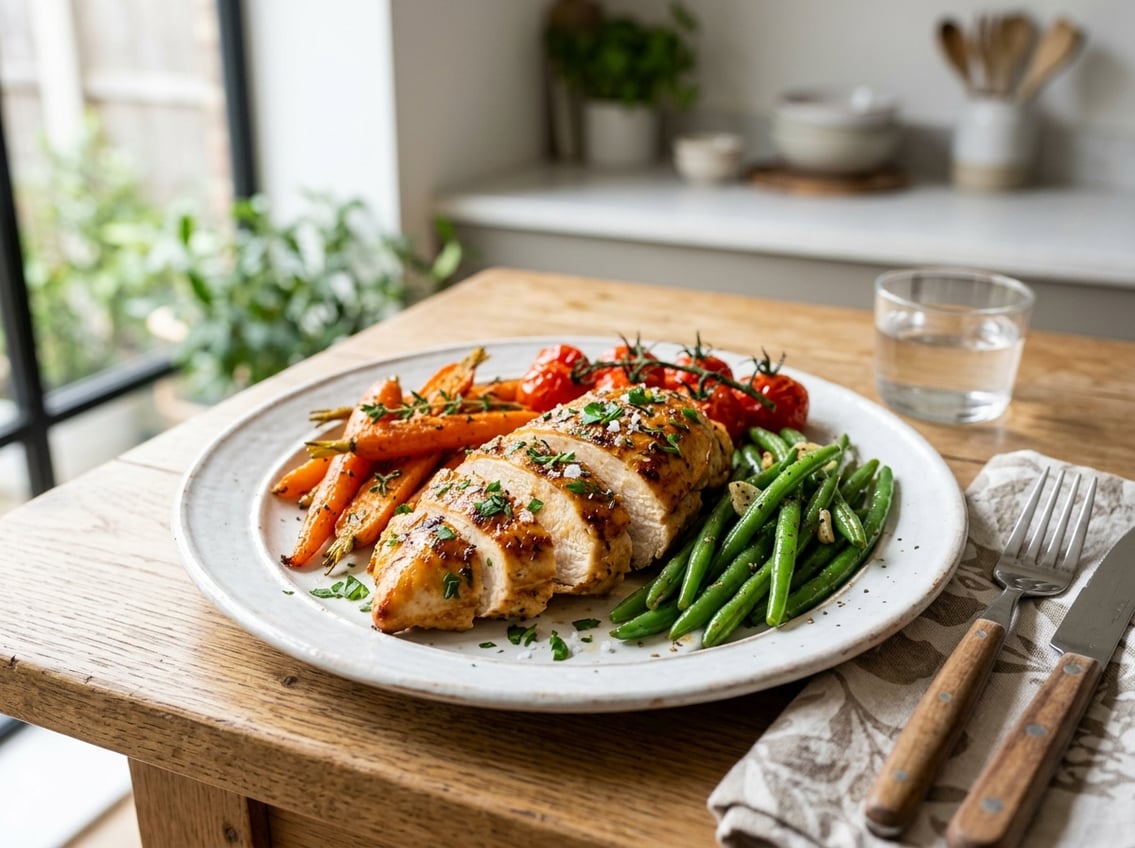
Chicken tenderloin recipes work well when you want fast, flexible meals. Chicken breast recipes are better when you want a larger cut that can handle slicing, stuffing, or longer cooking.
Crispy and Breaded Favorites
For crunch, try a classic chicken tenders recipe, breaded chicken tenders, or crispy chicken tenders with a simple dipping sauce. Both cuts fit well here.
You can also make fried chicken strips for a more filling meal. The smaller cut keeps the shape neat and cooks evenly.
Saucy and Spicy Dinner Ideas
Chicken tenderloin recipes adapt well to bold sauces. Try buffalo chicken tenders with buffalo sauce, bbq chicken tenders, honey mustard chicken, sriracha chicken, or Nashville hot chicken.
For a simple savory version, soy sauce and balsamic vinegar both work well in quick marinades or pan sauces. These flavors coat the meat without overpowering it.
Lighter Bowls, Pasta, and Salad Options
Chicken breast recipes and easy chicken tenderloin recipes both fit lighter meals. You can slice the cooked chicken over brown rice, add it to a chicken Cobb salad, or serve it in a simple bowl meal.
Chicken scampi and Olive Garden chicken scampi style dishes also work well with tenderloins because they cook fast and stay tender. For a Tex-Mex twist, use them in tex-mex chicken strips.
Best Picks for Quick Family Meals
For weeknight dinners, pick the cut that fits your schedule and your shopping list.
Tenderloins cook quickly, so you can bread, pan cook, or air fry them fast.
Breasts offer flexibility when you need larger portions.
For a meal similar to restaurant style, try chicken scampi, buffalo chicken, or simple bbq chicken tenders.
Keep both chicken breast recipes and chicken tenderloin recipes in your rotation for meals that work with almost any side.


