
AM Halal Chicken Breast Buying and Quality Guide
AM halal chicken breast usually refers to halal-certified chicken breast sold under the AM Halal brand or a similar store label. The key thing to check is whether the product matches your cooking needs and halal requirements.
In the US market, you should look at cut type, certification, inspection, packaging, and how the meat is stored and shipped.
Focus on three things: halal certification, USDA inspection when applicable, and packaging that stays sealed and cold until you receive it. This approach helps you choose chicken breast that works for everyday meals.
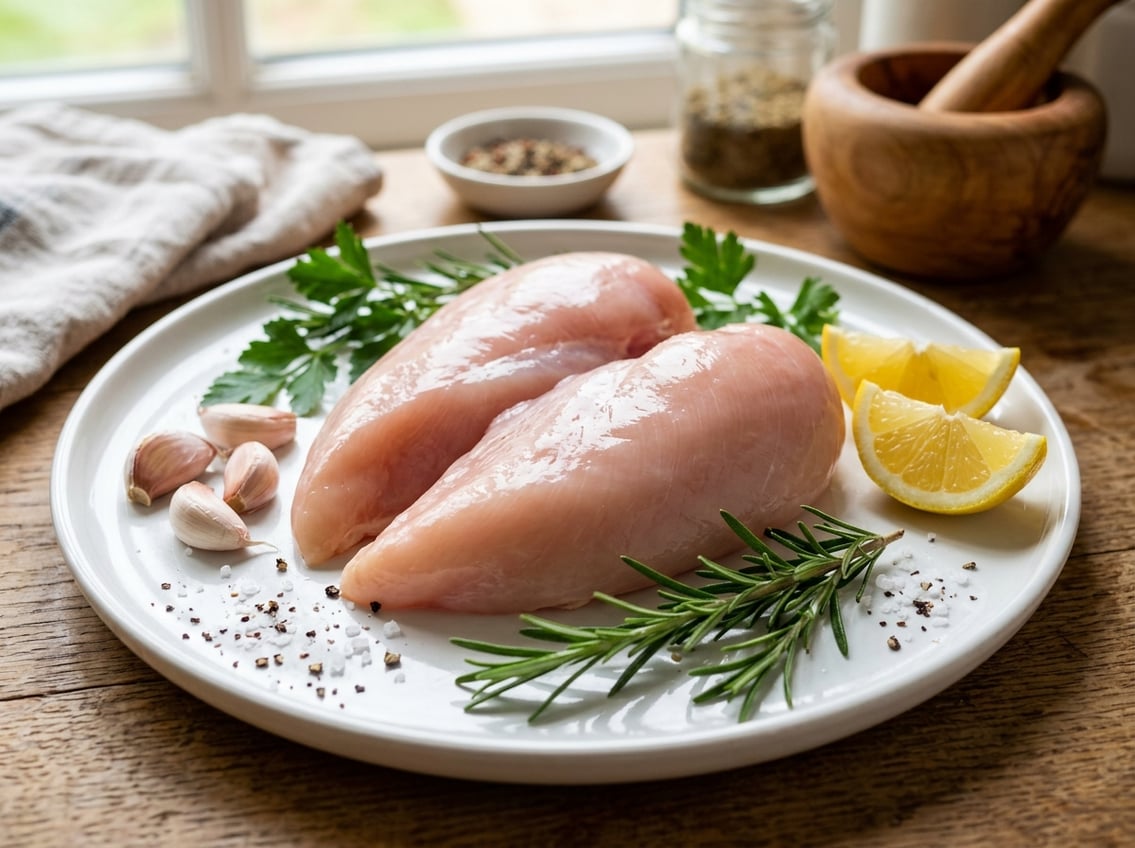
What to Know Before Buying
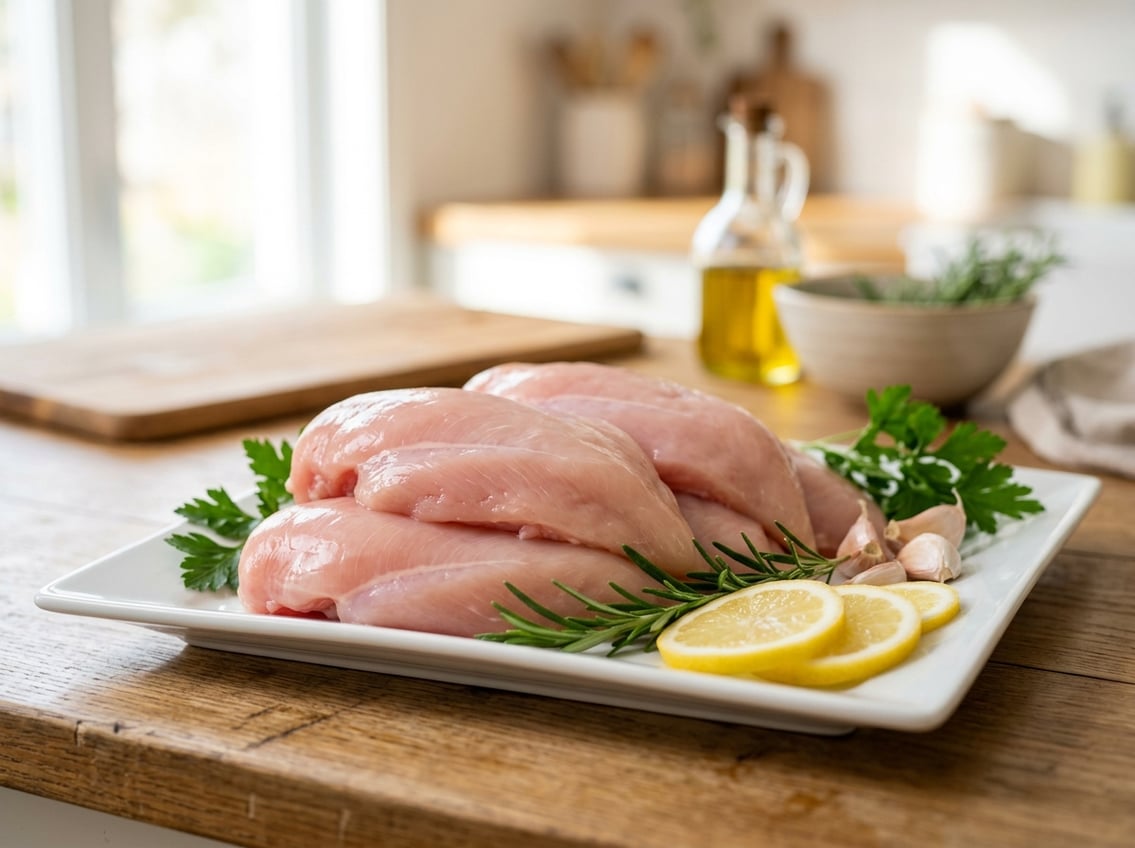
Before you buy AM halal chicken breast, check what the label really tells you. The cut, processing, and storage method matter as much as the halal claim.
Halal chicken depends on how the bird was processed, handled, and kept separate from non-halal items, as explained in this halal chicken guide.
What AM Halal Chicken Breast Usually Includes
You will usually find chicken breast sold as boneless, skinless pieces, split breast, or family packs. Some products are plain and ready for seasoning, while others come in larger freezer-safe packs for meal prep.
A boneless, skinless cut is the easiest choice for fast cooking. Products like halal chicken breasts in boneless, skinless packs are common because they fit grilling, baking, roasting, and pan cooking.
How Boneless Skinless Cuts Compare for Everyday Cooking
Boneless, skinless chicken breast is the most flexible option for weeknight meals. You can slice it for stir-fries, pound it for cutlets, cube it for bowls, or cook it whole for salads and sandwiches.
Split chicken breast gives you more bone-in flavor and can stay juicy during roasting. Boneless cuts are easier to portion and faster to cook.
Fresh vs Frozen Options and What That Means
Fresh chicken breast gives you immediate use and a shorter storage window. Frozen chicken breast gives you more flexibility, less waste, and easier bulk buying.
If handled correctly before freezing, frozen halal chicken can still be a good choice. A warehouse listing from Costco’s halal chicken variety pack notes that it may arrive slightly thawed, so you need to refrigerate or freeze it right away.
How to Check Halal and Quality Standards
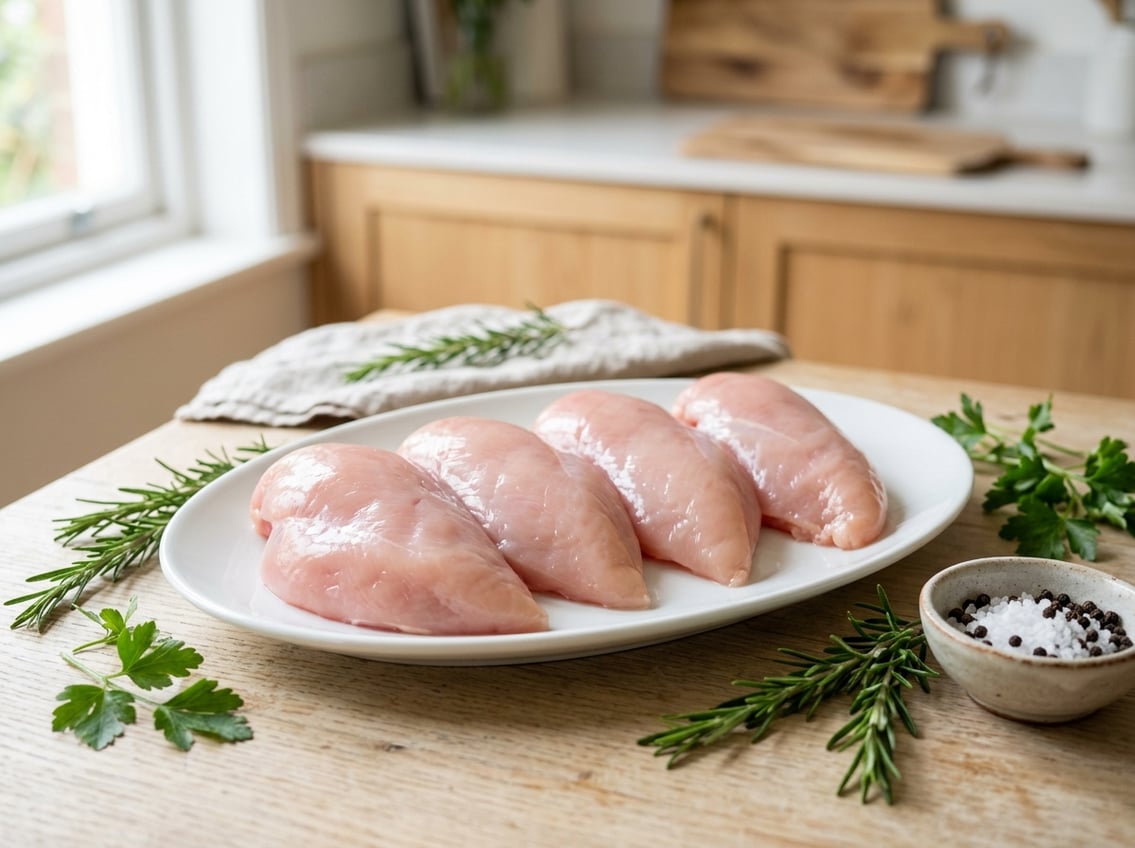
A halal label is only useful when you know what it covers. Check certification, inspection status, and signs that the product was packed and sealed well.
That helps you avoid products that look similar on the shelf but are handled differently.
What Certified Halal Means in Practice
Certified halal means the chicken was raised, slaughtered, and processed under a recognized halal standard. This usually includes proper slaughter method, clean handling, and separation from haram ingredients or equipment.
Some guides suggest checking for a trusted certificate or label before buying, as noted by halal identification guidance. If the package does not make the standard clear, ask the store for proof.
Why USDA Inspected Matters
In the US, USDA inspection adds another layer of oversight for meat safety and processing. It does not replace halal certification and does not prove religious compliance by itself.
USDA inspection helps you know the product passed federal inspection rules for handling and safety. When you see both certified halal and USDA inspected, you have a stronger signal of quality control.
Other Quality Signals Like Antibiotic-Free and Packaging Integrity
Labels like antibiotic-free can be useful if you want simpler sourcing and fewer additives in your food choices. You should treat that as a separate claim from halal status.
Look for sealed trays, no torn film, no excess liquid leakage, and clear sell-by or freeze-by dates. Products sold as antibiotics-free halal chicken breast show how shoppers often compare health-related labels along with halal status.
Ordering, Delivery, and Availability
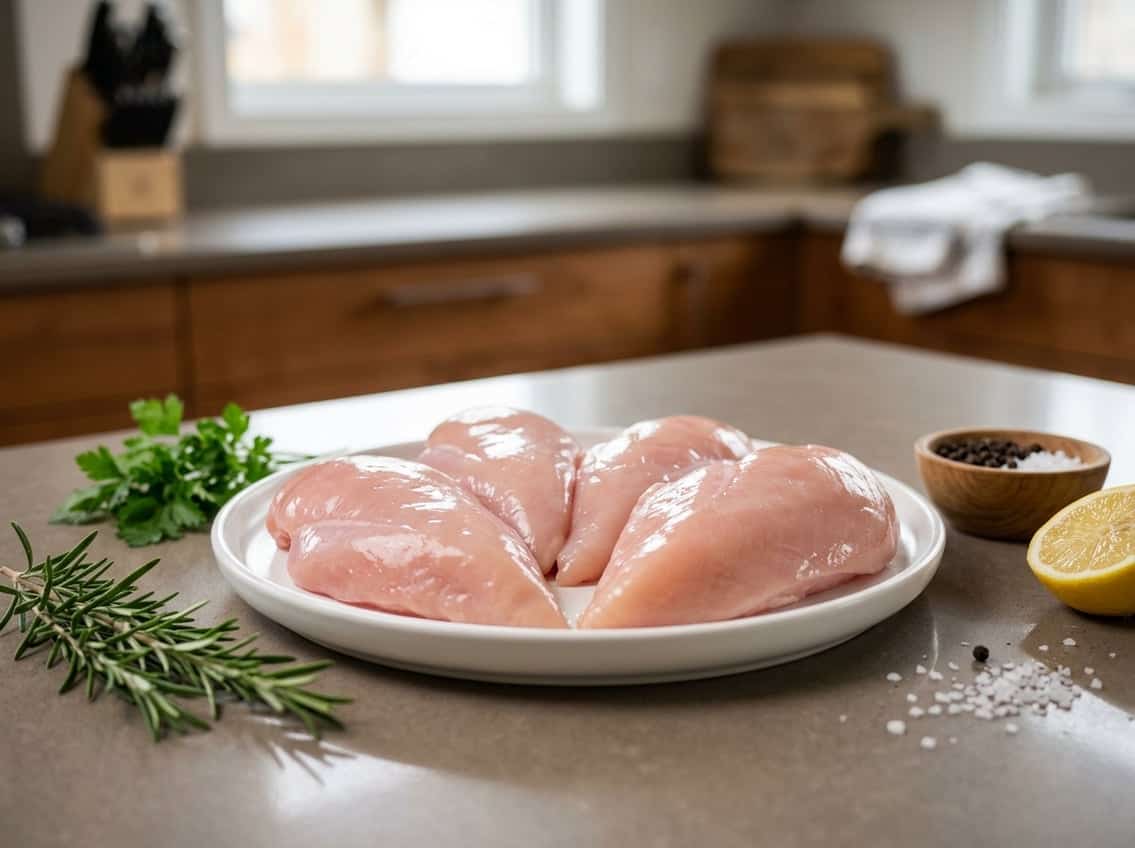
You can buy halal chicken breast in stores, online, or through grocery apps. Your best choice depends on how fast you need it, how much you want to buy, and whether you want pickup or home delivery.
Availability can vary by ZIP code and store. This is common with local halal grocers and delivery services, especially for fresh meat.
Where to Buy Online, In-Store, or Through Grocery Apps
Online stores can give you wider selection and home delivery. For example, Weee! lists halal chicken breasts with free delivery options, while Instacart shows boneless, skinless halal chicken breasts for delivery or pickup.
In-store shopping lets you check packaging, dates, and labeling directly. Grocery apps are useful when you want convenience and local availability at the same time.
How to Place an Order With Fewer Mistakes
Before you place an order, check the exact cut, weight, and pack count. A product listed as split breast is not the same as boneless breast, and a family pack may cost less per pound than small trays.
Read the product title carefully, then open the item page for halal certification details. If you need a specific cut, choose a listing with a clear photo and full label text so you avoid a mismatch.
What to Expect From Shipping, Pickup, and Storage on Arrival
For shipped meat, expect insulated packaging, cold packs, and fast transit. As noted in One Stop Halal’s chicken listing, some halal chicken can arrive in 1 to 2 days, which helps protect freshness.
When your order arrives, refrigerate fresh meat right away and freeze it if you will not cook it soon. If the package feels warm, leaks, or appears open, contact the seller before using it.
Best Uses and Smart Buying Tips
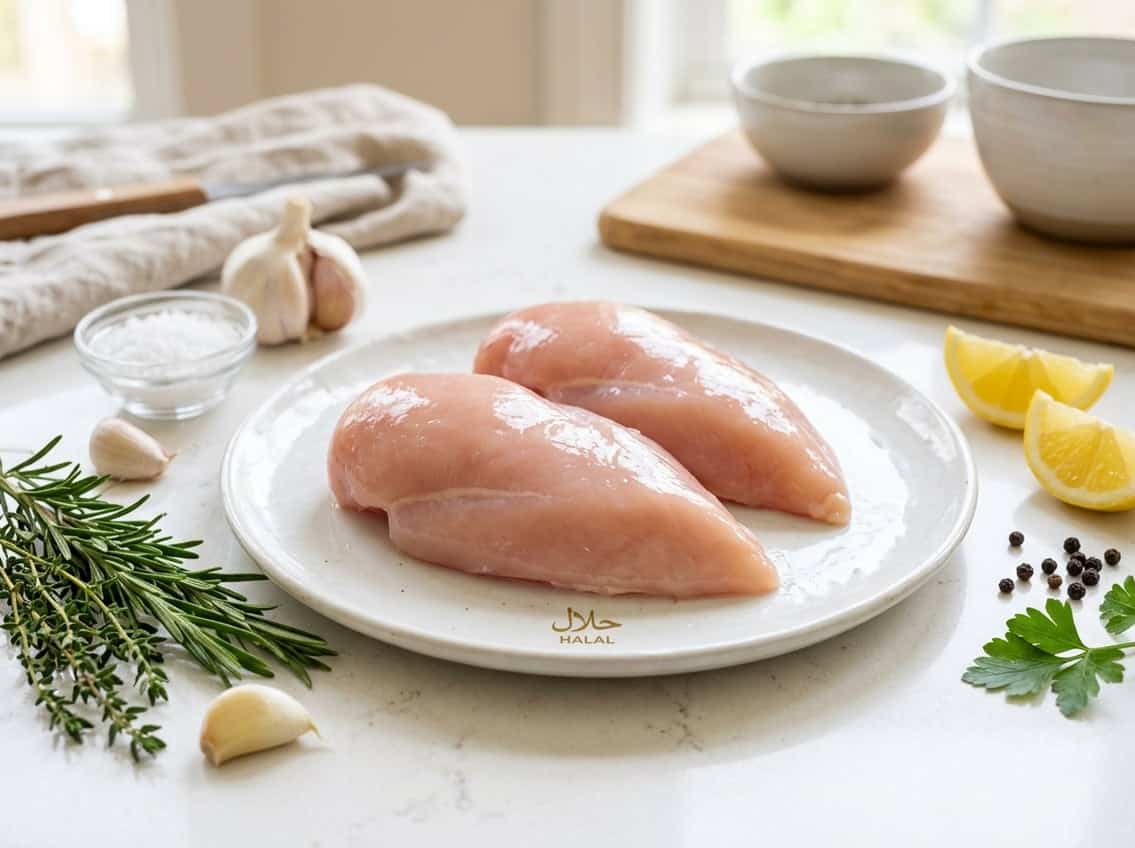
Chicken breast works well in many simple meals. Your buying choice should match how you plan to cook.
Portion size, price per pound, and storage life all affect value. If you cook often, a larger pack may save money.
If you cook for one or two people, smaller packs can reduce waste.
Meal Ideas for Weeknight Cooking
Chicken breast works well for baking, grilling, roasting, stir-frying, and air frying. It also fits salads, rice bowls, wraps, and pasta dishes.
For a basic halal meal, try lemon garlic chicken breast with rice and vegetables. You can also season it for a New York-style plate meal, similar to the flavor profile in halal cart-style chicken and rice recipes.
How to Compare Pack Size, Price, and Portion Value
Compare the price per pound, not just the shelf price. A larger family pack may look expensive, yet it can cost less per serving than smaller trays.
Think about your storage space too. A bulk pack only saves money if you can freeze it safely and use it before quality drops.
When a Newsletter or Store Updates Can Be Useful
A store newsletter helps you track restocks and local sales. You can also stay informed about delivery changes.
These updates notify you about limited-time discounts and seasonal packs. If you buy the same cut often, alerts help you avoid paying full price when a better offer is available.


