
Why Chicken Breast Dry: Causes and Fixes
Why chicken breast dry is a question that usually has a simple answer. It is a lean cut that loses moisture fast when heat, timing, or size are off.
If you want a moist chicken breast, you need to control temperature, even thickness, and resting time.
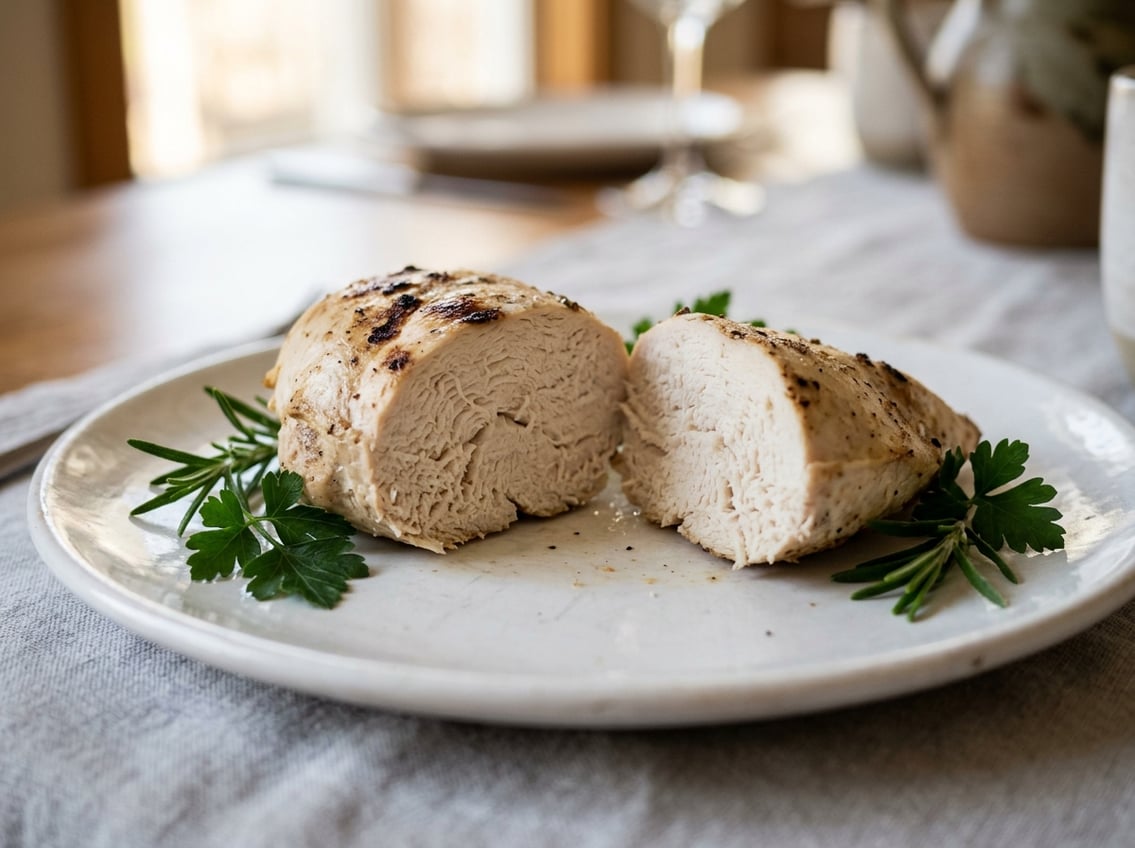
The problem is less about seasoning and more about how the meat cooks. Breasts need gentler heat than thighs because they behave differently in the pan or oven.
What Makes Chicken Breast Lose Moisture
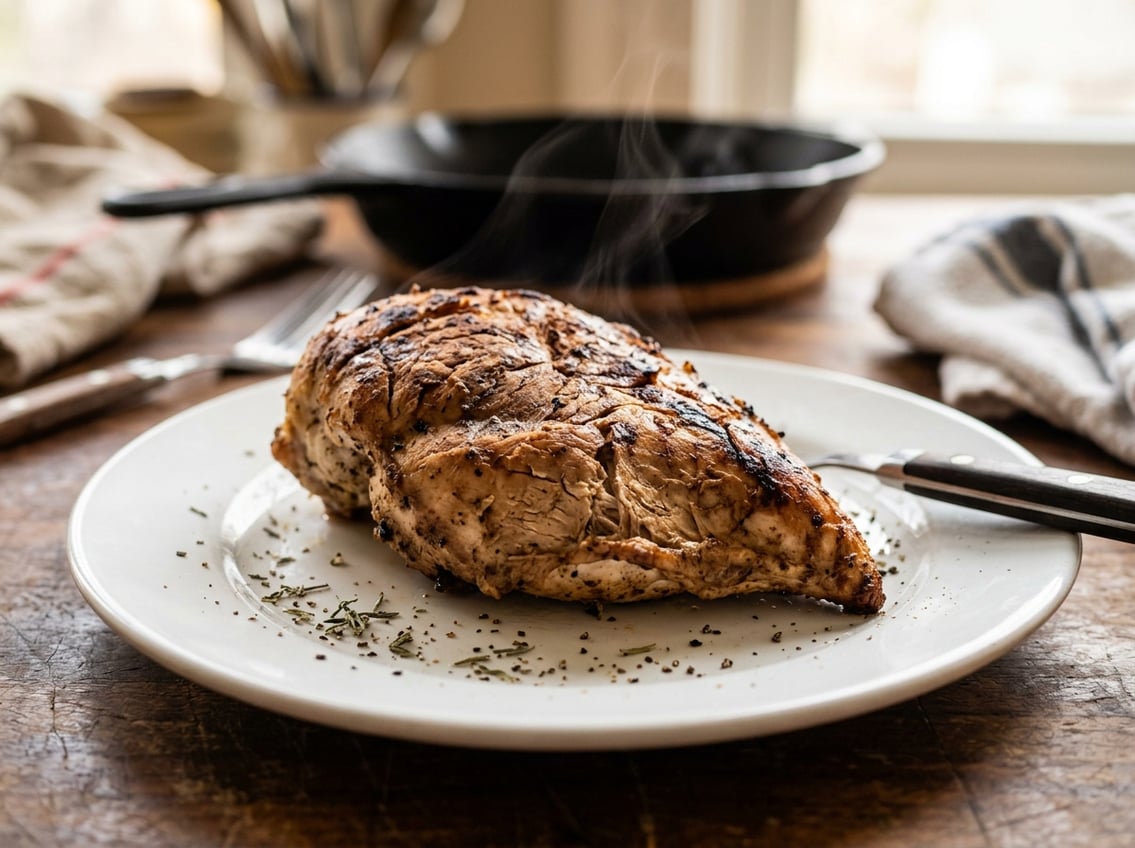
Chicken breast dries out for a few clear reasons, and most of them start with the meat itself. It has less fat, fewer connective tissues, and a structure that tightens quickly once heat rises.
That makes a moist chicken breast possible, but less forgiving than richer cuts.
Low Fat and Lean Muscle Structure
Chicken breast is mostly lean muscle, so it does not have much internal fat to protect it during cooking. Fat helps carry flavor and gives the meat more room before it feels dry.
That is why chicken breast can go from juicy to dry in a short window. Once the moisture leaves, the texture turns firm and chalky fast.
How Heat Tightens Proteins and Pushes Out Juices
As heat rises, the proteins in chicken breast contract. That squeeze pushes juices out of the meat and into the pan or oven tray.
If the heat is too strong or the cooking time runs too long, the moisture loss becomes more severe.
Why Breasts Dry Out Faster Than Thighs
Thighs have more fat and connective tissue, which helps them stay tender at higher heat. Breasts are thinner, leaner, and more exposed to overcooking.
That difference explains why one pan can give you a juicy thigh and a dry chicken breast at the same time.
The Biggest Cooking Mistakes Behind Tough Results
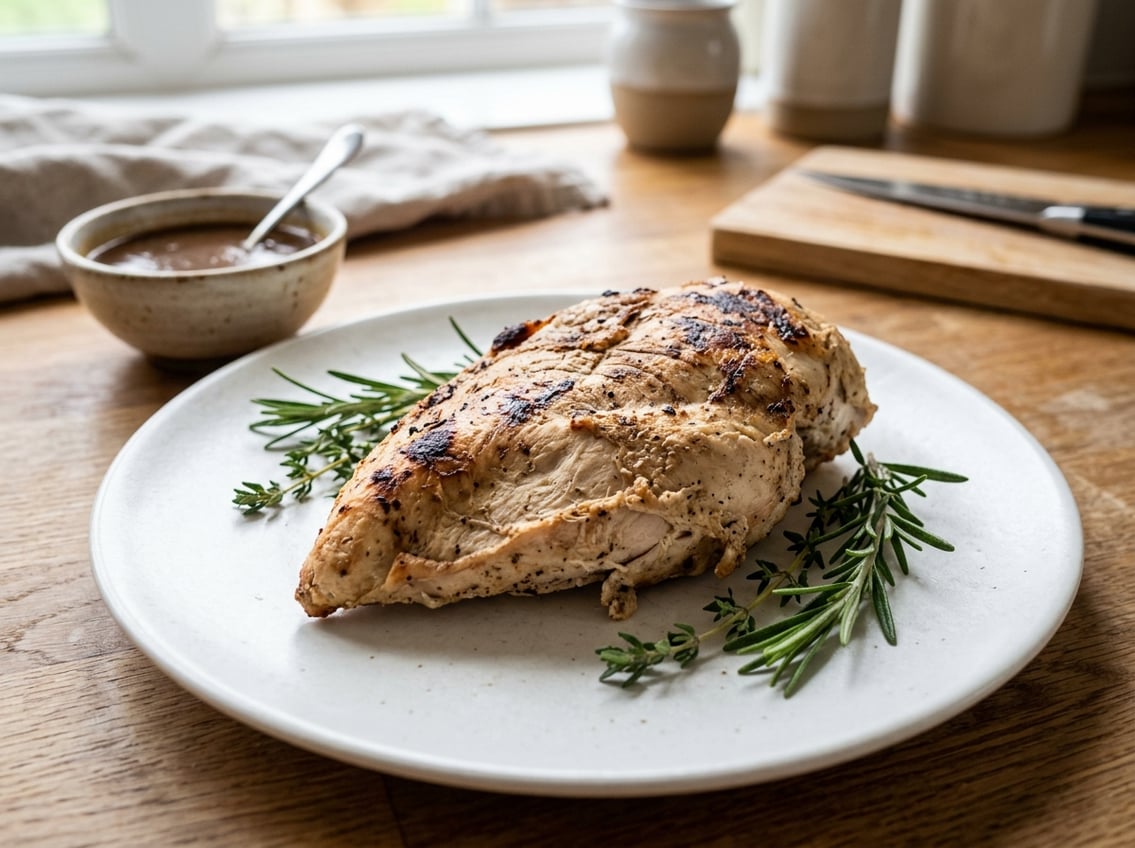
Most dry chicken breast problems come from a few repeat mistakes. Each one has a direct fix, and those fixes make a tender chicken breast much easier to get at home.
Overcooking Past the Ideal Pull Temperature
Overcooking is the most common reason chicken turns dry. Once the meat passes its safe target and keeps cooking, the juices keep leaving the fibers.
A thermometer helps you stop at the right moment instead of guessing. Many cooks aim for 165 F in the thickest part, then let carryover heat finish the job.
Cooking Uneven Pieces Without Flattening
A thick end and a thin end do not cook at the same speed. The thin part often dries out before the thick part is done.
If you pound chicken breast to an even thickness, you make timing easier. Even pieces cook more predictably and give you a more tender result.
Using Heat That Is Too Aggressive
Very high heat can brown the outside before the inside is done. Then you keep cooking until the center is safe, and the breast ends up dry.
Gentler heat gives you more control. Methods that use medium heat, controlled oven time, or a two-step cook often work better.
Skipping the Rest After Cooking
When you cut chicken right away, the juices run out onto the board. Resting gives those juices time to settle back into the meat.
Even a few minutes can improve texture and keep more moisture inside the slice.
How To Keep It Juicy Every Time
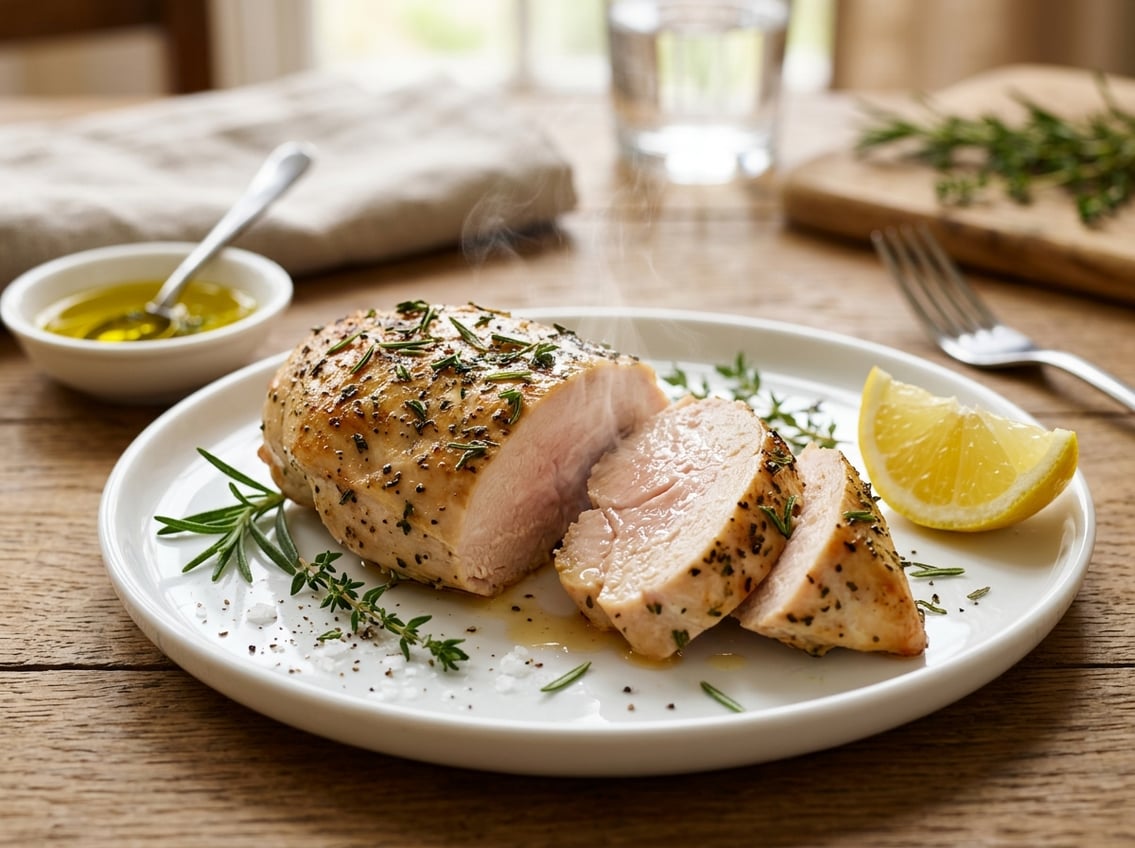
Juicy results come from control, not luck. If you use the right temperature tools, add moisture where it helps, and cook the meat evenly, you can keep chicken breast tender and moist.
Use a Digital Thermometer the Right Way
A digital thermometer removes guesswork. Insert it into the thickest part of the chicken breast, away from the pan and bone if there is one.
Check early, then check again as the meat nears doneness. This habit helps you stop cooking at the right point.
Brining and Marinating for Better Moisture Retention
A simple brine helps the meat hold on to moisture. Salt changes how the proteins behave, which can improve juiciness after cooking.
Marinades add flavor, and some also help with tenderness. Marinating and resting both support a more moist result.
Pounding for Even Thickness and Better Texture
Pounding chicken breast to an even thickness helps it cook at the same rate from edge to edge. That means less chance of one side drying out before the other side is done.
It also improves texture because the meat cooks more evenly. Use light, steady pressure so you do not tear the surface.
Best Cooking Methods for a Moist Finish
Methods that give you more control work best. Good options include gentle baking, poaching, sous vide, or a pan-sear followed by a short oven finish.
Thinner breasts need gentler heat than thighs. Cook with control, not speed, when you want a moist chicken breast.
How To Save Overcooked Chicken
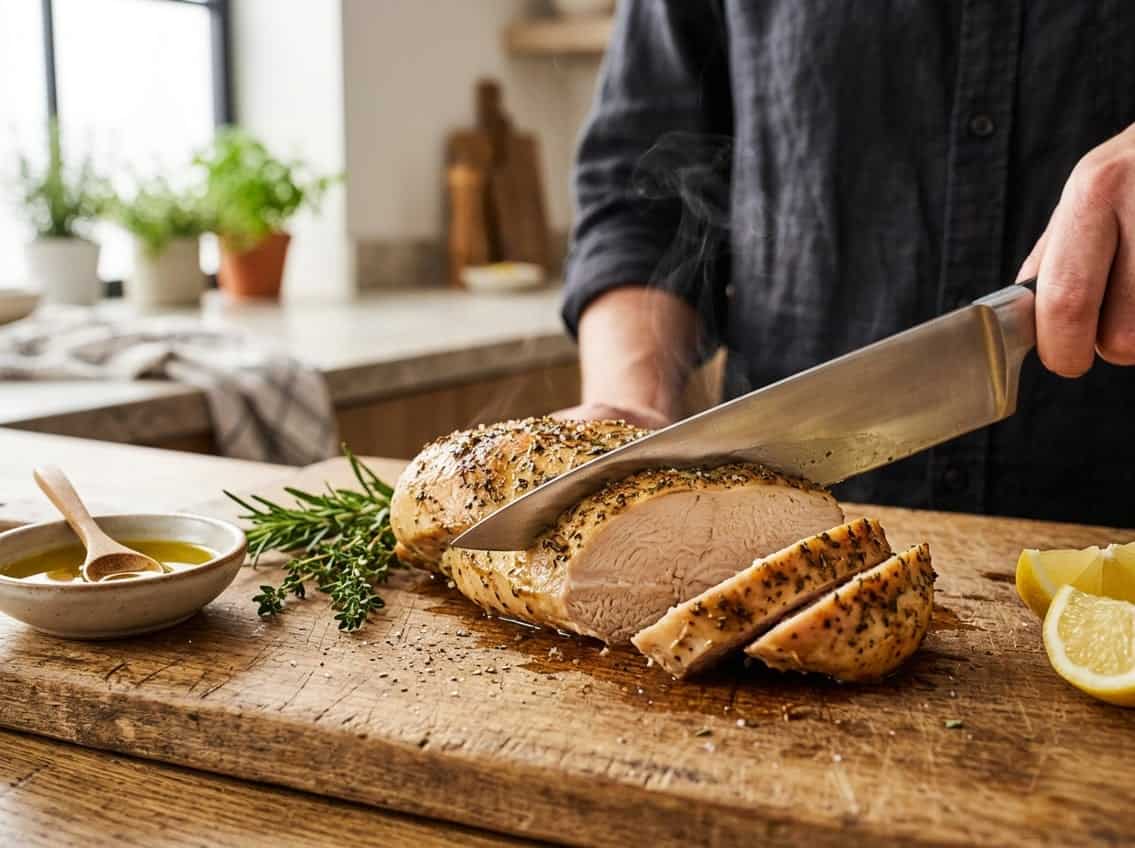
If your chicken is already dry, you can still improve the meal. The goal changes from perfect texture to better moisture, better flavor, and a softer bite.
Add Moisture With Broth, Sauce, or Gravy
Warm broth can help dry chicken breast feel less tough. Sauce or gravy adds both moisture and richness, which makes the meat easier to eat.
Slice the chicken first so the liquid reaches more surface area. A light simmer in sauce works better than a hard boil.
Shred and Repurpose Into Better Dishes
Shredding turns dry chicken into a better fit for soups, tacos, salads, casseroles, and sandwiches. Smaller pieces pick up more sauce, so the dryness is less noticeable.
Creamy sauce and shredded chicken are a useful pair for saving a meal.
When Dry Texture Cannot Be Fully Reversed
Overcooking chicken removes too much moisture and tightens the fibers. You cannot fully restore the original texture after this happens.
The best fix is to use the chicken in a moist dish. You can also chop it very small to limit the dryness and avoid waste.


