
How to Chicken Breast: Juicy Methods and Best Uses
You can learn how to chicken breast in a way that gives you juicy, reliable results with a few simple habits. Control thickness, season well, and avoid overcooking.
Once you do that, chicken breast becomes one of the most useful proteins for quick dinners, meal prep, and flexible leftovers.
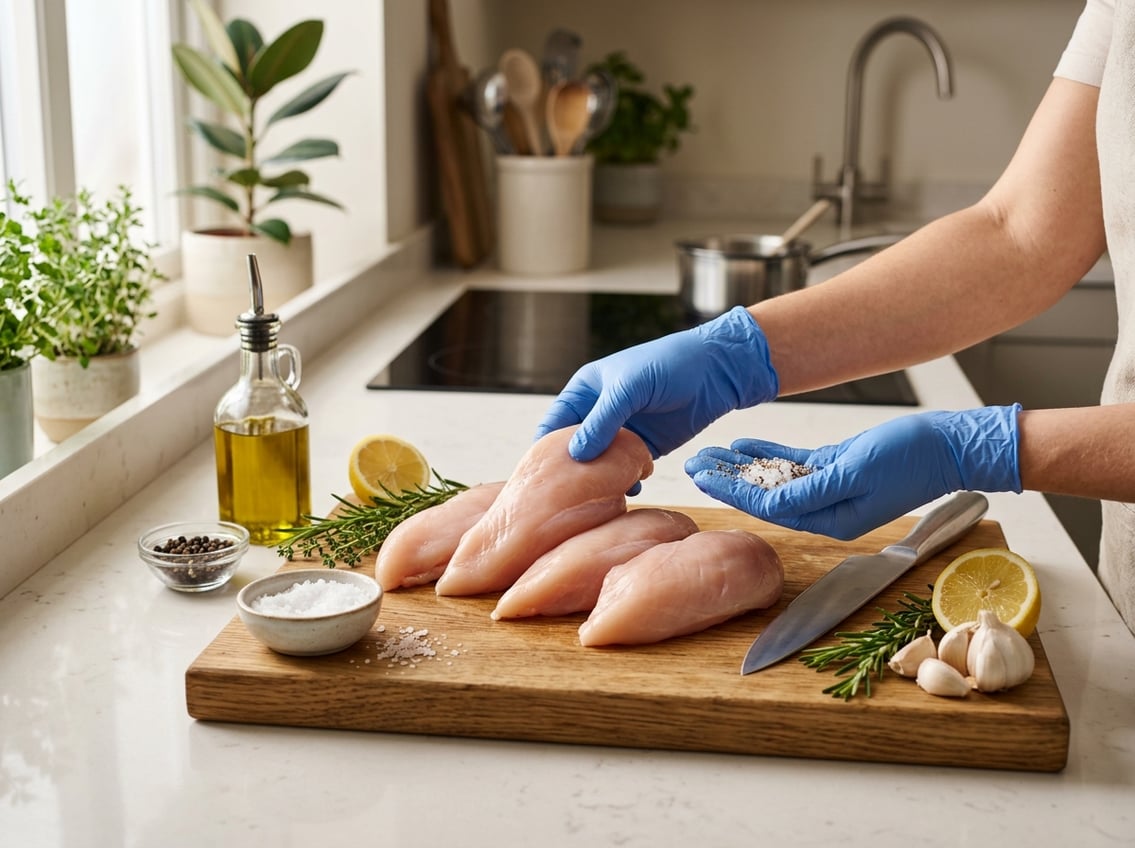
If you want juicy chicken breast, start with the right cut, cook it to temperature, and let it rest before slicing. This approach works for simple recipes, skillet dinners, and cooked chicken for salads and sandwiches.
Chicken breast is lean, so it rewards careful handling. A few small steps before and during cooking make a big difference in texture and flavor.
Start With Prep for Better Texture
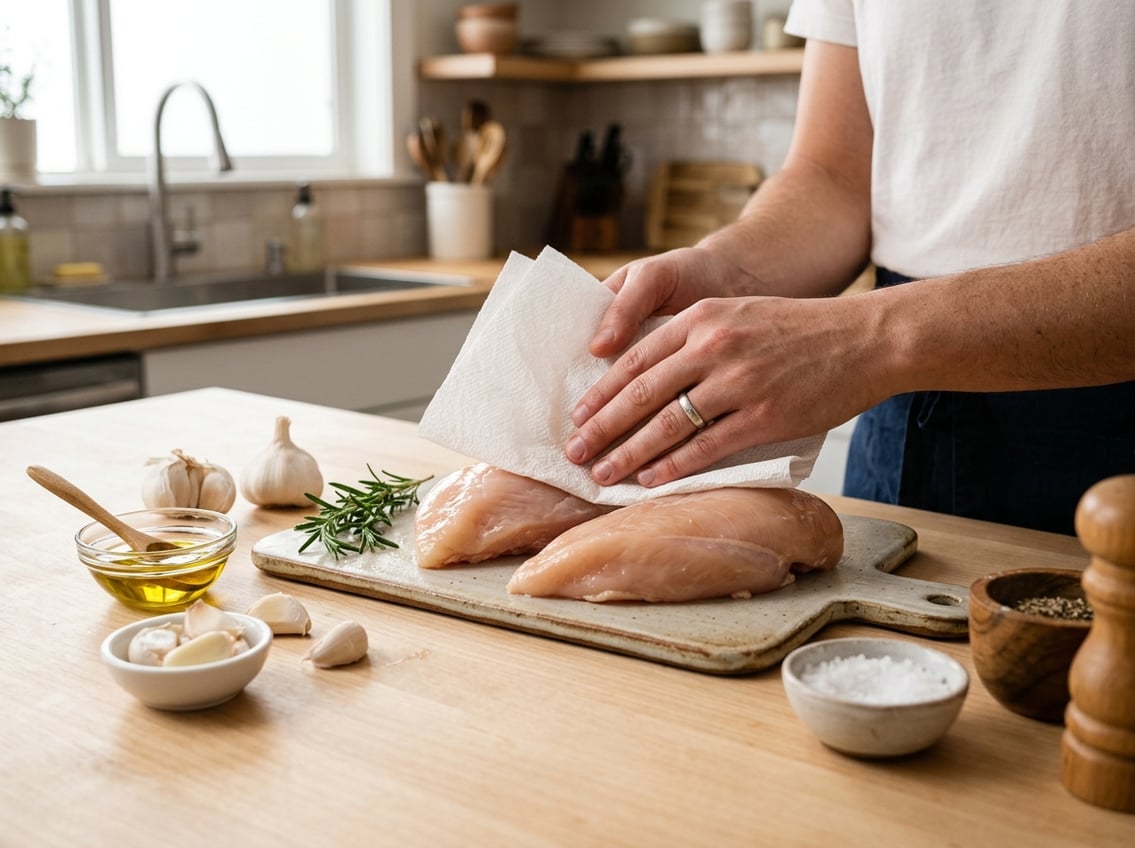
Good prep helps you get tender chicken breast instead of dry meat. Aim for even thickness, good surface seasoning, and enough salt to support moisture.
Choose the Right Cut and Size
Boneless chicken breast is the easiest choice for fast cooking. Boneless skinless chicken breasts cook quickly and work well for pan searing, baking, and slicing over salads.
If you want more built-in flavor, choose bone-in chicken breast. For most weeknight meals, pick pieces that are similar in size so they finish at the same time.
Pat Dry, Season, and Brine if Needed
Pat the chicken dry with paper towels before cooking. Dry skinless chicken breasts brown better in the pan and hold seasoning on the surface.
Season both sides with salt and pepper. Add garlic powder, paprika, or herbs for extra flavor.
If your chicken breasts are large or you worry about dryness, brine or salt them ahead of time to help keep them juicy.
Flatten Thick Pieces for Even Cooking
Thick chicken breast cooks unevenly. Pound the thick end gently so the whole piece is closer to the same thickness.
Use a meat mallet or the bottom of a heavy pan. Even thickness gives you a more tender result and makes timing easier.
Cook It Right on the Stovetop
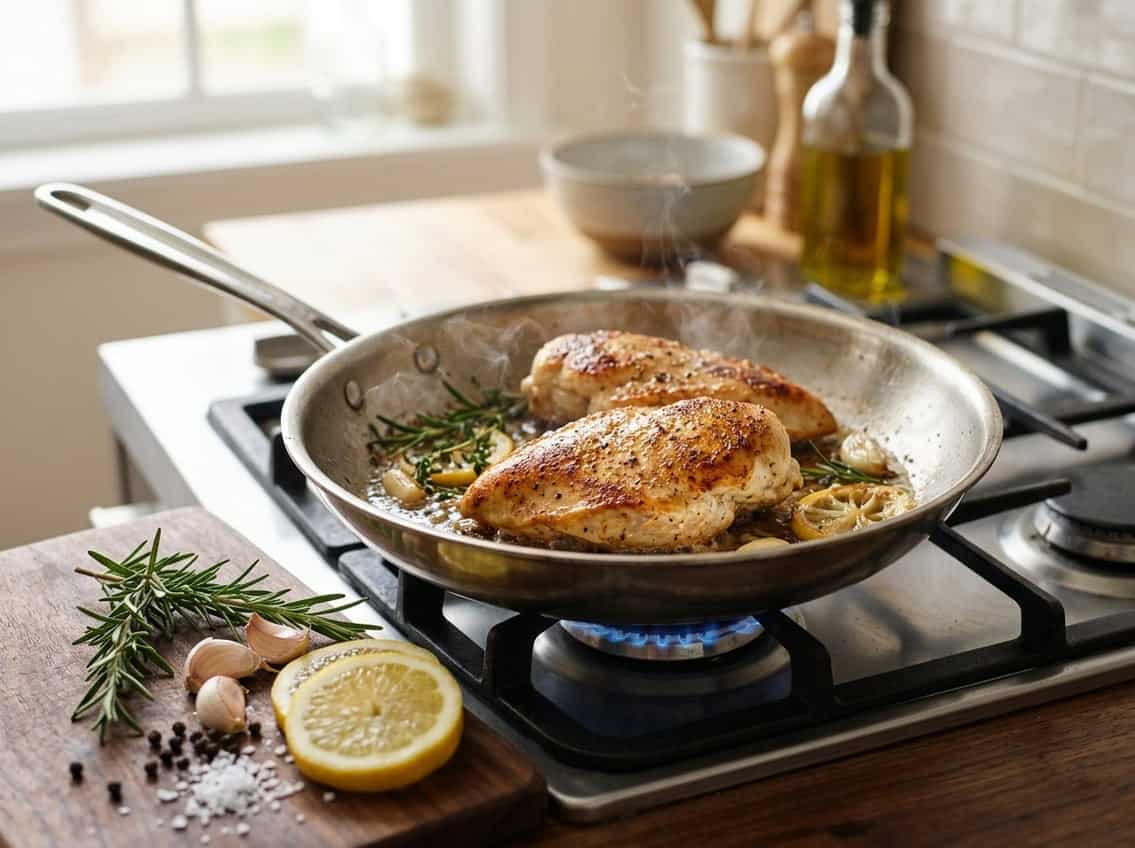
The stovetop is one of the best ways to cook chicken breast when you want fast results and a golden crust. Use a hot pan, enough fat, and a thermometer to keep the meat moist.
Pan-Sear for a Golden Crust
Heat oil in a skillet over medium to medium-high heat until it shimmers. Add the chicken and let it brown without moving it.
A deep golden crust adds flavor and protects the outside from drying out. Start with the smoother side down and cook until the second side is ready to flip.
Use Carryover Cooking and Resting Time
Chicken keeps cooking after you remove it from the pan. Pull it from the heat a little early, then let it rest for several minutes so the juices settle back into the meat.
This resting step helps you keep the texture moist and gives you cleaner slices for serving.
Check Doneness With a Thermometer
Check the thickest part of the breast with an instant-read thermometer. Chicken is safe at 165°F, and that number helps you avoid guesswork.
Remove it around 160°F and let carryover cooking bring it up to the right range while it rests.
Use Other Methods for Different Results
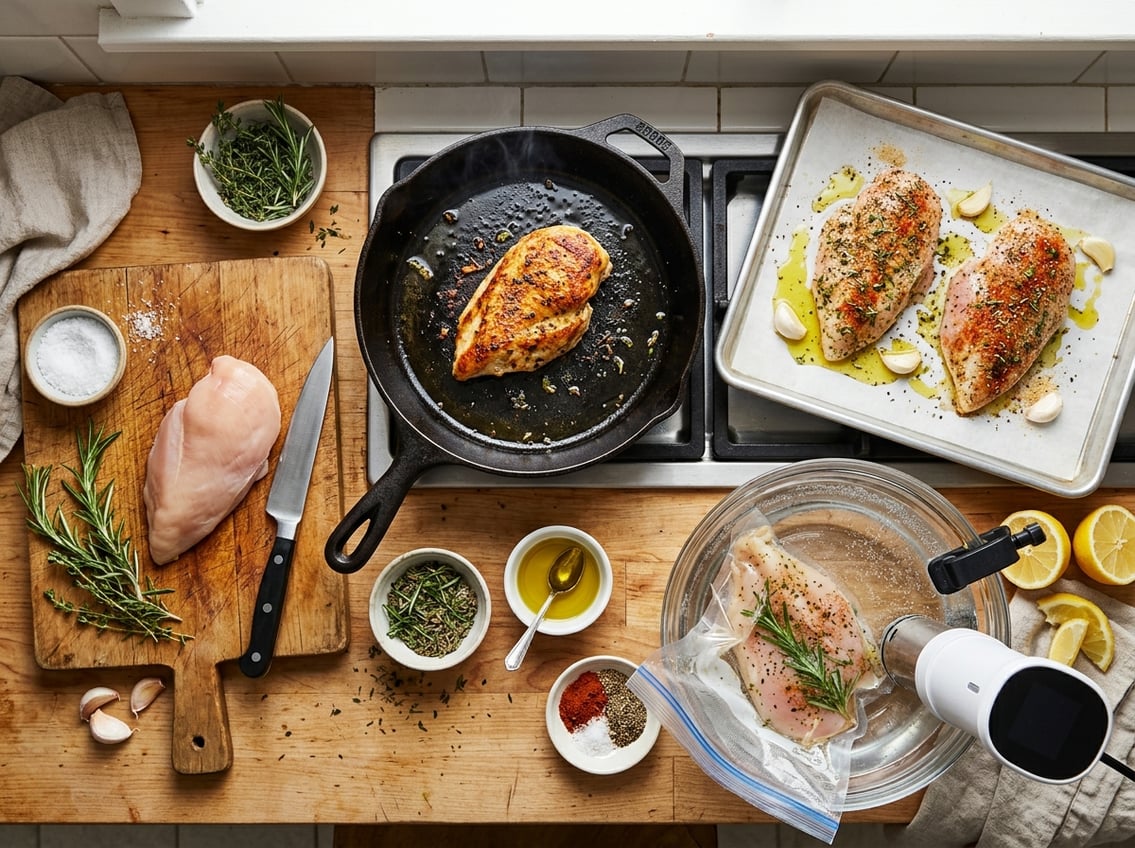
Different cooking methods give you different textures. Choose based on whether you want a hands-off dinner, smoky flavor, shredded chicken, or meat for soups and meal prep.
Bake or Broil for Hands-Off Cooking
Baking works well when you want simple, low-effort chicken breast. Put seasoned chicken on a sheet pan and roast until it reaches temperature.
Broiling gives faster browning and can work well for thinner pieces. Watch closely, since chicken can go from done to dry quickly under high heat.
Grill for Smoky Flavor
Grilled chicken breast has a smoky taste and good surface char. Pound boneless, skinless chicken breasts to even thickness before grilling.
A hot, clean grate helps create clear grill marks and reduces sticking. This method works well for cookouts, sandwiches, and sliced chicken over salads.
Poach for Shredding, Soup, and Meal Prep
Poaching keeps chicken gentle and moist. Simmer the chicken in liquid with herbs, onion, or peppercorns until it reaches safe temperature.
This is a good choice for chicken and wild rice soup, shredded filling for wraps, or plain chicken for meal prep.
Poached chicken also works well when you need mild meat for many recipes.
Turn Cooked Chicken Into Easy Meals
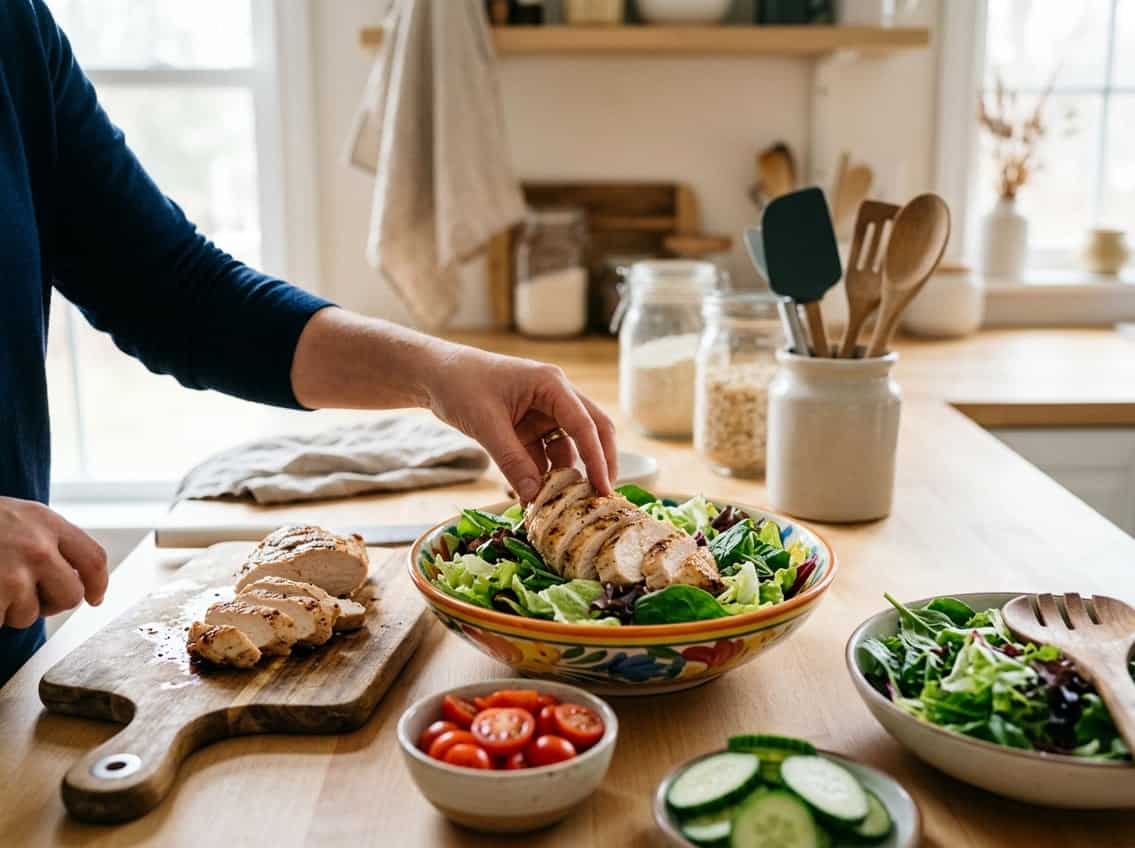
Once you cook chicken breast well, you can turn it into many meals without much extra work. A little sauce or a smart slice pattern can change the whole dish.
Make a Quick Pan Sauce or Butter Sauce
After pan-searing chicken, use the browned bits in the skillet to build a quick pan sauce. Add broth, lemon, wine, or cream, then finish with butter for a smooth sauce.
A simple butter sauce can make plain chicken feel more complete without hiding the flavor. It also helps if you want a richer dinner with rice, potatoes, or vegetables.
Serve It in Classic Skillet Dishes
Cooked chicken breast fits well into dishes like chicken piccata, chicken marsala, chicken florentine, and chicken parmesan.
These meals use sauce, cheese, or mushrooms to add flavor and moisture. For a fast weeknight option, keep sliced chicken ready for sandwiches or add it to stir fry.
Slice or Dice for Everyday Recipes
Slice chicken across the grain for better texture. Dice it for soups, bowls, and salads.
A plain chicken breast recipe becomes more useful once you cut and prepare the meat. Keep extra cooked chicken in the fridge for two to three days.
Add the cooked chicken to new meals as needed. One cooking session can provide several easy dinners.


