
How Do Chicken Breast Recipes Stay Juicy?
You can keep chicken breast juicy by using even heat, the right internal temperature, and a cooking method that matches the cut.
A good chicken breast recipe depends on control, not heavy sauce or lots of fat.
If you cook chicken breast to the right temperature, rest it, and slice it the right way, you get a juicy chicken breast far more often.
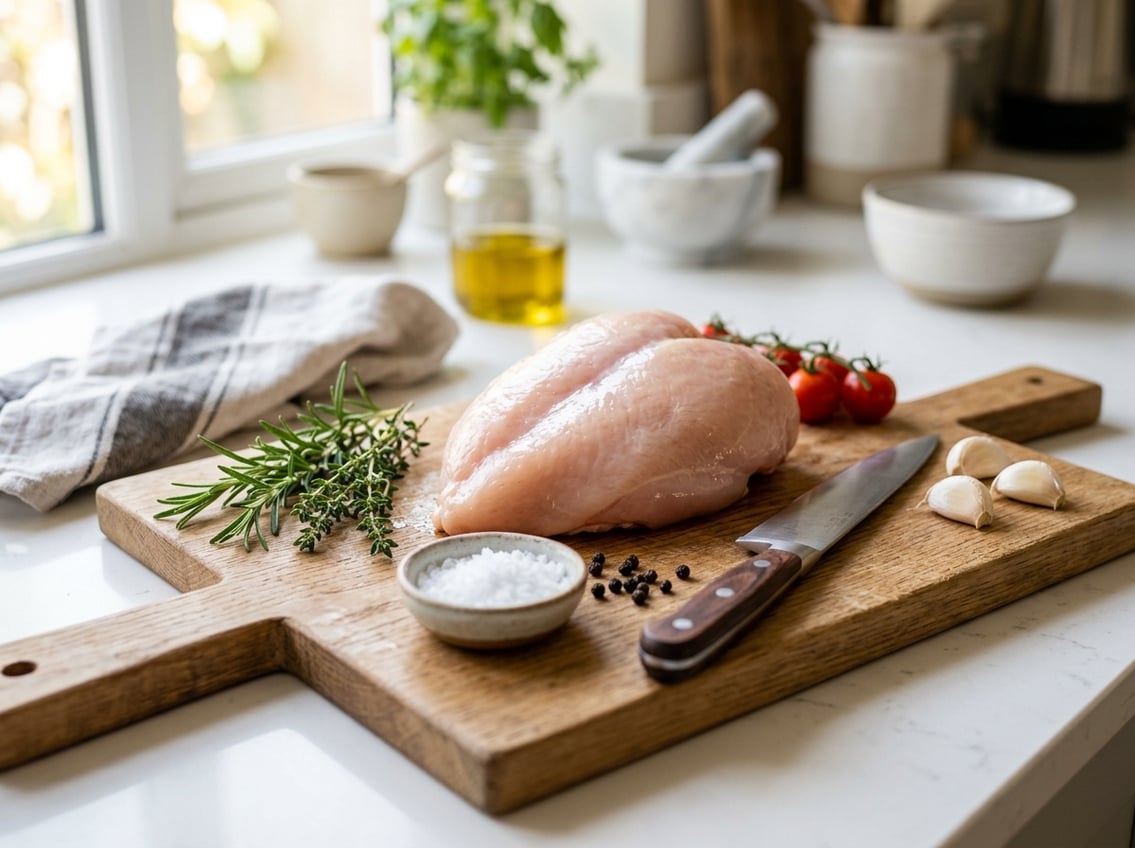
Overcooking dries out chicken, especially with boneless skinless pieces that have little fat.
The best approach is to match time, heat, and prep to the cut you buy.
When you know how to keep chicken breast moist, you can cook with confidence on busy nights.
Small steps, like pounding uneven pieces flat or using a thermometer, make a clear difference.
Bake It Right From the Start
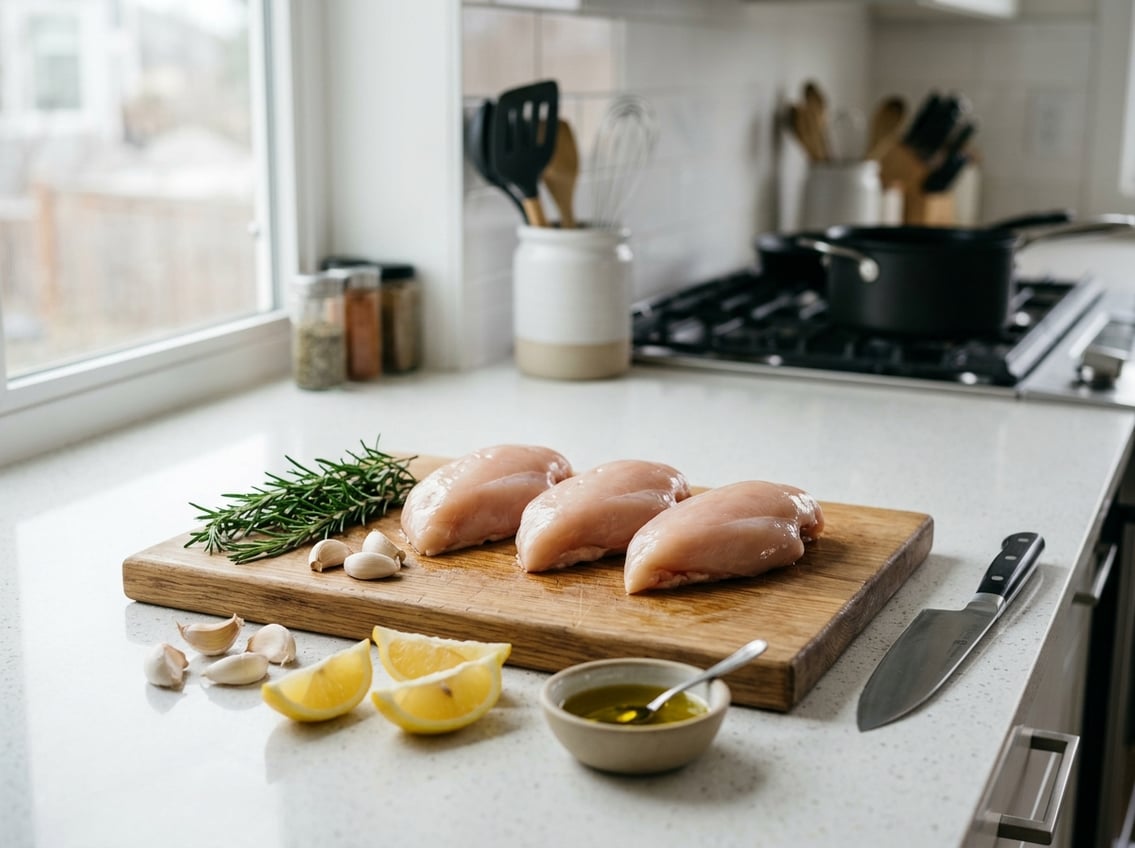
Baking is one of the easiest ways to cook chicken breast.
It works well when you start with even thickness and steady heat.
A simple baked chicken breast can stay tender if you treat timing as seriously as seasoning.
Best Oven Temperature and Timing
For most baked chicken breasts, 425°F works well because it cooks fast enough to limit moisture loss.
Boneless or bone-in pieces usually need about 20 to 25 minutes, depending on thickness.
Use the thickest part of the breast to judge doneness, not the clock alone.
A thinner piece may finish early, while a thicker one may need more time.
How to Prep for Even Cooking
Pound boneless chicken breasts to an even thickness before baking.
This helps the lean meat cook at the same rate from edge to center.
Brush the chicken with olive oil, then season with salt and pepper before it goes into the oven.
Add lemon slices, garlic, or dried herbs to the pan for more flavor without drying out the chicken.
When Chicken Breast Is Fully Cooked
Chicken breast is fully cooked at 165°F in the thickest part.
You can pull it at about 160°F, since carryover cooking raises the temperature during rest.
Do not cut into the chicken right away.
A short rest keeps the juices inside the meat instead of spilling onto the cutting board.
Choose the Right Cut and Method
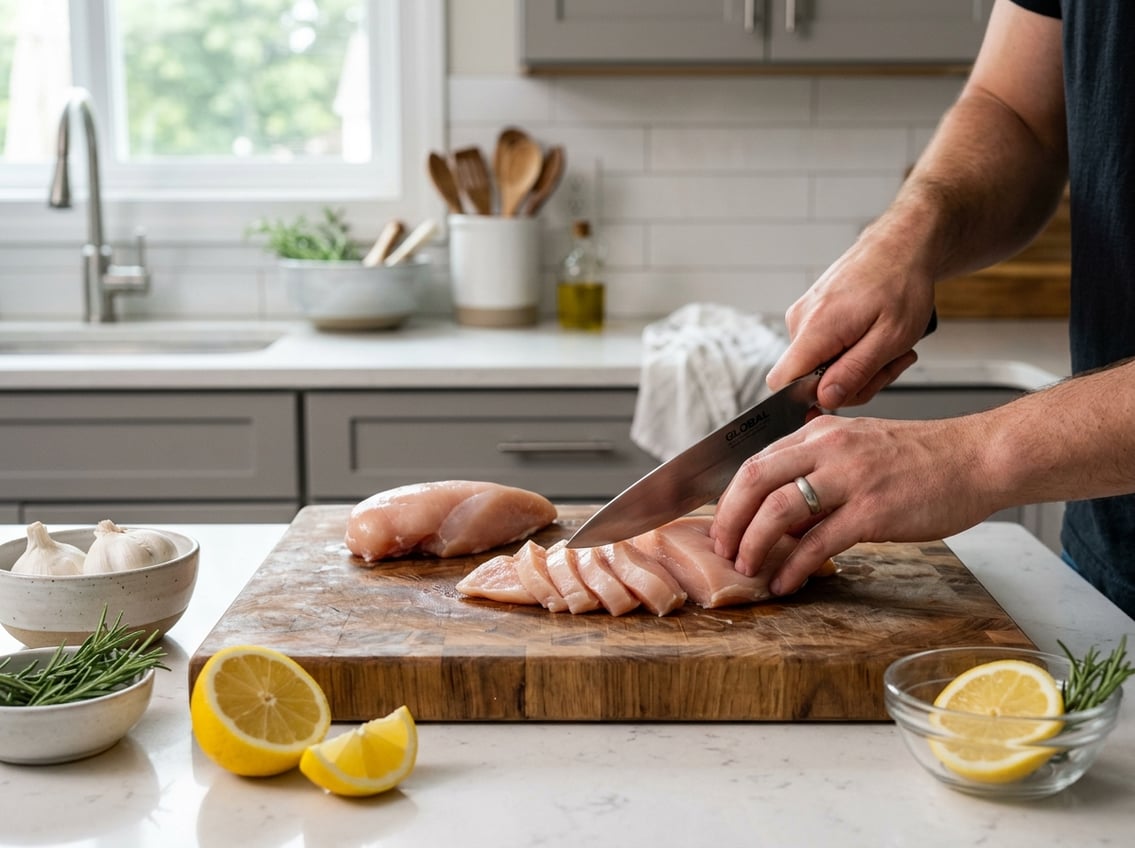
The best way to cook chicken breast depends on what you buy and how you plan to serve it.
Some methods work better for a quick weeknight meal, while others are better when you want more flavor or a more tender result.
Boneless vs. Bone-In Chicken Breast
Boneless chicken breast cooks faster, which makes it a good fit for busy nights and meal prep.
Boneless skinless chicken breasts are lean and easy to slice, shred, or dice.
Bone-in chicken breast usually stays juicier because the bone helps distribute heat and the skin adds protection.
Bone-in chicken breast can be more tender and flavorful, which is why it is often the better choice when the chicken is the main part of the plate.
When Roasting Works Better Than Baking
Roasted chicken breast is a good choice when you want stronger browning and a little more surface flavor.
Roasting often means a hot oven, a rimmed pan, and enough space around each piece for airflow.
Baking works well for a simple, hands-off meal.
Roasting works better when you want more color and a slightly firmer exterior, especially with bone-in chicken breast.
When to Use Skillet, Broiler, or Poaching
A skillet is useful when you want quick browning and a crisp edge.
The broiler works fast too, and you should brush the meat with oil and watch closely so it does not dry out during the short cook time.
Poaching is the gentlest option.
It keeps chicken breast moist by cooking it in simmering water with aromatics, which is useful when you want plain cooked chicken for salads, soups, or sandwiches.
Build Flavor Without Drying It Out
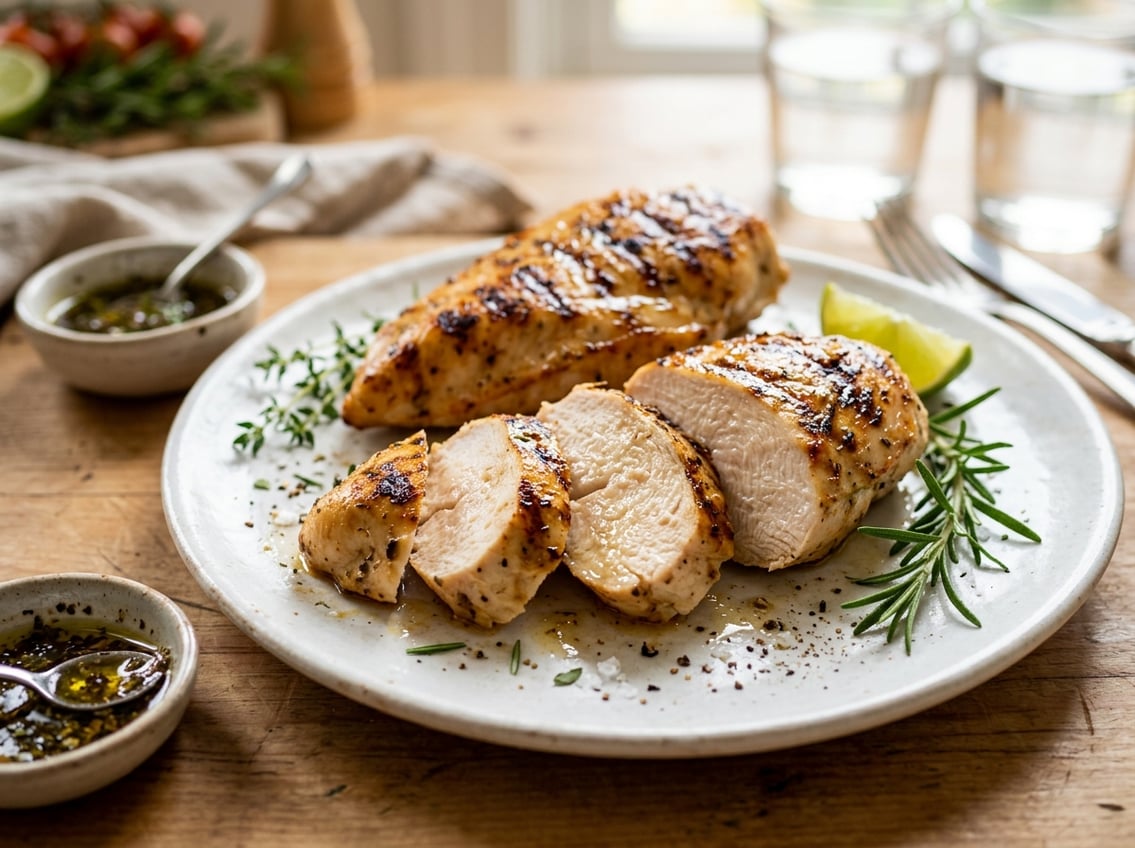
Flavor does not need to come from heavy sauce.
You can season chicken breast well, add moisture early, and still keep the meat light and tender.
Simple Seasonings That Work
Salt, pepper, garlic powder, onion powder, paprika, and dried thyme are enough for many chicken breast recipes.
A light coating of olive oil helps the seasoning stick and protects the surface while cooking.
A baked chicken breast recipe can also benefit from lemon zest, rosemary, parsley, or a little mustard in the seasoning mix.
These add flavor without much extra prep.
Brining and Marinating for Moisture
A simple brine helps chicken breast hold onto moisture during cooking.
Salt changes how the meat retains water, which can make a noticeable difference in lean cuts.
A marinade adds flavor and can help the surface stay more tender, especially for boneless chicken breast.
If you want a plain, juicy chicken breast, keep the marinade balanced and avoid long soaks in strong acids like lemon juice.
Easy Variations for Weeknight Meals
You can turn one batch of baked chicken breasts into several meals.
Use sliced chicken in rice bowls, shred it for tacos, or serve it with roasted vegetables and potatoes.
For a fast baked chicken breast recipe, change the seasoning blend instead of the cooking method.
Italian seasoning, Cajun spice, or smoked paprika each gives a different result without adding extra work.
Fix Common Mistakes and Store Leftovers
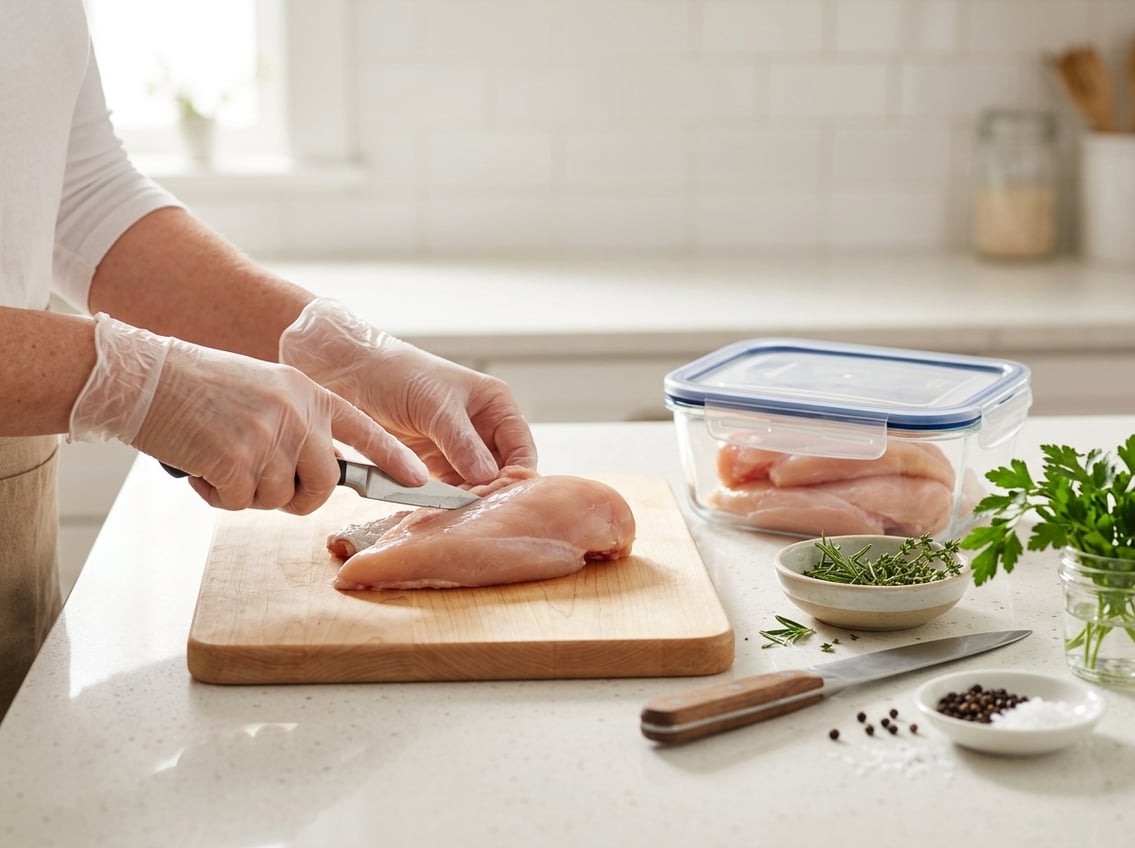
Dry chicken breast is often the result of small mistakes, not bad ingredients.
You can avoid most problems by watching heat, rest time, and storage.
Why Chicken Breast Turns Dry or Rubbery
Chicken breast turns dry when you cook it too long or at too high a heat for too long.
It can also turn rubbery if you skip even thickness and the thin end finishes before the thick end.
If you are baking chicken breasts, a thermometer matters more than a fixed time.
That is especially true for boneless skinless chicken breasts, which can go from done to dry quickly.
How to Rest, Slice, and Reheat
Let cooked chicken breast rest for several minutes before slicing.
This gives the juices time to settle back into the meat.
Slice against the grain for a more tender bite.
To reheat, use low heat and add a little moisture, such as broth or a covered pan, so the chicken does not dry out.
Best Ways to Store and Freeze Cooked Chicken
Place cooked chicken in a sealed container in the refrigerator. Use it within a few days.
If you want to keep it longer, freeze it in portions. This way, you can defrost only what you need.
Wrap the chicken tightly before freezing to reduce freezer burn. Leftover chicken breast works well in salads, soups, wraps, and pasta dishes.
Keep chicken in easy-to-use portions.


