
What’s Chicken Breast Tenderloin? Key Differences Explained
You may see the term what’s chicken breast tenderloin on store labels, recipe cards, or package fronts. It can be hard to tell whether it means a separate cut or just another name for chicken breast.
Chicken tenderloin is a small, naturally tender strip of white meat that sits beneath the breast. Chicken breast is the larger main chest muscle.
If you know where each cut comes from and how it cooks, you can choose the right one for faster meals and juicier results.
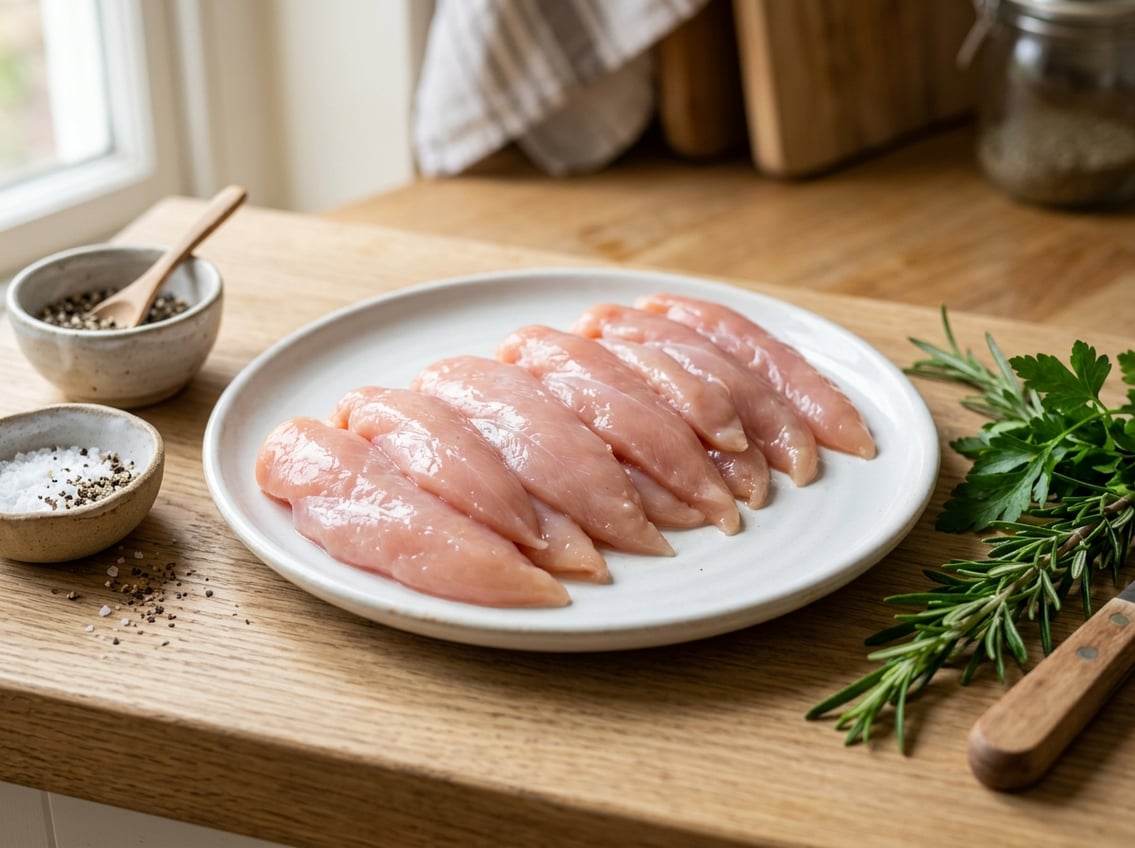
Both cuts are part of the chicken’s white meat. Both offer lean protein.
The breast is the pectoralis major muscle. The tenderloin is the smaller pectoralis minor muscle beneath it.
What This Cut Actually Is
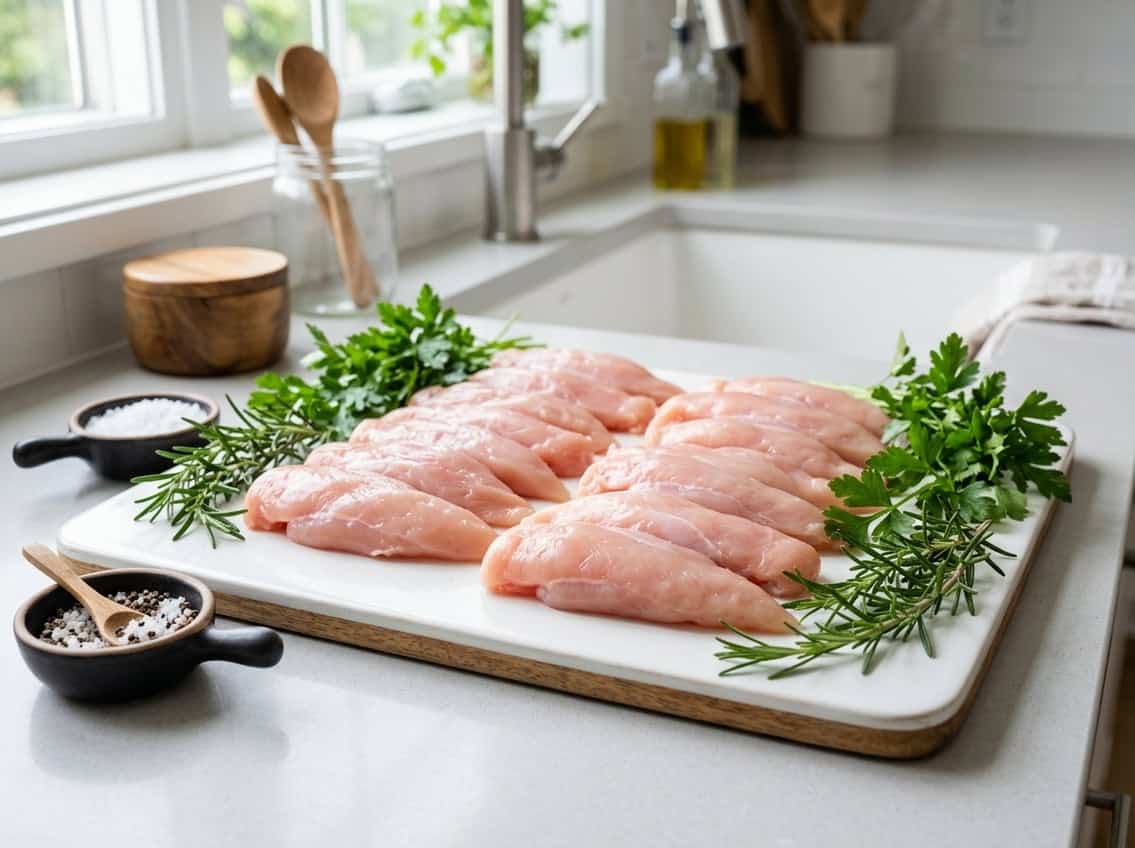
Chicken breast tenderloin is the small strip of meat tucked under the chicken breast. You may also hear it called chicken tenderloin, chicken tender, or chicken breast tenderloin.
Stores do not always use these labels the same way. The cut comes from the bird’s white meat and is naturally softer than the main breast.
That makes it useful for quick cooking and simple seasoning.
Where It Sits on the Chicken
The tenderloin sits directly beneath the chicken breast. It is a narrow piece that is easy to miss when the breast is sold on its own.
In whole chicken breasts, the tenderloin may stay attached until trimming or processing. In boneless packs, stores often sell it separately as chicken tenderloins.
How It Differs From the Main Breast Muscle
The main breast is the pectoralis major, which is the larger chest muscle. The tenderloin is the pectoralis minor, a smaller muscle that gets less use, so it stays more tender.
Chicken breasts are thicker and usually need more time to cook. Chicken tenderloins cook faster and can dry out sooner if overcooked.
Why Stores Sometimes Use Confusing Labels
Package names can blur the line between a cut, a trim, and a recipe-style product. Some labels use “tenderloins” for the true strip under the breast, while others use “breast tenderloin” for boneless strips cut from breast meat.
It helps to check the shape. True tenderloins are long and narrow, while breast pieces are wider and thicker.
Chicken Breast and Tenderloin Compared
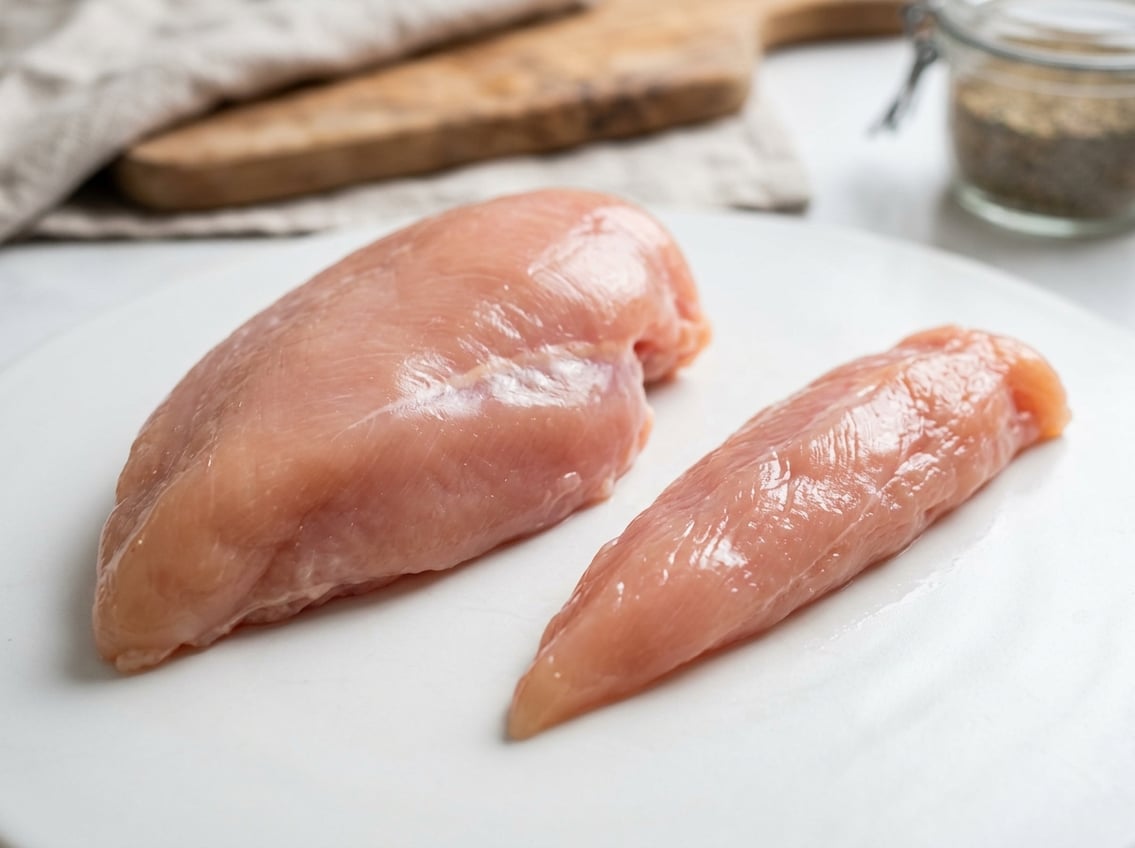
Chicken breast and chicken tenderloin are both lean and versatile. They behave differently in the kitchen.
The main gaps are size, texture, cooking time, and how well each cut fits certain chicken breast recipes or chicken tenderloin recipes.
Size, Shape, and Texture
Chicken breasts are larger, thicker, and more uniform in shape. Chicken tenderloins are smaller, thinner, and naturally more delicate.
Many cooks use tenderloins for chicken tenders or chicken strips. The tender texture makes them well suited for quick meals.
Chicken breasts give you more meat per piece and hold up better in stuffed, sliced, or sauced dishes.
Nutrition and Lean Protein Value
Both cuts offer lean protein and work well in healthy meals. Chicken breast has slightly more protein and more vitamins and minerals per 100 grams, while tenderloin has fewer calories.
That difference is modest in real meals. Your cooking method matters just as much, since breading, frying, or heavy sauces can change the nutrition more than the cut itself.
Price, Availability, and Portion Size
Chicken breasts are usually easier to find in large packs and often give you more food per package. Chicken tenderloins may cost more per pound in some stores because they are smaller and already trimmed.
Portion size also matters. If you want even servings for weeknight cooking, tenderloins can be simpler.
If you want fewer pieces for grilling or slicing into chicken breast recipes, breasts often make more sense.
Best Ways to Cook Each Cut
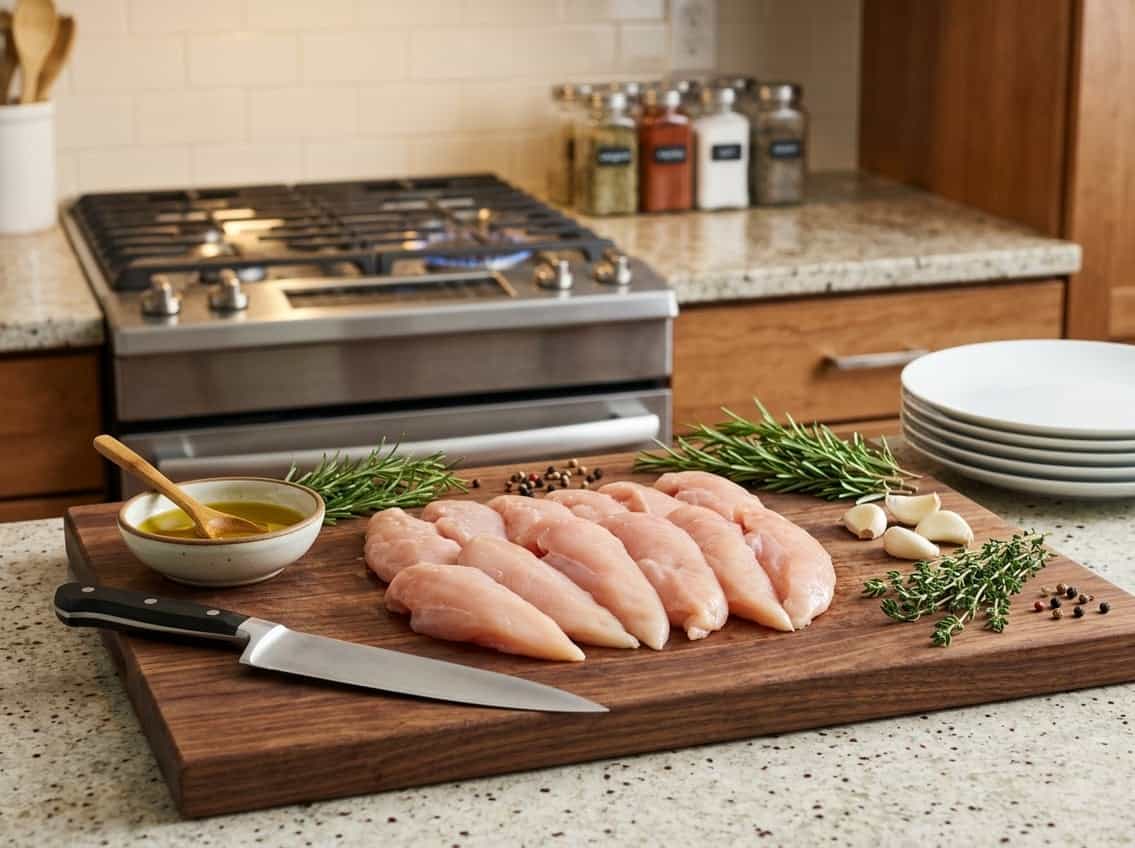
Both cuts respond well to high heat, gentle oven cooking, and quick pan cooking. The main goal is even cooking, since the smaller tenderloin can overcook faster than the thicker breast.
Fast Methods for Tender Pieces
If you cook chicken tenderloin, use fast methods like pan-searing, grilling, air frying, or baking at moderate heat. These methods help the meat stay juicy while still giving it color.
Chicken tenders, chicken fingers, and chicken strips also work well here, especially when you want a quick dinner or a meal-prep protein.
How to Keep Larger Pieces Juicy
Chicken breast needs more care because it is thicker. Pound it to an even thickness, cook it at a steady temperature, and use a thermometer so you stop at the right point.
Even cooking is easier when the pieces are similar in size.
When Marinating Helps Most
Marinating chicken helps both cuts, especially if you want extra flavor without heavy breading. Tenderloins pick up flavor quickly, so even a short marinade can help.
Breasts benefit too, especially when you plan to grill or bake them. A marinade with acid, oil, and seasoning can improve texture and taste.
Best Uses and Recipe Fits
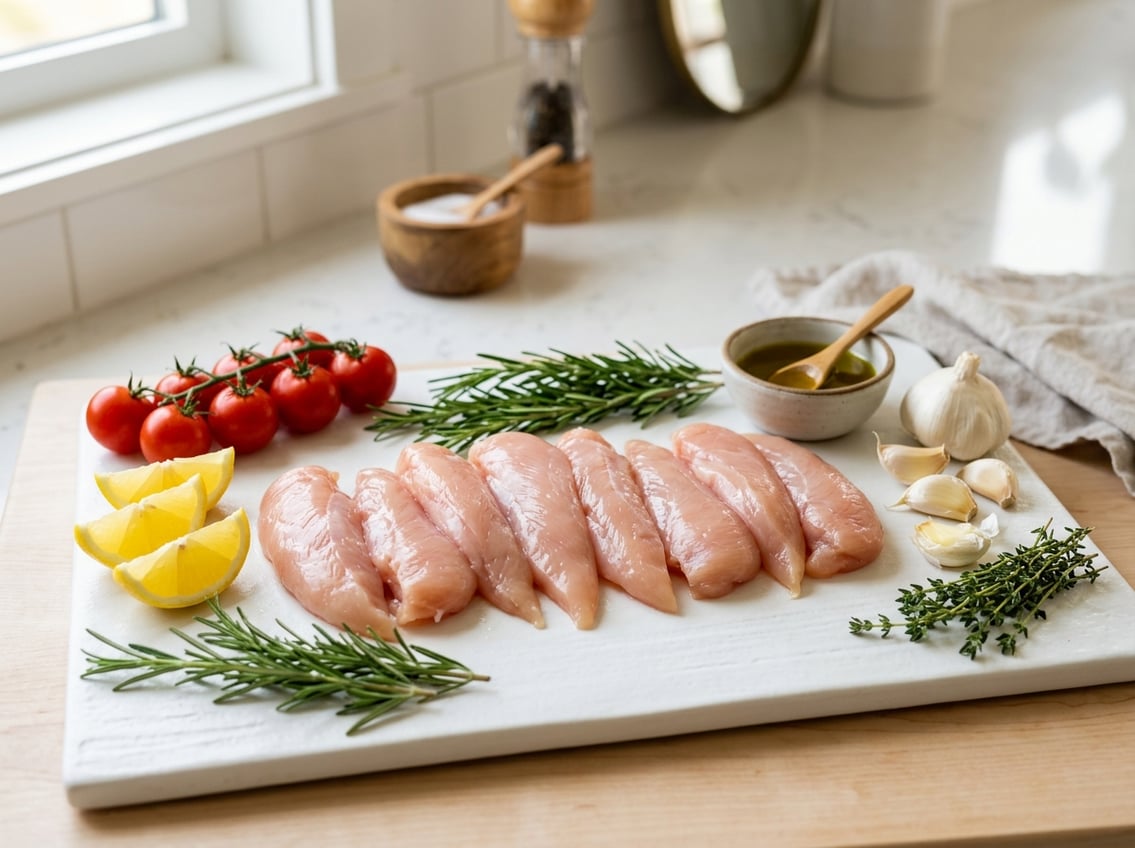
Your best choice depends on the dish you want to make. Chicken tenderloin recipes usually focus on speed and tenderness.
Chicken breast recipes work better when you want larger portions or slices.
When to Choose It for Weeknight Meals
Choose chicken tenderloin when you want a fast dinner with little prep. It works well in skillet meals, simple baked dishes, salads, and breaded recipes that cook quickly.
Many recipe collections highlight tenderloins for quick meals, such as easy chicken tenderloin recipes and weeknight chicken breast tenderloin recipes.
Easy Swaps If You Only Have Breast Meat
You can often swap sliced chicken breast for tenderloins if you cut it into similar-size strips. That works best when the recipe depends more on shape and cook time than on exact cut.
The reverse also works in many cases, though you may need to adjust cooking time. Thicker breast pieces take longer, while tenderloins finish sooner.
Dishes That Match Each Texture Best
Tenderloins fit chicken fingers and chicken strips. They also work well in quick stir-fries and simple grilled chicken.
Use tenderloins in recipes that need bite-size pieces or fast browning.
Chicken breasts fit baked chicken and stuffed dishes. They are great for sliced sandwiches and chicken parmesan.
Their size and structure make them better when you want a full fillet or a more substantial plate.


