
Are Chicken Breasts Boneless? What to Know
Are chicken breasts boneless? In most U.S. grocery stores, the answer is yes, though the label can vary depending on the cut you buy.
When you see chicken breast for sale, you are usually looking at boneless skinless chicken breast, the standard packaged version in many meat cases.
“Chicken breast” often means boneless, but “boneless chicken” does not always mean breast meat. That label can also apply to thighs, wings, or other cuts with the bones removed.
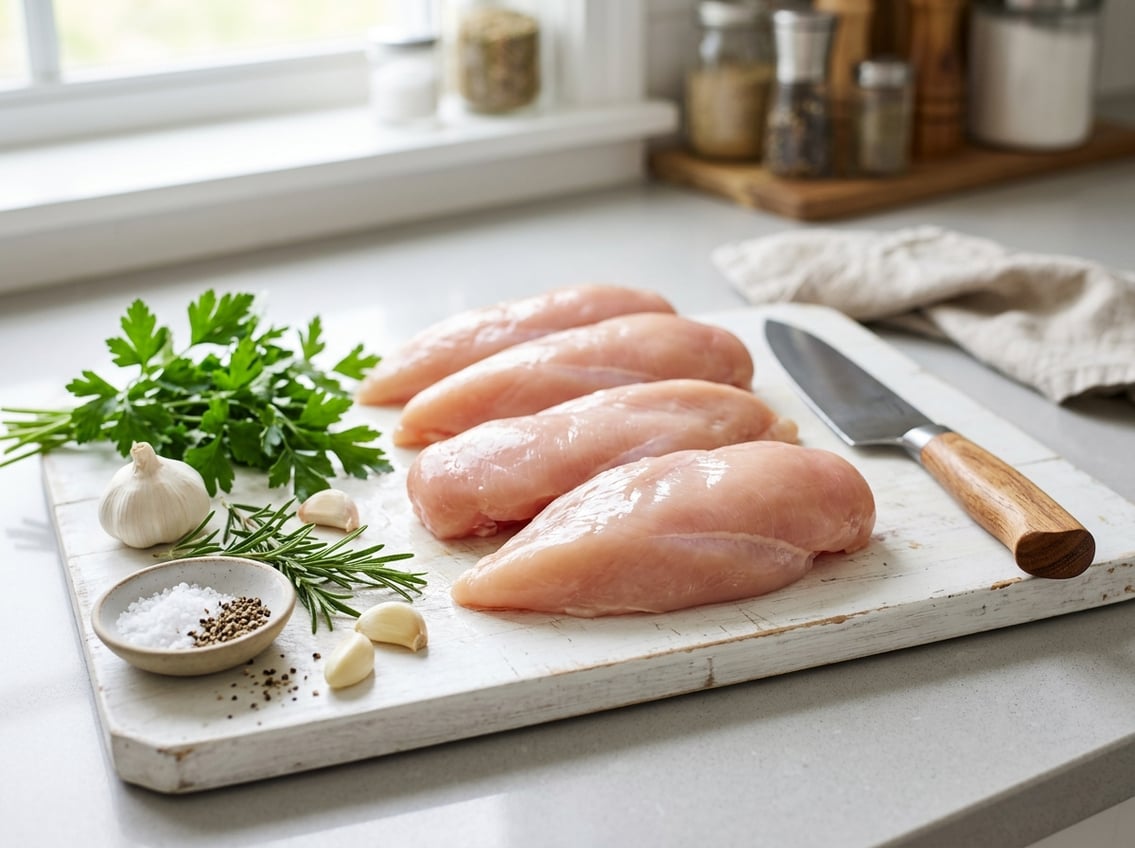
If you want the right cut for your recipe, check whether the package says boneless skinless chicken breast, bone-in chicken breast, or something broader like boneless chicken.
The difference affects cooking time, flavor, texture, and how much effort you need in the kitchen.
What Chicken Breast Usually Means at the Store
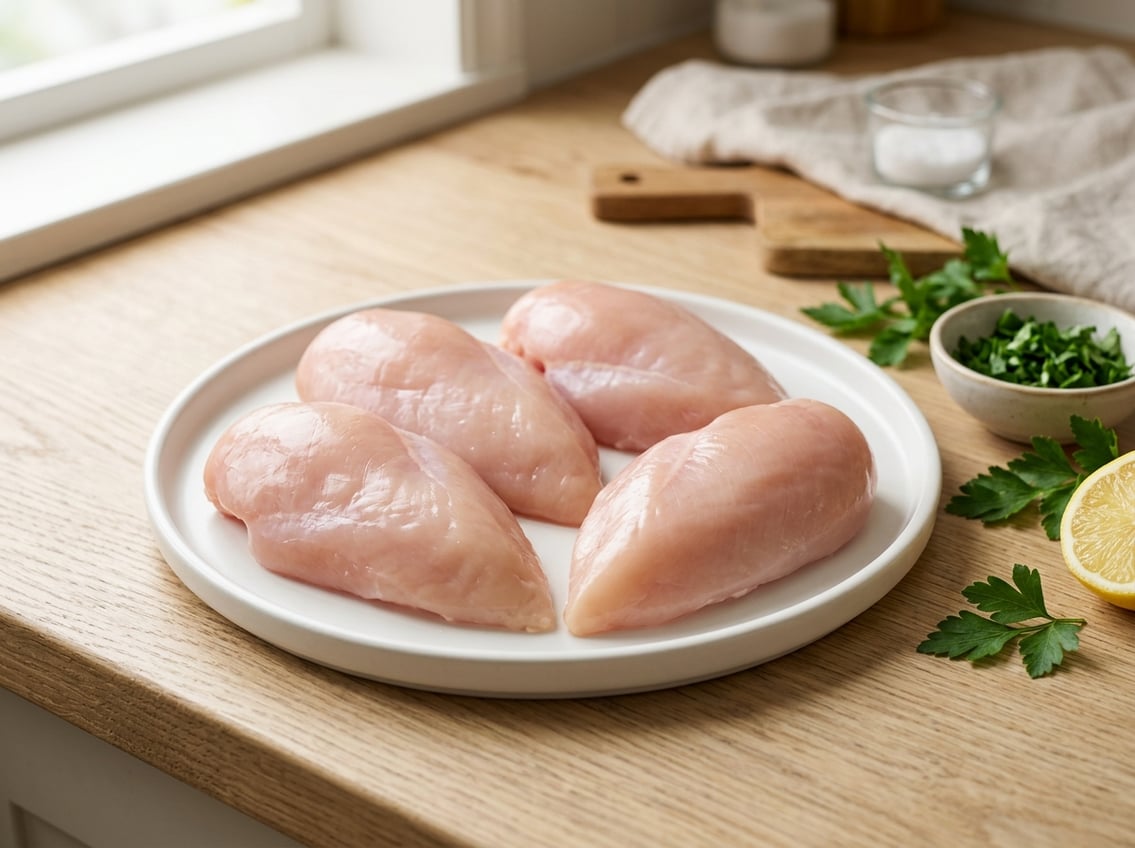
At the store, chicken breast usually means the boneless chicken breast people use for quick dinners and meal prep.
The most common package is boneless skinless chicken breast, which gives you lean meat with little prep work.
You should still read the label closely, because chicken packaging is not always the same across brands.
Some products say boneless skinless chicken, while others list bone-in chicken breast or bone-in chicken breasts.
Why Most Packages Are Boneless and Skinless
Boneless chicken breast is popular because it is easy to cook, easy to slice, and easy to portion.
The skin is often removed because many buyers want a lower-fat option and a more neutral base for chicken breast recipes.
The U.S. market favors convenience. That is one reason stores often sell boneless skinless chicken breasts as the default breast cut, while bone-in versions sit beside them for shoppers who want more flavor.
How Bone-In and Split Breasts Are Labeled
Bone-in chicken breast usually means the breast still has the rib bone attached.
You may also see bone-in chicken breasts labeled as split breasts, which are the two breast halves cut from the whole bird.
That label matters because a split breast cooks differently from a boneless piece. It usually takes longer and gives you more flavor during roasting or braising.
Why Boneless Chicken Is Not Always Breast Meat
Boneless chicken is a broad label, not a specific cut.
It can include boneless thighs, boneless wings, or other pieces with the bone removed, according to Liptouch Foods.
You should not assume every boneless package is chicken breast. If you need breast meat for a recipe, the package should say breast, not just boneless chicken.
Boneless Vs Bone-In: Flavor, Nutrition, and Convenience
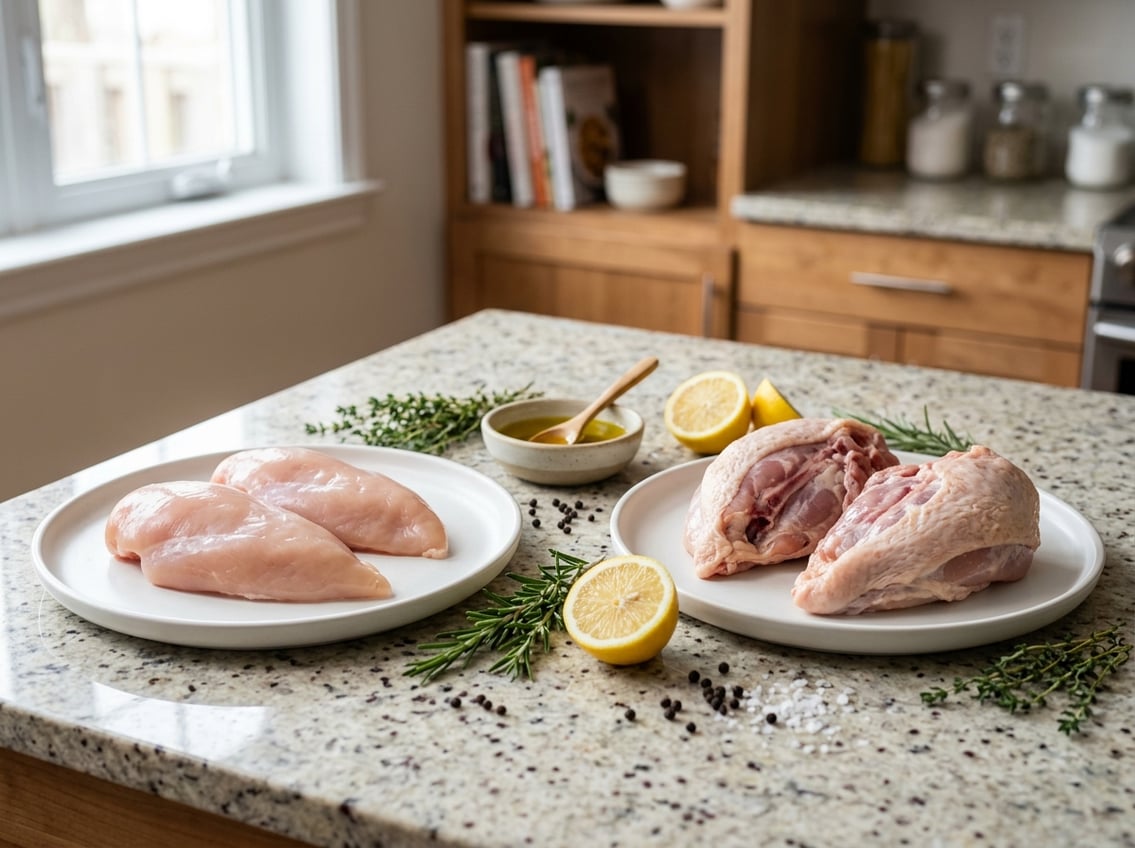
The choice between boneless and bone-in comes down to three things: flavor, nutrition, and ease of cooking.
Chicken breast is already a lean protein, but the cut you choose changes how juicy the meat tastes and how much work you need to do.
A boneless skinless chicken breast is usually the quickest option.
A bone-in chicken breast often gives you more moisture and richer flavor.
How Lean Protein and Fat Content Differ
Chicken breast is known as a lean protein, especially when you buy boneless skinless chicken breast.
Removing the skin lowers the fat content, which is why skinless chicken breasts are common in high-protein meals.
Bone-in chicken breast can still be lean, yet the skin and bone change the eating experience.
If you want the lowest-fat option, boneless skinless chicken breast is usually the better fit.
Which Cut Stays Juicier During Cooking
Bone-in chicken breast often stays juicier during cooking because the bone helps slow heat flow, and the skin can help protect the meat.
That makes it a strong choice for roasting or baking.
Boneless chicken breast cooks faster, which is helpful, yet it also dries out more easily if you cook it too long.
Many cooks brine or marinate boneless skinless chicken breast before cooking.
When Convenience Matters More Than Flavor
If you want fast weeknight meals, boneless skinless chicken breasts are hard to beat.
You can trim them, season them, and cook them in a short time.
If you want deeper flavor and do not mind a longer cook, bone-in chicken breasts can be worth the extra time.
For a broad comparison of bone-in and boneless choices, this chicken guide offers a useful overview.
How Cut Choice Changes the Way You Cook
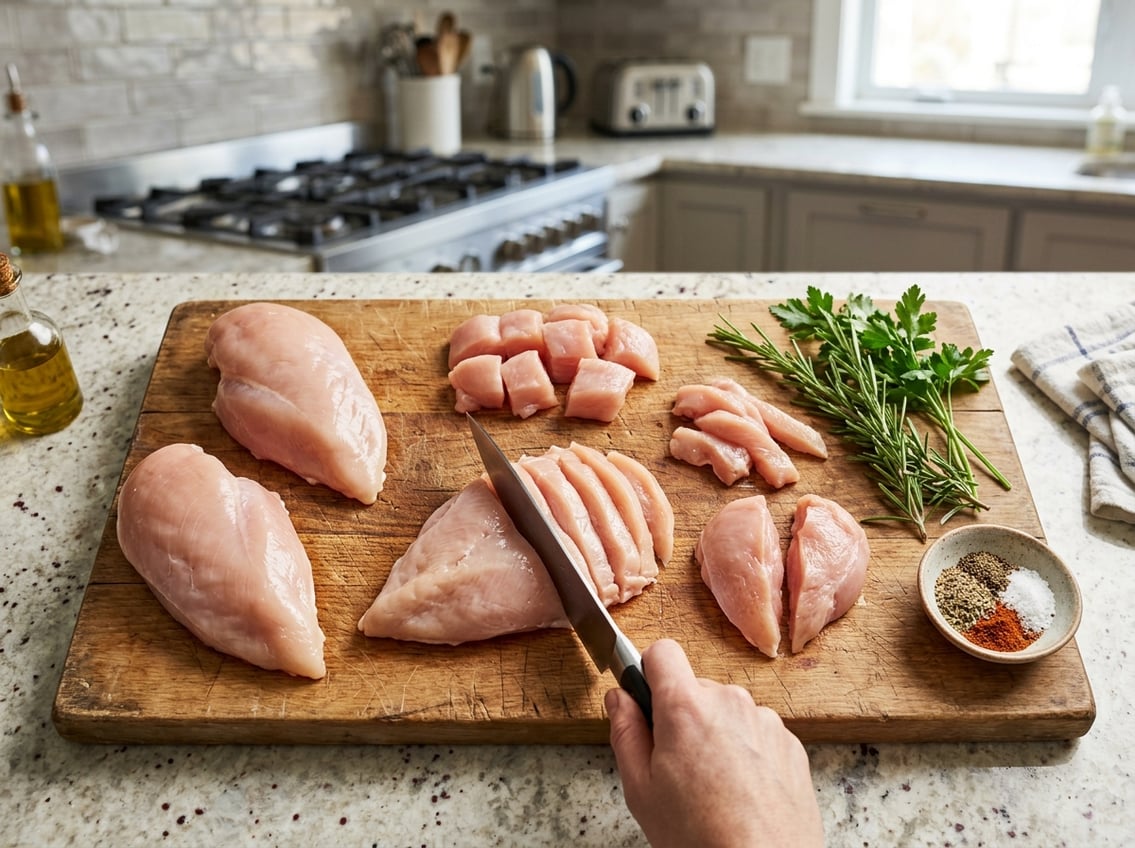
Your cut choice changes heat, timing, and texture.
Boneless skinless pieces work best when you cook them quickly and watch them closely, while bone-in cuts can handle longer cooking with a little more room for error.
Thin pieces cook faster and more evenly, which is useful when you want a crisp crust or a fast skillet meal.
That is why slicing chicken breast into cutlets is a common step for many chicken breast recipes.
Best Methods for Boneless Skinless Pieces
Boneless skinless chicken breasts do well with pan-searing, baking, grilling, poaching, and stir-frying.
If you slice them into thinner cutlets, they cook even faster and stay more tender.
This cut also works well when you cook chicken breast in a sauce.
Mild sauces, pan juices, and short cooking times help protect the meat from drying out.
Why Brining and Marinated Chicken Help
Because boneless skinless chicken has less fat, it benefits from extra moisture before cooking.
Brining or using marinated chicken can improve both flavor and texture.
According to Simply Recipes, chefs often recommend brining or marinating boneless, skinless breasts before cooking.
That advice is useful when you want a juicier result with less risk of dryness.
Dishes That Work Best With Each Option
Boneless skinless chicken breasts pair well with chicken piccata, chicken marsala, chicken cordon bleu, and chicken stir-fry.
They also suit fried chicken recipes when you use cutlets or thin pieces.
Bone-in chicken breast works better in roasted dishes where you want more flavor and moisture.
If you cook chicken breast for a saucy skillet dish or quick dinner, boneless usually saves time and gives you more control.


