
Who Chicken Breast Protein: Amounts and Nutrition
Chicken breast protein is one of the simplest ways to add high-quality protein to your meals. If you want a lean protein source that is easy to portion and widely available in the U.S., chicken breast is a strong choice.
The amount of protein in chicken breast depends on serving size, whether it is raw or cooked, and whether you weigh it with or without skin and bone. The same piece of chicken can look different in your tracker before and after cooking.
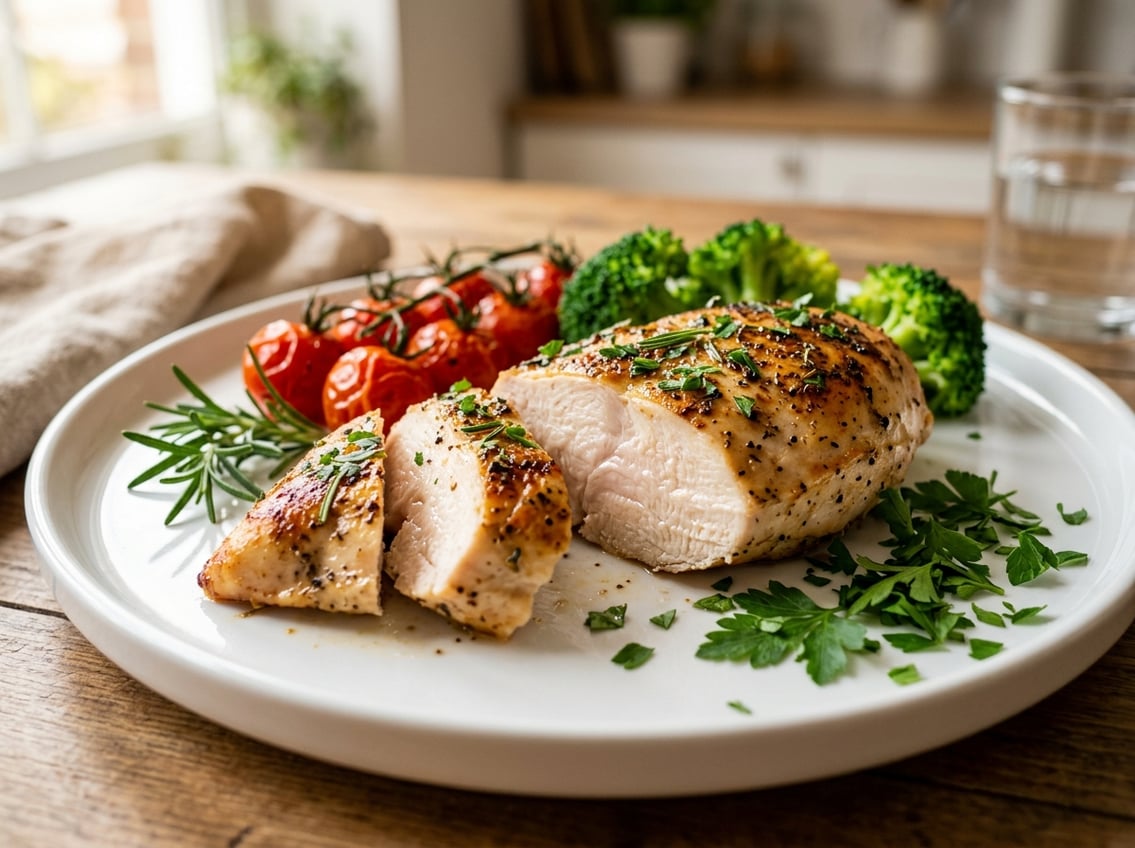
A skinless chicken breast is popular because it gives you a high protein-to-calorie ratio with very little fat. A cooked portion can provide a large share of your daily protein needs without adding many calories.
Protein Amounts by Serving Size
You can track chicken breast protein most easily by weight instead of guessing by piece size. Cooking loss changes the weight, so a cooked grilled chicken breast weighs less than a raw one even though the protein amount stays the same.
For the most accurate numbers, use the cooked weight if you log cooked food. If you weigh raw chicken, use raw values and keep the method consistent.
Protein Content Per Ounce
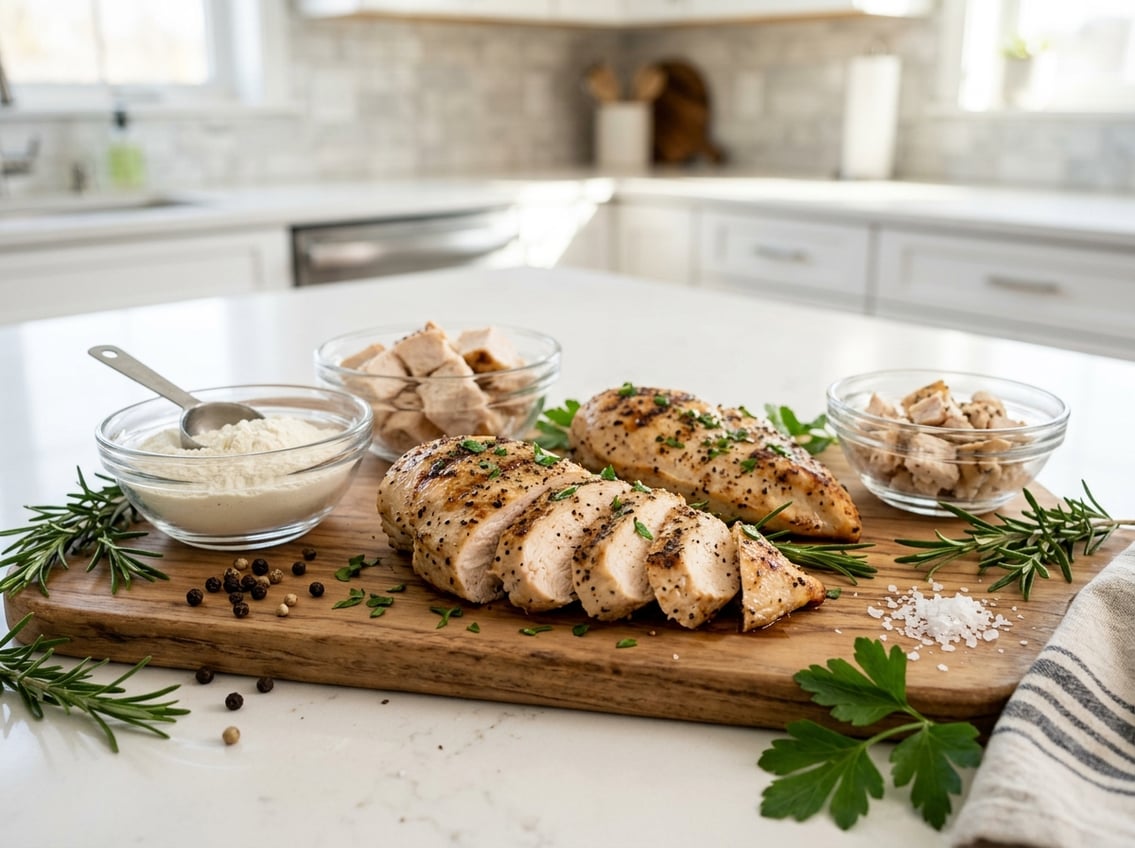
Cooked, skinless chicken breast has about 8.5 to 9 grams of protein per ounce. Raw chicken breast has less protein per ounce because it contains more water.
That difference matters when you track protein content per ounce in apps or meal plans. If you cook first, use cooked numbers. If you weigh first, use raw numbers.
Protein in 4, 6, and 8 Ounce Portions
A 4-ounce cooked chicken breast provides about 35 to 36 grams of protein. A 6-ounce cooked portion provides about 52 to 54 grams, and an 8-ounce cooked portion gives you about 70 to 72 grams of protein.
These portions show why chicken breast has a strong protein-to-calorie ratio. A modest serving delivers a large protein amount with relatively few calories.
Raw vs. Cooked Weight Differences
Chicken loses water during cooking, so the cooked weight is lower than the raw weight. A raw 6-ounce chicken breast may shrink to around 4.5 ounces after grilling, even though the protein amount stays about the same.
If your meal plan says 6 ounces, confirm whether that means raw weight or cooked weight before you portion it.
Nutrition Profile Beyond Protein
Chicken breast is known for lean protein, but it also gives you useful vitamins and a low fat profile that fits many eating plans.
A skinless cut has a strong protein-to-calorie ratio, so you get more protein for each calorie you eat. That makes it useful for weight control and muscle support.
Calories, Fat, and Lean Protein Value
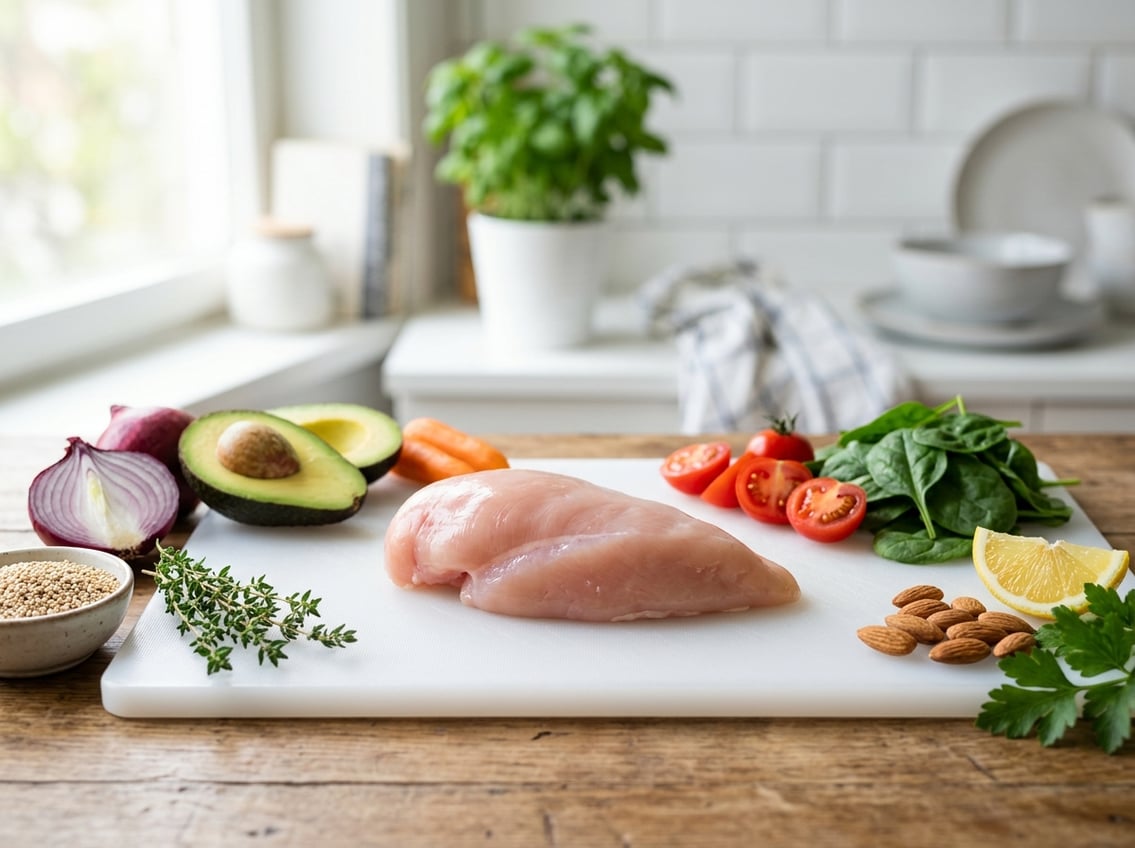
Skinless chicken breast is a classic lean protein because it is high in protein and low in fat. A grilled, boneless, skinless serving is often used in diet plans for that reason.
Because the fat level is low, the calorie count stays relatively modest compared with fattier meats. That helps you fit more food into your day while keeping protein intake high.
Vitamin B6, Niacin, and Tryptophan
Chicken breast gives you vitamin B6 and niacin, two B vitamins that help your body use energy from food. It also contains tryptophan, an amino acid your body uses in normal protein function.
Chicken also contributes to bone health when it is part of a diet that includes enough protein, calcium, and other key nutrients.
Monounsaturated Fat and Polyunsaturated Fat
Chicken breast is not a high-fat food, but it does contain small amounts of monounsaturated fat and polyunsaturated fat. Those fats can fit into a healthy eating pattern when you choose sensible portions.
If you remove the skin, you keep the lean protein benefits and lower the total fat even more. That is one reason skinless chicken breast remains a common choice for meal prep.
How Chicken Breast Fits Health and Fitness Goals
Chicken breast fits many goals because it gives you a large protein serving without much extra fat. That can help you stay full and support recovery.
The best use depends on your total intake for the day. A single meal with chicken breast can do a lot, especially when paired with vegetables, grains, or fruit.
Meeting Daily Protein Goals
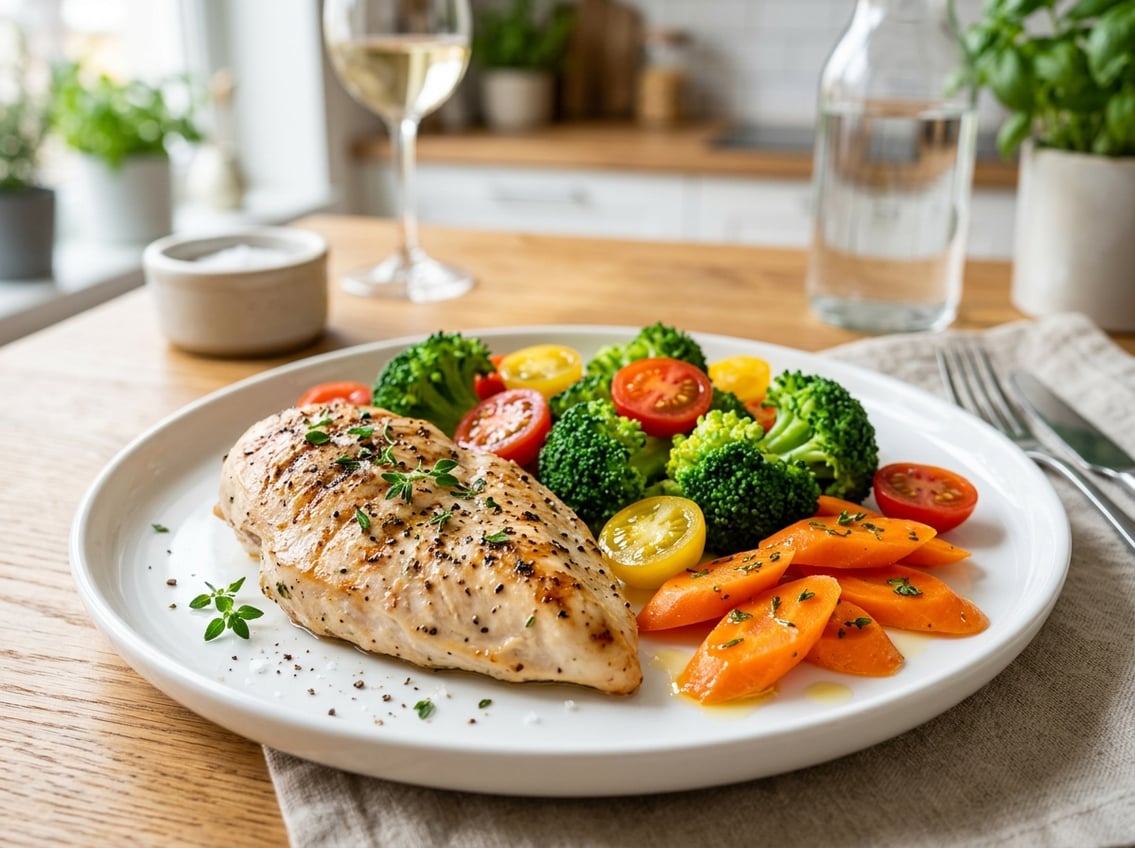
If you are trying to hit daily protein goals, chicken breast is easy to plan around. A 4 to 6 ounce portion can supply a major part of a meal’s protein target without forcing you to eat a very large volume of food.
That is helpful whether you are counting macros or just trying to build more balanced meals. It also works well when you want a simple protein source that is widely available in U.S. grocery stores.
Maintain Muscle Mass and Recovery
If you want to maintain muscle mass, protein quality matters as much as protein amount. Chicken breast provides complete protein, which is useful after training and during weight loss plans.
It is also a practical recovery food because it is easy to cook, easy to portion, and easy to combine with other foods. Many athletes use grilled chicken breast for that reason.
Best Ways to Use It in Meals
Chicken breast works well in bowls, wraps, salads, and simple dinner plates. A chicken Caesar salad can be a good choice if you control the dressing and croutons, since the chicken adds protein while the rest of the meal adds texture and flavor.
You can also use sliced chicken in rice bowls, tacos, pasta, or sandwiches. If you want a lighter meal, pair it with vegetables and a starch in measured portions.
Choosing, Preparing, and Handling It Correctly
The way you buy and prepare chicken breast affects both portion accuracy and food safety. Bone, skin, and moisture loss all change the final numbers you log.
Keep your measurements consistent and handle the meat safely from store to plate.
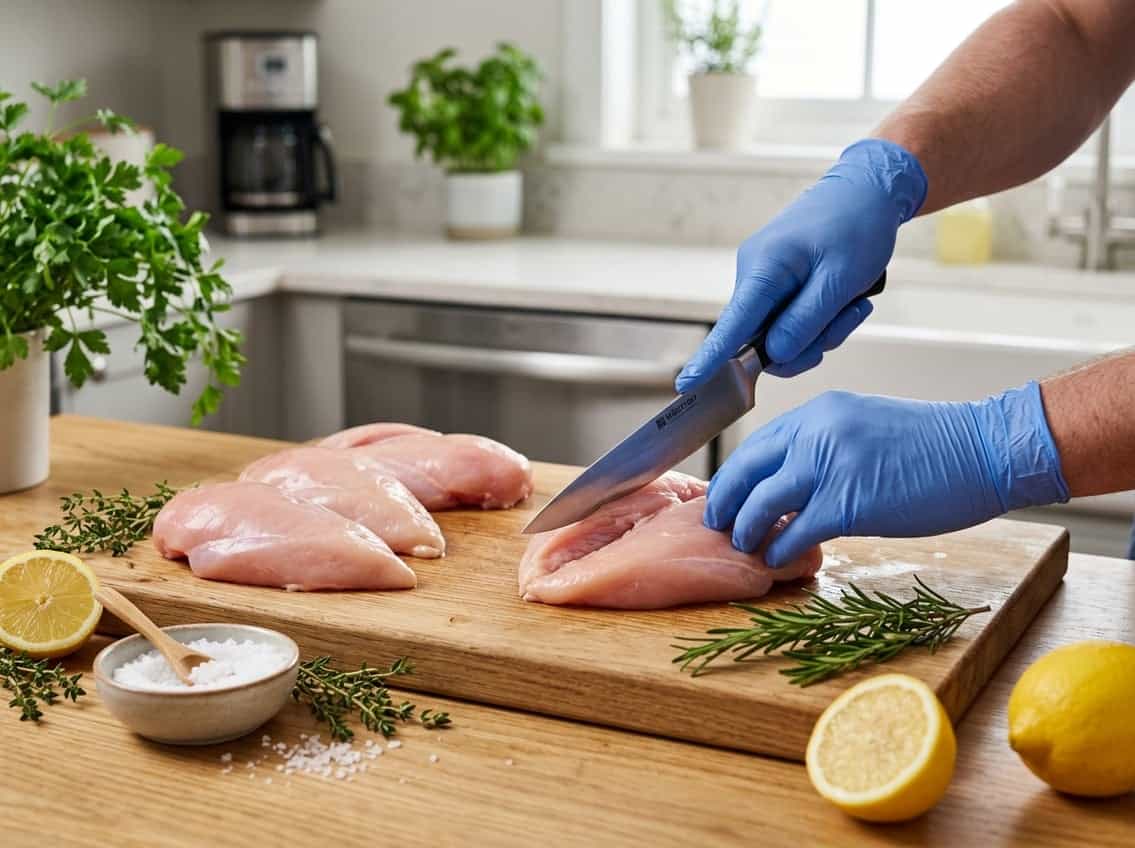
Bone-In Chicken Breast vs. Boneless
A bone-in chicken breast weighs more than the edible meat alone because the bone adds weight. The protein content per ounce is lower than in a boneless cut.
If you want accurate tracking, boneless skinless chicken breast is easier to portion. If you buy bone-in, you need to account for the edible yield, not just the package weight.
Skinless Options and Portion Accuracy
Skinless chicken breast gives you more reliable protein content per ounce because there is less fat and no skin weight to factor in. That makes it easier to match the nutrition label or app entry.
For the best accuracy, use a kitchen scale and weigh the chicken the same way every time. If you log cooked chicken, keep using cooked weights. If you log raw chicken, stay with raw weights.
Food Safety Essentials
Food safety matters every time you cook chicken breast.
Keep raw chicken chilled and avoid cross-contamination.
Cook chicken to an internal temperature of 165°F.
Wash your hands and clean cutting boards.
Store leftovers promptly.


