
Don Chicken Breast Halal: How to Verify It
Don chicken breast halal status depends on the exact product, not just the cut of meat. Chicken breast qualifies as halal only if the bird was handled and processed under halal standards that fit Islamic dietary laws.
You should verify the package, the certification, the ingredient list, and the facility claims before assuming the product is halal. This is especially important in the U.S. market, where chicken breast may come from a halal brand, a conventional processor, or a deli case with unclear handling.
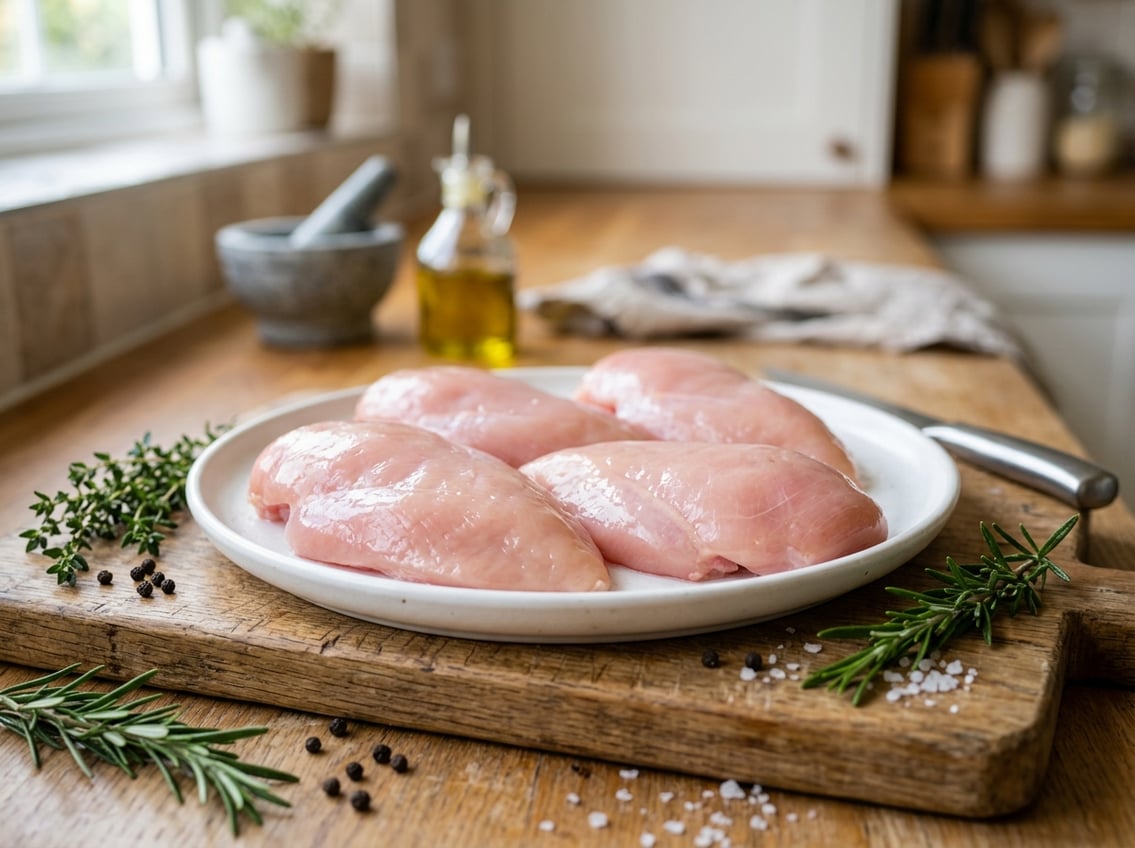
Crescent Foods lists its boneless skinless breast as “Certified Halal Hand-Cut,” along with other process claims. Retailer listings such as Crescent Foods halal boneless skinless chicken breast fillets at H-E-B can help you confirm that the item is sold as a halal product in a U.S. store.
How to Check Whether Don Chicken Breast Qualifies
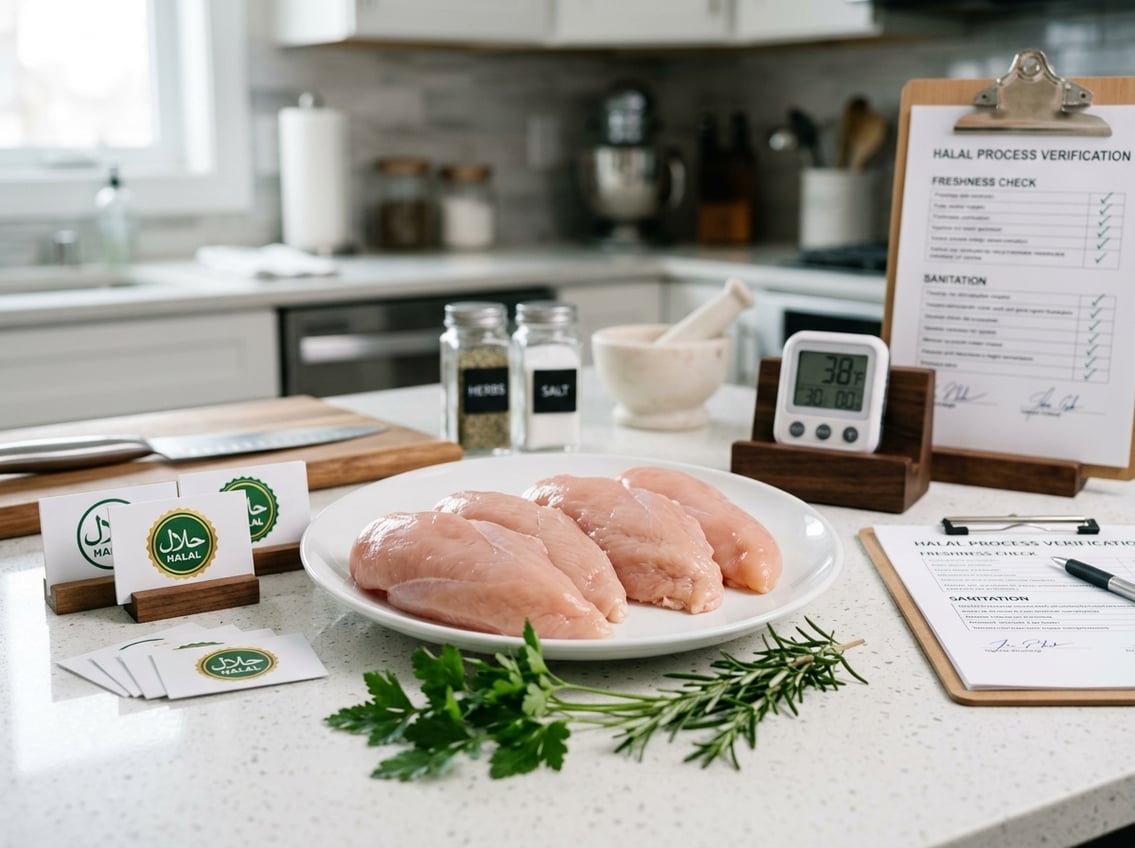
Check more than the front label. The halal status can depend on certification, processing, and added ingredients.
Start with the packaging. Then review the product form and the company’s disclosures.
That order helps you separate clearly halal products from items that are only chicken breast in name.
Look for Halal Certified Packaging and Labeling
A halal certified seal is the most direct sign to look for. Many halal products use a logo or certifier name on the package, which matters more than vague wording like “natural” or “premium.”
If the package names a halal certifier, make sure the logo is legible and the claim applies to the exact item you are buying. Some brands certify certain cuts or lines, not every chicken product they sell.
Check Whether the Product Is Fresh, Processed, or Ready to Eat
Fresh raw chicken breast is easier to evaluate than processed or ready to eat chicken. Once the meat is breaded, seasoned, smoked, cooked, or sliced for deli use, added ingredients and shared equipment can affect halal status.
For ready to eat items, the label should explain how the product was made and whether it stays within halal standards after cooking or packaging. If that information is missing, treat the item as unverified.
Review Ingredients, Facility Claims, and Brand Disclosures
Read the ingredient list for broth, flavoring, enzymes, and carriers. These may be small parts of the label, but they can matter if they come from non-halal sources.
Look for statements about shared equipment, processing plants, and poultry handling. Brands that publish process details, like Crescent Foods does on its product pages and company information, make verification easier because they show how the chicken is raised, processed, and packaged.
What Makes Chicken Halal or Not
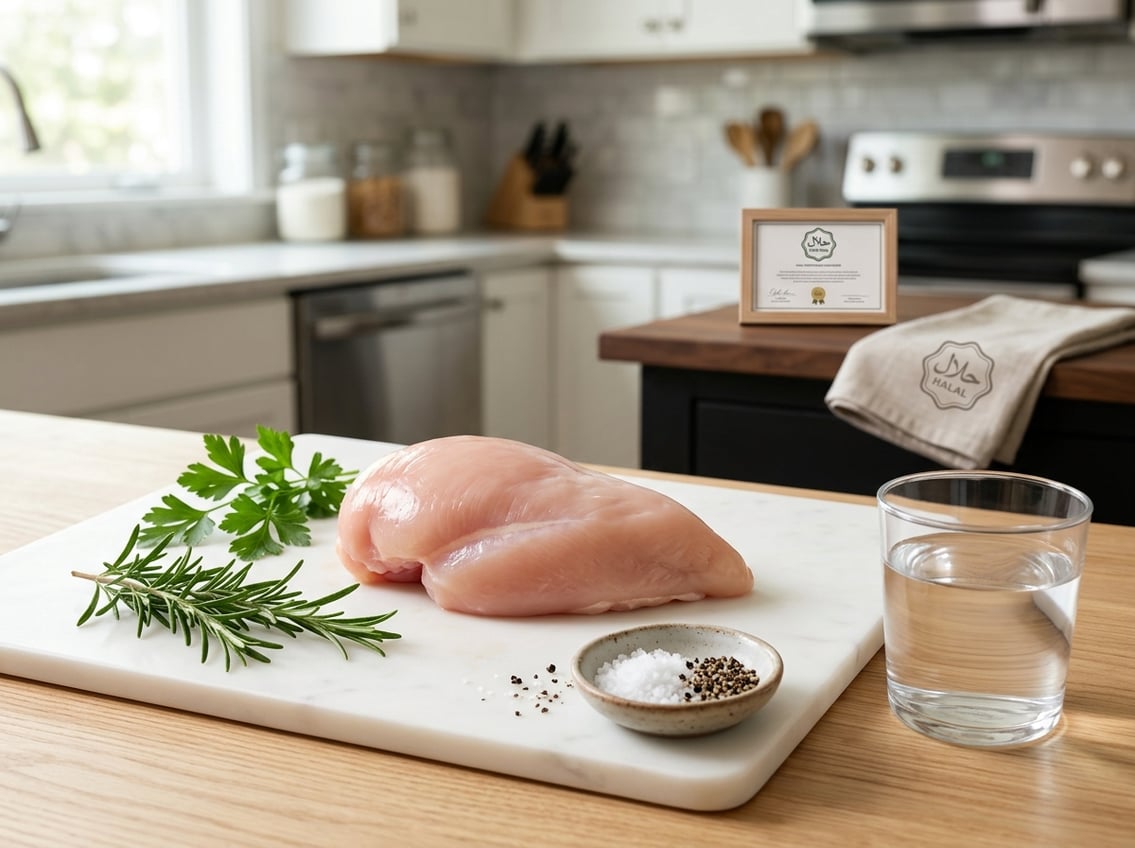
Chicken is not automatically halal just because it is chicken. Under Islamic dietary laws, the animal, the slaughter method, and the handling process all matter.
If one part of the chain does not meet halal standards, the final product may not qualify.
Core Rules Under Islamic Dietary Laws
Halal chicken must come from a permissible animal and be slaughtered in a permitted way. The process also requires cleanliness and the absence of prohibited ingredients or contamination.
General guides such as XO Halal’s explanation of halal certification and HalalCheck’s note on chicken breast show that buyers often need product-level confirmation, not assumptions.
Why Hand Slaughtered Claims Matter to Some Buyers
Some buyers care about hand slaughtered claims because they connect the product to a specific halal method. That claim can be important when the label also names the slaughter process and the certifier.
The term “hand slaughtered” still needs support. A brand must explain who performed the slaughter, how it was done, and which certifier approved it.
How Cross-Contamination and Processing Can Affect Status
Cross-contamination can happen during cutting, marinating, cooking, or packing. Shared knives, conveyors, fryers, and seasoning systems can all affect a product’s status.
That risk is higher with deli chicken, breaded chicken, and ready to eat items than with sealed raw breast meat. If a company does not disclose its process, do not assume the product stayed halal from start to finish.
How Don Chicken Breast Compares With Other Halal Options
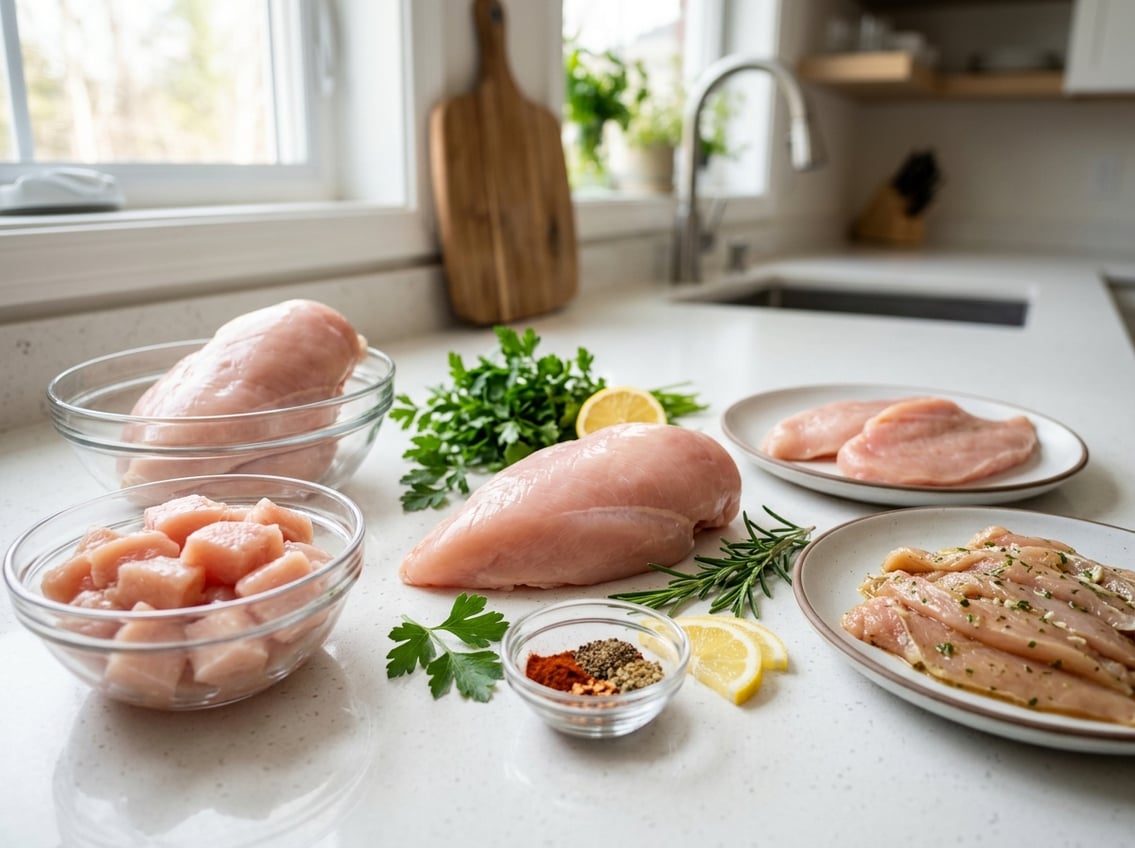
Don chicken breast, if you see it sold in a deli, prepared food case, or as a store brand item, may be harder to verify than specialty halal products. Mainstream chicken is often easier to find, while certified halal lines give you clearer documentation.
You should compare the label, the certifier, the processing method, and how easy it is to trace the product.
Differences Between Mainstream Deli Chicken and Halal Specialty Brands
Mainstream deli chicken often relies on store-level handling and may not post full halal details. Specialty brands usually print certification claims, handling rules, and product-specific information on the package.
A halal specialty brand is more likely to show whether the chicken breast was certified, hand-cut, and processed under controlled conditions.
What to Compare Across Chicken, Beef, and Mixed Halal Products
Chicken, beef, and mixed halal products can all be certified, but the verification steps may differ. Mixed products need extra attention because sauces, fillers, and seasonings can introduce non-halal ingredients.
If you are comparing categories, check whether each item has a certifier, a clean ingredient list, and clear facility claims.
Where Shoppers Commonly Find Certified Alternatives
You will often find halal chicken in specialty grocery stores, larger chains, and online retail listings. U.S. retailers sometimes stock halal options from known brands, and search results like Target’s halal chicken assortment show that certified poultry is widely available in frozen and prepared forms.
You can also look at halal-focused brands that publish product pages and store locators. These listings make it easier to confirm that the item you buy is the same one the brand certifies.
Buying and Using Verified Alternatives
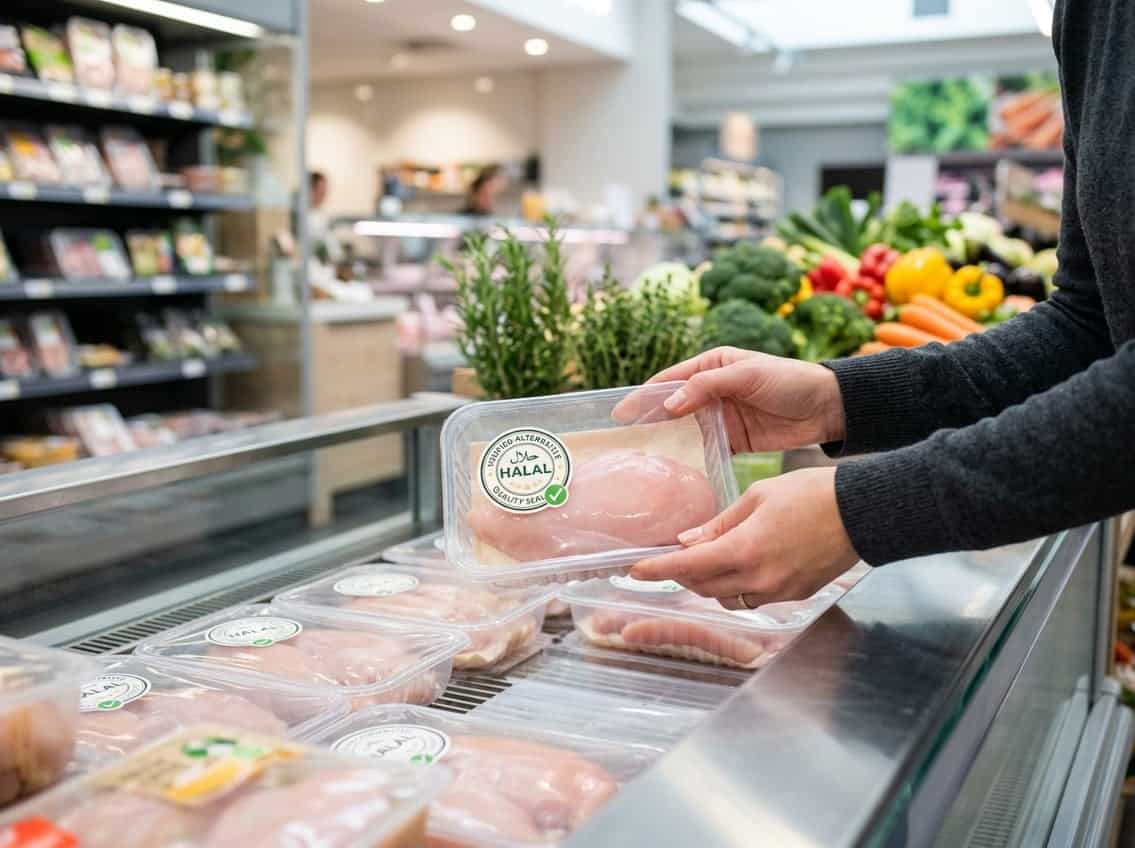
Once you find a verified product, confirm how it is sold and how you will use it. A good halal chicken breast should fit both your dietary needs and your cooking plans.
The best options are easy to trace, easy to store, and easy to cook.
What to Ask a Store, Butcher, or Restaurant
Ask whether the chicken is halal certified and which certifier approved it. You can also ask whether the item is fresh, frozen, marinated, or cooked on shared equipment.
If you are buying from a butcher or restaurant, ask whether the supplier provides documentation for the exact batch. A clear answer is better than a general claim that the business “serves halal.”
Best Uses for Halal Chicken Breast at Home
Halal chicken breast works well for grilling, baking, stir-fries, sandwiches, and salads. It also fits simple meal prep because the cut cooks fast and stores well in the fridge or freezer.
Brands such as Crescent Foods describe their breast cut as versatile for many meals, which matches how most home cooks use it. This makes it a practical choice if you want one protein for several recipes.
Simple Meal Ideas and Recipes for Everyday Cooking
You can keep meals basic and still get good results.
Try lemon-garlic chicken breast with rice. Serve sliced chicken over a salad, or pan-sear chicken breast with roasted vegetables.
For a fuller meal, use halal chicken breast in fajitas. Make shawarma-style wraps or pasta.
If you buy hand slaughtered or certified halal meat, you can use the same cooking methods you already trust. Keep the rest of the ingredients halal too.


