
What Do Chicken Breasts Do in Recipes?
Chicken breasts do most of the quiet work in recipes. They act as a lean protein base that takes on seasoning, sauces, breading, and marinades with ease.
They give you a mild, flexible canvas that can become a simple weeknight dinner, a saucy skillet meal, or a shredded filling for soups and tacos.
That is why so many chicken breast recipes stay in regular rotation.
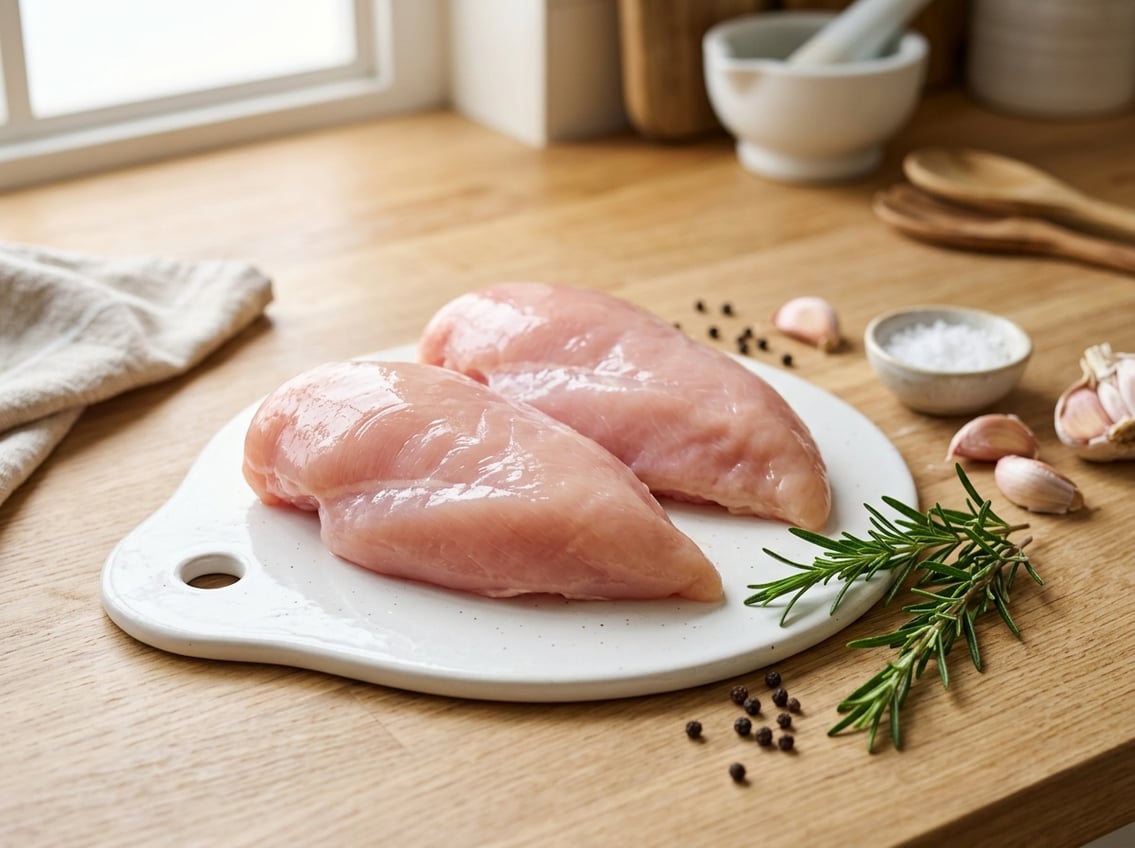
You can use them in many chicken recipes, from baked dinners to fast skillet meals.
They cook quickly, pair well with many flavors, and fit a wide range of cooking styles.
How Chicken Breasts Work in Everyday Cooking
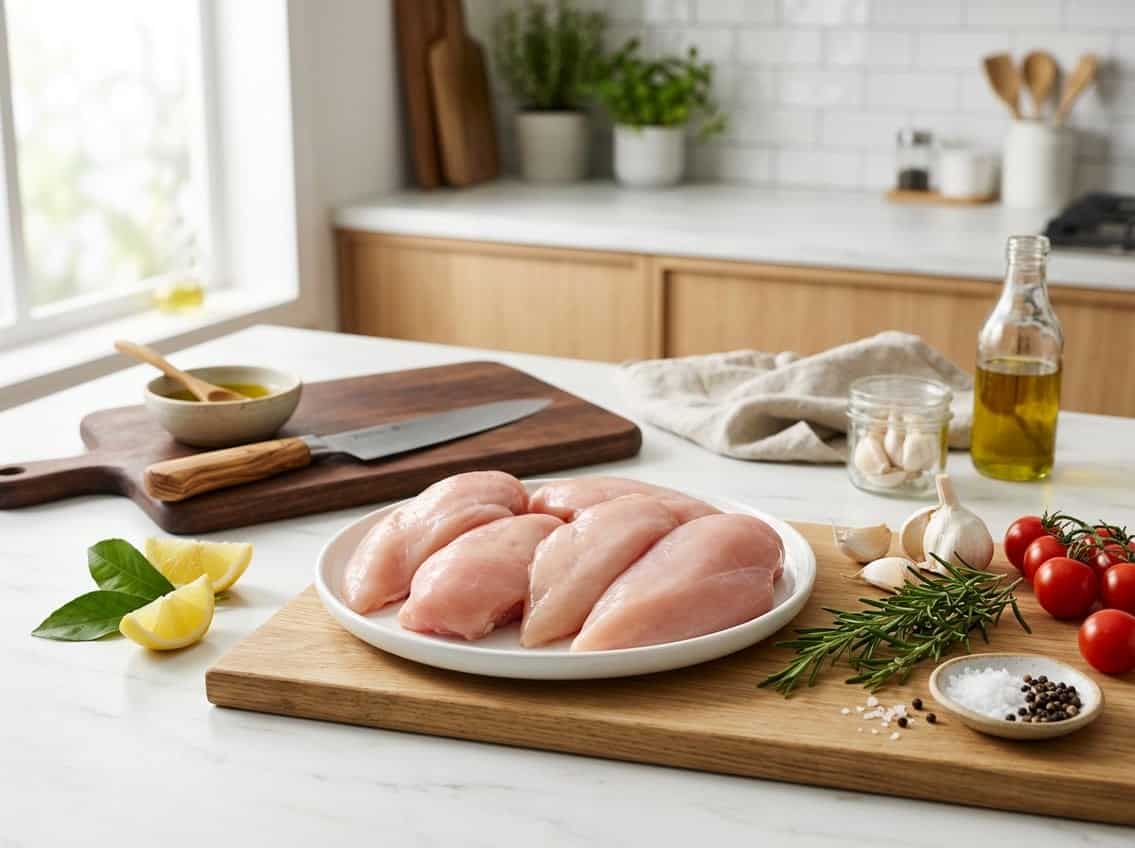
Chicken breasts are a lean, mild cut, so they work like a blank base in recipes.
They absorb seasoning well, cook fast, and can be used whole, sliced, diced, or shredded.
Why This Cut Is So Popular
Boneless skinless chicken breasts are popular because they are easy to portion and fast to cook.
A chicken breast is the white meat from the pectoralis major muscle, so it has a clean flavor that fits many dishes.
You can turn one boneless chicken breast into a full dinner, salad topping, sandwich filling, or meal prep protein.
That flexibility is a big reason home cooks reach for it so often.
Boneless Vs. Bone-In Use Cases
Choose boneless skinless chicken breast when you want speed and simple slicing.
Bone-in chicken breasts usually take longer, yet they often bring more flavor and moisture, as noted in ingredient guidance from Nielsen Good Food.
If you want a quick skillet dinner, use boneless skinless chicken breasts.
If you want a roast-style meal with a little more richness, bone-in pieces can be a better fit.
What Texture and Flavor to Expect
Chicken breast tastes mild and slightly meaty.
The texture is firm when cooked correctly, though it can turn dry if you cook chicken breast too long.
When you use the right heat and timing, you get tender chicken breasts that slice cleanly and hold sauce well.
When Chicken Breast Is Better Than Other Cuts
Chicken breast works well when you want low fat, simple prep, or a neutral flavor that matches many seasonings.
It also works well when a recipe depends on even slices, such as cutlets or stuffed breasts.
Chicken thighs can give you more richness, yet chicken breast is usually the better choice for lighter meals and fast cooking.
For many everyday dinners, it is the best way to cook chicken breast when you need a quick, dependable protein.
How to Prep Chicken for Better Results
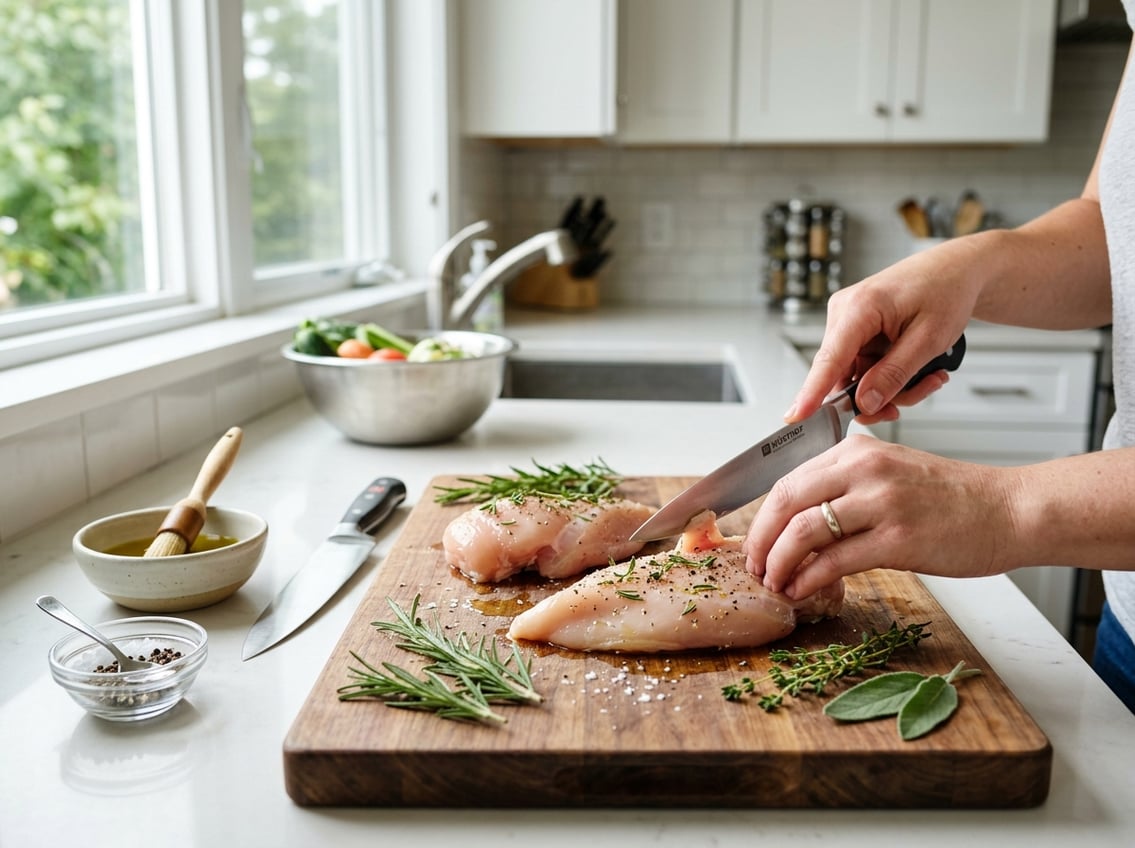
Good prep makes a big difference with boneless skinless chicken breasts.
Simple steps like flattening, seasoning, and resting help you cook chicken breast more evenly and keep the meat tender.
Pounding for Even Thickness
Chicken breasts often have a thick end and a thin end.
Lightly pounding them to an even thickness helps them cook at the same rate, which lowers the chance of dry edges and undercooked centers.
Use a meat mallet or rolling pin between two sheets of plastic wrap or parchment.
Flatten them enough to even out the shape.
Brining and Marinating Basics
A quick brine or a marinade can help chicken breasts stay moist and flavorful.
Brining adds salt and moisture, while marinades add flavor and can improve surface tenderness.
Even 30 minutes can help on a busy night.
For stronger flavor, marinate in the refrigerator for a few hours, then pat the chicken dry before cooking so it browns better.
Seasoning for Simple Weeknight Meals
For basic meals, salt, pepper, garlic powder, and paprika go a long way.
You can also use Italian seasoning, chili powder, cumin, or lemon zest, depending on the dish.
Keep seasoning direct and balanced.
Chicken breast has a mild taste, so it benefits from enough salt and a clear flavor profile.
Safe Temperature and Resting Guidelines
Cook chicken breast to an internal temperature of 165°F in the thickest part, according to Chef’s Resource.
A thermometer is the most reliable way to avoid guessing.
Let the chicken rest for a few minutes before slicing.
That short pause helps the juices settle, which improves the final texture.
Best Cooking Methods for Juicy, Versatile Meals
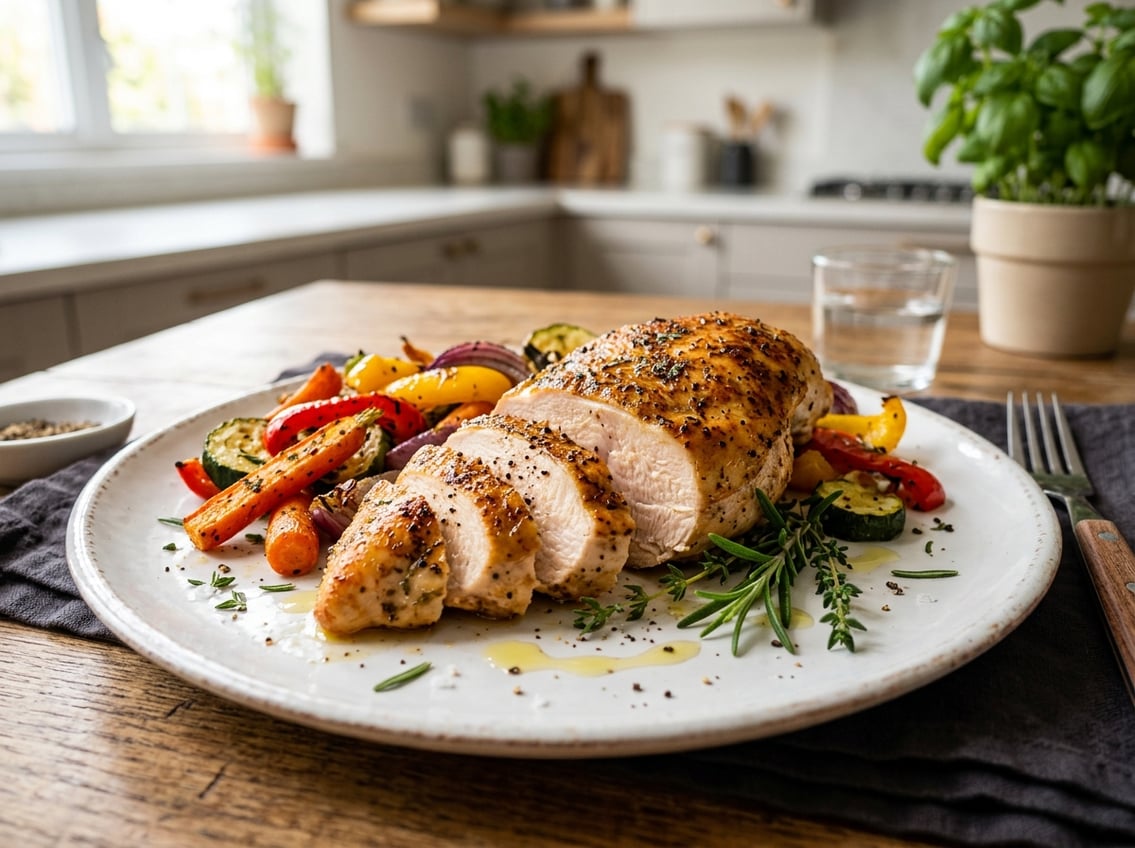
The best way to cook chicken breast depends on the meal you want.
Baking, searing, grilling, and poaching each create a different texture, from browned and crisp to soft and easy to shred.
How to Bake Chicken Breasts
If you want a steady, hands-off method, bake chicken breasts.
Season them, place them in a lightly oiled dish or on a sheet pan, and bake until they reach 165°F.
For baked chicken breast, avoid very long oven times, since dry meat is the most common problem.
A hot oven and a thermometer help you bake chicken breasts with better results.
Pan-Seared Chicken Breast
Pan-seared chicken breast gives you a browned outside and a juicy center.
Start in a hot skillet, then lower the heat or finish in the oven if the pieces are thick.
This method works well for cutlets, saucy dinners, and recipes that need fond in the pan.
It is a strong choice when you want flavor in a short amount of time.
How to Grill Chicken
To grill chicken, begin with even thickness and light oil on the surface.
Grill over medium heat so the outside does not char before the center cooks.
Grilled chicken breasts work well for salads, sandwiches, and meal prep.
They also pair well with bold rubs, citrus marinades, and simple herb seasoning.
Poaching for Shredded Chicken and Meal Prep
Poaching gives you gentle heat and soft meat that is easy to shred.
Use this method when you want shredded chicken for tacos, casseroles, soups, or sandwiches.
Poaching and steaming use little added fat and help keep the meat tender, as noted by Health.
Where Chicken Breasts Fit Best in Popular Dishes
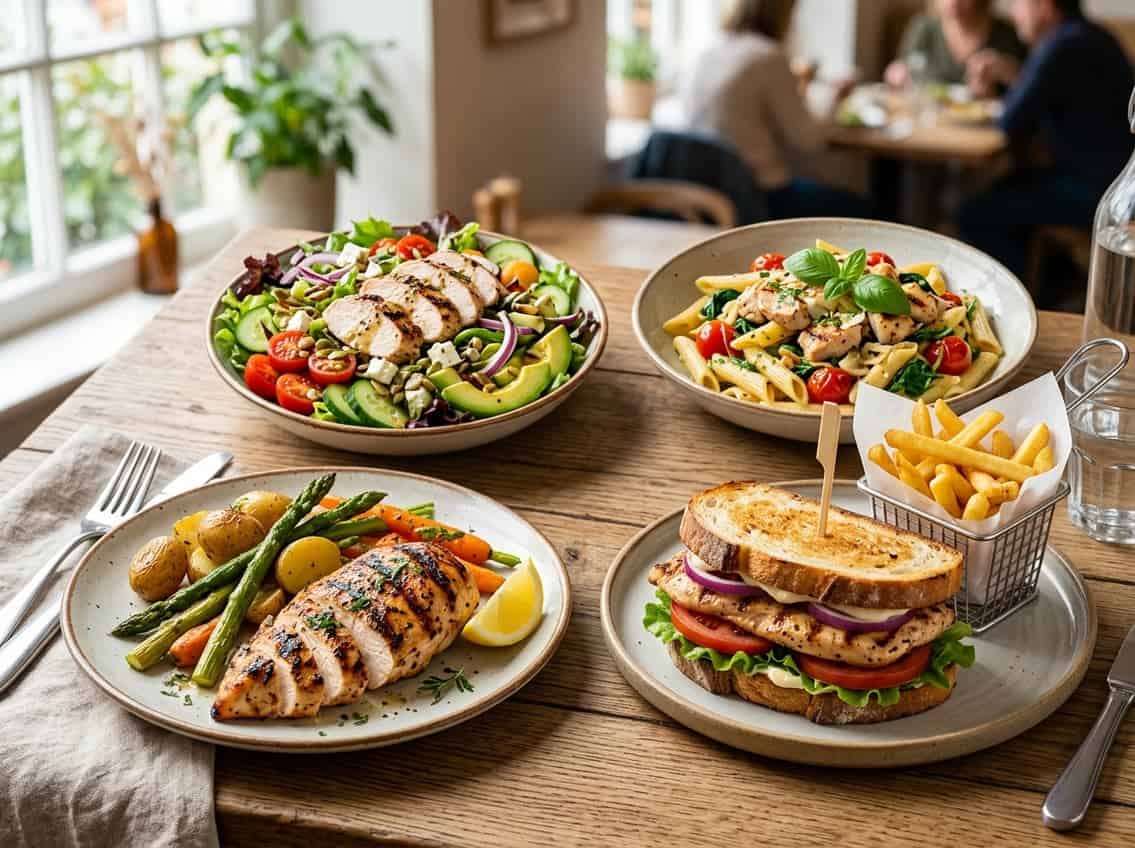
Chicken breasts fit into many dishes because they take on sauce, breading, and seasoning without much resistance.
You can use them in crispy comfort food, creamy skillet dinners, fast stir-fries, and hearty soups.
Breaded and Saucy Favorites
Chicken parmesan and chicken parm use chicken breast because the cut is easy to flatten, bread, and top with sauce and cheese.
Chicken piccata and chicken marsala also work well with cutlets, since the meat cooks fast and absorbs pan sauce.
You can also use chicken breast in chicken katsu, where a thin, breaded cutlet gives you a crisp outside and a tender center.
Caprese chicken and lemon chicken breasts are useful when you want a bright sauce or fresh topping.
Skillet and Cream Sauce Dinners
Chicken florentine, chicken alfredo, and marry me chicken all benefit from the mild flavor of chicken breast.
The meat balances rich sauces without overpowering them.
Pan-cooked chicken breast also works in butter chicken, where the sauce does much of the flavor work.
For creamy meals, slice the chicken after cooking so the sauce coats each piece evenly.
Stir-Fries, Bowls, and Fast Weeknight Meals
Chicken stir-fry, mongolian chicken, chicken and broccoli, and chicken fajitas all fit chicken breast well because you can cut it into quick-cooking strips or cubes.
That helps the meat cook at the same pace as the vegetables.
For fast meals, use chicken breast in rice bowls, wraps, and sheet pan dinners.
Add black beans for more fiber and a more filling plate.
Soups, Chilis, and Comfort Food Classics
Shredded chicken breast works well in white chicken chili and chicken and dumplings.
It also fits well in soups where you want a lean protein that blends into the broth.
When you cook it gently, chicken breast holds its shape in cozy dishes.
It gives you a clean protein base that soaks up herbs, stock, and sauce without adding heaviness.


