
What Chicken Breast Nutrition Means for Your Diet
Chicken breast nutrition gives you a lot of protein for relatively few calories. That makes it a useful food when you want to support muscle, manage hunger, or keep meals simple.
If you want a high-protein food that is easy to portion and fit into many eating plans, chicken breast is one of the most practical choices. Chicken breast nutrition facts show very little carbohydrate, modest fat when the skin is removed, and a strong amino acid profile.
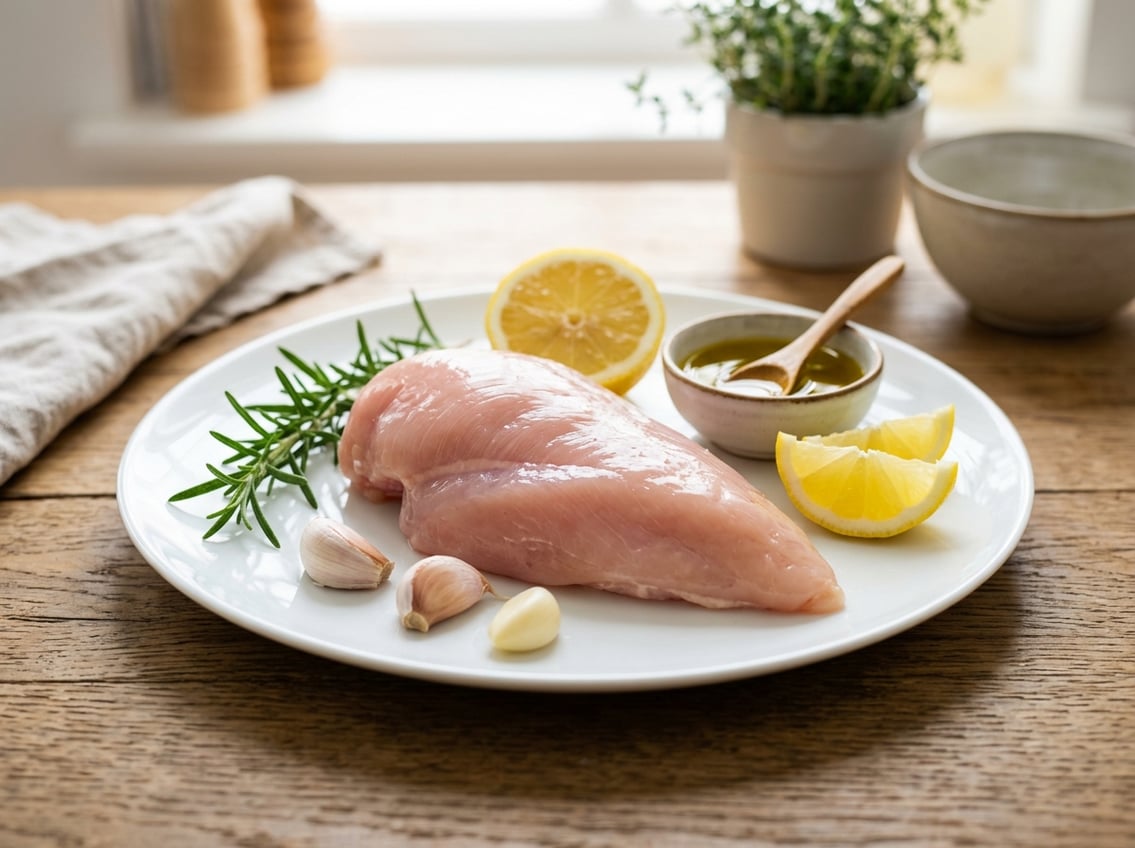
Serving size and cooking method change the nutrition numbers. A plain, skinless breast is much leaner than one cooked with skin, breading, heavy sauce, or extra oil.
Calories, Protein, and Macros at a Glance
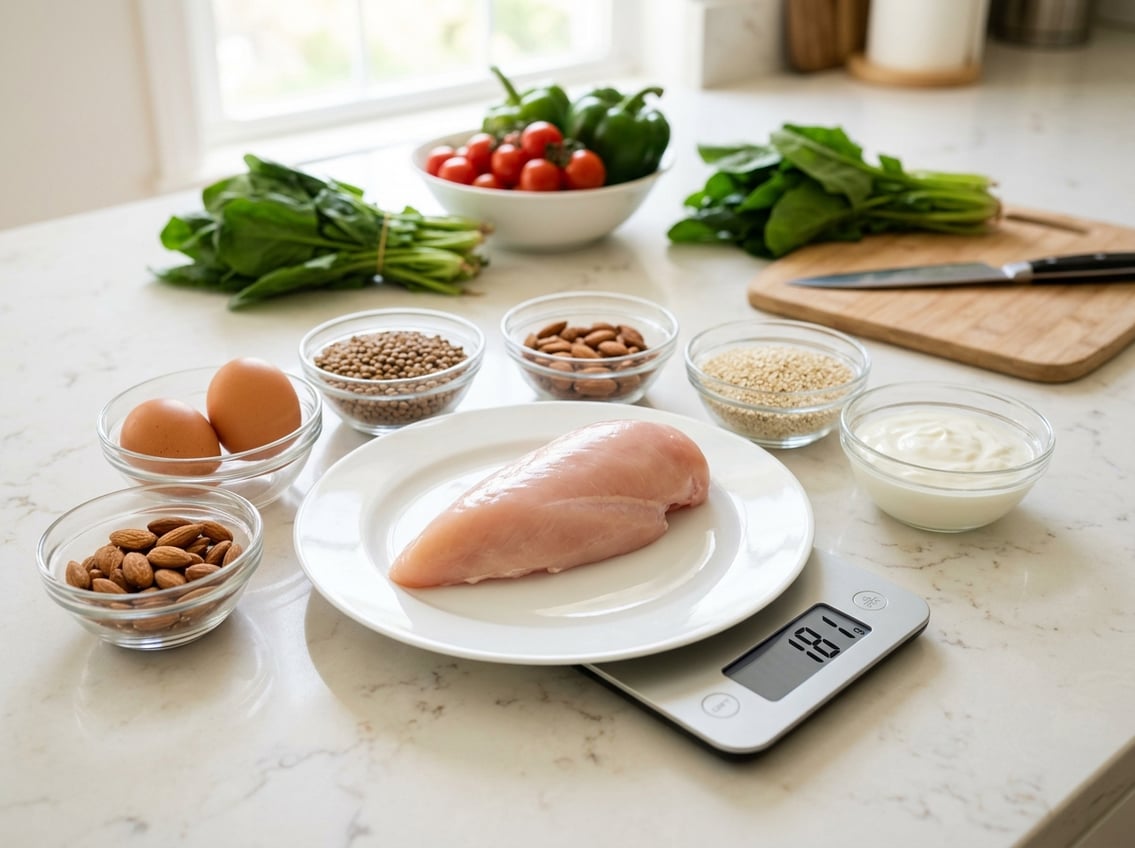
Chicken breast offers a favorable balance of calories and protein. Most of the calories in chicken breast come from protein, and the fat stays fairly low when you choose skinless cuts.
A 3-ounce serving of grilled, boneless, skinless chicken breast has 128 calories, 26 grams of protein, 2.7 grams of fat, and no carbs.
Typical Calories in Chicken Breast by Serving Size
A 3-ounce serving is the standard reference point, but many real portions are larger. A medium or large chicken breast on your plate may contain far more than one serving.
- 3 ounces cooked, skinless: about 128 calories
- 100 grams cooked, skinless: about 165 calories, based on common nutrition label values
- One medium breast with skin: often much higher because of added fat and a larger portion size
Portion size matters as much as the cut itself when you track calories in chicken. A kitchen scale gives you the most accurate result.
Macronutrient Breakdown of Skinless Cuts
Skinless chicken breast is a classic source of lean protein. Its macronutrients are mostly protein, with a small amount of fat and zero carbohydrate unless you add breading or sugary sauce.
For a cooked, skinless breast, the usual pattern looks like this:
- Protein: high
- Fat: low
- Carbohydrates: none
Why Chicken Breast Is Considered Lean Protein
Lean protein means a protein food with little fat per serving. Chicken breast fits that pattern well, especially when you remove the skin and use dry heat methods like grilling, baking, or roasting.
This makes it useful when you want to raise protein without pushing calories too high. Chicken breast is common in sports nutrition and weight control eating plans for this reason.
How Preparation Changes the Nutrition Profile
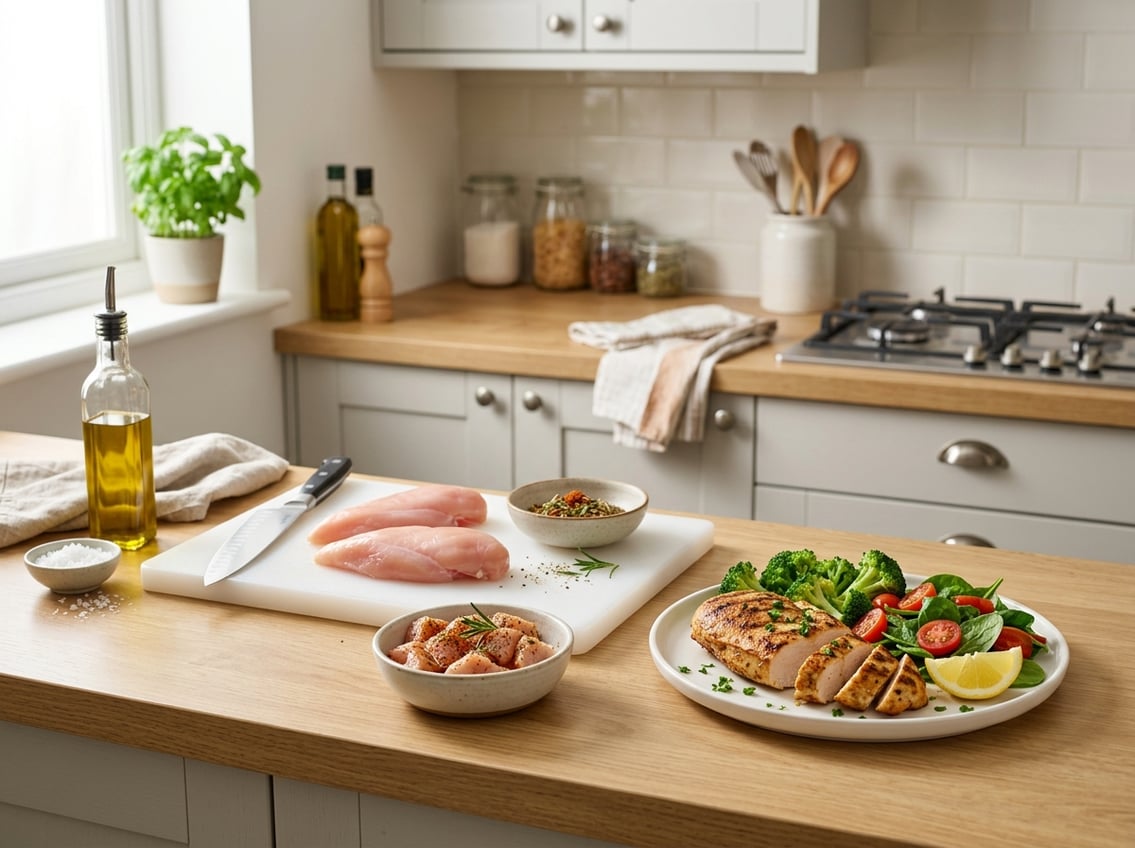
Changing the skin, cooking method, or added ingredients can shift the nutrition facts for chicken breast a lot. A plain breast and a breaded, pan-fried breast can look like two very different foods on your plate.
Skinless Chicken Breast vs Chicken Breast With Skin
Skinless chicken breast has fewer calories and less fat than chicken breast with skin. Verywell Fit notes that a 3-ounce roasted, broiled, or baked chicken breast with skin has 166 calories, 6.6 grams of fat, and 25 grams of protein, compared with 128 calories and 2.7 grams of fat for skinless chicken breast.
The skin adds fat, which also raises calories. If you want the leanest option, skinless cuts are the better fit.
Raw vs Cooked Nutrition Differences
Cooking causes chicken breast to lose water, so cooked portions become denser in calories and protein by weight. Raw package labels and cooked nutrition charts can look different because of this.
To compare calories in chicken breast fairly, match the measurement to the form you are eating, raw or cooked.
How Oils, Breading, and Sauces Affect Totals
Added ingredients can quickly change chicken breast nutrition facts. Oil adds fat, breading adds carbohydrate and calories, and sauces often add sugar, sodium, or both.
Dry seasoning keeps the numbers closer to plain chicken. A pan coating of olive oil, a thick breading, or a sweet barbecue glaze can turn a lean meal into a much more calorie-heavy one.
Key Nutrients and Amino Acids
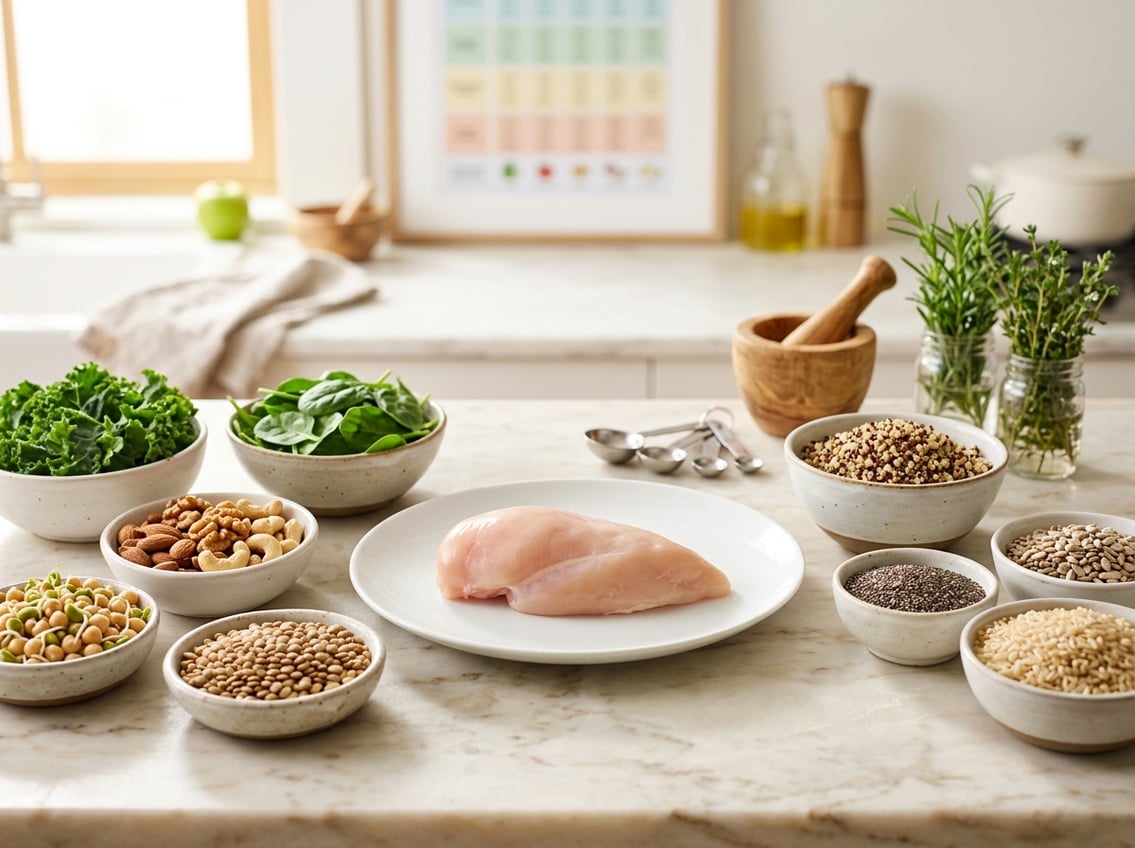
Chicken breast nutrition is not only about protein and calories. It also provides key vitamins, minerals, and essential amino acids that help support body functions, muscle repair, and daily energy use.
Important Vitamins and Minerals in Each Serving
Chicken breast is a very good source of selenium, phosphorus, vitamin B6, and niacin, according to Verywell Fit. These nutrients help with thyroid function, energy metabolism, and cell activity.
You also get smaller amounts of other nutrients, depending on the cut and cooking method.
Essential Amino Acids and Protein Quality
Chicken breast gives you all essential amino acids, which means it is a complete protein. Your body cannot make these amino acids on its own, so you need to get them from food.
This makes chicken breast a strong protein choice for building and maintaining muscle. It gives your body the raw materials it needs to make and repair tissue.
What Arginine and Glutamic Acid Contribute
Chicken breast contains amino acids such as arginine and glutamic acid. Arginine plays a role in nitric oxide production and other body processes, while glutamic acid is involved in protein structure and normal cell function.
These amino acids add to the full mix that supports high-quality protein intake.
How to Use It in a Balanced Eating Plan
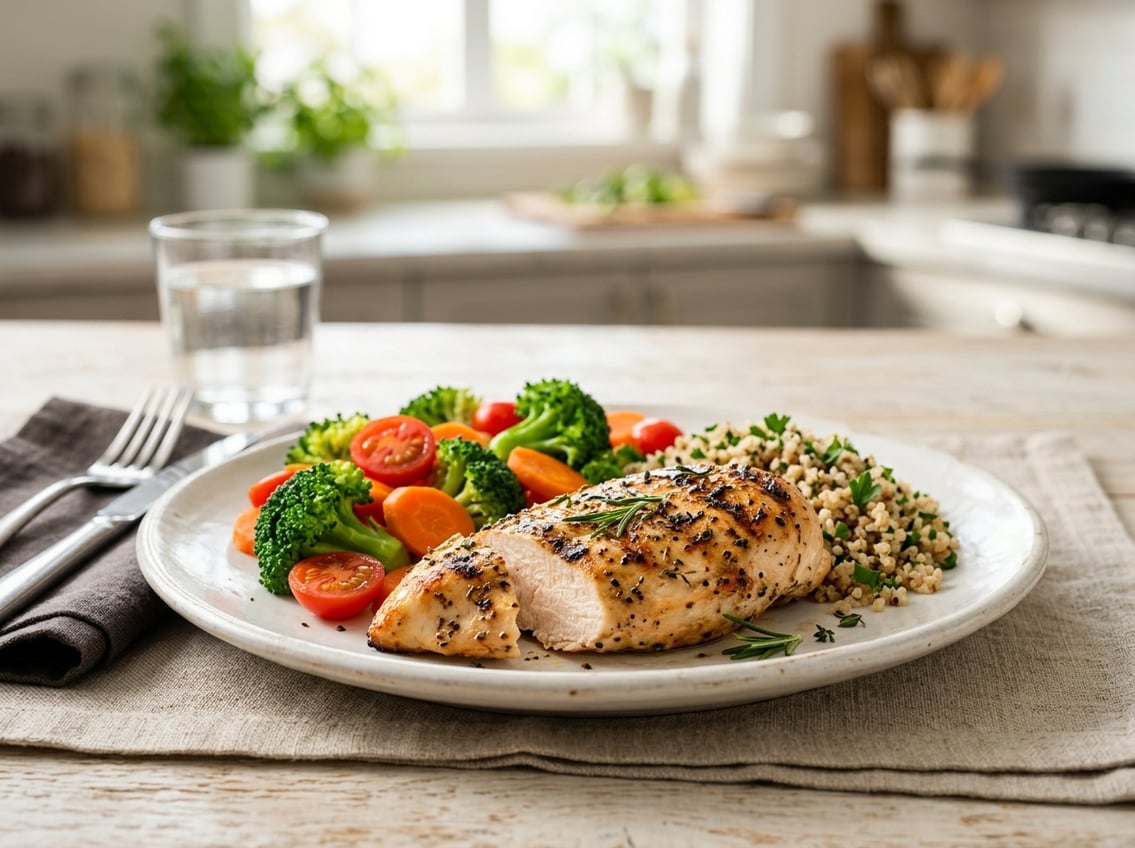
Chicken breast works best as one part of a balanced plate, not as the whole plan. It pairs well with vegetables, whole grains, beans, fruit, and healthy fats, which helps round out your macronutrients and micronutrients.
Best Fit for Weight Loss, Muscle Gain, and Maintenance
For weight loss, chicken breast gives you a lot of protein for a modest calorie cost. Protein can help you feel full, which may make it easier to stick to a reduced-calorie plan.
For muscle gain, the high protein content supports muscle repair after training. For maintenance, it is a simple way to meet protein needs without adding too much fat.
Portion Guidance for Daily Protein Goals
A 3 to 4 ounce cooked portion is a practical starting point for many meals. If your protein target is higher, you can spread chicken breast across lunch and dinner instead of eating a very large serving at once.
You can also pair it with other lean protein foods across the day. That helps you meet your macronutrients without relying on one food alone.
When Chicken Breast May Not Be the Best Option
Chicken breast is not always the best choice if you need more fat for a meal or prefer a juicier cut.
Chicken thigh or chicken breast with skin may fit better in some recipes.
If you need to limit protein for a medical reason, such as kidney disease, you should follow your healthcare provider’s guidance.


