
Is Chicken Breast Lean? What to Know
Chicken breast is lean when you choose the right cut and prepare it in a low-fat way.
Skinless chicken breast provides a lot of high-quality protein with relatively little fat.
Chicken breast is lean, especially when it is skinless, boneless, and cooked without extra fat.
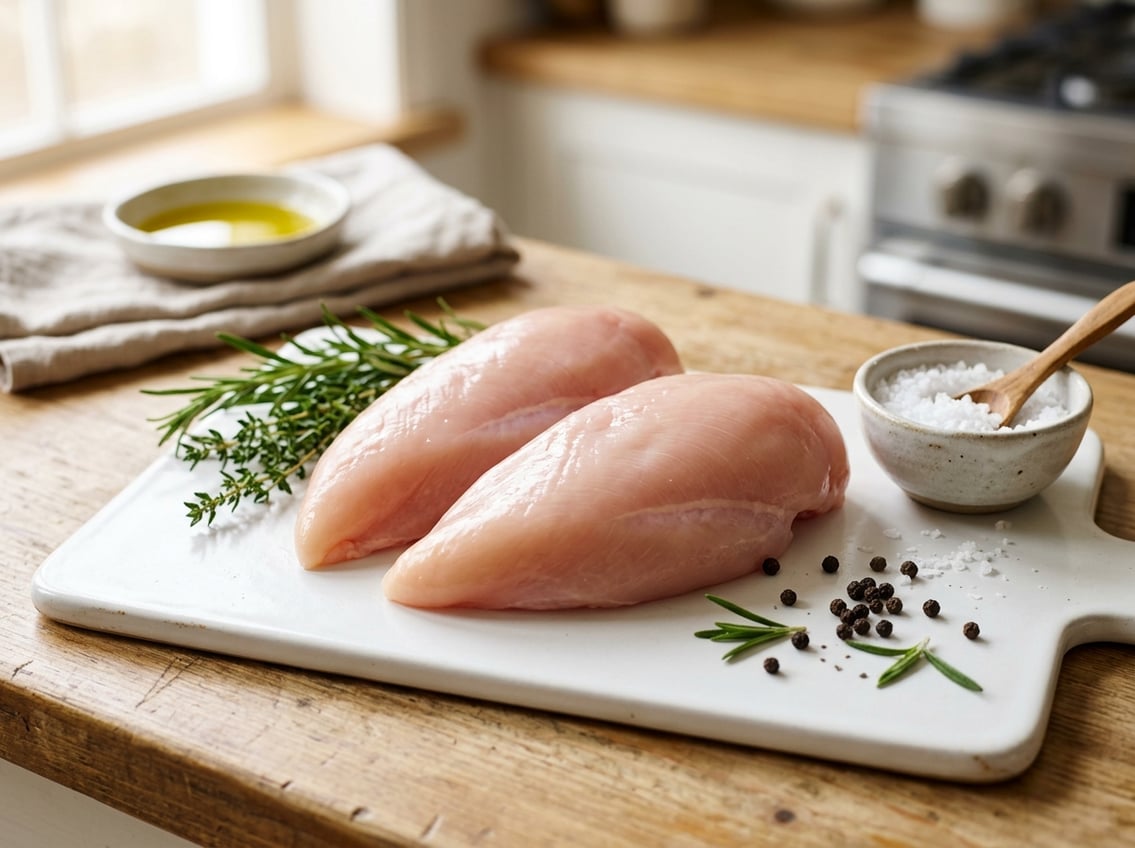
Chicken breast is a common white meat choice in the U.S. market.
It often shows up in meals built around chicken breast nutrition.
It can fit into many eating patterns, from muscle-building plans to simple weeknight dinners.
What Makes a Meat Lean
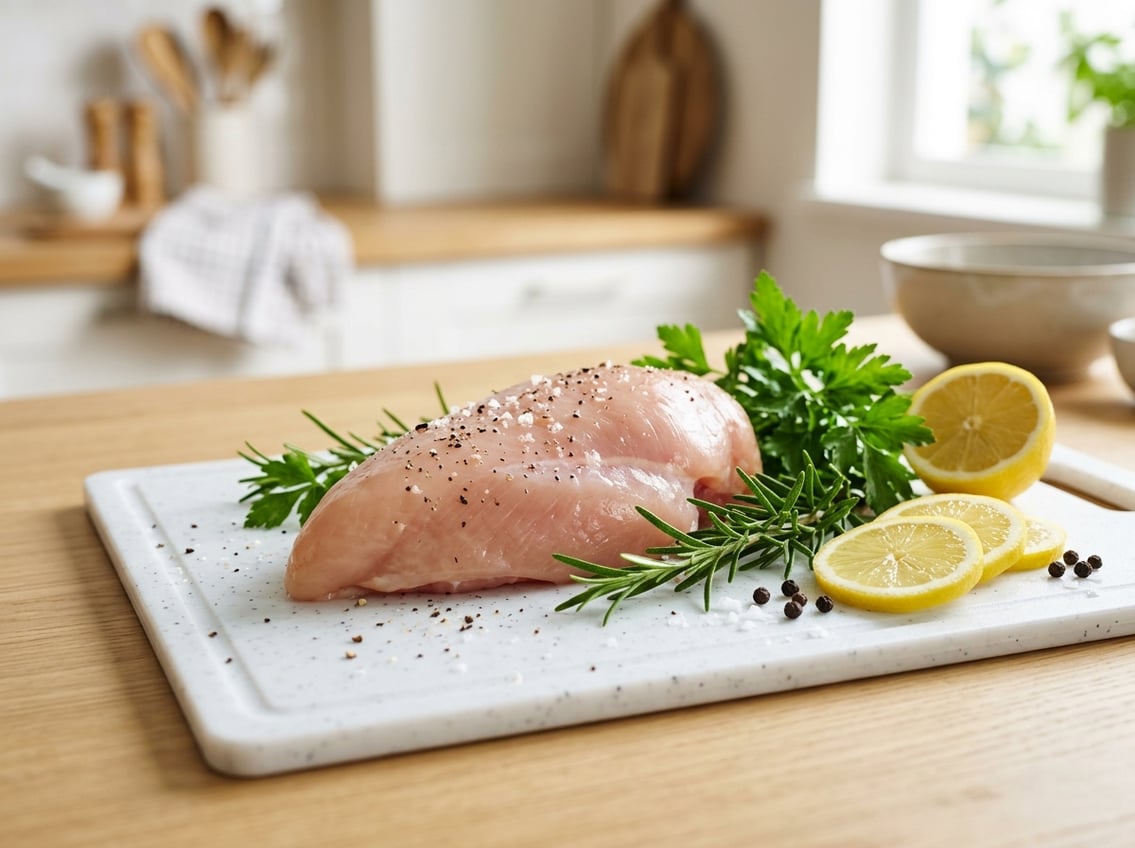
A meat is usually called lean based on its fat content, especially total fat and saturated fat per serving.
Lean meats give you protein without a large fat load.
Skinless chicken breast is naturally low in fat compared with many other animal proteins.
Boneless chicken breast is also easy to portion, which helps you keep servings consistent.
How Chicken Breast Fits Lean Meat Criteria
Skinless chicken breast is one of the most common lean chicken options.
The USDA-style lean meat standard used by many nutrition guides looks for less than 10 grams of total fat per 100 grams, and chicken breast often falls below that when the skin is removed.
According to The Flex Kitchen’s lean meat overview, skinless, boneless chicken breast typically fits both lean and extra-lean ranges.
Chicken breast gives you a strong protein return without much added fat.
Skinless Vs Skin-On Differences
The skin changes the picture quickly.
Chicken skin adds fat and calories, so a skin-on piece is less lean than the same cut without skin.
If you want lean chicken, skinless chicken breast is the better pick.
Removing the skin is one of the simplest ways to keep a chicken meal lighter.
White Meat Vs Dark Meat
Chicken breast is white meat, while chicken thigh is dark meat.
White meat is usually lower in fat, so it better fits lean meat goals.
Chicken thigh still provides protein, but it is richer in fat than breast meat.
If you want the leanest result, white meat is the safer choice.
Nutrition and Protein Value
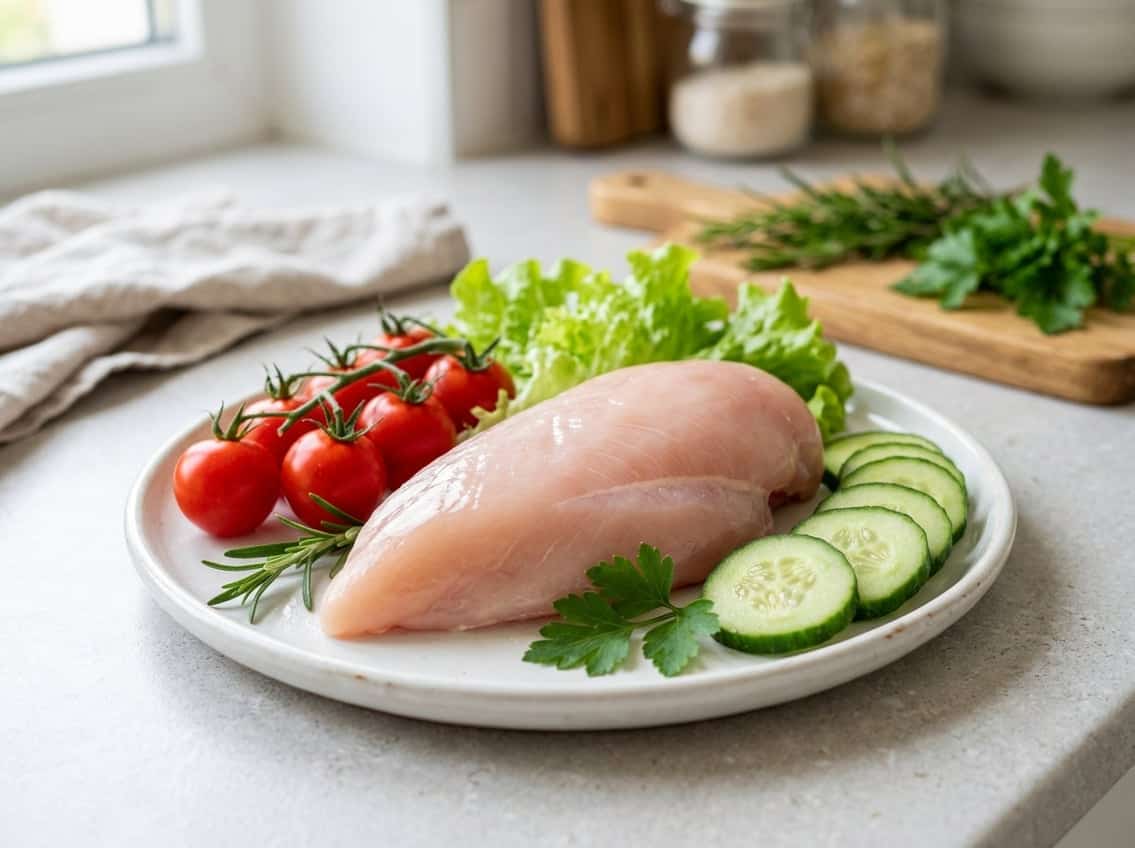
Cooked chicken breast delivers strong protein content and a modest calorie count.
It also provides a complete set of amino acids.
Chicken Breast Nutrition at a Glance
A 3.5-ounce serving of skinless, boneless chicken breast contains about 165 calories, 31 grams of protein, and only a few grams of fat, according to The Flex Kitchen.
A 3-ounce serving of skinless, cooked chicken breast is a straightforward, high-protein option in nutrition databases such as SnapCalorie’s lean chicken breast listing.
Exact numbers change with cooking method and portion size.
Why It Counts as High-Quality Protein
Chicken breast contains all essential amino acids in useful amounts.
Your body uses those amino acids for muscle repair, tissue maintenance, and many normal body functions.
How It Compares With Other Protein Choices
Turkey breast is very close to chicken breast in leanness, and sirloin can also be a lean meat choice depending on the cut.
Plant-based protein foods like tofu, beans, and lentils can also fit into a balanced plan, though their protein amount and amino acid profile vary.
Chicken breast often stands out for its simple nutrition profile and easy use in meals.
Chicken breast is usually leaner than many beef cuts and similar to turkey breast when both are skinless.
What Changes How Healthy It Is
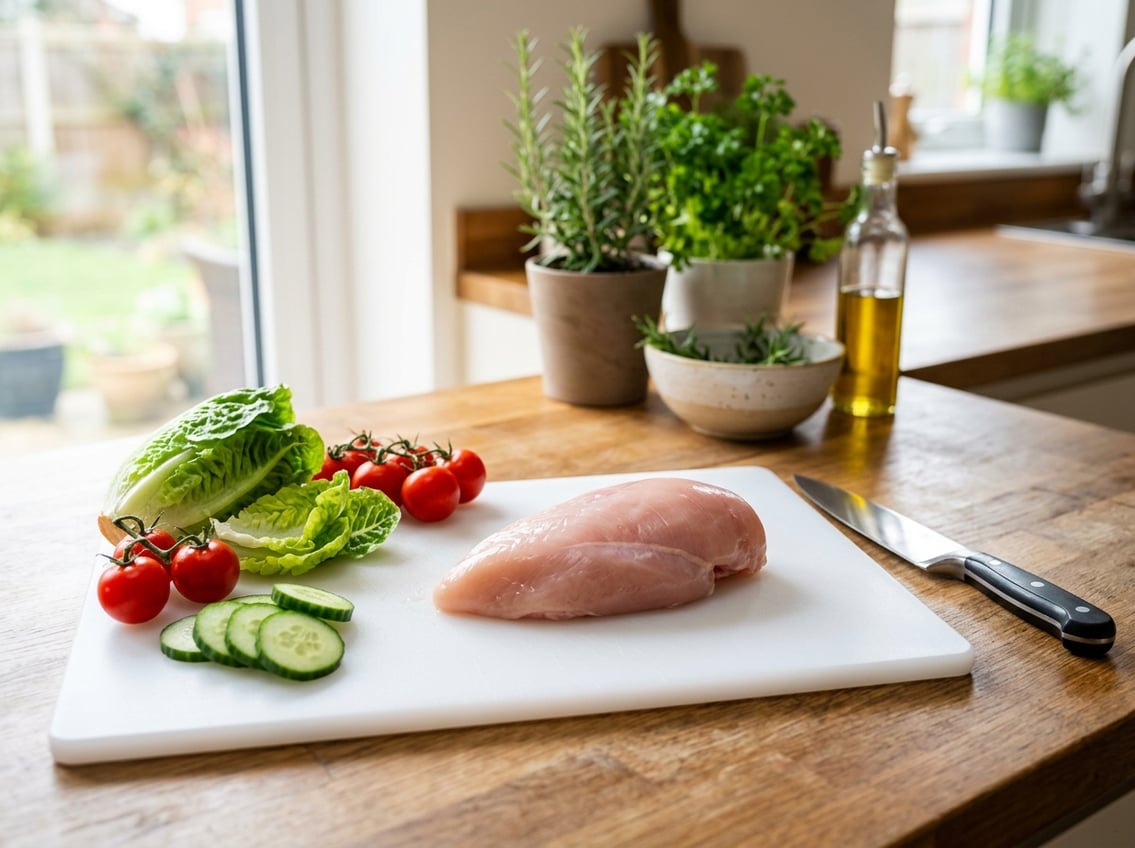
The cut matters, yet the way you cook chicken matters too.
Grilled chicken breast can stay lean, while breading, heavy sauce, and added oil can change the nutrition fast.
Best Cooking Methods for Keeping It Lean
Grilled chicken is a strong choice because it does not require much added fat.
Baking, grilling, poaching, and air frying also help keep cooked chicken breast closer to its natural lean profile.
Simple recipes work best when you want to protect the lean meat benefit.
Use herbs, citrus, garlic, or spices instead of butter-heavy marinades.
Added Fats, Breading, and Sauce Considerations
Breading and frying add calories and fat quickly.
A dish like chicken parmesan is not as lean as plain grilled chicken breast.
Creamy sauces, thick cheese layers, and heavy oil use can shift a lean chicken meal into a much richer one.
If you want to keep it light, choose lighter sauces and smaller portions of cheese or oil.
Safe Cooking and Internal Temperature
Cook chicken breast to a safe internal temperature of 165°F, according to standard U.S. food safety guidance.
Use a thermometer in the thickest part of the boneless chicken breast to check it accurately.
Safe cooking protects you from foodborne illness and helps keep the texture better.
Once the center reaches the proper temperature, remove it from the heat and let it rest briefly before serving.
Buying and Choosing the Best Option
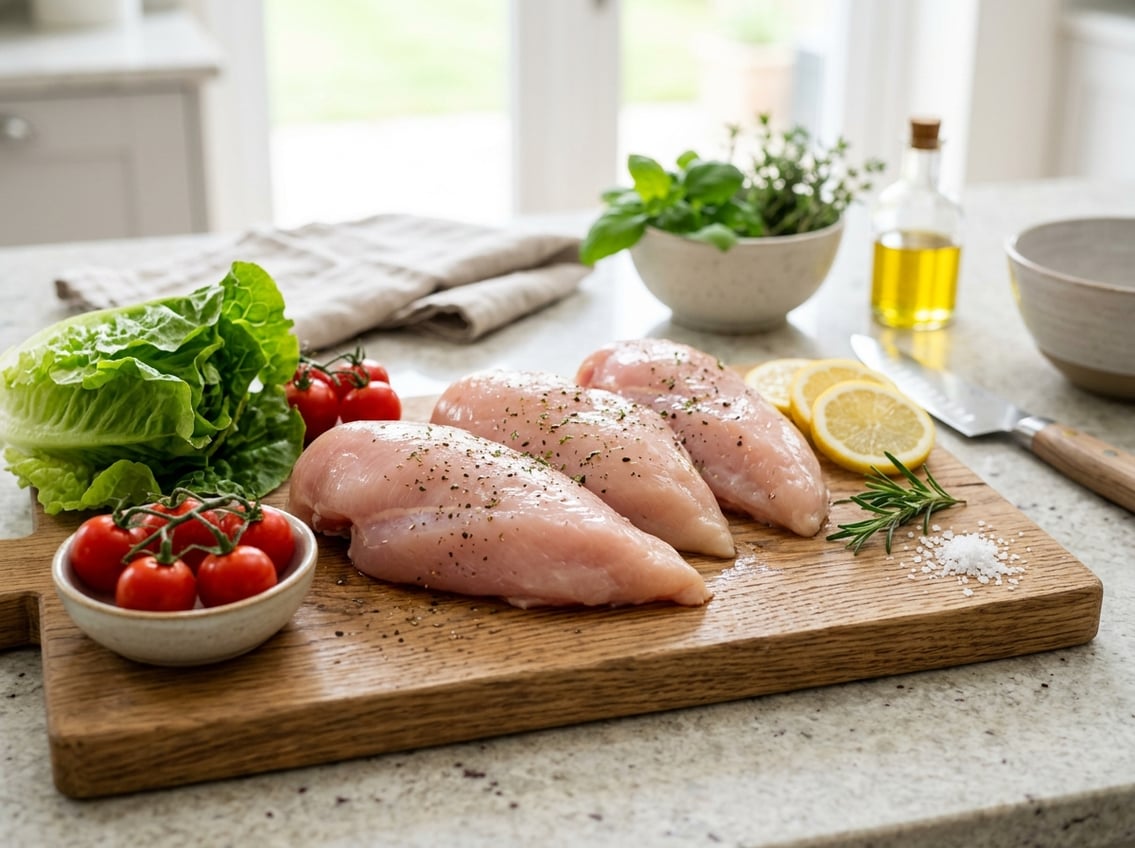
At the market, choose a plain skinless chicken breast with little added processing.
You can keep it simple, budget-friendly, and easy to use in lean meals.
Best Cuts to Buy at the Market
Look for skinless chicken breast or boneless chicken breast if your goal is lean chicken.
These cuts are easy to season, easy to portion, and naturally fit lean meat goals.
Pre-marinated or breaded products may save time, yet they often add sodium, fat, or sugar.
Plain cuts give you more control.
Organic Chicken and Label Claims
Organic chicken may appeal to you if you want certain farming standards, but “organic” does not automatically mean leaner.
The fat content depends more on the cut and whether the skin is left on.
Label claims can vary, so read the nutrition panel instead of relying on packaging words alone.
The leanest pick is still usually a plain skinless chicken breast.
When Other Lean Meats May Be Better
Turkey breast offers a similar protein profile when you want a lean poultry option.
Sirloin provides a lean red meat choice if you want to include red meat in your diet.
Other lean meats may fit better on some days if you want more variety.
Your taste, budget, and cooking plans will help you decide which option is best.


