
Is Chicken Breast Fat? Nutrition and Cooking Facts
Chicken breast is usually low in fat, especially when you choose skinless pieces and keep portions reasonable.
For most people, chicken breast fits well as a lean protein because most of its calories come from protein, not fat.
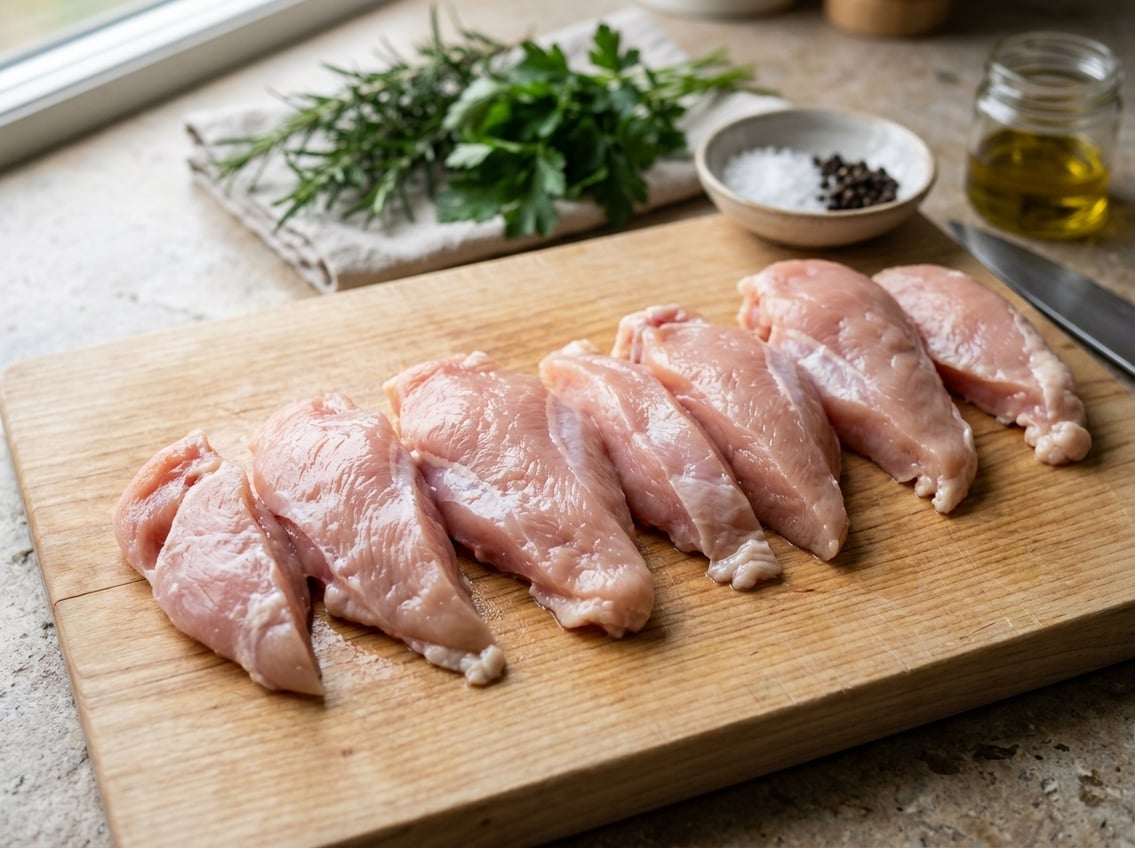
If you ask, “is chicken breast fat,” the short answer is no, not compared with many other meats. Skinless chicken breast is one of the leanest common protein choices.
The exact fat content changes with skin, cooking method, and serving size, so labels and portions matter.
A plain chicken breast can look bigger than one serving, and that changes the calories you actually eat.
When you track chicken breast nutrition, think about both the cut and the way you cook it.
How Much Fat Is in Chicken Breast
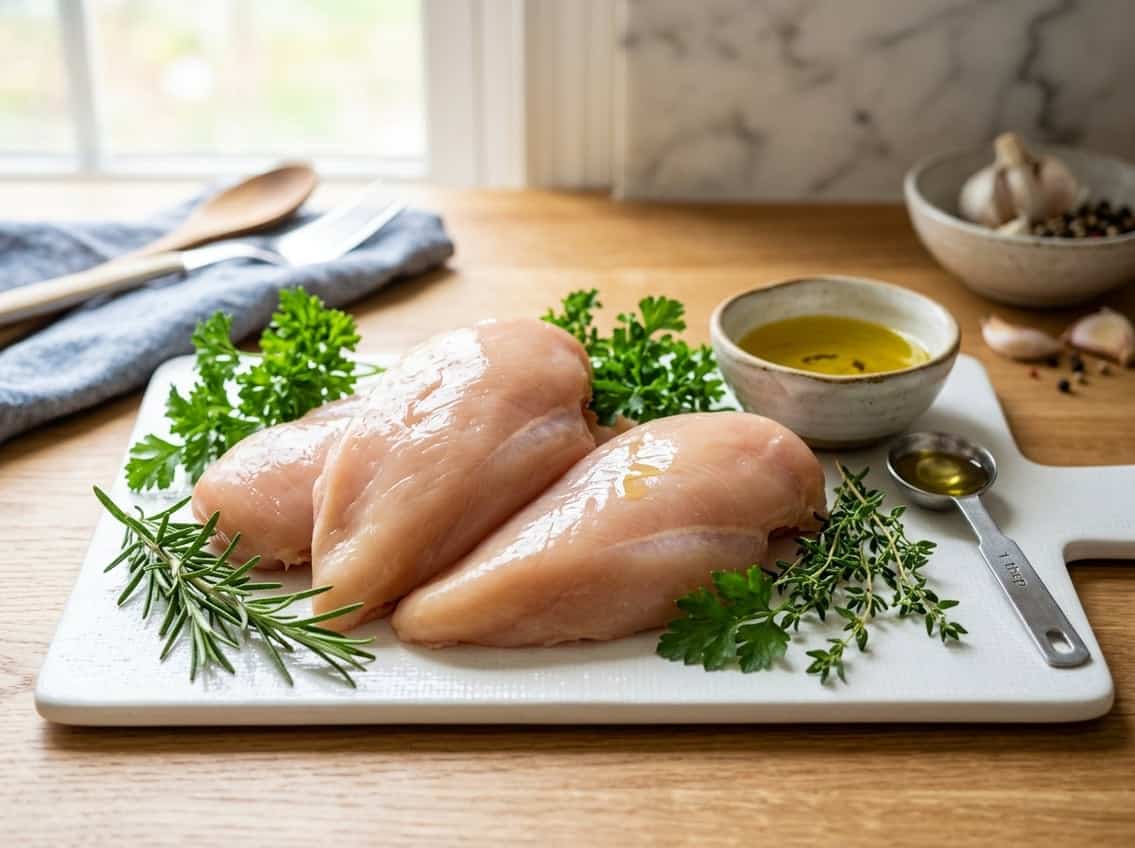
Skinless chicken breast is naturally low in fat, and most of its calories come from protein.
The numbers change a little between raw and cooked portions because cooking removes water and makes the food more concentrated.
Typical Fat Content in Skinless Chicken Breast
A 3-ounce serving of grilled, boneless, skinless chicken breast has about 2.7 grams of fat and 128 calories, according to Verywell Fit’s chicken breast nutrition facts.
That same serving also gives you 26 grams of protein, which is why chicken breast is often called a lean protein.
Most of the fat is unsaturated, and the saturated fat is low.
Skinless chicken breast is a practical choice when you want lower-fat meals without giving up protein.
Raw Chicken Breast vs Cooked Portions
Raw chicken breast and cooked chicken breast do not weigh the same after cooking.
Water loss makes the cooked piece smaller, so 4 ounces raw may not stay 4 ounces on the plate.
Raw chicken breast nutrition labels and cooked serving data are not always easy to compare directly.
When you measure chicken breast calories, use the form that matches how you track your food, either raw weight or cooked weight.
Chicken Breast Calories and Protein at a Glance
A 3-ounce skinless serving is a useful benchmark:
- Calories: about 128
- Protein: about 26 grams
- Fat: about 2.7 grams
- Carbs: 0 grams
Chicken breast is popular in high-protein meal plans because it gives you a lot of protein for relatively few calories.
What Changes the Nutrition Profile
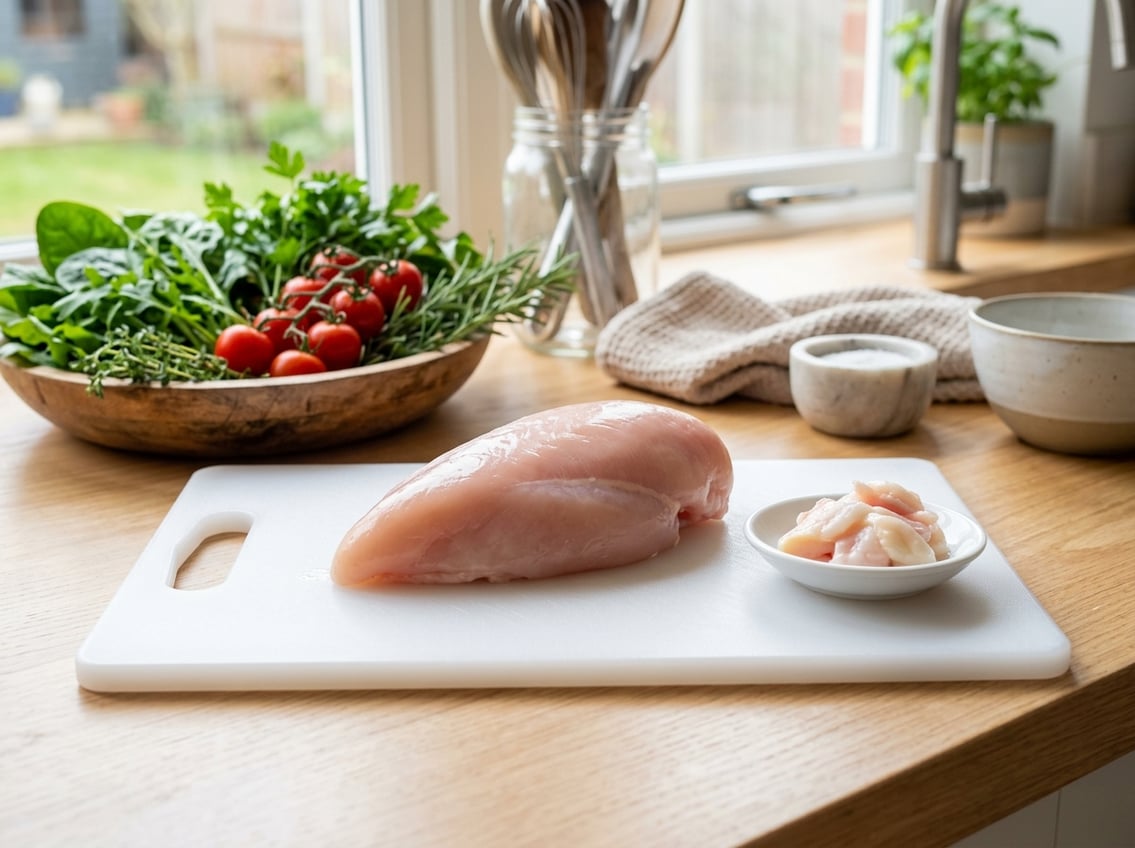
The nutrition profile changes fast when you leave the skin on, cook with extra fat, or buy larger portions.
Labels like broilers and fryers can also tell you more about the bird itself and how much fat may be present.
Skin-On vs Skinless Differences
Skinless chicken breast is the leaner option.
If you keep the skin on, the fat and calories rise, because the skin adds extra fat before you even add cooking oil.
According to Verywell Fit, a 3-ounce roasted, broiled, or baked chicken breast with skin on has about 166 calories and 6.6 grams of fat, compared with 128 calories and 2.7 grams of fat for the skinless version.
Portion Size and Water Loss After Cooking
Chicken breast often looks like a single serving when it is larger than the standard 3-ounce amount.
Many store-bought breasts are much larger, so a full piece can easily double the calories and fat you expect.
Cooking also changes weight because moisture leaves the meat.
A cooked breast may seem small on the plate, yet still count as more food than you think if you started with a large raw piece.
Broilers and Fryers on Food Labels
Broilers and fryers are label terms for young chickens.
They are generally tender birds sold at market weight, and the term does not automatically mean the meat is fatty.
Label wording can help you understand the cut you are buying.
For the clearest nutrition picture, check whether the package says skinless, boneless, or pre-seasoned, since those details affect chicken breast fat and sodium too.
Cooking Methods That Raise or Lower Fat
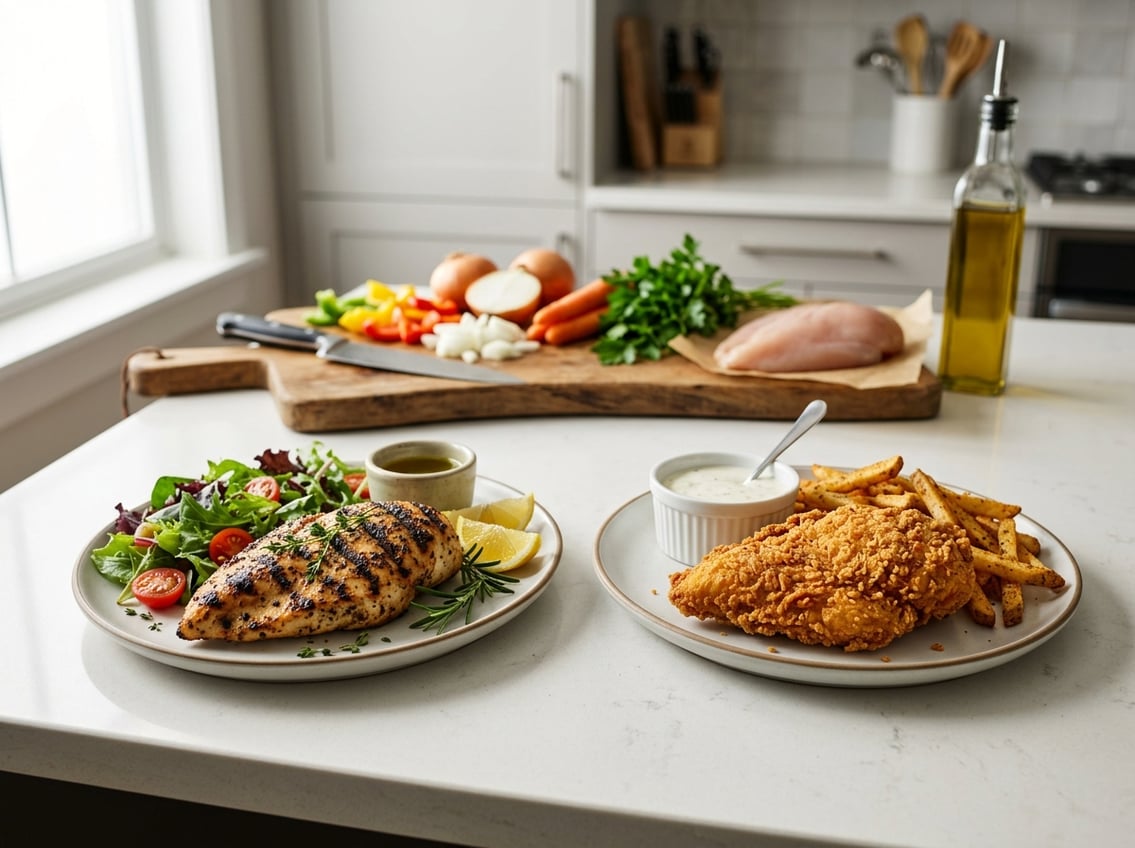
Cooking can keep chicken breast lean or turn it into a much richer meal.
Dry-heat methods usually stay lower in fat, while breading, frying, and heavy sauces add more calories.
Grilled Chicken Breast
Grilling chicken breast is one of the best low-fat choices because excess fat can drip away during cooking.
It also works well when you season it with herbs, citrus, or spice blends instead of fatty marinades.
If you want a simple lean protein meal, grilling is a strong option.
It keeps chicken breast calories lower than methods that use more added fat.
Baked Chicken Breast
Baking chicken breast can also keep it low in fat, especially if you use parchment, a light spray, or no added oil.
It is one of the easiest ways to keep the chicken breast nutrition profile close to the raw cut.
The biggest risk is adding a lot of oil, butter, or creamy toppings.
A plain baked piece is still a lean protein, while a heavily sauced one may no longer be low fat.
Fried Chicken Breast
Frying chicken breast adds more fat during cooking, so the calories rise fast.
Breaded coatings also add carbs and extra calories, which changes the nutrition profile a lot.
If you are watching chicken breast fat, fried versions are better as an occasional meal than a daily staple.
How to Fit It Into a Balanced Diet
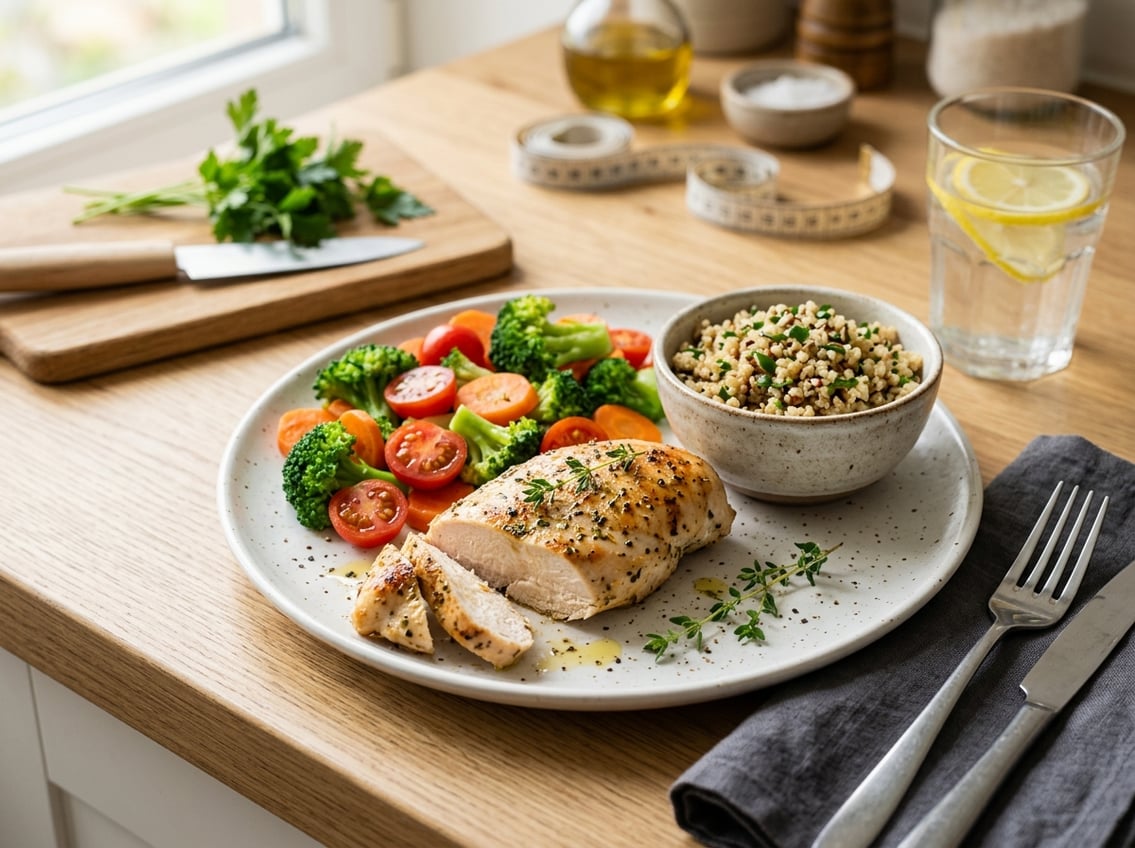
Chicken breast works well in many meal plans because it is filling, flexible, and easy to pair with vegetables, grains, and healthy fats.
The key is to keep the rest of the plate balanced so the meal stays reasonable in calories and total fat.
When Chicken Breast Is a Good Low-Fat Choice
Skinless chicken breast is a smart option when you want high protein with low fat.
It can support muscle maintenance, and it often helps you feel full longer than lower-protein foods.
That is one reason it shows up in many healthy eating plans, including weight management menus.
It is also easy to prepare in a way that keeps chicken breast nutrition straightforward.
Watchouts With Sauces, Breadings, and Salads
Sauces can change the meal fast.
Creamy dressings, cheese, mayonnaise-based spreads, and sweet barbecue sauces all add calories that can hide the fact that the base meat is lean.
A chicken caesar salad can also become high in fat if it uses a large amount of dressing, croutons, bacon, or fried chicken.
The chicken itself may be lean, while the toppings carry most of the fat.
Comparing Everyday Meal Options
A plain chicken breast with vegetables and brown rice differs greatly from fried chicken with fries.
The first meal keeps calories and fat lower. The second meal contains much more fat and calories.
Choose skinless chicken breast, use a dry cooking method, and add light toppings.
This approach helps you enjoy lean protein and avoid extra fat.


