
Who Is Chicken Breast? Meaning, Cut, and Uses
You may see who is chicken breast and wonder whether it refers to a person, a cut of meat, or a cooking term.
In US food writing, it usually points to the chicken breast cut, the lean white meat from the front of the bird.
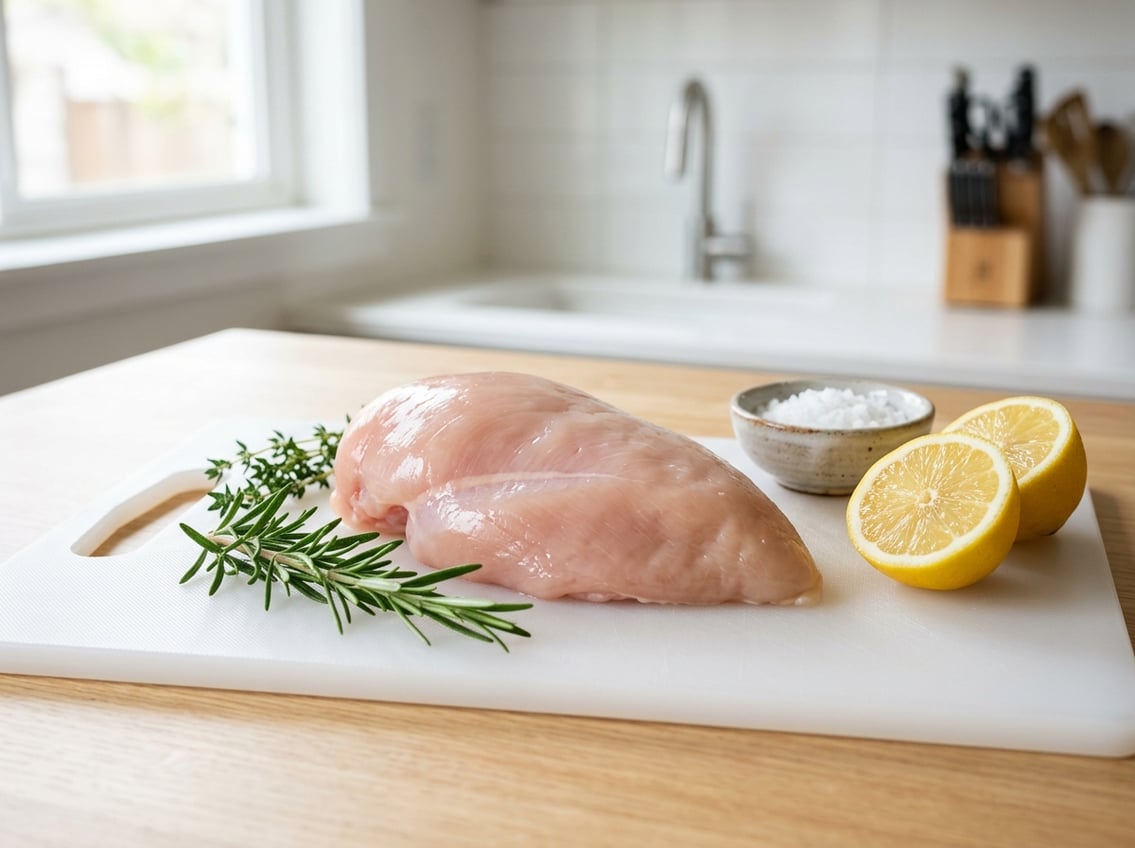
Most of the time, the phrase means the boneless skinless chicken breast you buy at the store.
It is a lean protein that is easy to cook in many different ways.
Chicken breast is one of the most common choices for quick dinners and meal prep.
The term can sound awkward because people often search it as a question.
Usually, you are looking for the meaning of the cut, how it compares with other chicken pieces, and why it shows up in so many chicken recipes.
What the Term Refers To
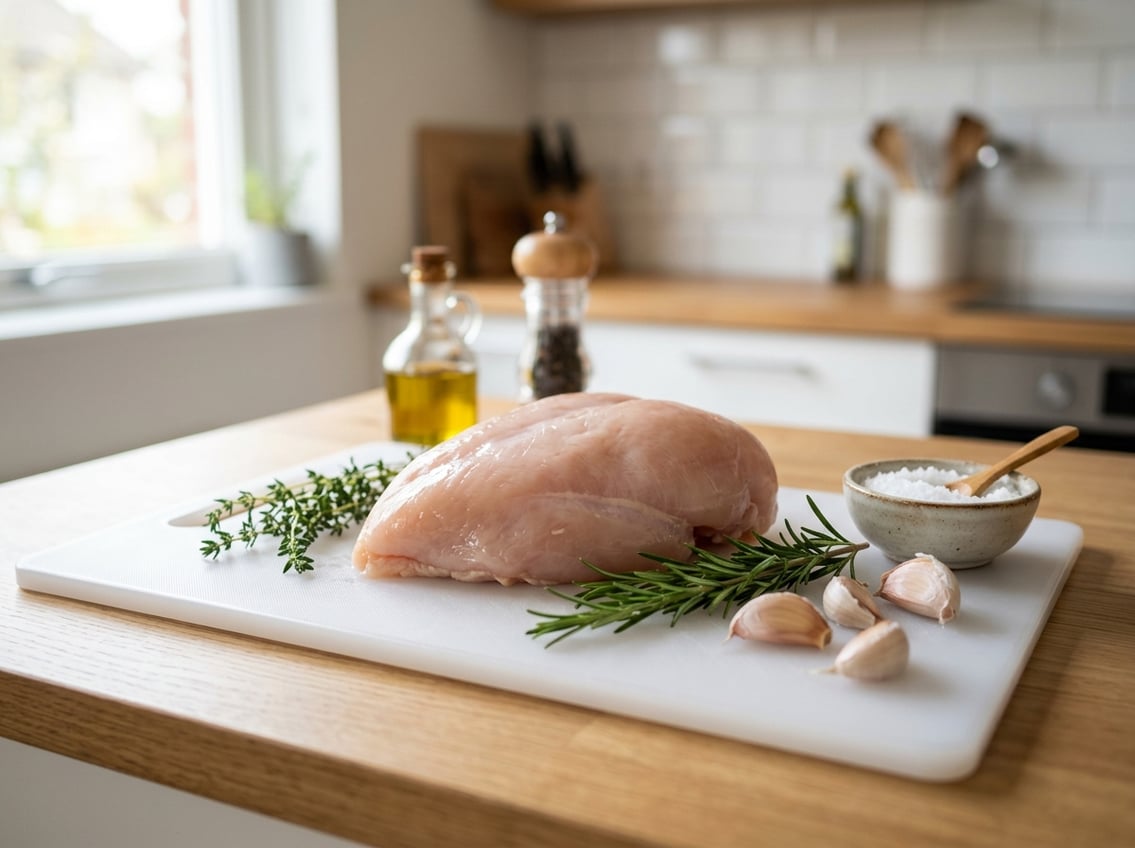
A chicken breast is the meat from the breast area of the bird.
In most cooking contexts, it means the boneless skinless chicken breast you see packaged in grocery stores.
The term chicken breasts is just the plural form.
Skinless chicken breast and boneless skinless chicken breast describe the most common retail version.
The cut comes from the pectoral muscle, the large chest muscle on the chicken.
It is mild in flavor, low in fat, and often used as a lean protein in everyday meals.
Why People Search This Phrase
People often search this phrase to find out what chicken breast means, how to cook it, or if it is the same as other chicken cuts.
The wording may look like a person’s name, but the intent is usually food-related.
It can also come up when a recipe calls for a specific cut, such as boneless skinless chicken breast, and you want to know if you can substitute another piece.
Where the Cut Comes From on the Chicken
The breast is the large muscle on the front of the chicken, located above the legs and below the neck.
It attaches to the breastbone and helps move the wings, making it the bird’s main chest muscle.
Chef’s Resource describes chicken breast as the boneless, skinless cut from the pectoralis major muscle.
That anatomy gives the cut its familiar shape and mild texture.
Chicken Breast vs. Other Chicken Cuts
Chicken breast is leaner and milder than thighs, drumsticks, or wings.
Those other cuts have more fat and a stronger flavor, while breast meat cooks faster and can dry out if overdone.
Bone-in and skin-on versions taste richer than a plain skinless chicken breast.
Still, boneless skinless chicken breast is the most common choice when you want a clean flavor and easy prep.
Why It Is So Popular in Everyday Cooking
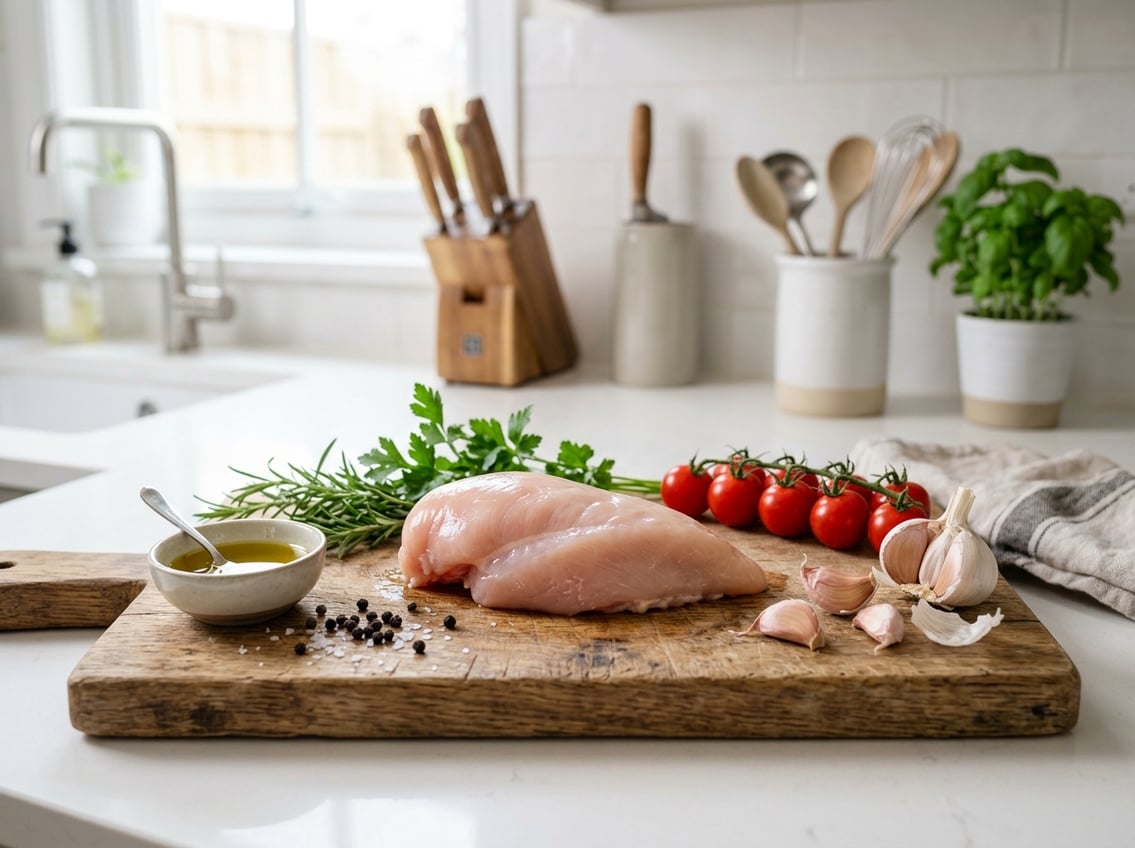
Chicken breast is popular because it fits many goals at once.
It is a lean protein and adapts well to both simple and more flavored dishes.
It also suits busy home cooking.
You can bake it, grill it, slice it for salads, or add it to a chicken breast recipe that uses sauce, spices, or vegetables.
Nutrition and Lean Protein Benefits
Chicken breast is high in protein and low in fat, especially when you remove the skin.
That makes it appealing if you want filling meals without a heavy cut of meat.
A 3.5-ounce serving of boneless skinless chicken breast has about 31 grams of protein and 165 calories, according to Chef’s Resource.
It is a practical pick when you want lean protein for lunch, dinner, or meal prep.
Why It Works for Fast Weeknight Meals
Chicken breast cooks quickly, which matters on busy nights.
Thin pieces, cutlets, and sliced chicken go from raw to done in a short time, which helps when you need a fast dinner.
It pairs well with common pantry ingredients.
A baked chicken breast, grilled chicken breast, or simple skillet version can become a full meal with rice, pasta, potatoes, or vegetables.
How It Fits Different Cooking Styles
Chicken breast works across many cooking styles because it has a mild taste.
You can season it lightly for simple chicken breast recipes or use stronger sauces and spices for bolder flavor.
It supports many methods, from grilled chicken breasts to slow cooker chicken.
That flexibility is one reason home cooks keep returning to it.
How Chicken Breast Is Commonly Prepared

You can prepare chicken breast in several reliable ways, and each one changes the texture and flavor.
Dry heat methods such as baking, searing, and grilling give browned surfaces, while moist methods like slow cooker and Instant Pot cooking make the meat softer.
Seasoning and sauce matter a lot with this cut.
Since the meat is mild, small changes in spices, marinades, and pan sauces make a clear difference.
Baking, Pan-Searing, and Grilling
Baking chicken breast is one of the easiest starting points because it needs little attention once it is in the oven.
Pan-searing adds color and flavor, while grilling gives a smoky edge that works well with salads and sandwiches.
Grilled chicken breast is especially useful when you want a simple main dish.
Keep the cook time controlled and use a thermometer so the meat stays juicy.
Stir-Fry, Slow Cooker, and Instant Pot Options
Stir-frying sliced chicken with vegetables and sauce cooks it quickly and keeps it tender.
Thin pieces work best for this method.
Slow cooker chicken is a good choice when you want shredded meat for tacos, sandwiches, or soups.
Pressure cooking in an Instant Pot turns chicken breast into a hearty meal fast.
How Sauces and Seasonings Change the Result
Chicken breast takes on the flavor of what you add to it.
A simple garlic and herb mix gives a clean taste, while a butter sauce creates a richer finish.
Sauces help prevent dryness by adding moisture after cooking.
Lemon, cream, tomato sauce, curry, and broth-based sauces all work well with this cut.
Popular Dishes Made With This Cut
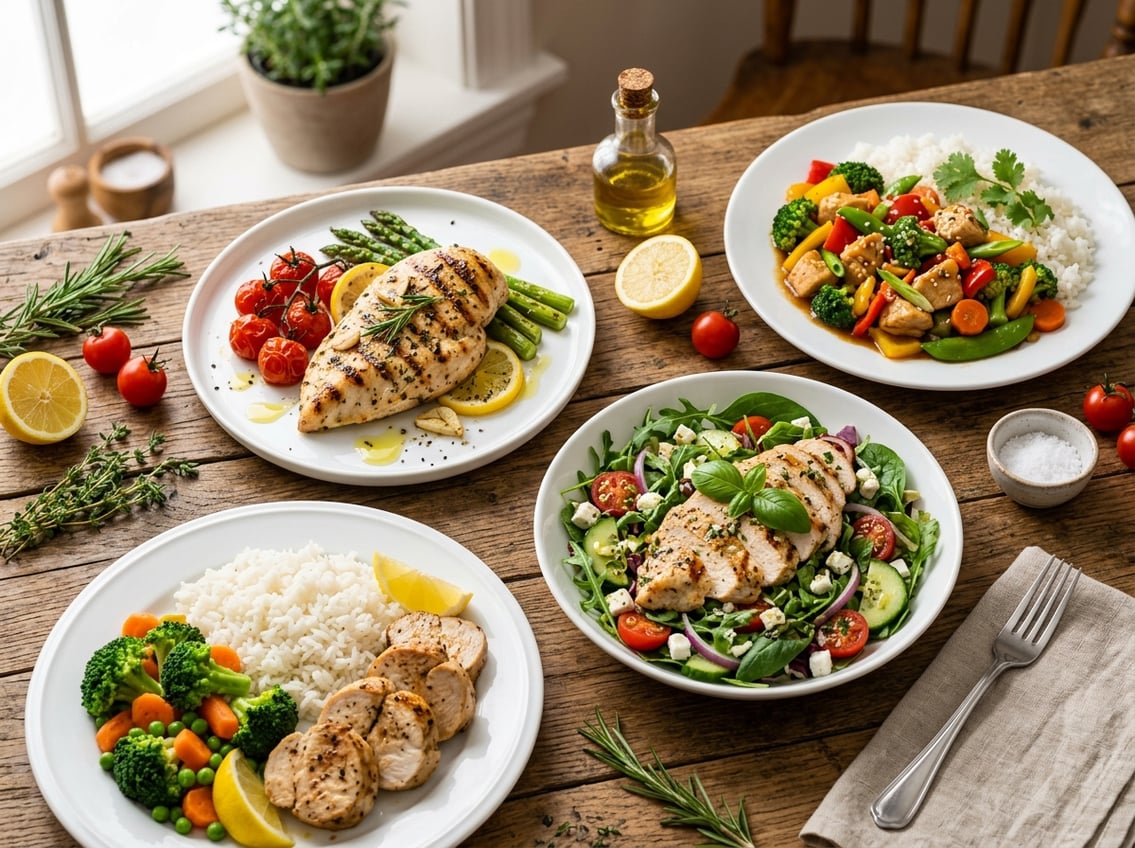
Chicken breast appears in both casual meals and restaurant-style dishes.
Its mild flavor lets you use it in creamy sauces, crispy coatings, fresh salads, and global recipes.
Many classic dishes use the same basic cut, then change the sauce, breading, or seasoning.
Classic Skillet and Restaurant-Style Favorites
Chicken piccata, chicken parmesan, chicken marsala, and chicken florentine all use chicken breast as a base for sauce, cheese, mushrooms, or greens.
These dishes work because the meat stays neutral and lets the other flavors stand out.
A well-cooked chicken breast can handle lemon, tomato, wine, cream, or a crisp coating.
Salads, Sandwiches, and Lighter Meals
Chicken salad, chicken Caesar salad, and grilled chicken salad use leftover or freshly cooked chicken breast.
They give you protein without needing a heavy main course.
Chicken sandwiches also use this cut because it slices well and fits buns, wraps, and rolls.
Thin cutlets and grilled pieces are especially useful here.
Global and Comfort Food Examples
Chicken fajitas, kung pao chicken, chicken tikka masala, and chicken katsu all use chicken breast in different ways.
You can slice it, cube it, or coat it before cooking.
Chicken breast also appears in comfort dishes like chicken and wild rice soup.
In each case, chicken breast serves as a flexible base that carries sauce, broth, or seasoning without losing its identity.


