
Is Chicken Breast Cheap? Price Benchmarks and Deals
Is chicken breast cheap? In the U.S., it often is, especially when you compare it with other meat options and shop the sale price instead of the regular shelf price.
The answer depends on the cut, the store, and whether you buy fresh, frozen, or value-pack chicken breasts.
Chicken breasts are usually a budget-friendly protein when you pay attention to cost per pound and catch a real deal.
The lowest sticker price is not always the best value, and convenience can raise the cost quickly.
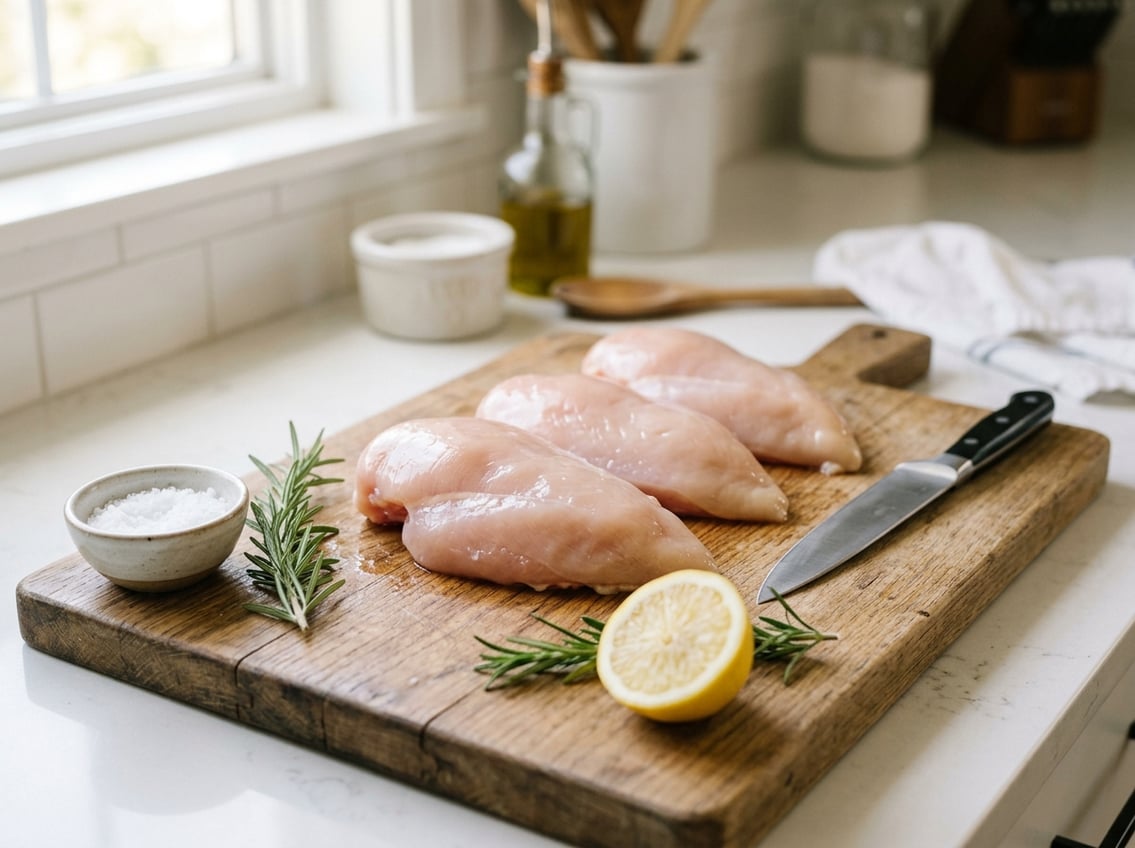
What Counts as a Cheap Price
Chicken breasts are cheap only when the price fits the cut you buy.
Boneless, skinless chicken usually costs more than whole chicken or bone-in cuts because processing adds labor and trimming, and skinless chicken is sold in a more convenient form.
A sale price can look good while still being average.
The question is not just whether the package is discounted, but whether the unit price beats the usual range in your area.
Typical Price Per Pound Ranges
For boneless, skinless chicken breasts, a common good-price range is about $1.99 to $3.99 per pound, according to a chicken breast price guide.
In many U.S. stores, anything near the low end is a strong deal, while prices above that range need a clear reason, such as organic labeling or smaller convenience packs.
If you see prices around $2.50 to $3.00 per pound, that is often a solid everyday purchase.
Prices can still vary by region, store format, and whether the meat is fresh or frozen.
When a Sale Price Is Actually a Bargain
A sale price is a bargain when it beats the normal price in your local market, not just the store’s regular tag.
A package marked down from a high regular price may still cost more than a competitor’s everyday price.
A true deal usually has three signs:
- The per-pound price is below your local average
- The package size still works for your meal plan
- The product quality matches what you need
If a store advertises chicken breasts on sale starting at $1.99, that can be a strong price point if the pack is fresh and the unit price holds up, as shown in current chicken breast deals listings.
Why Boneless and Skinless Costs More
Boneless and skinless chicken breasts cost more because workers must cut, trim, and sort the bird before sale.
That extra work adds processing cost, and shoppers often pay for the convenience.
Demand also pushes the price up.
Many shoppers want lean, ready-to-cook chicken breasts, so stores charge more for the most popular form.
Where to Find the Lowest Prices
Weekly ads, store promotions, and large-pack offerings often have the lowest prices.
Online listings can help you find deals fast, though some sponsored results make cheap items look better than they really are.
Good price checks start with the weekly ad, then move to the unit price and package size.
That gives you a better read on whether the deal is real.
How to Use the Weekly Ad
You can use the weekly ad to find a low chicken breast price.
Look for the price per pound, not just the headline deal, and compare it with last week’s ad and nearby stores.
Stores often rotate protein specials, so the best chicken deal may appear only for a few days.
If your freezer space is ready, that short window can save you money.
Stores Commonly Running Chicken Promotions
Big grocery chains, warehouse clubs, and discount stores often run chicken promotions.
You can see this pattern in listings from Walmart’s chicken breast department, Target’s chicken breast offerings, and Costco’s lower-price chicken promotions.
Warehouse clubs work well when you want larger packs and have freezer room.
Discount grocers are good when you want the lowest shelf price for a smaller pack.
How Sponsored Listings Can Distort Price Comparisons
Sponsored listings can make a product look like a better deal than it is.
A paid placement may appear first, even when the unit price is higher than a nearby competitor.
You should compare the same cut, same weight, and same pack type.
A sponsored fresh pack and a regular frozen value pack are not always equal, even if the picture looks similar.
How Chicken Breast Compares With Other Options
Chicken breast is not always the cheapest chicken choice.
Whole chicken and darker cuts usually cost less, while convenience cuts often cost more.
The best value depends on how much trimming, cooking time, and waste you are willing to handle.
A lower sticker price can disappear once you factor in yield.
Whole Chicken Versus Boneless Cuts
Whole chicken often gives you more usable food for the money.
You pay less because you do more of the work yourself, including cutting or carving.
Boneless chicken breasts cost more because they are a premium convenience cut.
If your goal is pure savings, whole chicken often wins.
Fresh Versus Frozen Value Packs
Frozen value packs can be cheaper than fresh breasts, especially when the store wants to move inventory.
Frozen chicken also gives you more time before cooking, which helps if you buy in larger quantities.
Fresh chicken can feel better for immediate use, yet it may cost more for the same poundage.
A frozen pack is often the better choice when you shop for price first.
Thin-Sliced and Tenderloins Versus Standard Packs
Thin-sliced breasts and tenderloins often cost more per pound than standard breast packs.
You pay for shape, speed, and convenience.
That can be worth it when you want fast cooking or easy portioning.
If you are meal prepping, standard boneless breasts often give you better value.
How to Tell If the Price Is Worth It
A good deal is not just the cheapest tag on the shelf.
You need to compare the real cost, the usable meat, and how much time the package saves you.
Check Cost Per Pound Instead of Package Price
Always start with cost per pound.
A smaller package can look affordable while costing more than a larger value pack.
Store labels usually show the unit price, and that number tells you more than the total package cost.
If you compare unit prices across stores, you can spot real deals much faster.
Factor In Trim, Yield, and Convenience
Trim affects how much meat you actually cook.
If a package has extra fat, uneven pieces, or lots of liquid, your usable yield may be lower than expected.
Convenience also has value.
Pre-trimmed chicken breasts save time, and that can be worth a higher price if you cook on a tight schedule.
When It Makes Sense to Stock Up
Buy extra when the per-pound price is clearly below your usual local range and you have freezer space.
This approach creates real savings over time.
Stocking up works best for plain boneless, skinless chicken breasts you use often.
If the sale is only slightly better than normal, buying extra may not be worth the storage effort.


