
Why Chicken Breast Tough: Causes and Fixes
Chicken breast often turns out tough because of cooking errors, meat quality, or both. You can fix most cases with a few simple changes in how you season, cook, and choose your chicken.
If you want juicy chicken breast, control heat, avoid moisture loss, and stop cooking at the right moment.
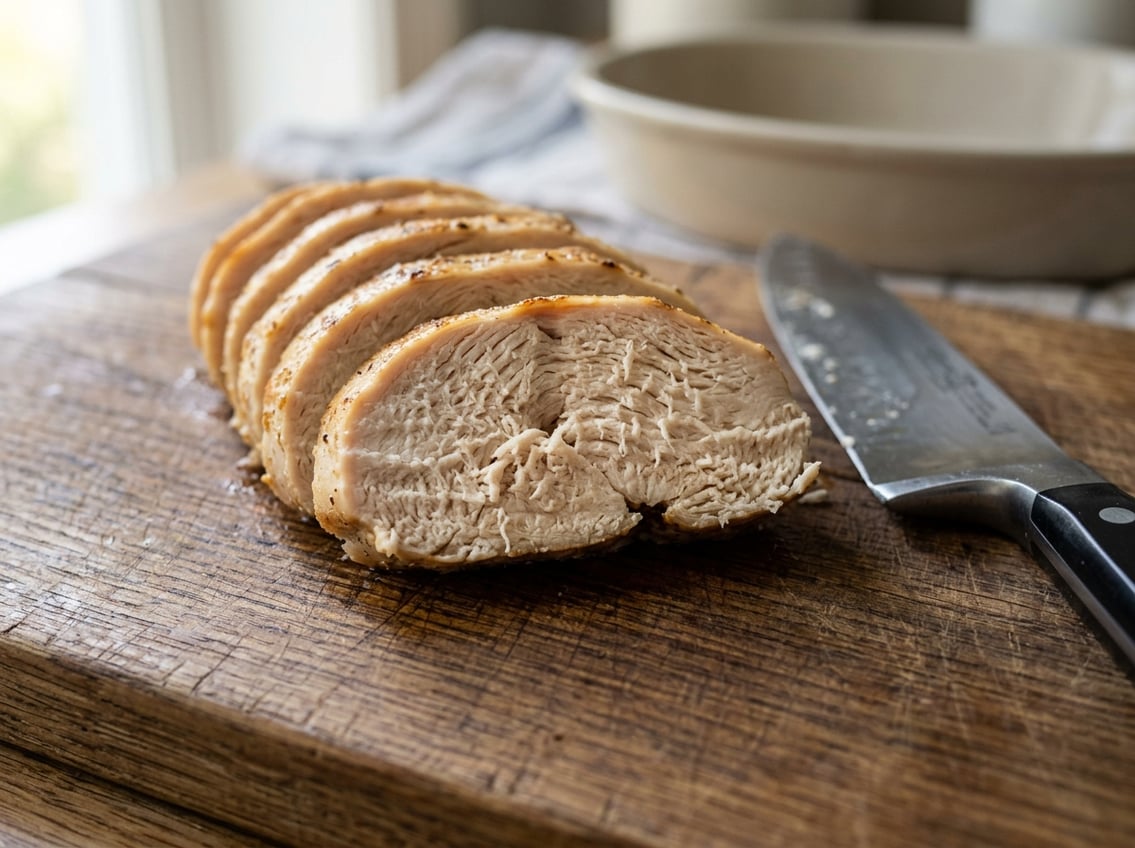
When you get tough chicken breast, the problem is rarely just one thing. Chicken breast is lean, so it dries out fast, and small timing mistakes can turn tender meat into chicken breast that is dry and chewy.
The fix starts with the cause. Once you know why chicken breast gets tough, you can make tender chicken breast with much better results.
What Usually Causes Tough Texture
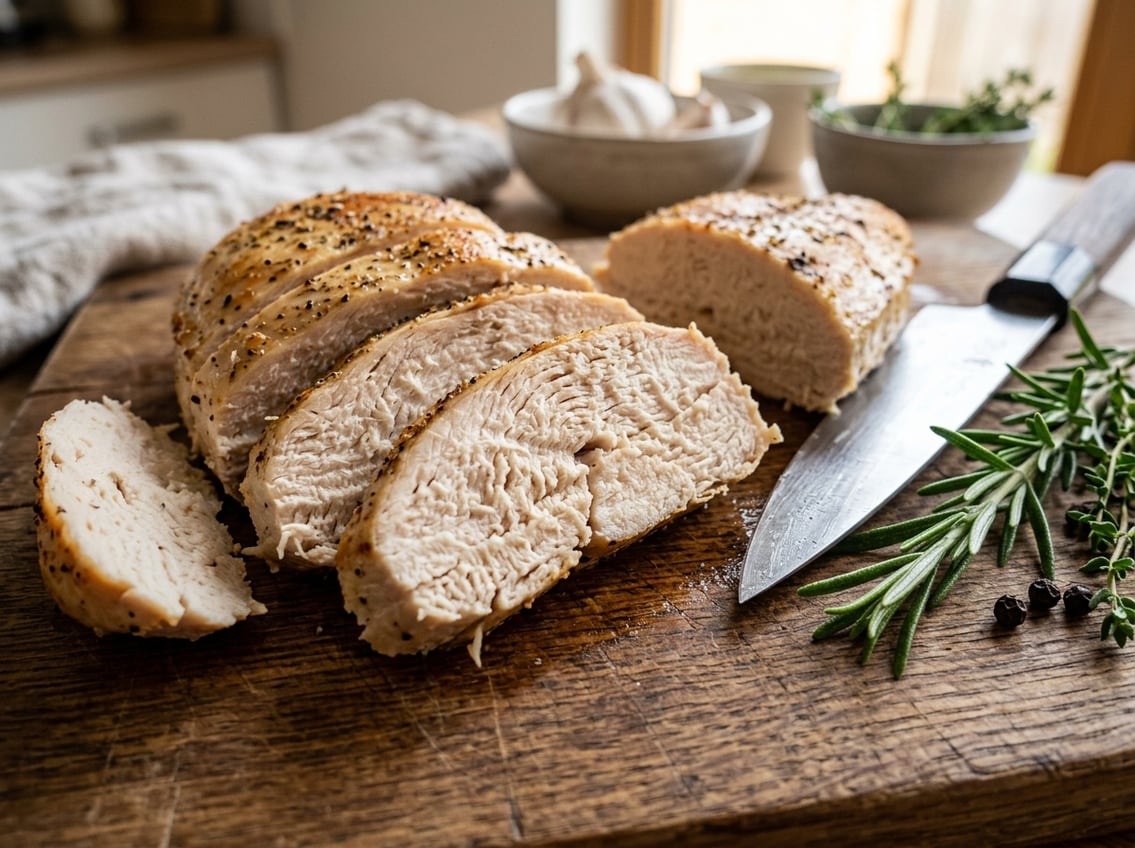
Too much heat, too little heat, or uneven cooking usually causes tough chicken. Chicken breast cooks quickly, so it can go from juicy to rubbery fast.
The texture issue often shows up as a dry, springy bite or a firm, stringy center. These signs point to overcooked, undercooked, or unevenly cooked chicken.
Overcooking and Moisture Loss
Overcooking is the most common reason for tough chicken breast. High temperatures or long cooking times tighten the proteins and push out moisture.
That is why chicken breast often feels chalky or stringy when dry. Cooking to the right internal temperature helps protect moisture while keeping the meat safe.
Undercooking and Rubbery Texture
Undercooked chicken can also feel rubbery instead of tender. The inside may look pale, soft, or spongy, which is not the same as juicy.
If the center does not reach a safe temperature, the texture can stay unpleasant and the meat can seem tough even before it is fully done. Finishing the chicken properly gives you safer food and a better bite.
High Heat and Uneven Thickness
High heat can brown the outside before the inside finishes. This makes one part tough and another part undercooked.
Uneven thickness makes the problem worse because the thinner part dries out first. A pan or grill that runs very hot can push the chicken past juicy before the inside cooks evenly.
How to Keep It Tender and Juicy
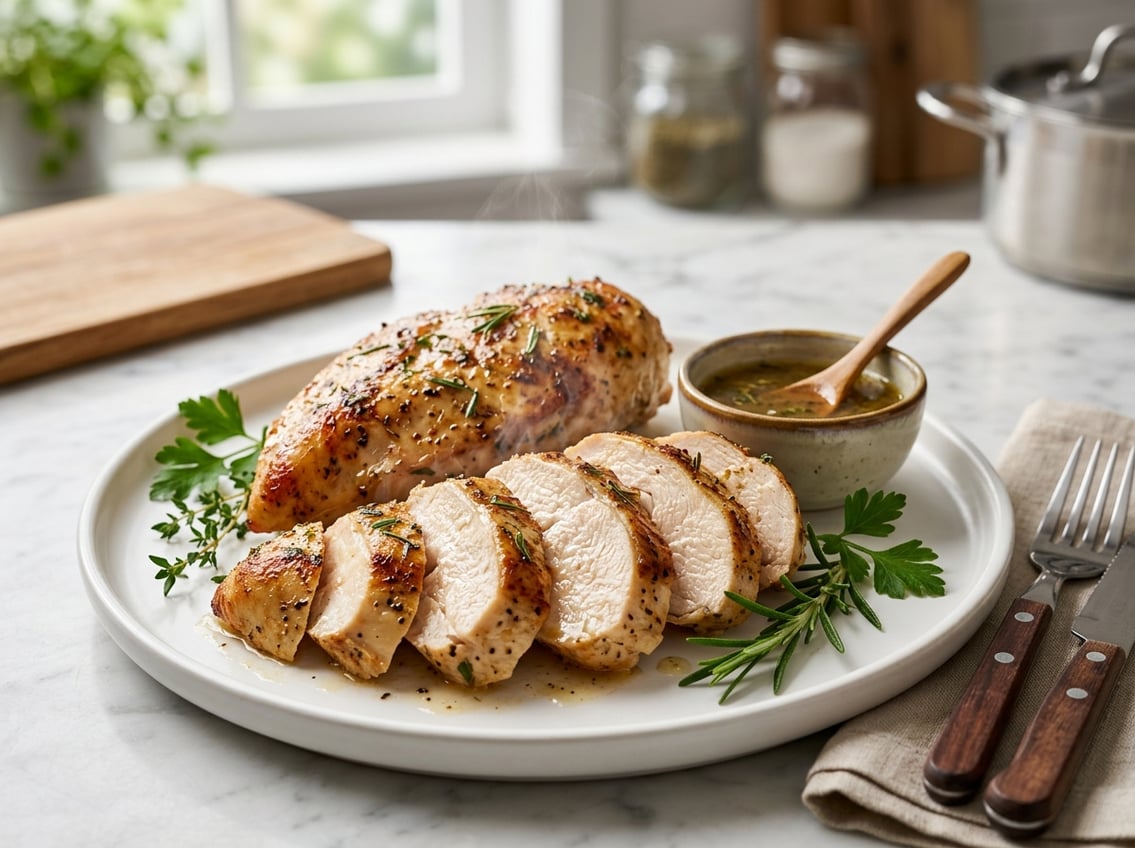
Tender chicken depends on control. You want the center cooked through, the surface not overdone, and the meat allowed to rest before slicing.
Simple prep steps help too. The right seasoning and shape can make a big difference in whether you get juicy chicken breast or a tough result.
Use a Meat Thermometer and Watch Carryover Cooking
Use a meat thermometer instead of guessing. A thermometer takes the guesswork out of cooking, and 165°F is the safe target for chicken breast.
Carryover cooking also matters. The temperature can rise a few degrees after you remove the meat from the heat, so taking it off a little early helps keep it tender.
Dry Brining and Marinating for Better Moisture
Dry brining helps chicken hold onto moisture better. Salt on the surface works into the meat, which can improve flavor and help you get juicy chicken breast.
Marinating chicken can also help, especially when the marinade includes acid, oil, or dairy. A simple marinade adds flavor and helps the surface stay more forgiving during cooking.
Pounding for Even Cooking
Pounding chicken breast makes the thickness more even, so it cooks at the same rate from end to end. That reduces the chance of one side drying out while the other side finishes.
Pounding is especially useful for large pieces. Aim for an even shape rather than a flat, damaged one.
When the Problem Is the Chicken Itself
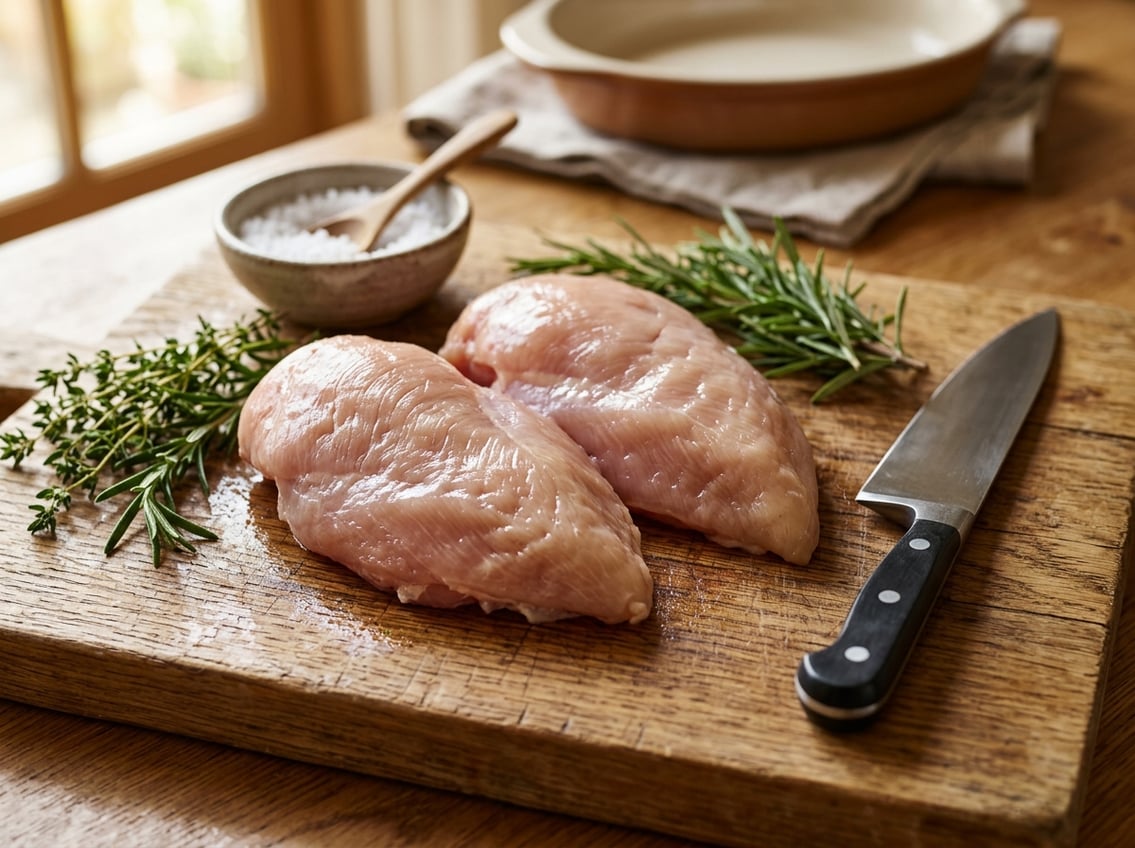
Sometimes the cooking method is not the main issue. Poor quality chicken, especially very large breasts, can stay tough even when you cook it correctly.
In some cases, the meat itself has an unusual texture before it ever hits the pan. Product choice matters here.
Woody Breast Syndrome and How to Spot It
Woody breast syndrome is a texture problem that affects some chicken breast. The meat can feel firm, dense, and hard to chew, even before cooking.
You may notice pale meat with a stiff, almost woody feel in the thicker part of the breast. If the chicken already feels abnormal when raw, the final result may stay tough no matter how careful you are.
Poor Quality Chicken and Large Breasts
Very large chicken breast pieces are more likely to cook unevenly and dry out. They often have a thick shape that makes the outside finish before the center does.
Poor quality chicken can also mean lower texture consistency from piece to piece. If one package gives you juicy chicken breast and the next turns out tough, the size and quality of the meat may be part of the reason.
Why Air-Chilled and Organic Chicken Can Help
Air-chilled chicken keeps a cleaner texture because processors do not water-chill it like some other methods. This method helps you start with a better-feeling chicken breast.
Organic chicken appeals to those who want more attention to feed and production standards. While it does not guarantee tender chicken, it can offer better starting quality and more consistent results.


