
Are Chicken Breasts Processed? What Counts and What Doesn’t
Are chicken breasts processed? In most cases, plain chicken breast is not processed meat. Fresh or frozen chicken breast without added ingredients is usually unprocessed or minimally processed. Breaded, cured, smoked, seasoned, or deli-style products count as processed.

The key difference is simple. Plain chicken breast is usually a whole food, while chicken products with curing, smoking, preservatives, or heavy formulation are processed.
Chicken breasts can appear in many forms at the store. A package of plain boneless chicken breast is very different from chicken nuggets, sliced deli chicken, or smoked chicken strips.
The Short Answer and the Core Definition
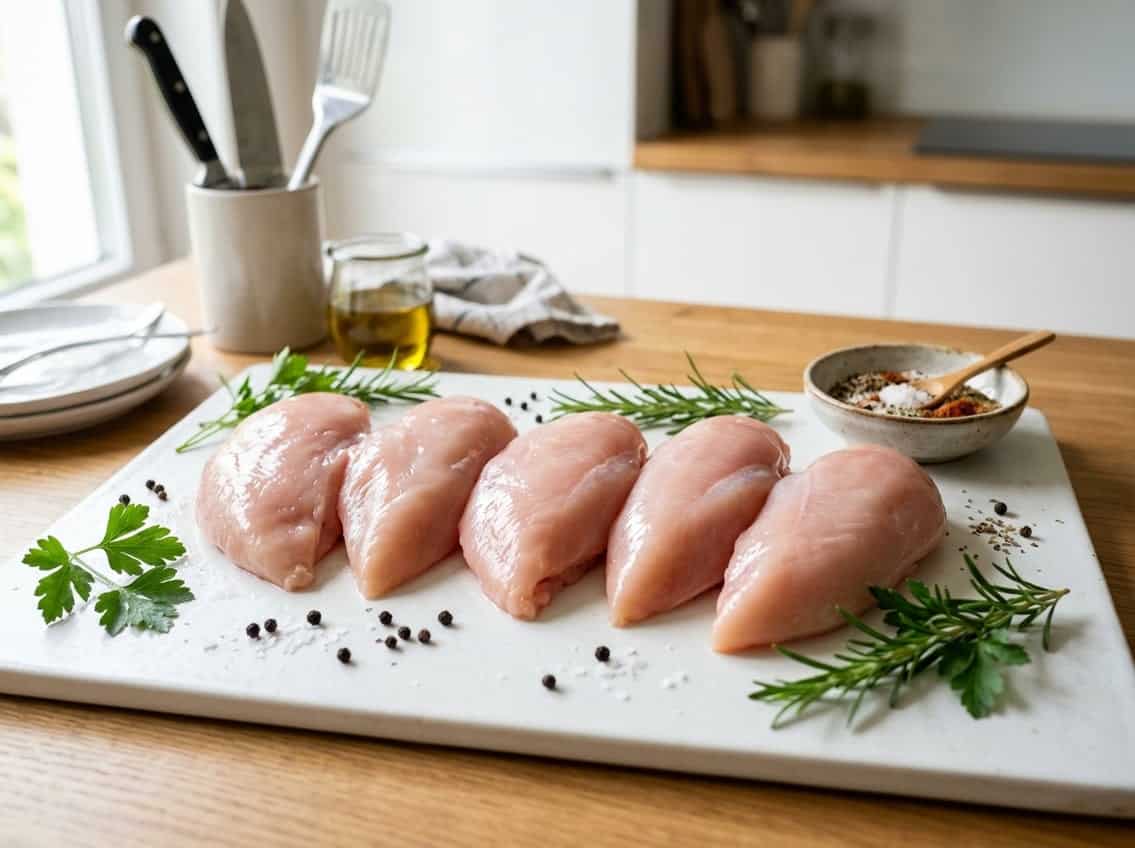
Processed meat means meat that someone has altered after slaughter. The more it is changed for preservation, flavor, or convenience, the more likely it is processed meat.
What the Definition of Processed Meat Usually Includes
Processed meat usually means meat that someone has salted, cured, smoked, fermented, or preserved with additives. The World Health Organization definition focuses on treatment that changes the meat to improve flavor or shelf life, as noted in this processed meat overview.
Bacon, sausage, hot dogs, and many deli meats are processed. Chicken breast by itself is not in that group just because it was cut from a bird.
Why Unprocessed Chicken Breast Is Different
An unprocessed chicken breast is simply the pectoral muscle of the chicken, sold raw or frozen without added curing, smoking, or preservatives. Fresh or frozen plain chicken breast is generally unprocessed meat, not processed meat, according to this chicken breast analysis and a separate frozen chicken breast discussion.
The cut itself is still a basic meat product.
Where Minimally Processed Meat Fits In
Minimally processed meat sits between raw and heavily processed. Someone may trim, cut, grind, or mechanically separate it, yet it stays close to its original form.
Plain chicken breast can be sold in cleaned, trimmed, or frozen form without becoming processed meat. The key issue is whether the product has been transformed for preservation or reformulated into a new food.
When Chicken Breast Stays Unprocessed
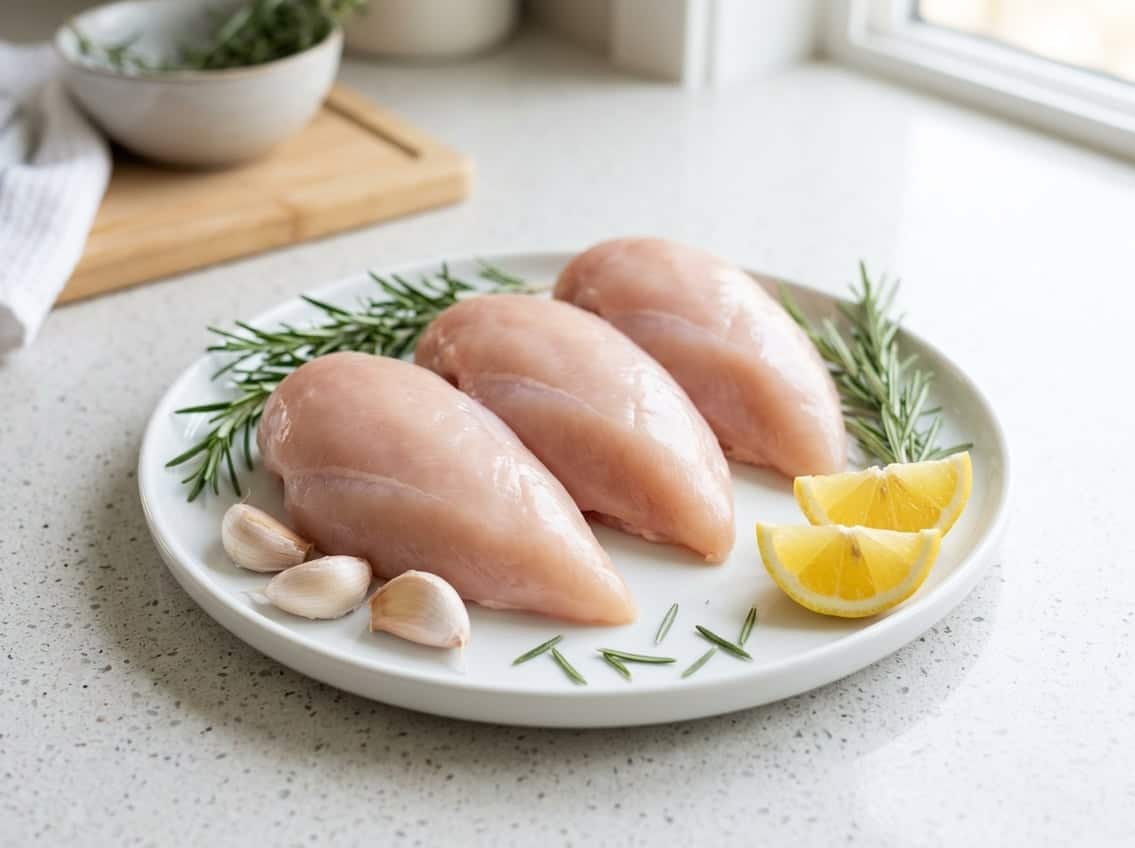
Fresh and frozen chicken breast often remain unprocessed. Simple handling steps, like trimming fat or packing the meat for sale, do not turn it into processed meat.
Fresh Chicken Breast at the Meat Counter
Fresh chicken breast at the meat counter is usually unprocessed meat if it is sold plain. It may be boneless, skinless, or trimmed, and still remain a basic raw chicken product.
A raw turkey breast at a butcher counter is often treated the same way, while the deli version becomes a different product, as noted by Tasting Table. The same logic applies to chicken breasts.
Frozen Chicken Breast Without Added Ingredients
Frozen chicken breast is usually still unprocessed when the only ingredient is chicken. Freezing preserves the meat without making it processed.
You can check the ingredient list to confirm this. If the package says only chicken breast, it is still a plain meat product.
Basic Trimming, Cutting, and Packaging vs. Real Processing
Trimming, portioning, and vacuum sealing are normal food handling steps. These actions make chicken easier to sell and use, but they do not change it into processed chicken.
Real processing starts when someone changes the meat with curing agents, smoking, heavy seasoning, breading, preservatives, or multiple added ingredients. That shift matters more than the number of times the meat was handled.
When Chicken Products Become Processed
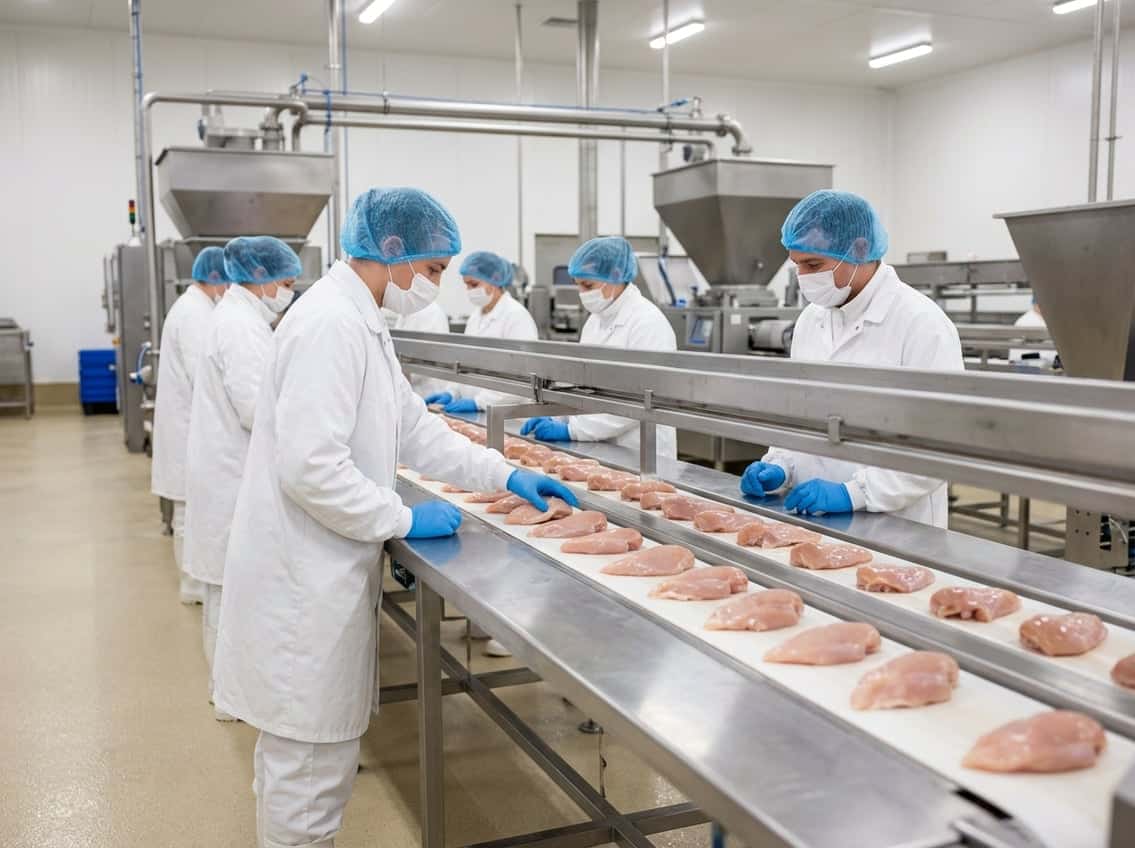
Chicken becomes processed when someone transforms it into a new food, not just sells it as a plain cut. Ingredients, additives, and preservation methods are the biggest signs.
Deli Meat and Sliced Chicken Breast Products
Sliced chicken breast sold as deli meat is usually processed. Producers often cook, mix, slice, and add preservatives or flavor enhancers.
A plain sliced chicken breast from a fresh cooked bird is not the same as deli chicken breast. The deli product is typically made for longer shelf life and easy sandwich use, which makes it processed chicken.
Chicken Nuggets and Other Formed Items
Chicken nuggets and similar formed items are processed chicken products. Manufacturers usually make them from chopped or ground chicken, then mix in binders, breading, flavorings, and sometimes additives.
These products may still contain chicken breast meat, yet the final food is no longer a simple cut of chicken breast. They belong in the processed foods category.
Chicken Sausages, Smoked Options, and Preserved Poultry
Chicken sausages, smoked chicken, and preserved poultry often count as processed meat. Smoking, curing, salting, and added preservatives change the meat from its plain form.
Some smoked or seasoned chicken breast items may look close to fresh chicken, yet the label can tell a different story. If the product is made to preserve flavor or shelf life, it is usually processed chicken.
How to Judge What You’re Buying

The package label gives you the clearest answer. Ingredient lists, sodium levels, and product names show whether you are buying fresh chicken breast or a processed chicken product.
Ingredients and Label Clues That Signal More Processing
If the package has a long ingredient list, it is usually more processed. Look for added sodium phosphates, curing salts, preservatives, sugar, breading, starches, or flavor systems.
A plain package of fresh chicken breast or frozen chicken breast should list only chicken. If the label reads like a recipe, you are probably looking at processed chicken products.
How to Compare Convenience, Nutrition, and Sodium
Processed foods often trade convenience for higher sodium and more additives. That can make them easier to use, yet less like unprocessed chicken breast.
If you compare products, look at protein, sodium, saturated fat, and ingredients together. A plain fresh chicken breast usually gives you the cleanest nutrition profile.
Better Picks If You Want Less Processed Options
Choose fresh chicken breast, frozen chicken breast with no added ingredients, or plain roasted chicken you prepare yourself.
These choices keep you closest to unprocessed meat.
If you want convenience, buy plain chicken breast and season it at home.
That way, you control the salt and additives while keeping the food simple.


