
Is in Chicken Breast: Nutrition, Protein, and Calories
Chicken breast is one of the most common high-protein foods in the U.S. You can use it for simple meals without much guesswork.
If you are asking what is in chicken breast, the short answer is lean protein, very little carbohydrate, and a useful mix of B vitamins and minerals.
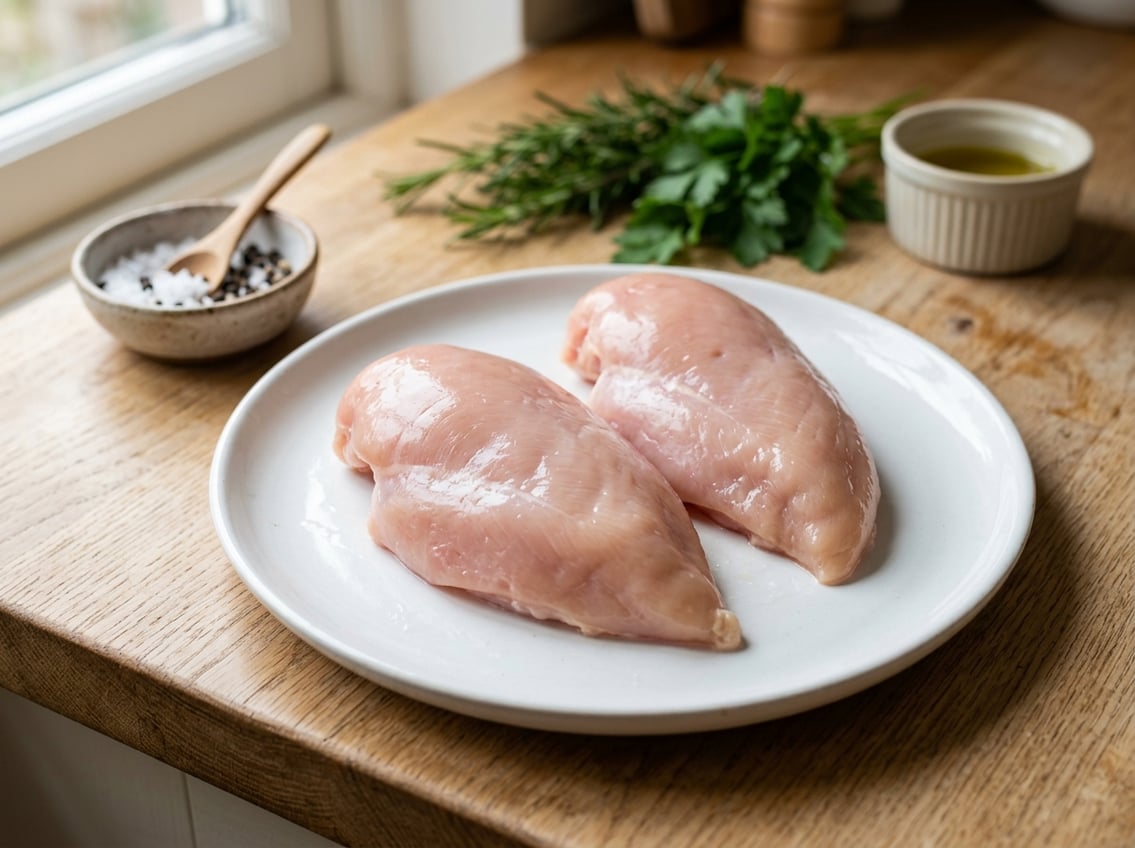
You get a lot of protein for relatively few calories, especially when you choose boneless skinless chicken breast and cook it without heavy breading or added fat. That makes it a common choice for muscle building, weight control, and easy meal prep.
Chicken breast nutrition facts can vary by size, cooking method, and whether the skin is left on. Still, the core pattern stays the same, so you can use the nutrition facts as a practical guide when planning meals.
What Chicken Breast Contains Nutritionally
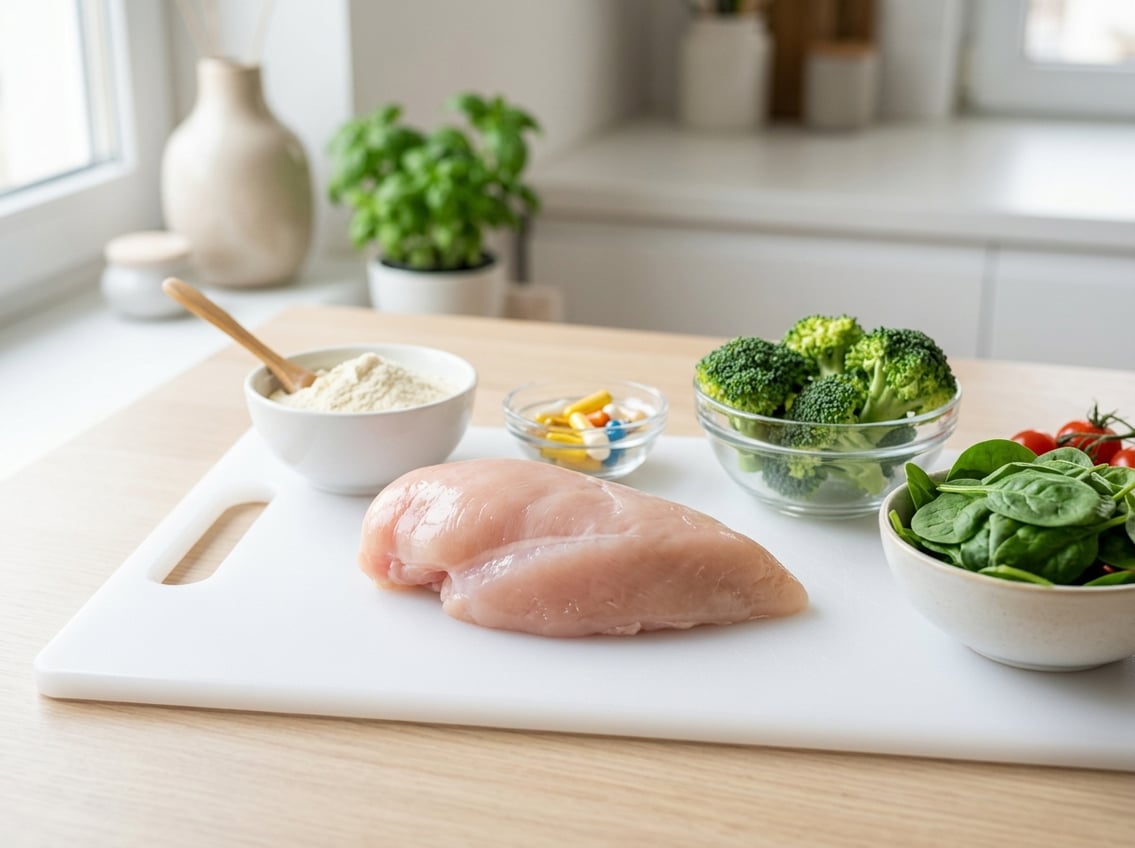
Chicken breast is lean, high in protein, and low in carbs. The exact nutrition facts change with serving size, but the main nutrients are easy to track.
A 3-ounce cooked, boneless skinless chicken breast is often used as a standard serving. According to Verywell Fit’s chicken breast macros, that portion has 26 grams of protein, 2.7 grams of fat, 0 grams of carbohydrates, and 128 calories.
Calories
Chicken breast is relatively low in calories for the amount of protein it gives you. A larger raw portion can show more calories, since water weight changes during cooking.
For example, Eat This Much lists a raw, skinless chicken breast fillet at 142 calories with a different serving structure than the cooked 3-ounce example above. That difference shows why serving size matters.
Protein, Fat, and Carbs
Chicken breast is mostly protein. It contains almost no carbs, which makes it easy to fit into many eating plans.
The fat content stays modest in boneless skinless chicken breast, especially compared with darker cuts or skin-on pieces. If you want a simple food with strong protein density, chicken breast fits that role well.
Vitamins and Minerals You Get
Chicken breast gives you more than protein. It also provides B vitamins and minerals, including vitamin B6, niacin, pantothenic acid, and selenium, based on the nutrition table in this chicken breast guide.
These nutrients support energy use, cell function, and normal body processes. You also get smaller amounts of other minerals depending on the cut and preparation.
Fat Profile, Including Monounsaturated and Polyunsaturated Fats
Chicken breast has a small amount of fat, and some of that comes from monounsaturated fats and polyunsaturated fats. These are the main unsaturated fats found in many animal foods.
Chicken also contains small amounts of omega 3 and omega 6 fats. The amounts are not as high as in fatty fish or nuts, so chicken breast should not be your main source of omega 3.
Essential Amino Acids and Why It Is a Complete Protein
Chicken breast is a complete protein, which means it gives you all essential amino acids in useful amounts. Your body needs these amino acids from food because it cannot make them on its own.
That is one reason chicken breast is popular in sports nutrition and daily meal planning. It supports muscle repair, growth, and general protein needs without a lot of extra calories.
Serving Size, Raw vs Cooked Weight, and Preparation Effects
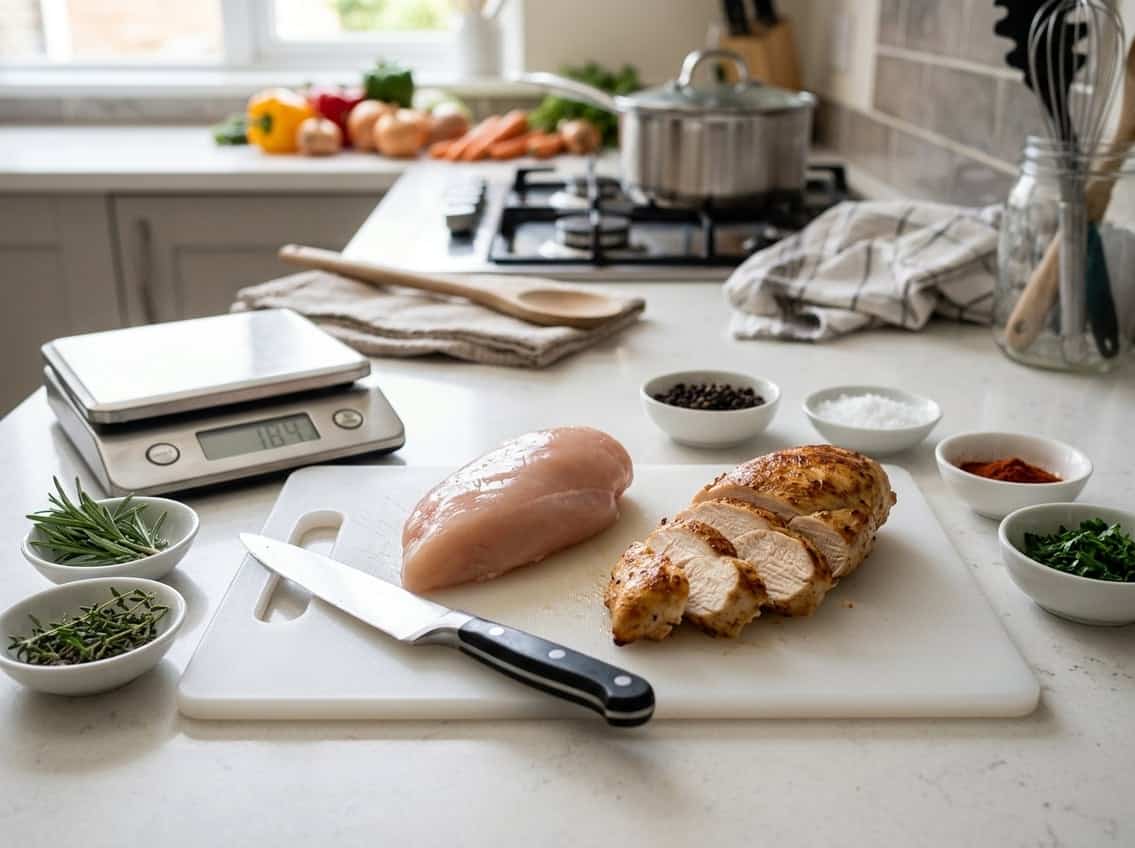
How you measure chicken breast changes the nutrition facts. A raw piece and a cooked piece may look similar, yet their weight and nutrient density are not the same.
If you are tracking nutrition closely, weigh the chicken the same way each time, either raw or cooked. That keeps your numbers consistent.
How Much Protein Is in a Typical Portion
A common serving is 3 ounces cooked, boneless skinless chicken breast, which has about 26 grams of protein, according to Verywell Fit. A larger breast can easily contain much more than that.
Many packaged chicken breasts in U.S. stores are bigger than 3 ounces, so one piece may count as two servings or more. That matters if you are logging food for fitness or medical reasons.
Why Raw and Cooked Numbers Differ
Raw chicken holds more water than cooked chicken. During cooking, water leaves the meat, so the same piece weighs less after it is done.
That means 100 grams of raw chicken breast will not match 100 grams of cooked chicken breast in calories or protein density. For the most accurate tracking, weigh your chicken raw before cooking, as noted in this macro counting guide.
How Skin, Marinades, and Processing Change the Nutrition
Skin adds fat and calories, so skin-on chicken breast is less lean than boneless skinless chicken breast. Marinades can also add sugar, oil, or sodium, depending on what you use.
Processed forms, such as shredded chicken with added broth or seasoned packaged chicken, may also change the nutrition facts. Plain shredded chicken made from home-cooked breast is usually easier to control.
How Chicken Breast Compares With Other Chicken Cuts
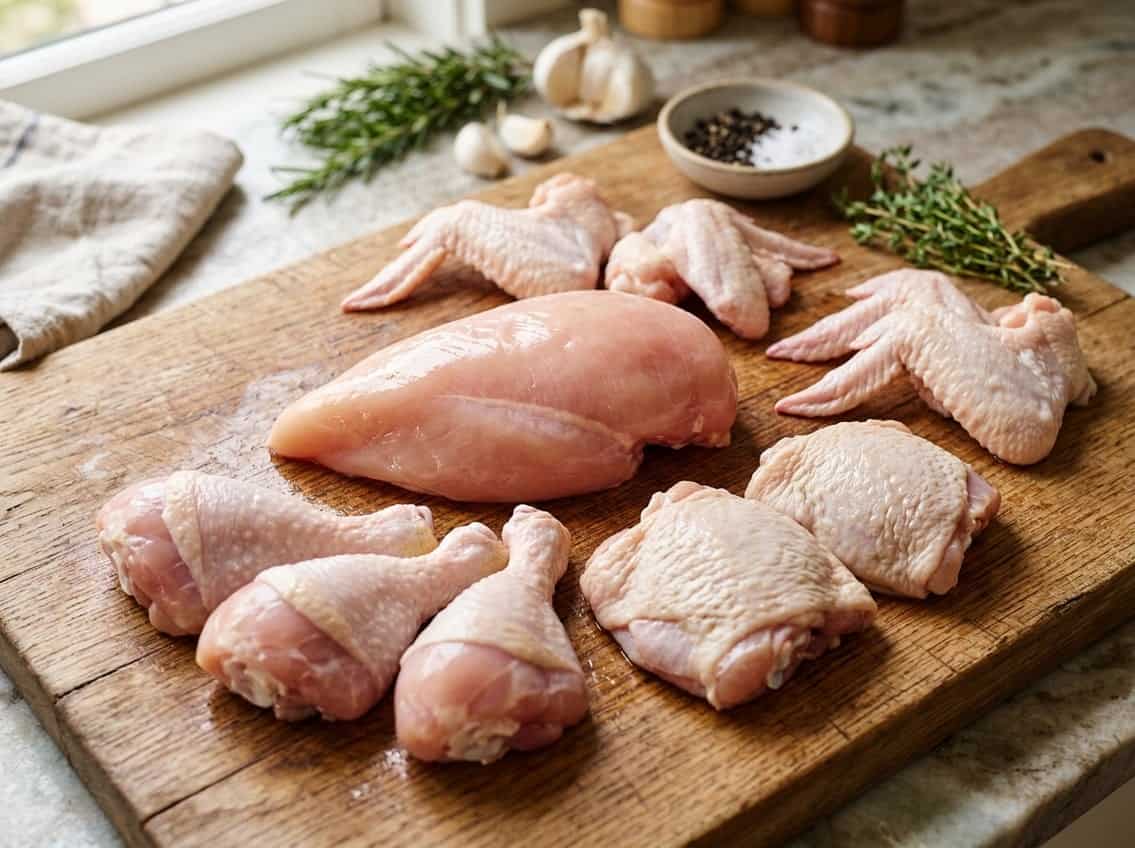
Chicken breast is the leanest of the most common chicken cuts. It usually has less fat than thigh, wing, or drumstick meat.
The breast has a milder flavor and can dry out faster if overcooked. When you compare cuts, think about your goal.
If you want lower fat and higher protein per calorie, chicken breast usually wins.
Chicken Breast vs Thigh
Chicken thighs have more fat and often more flavor than chicken breast. They also stay juicy more easily during cooking.
If you want the leanest choice, chicken breast is the better fit. If you want richer taste and do not mind extra fat, thigh meat can work well.
Chicken Wing Nutrition at a Glance
Chicken wings have more fat and less lean protein per bite than chicken breast. Wings also often come with skin, which adds more calories.
Wings are often eaten as a snack or appetizer, so serving size can add up fast. By comparison, chicken breast gives you a larger amount of protein with fewer calories.
Chicken Drumstick Nutrition at a Glance
Chicken drumsticks usually have more fat than breast but less meat per piece. If you compare a drumstick with chicken breast, the breast is still the more protein-dense option.
Drumsticks can be a good fit when you want more flavor and do not need the leanest cut.
Best Ways to Use It in Meals
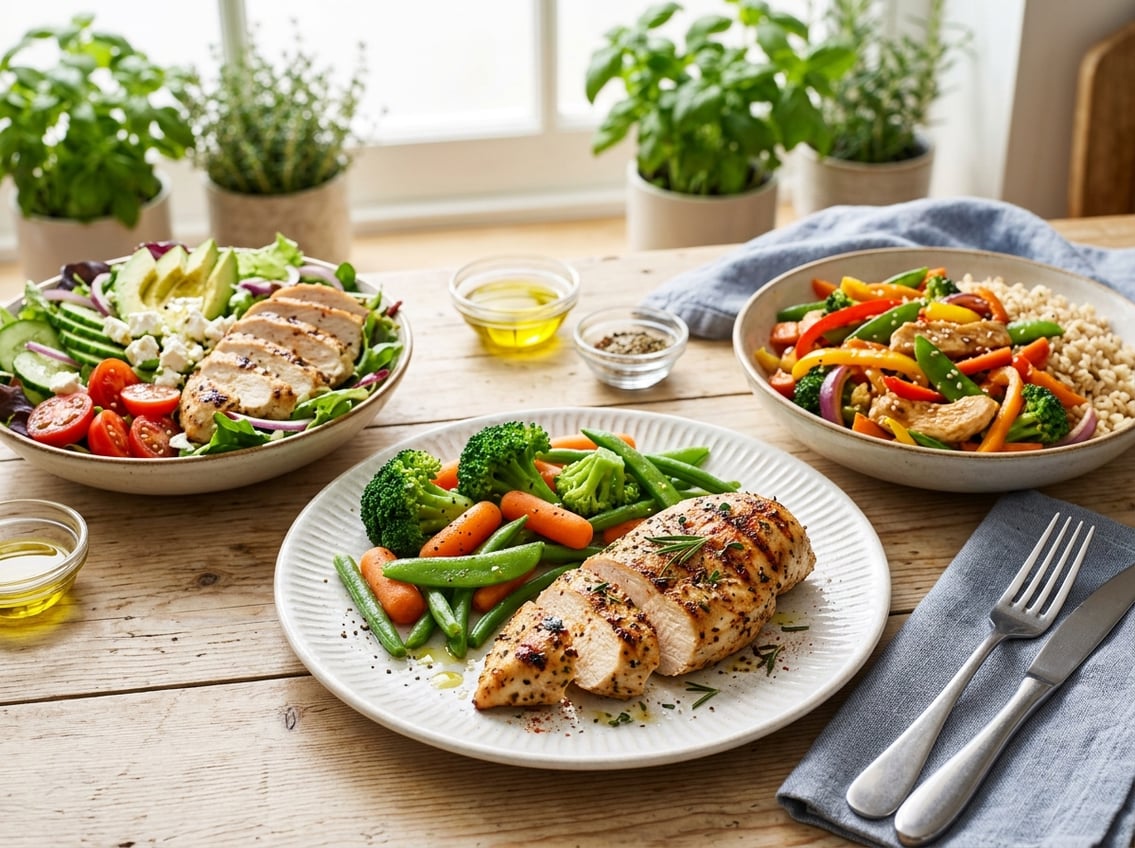
Chicken breast works best when you protect its moisture and add flavor with seasoning, sauce, or a short marinade. It adapts well to many chicken recipes, from quick dinners to meal prep.
If you want a simple protein base, boneless skinless chicken breast is easy to portion and store. It also turns into shredded chicken for bowls, tacos, soups, and sandwiches.
Healthier Cooking Methods for Better Nutrition
Grilling, baking, air frying, poaching, and sautéing with little oil are strong choices. These methods keep calories lower than deep frying or heavy breading.
Use a thermometer and cook chicken to 165°F for food safety. Let it rest before slicing so more juices stay in the meat.
Chicken Breast Recipes for Everyday Meals
Simple chicken breast recipes can keep dinner easy during the week. You can season it with garlic, pepper, paprika, lemon, or herbs and pair it with vegetables and grains.
A roundup of chicken breast recipes from The Pioneer Woman shows how flexible this cut can be for weeknight meals. You can also use it in sheet-pan dinners, pasta, soups, and wraps.
Ideas Like Chicken Caesar Salad and Meal Prep Bowls
Chicken Caesar salad uses sliced grilled chicken breast in a balanced meal. You can keep it lighter by measuring the dressing and adding extra vegetables.
You can also make meal prep bowls with rice, beans, greens, roasted vegetables, and shredded chicken. This format helps you control portions while keeping meals filling.


