
Whole Chicken Breast Recipes for Juicy, Easy Meals
Whole chicken breast recipes offer an easy path to juicy, flexible meals with less guesswork than many other chicken breast recipes. When you cook the breast meat with the right cut, heat, and resting time, you get tender results that work for weeknights, meal prep, and simple dinner plans.
If you want a dependable baked chicken breast recipe or a more flavorful roasted chicken breast, match the cut to the method and cook just until the meat is done.
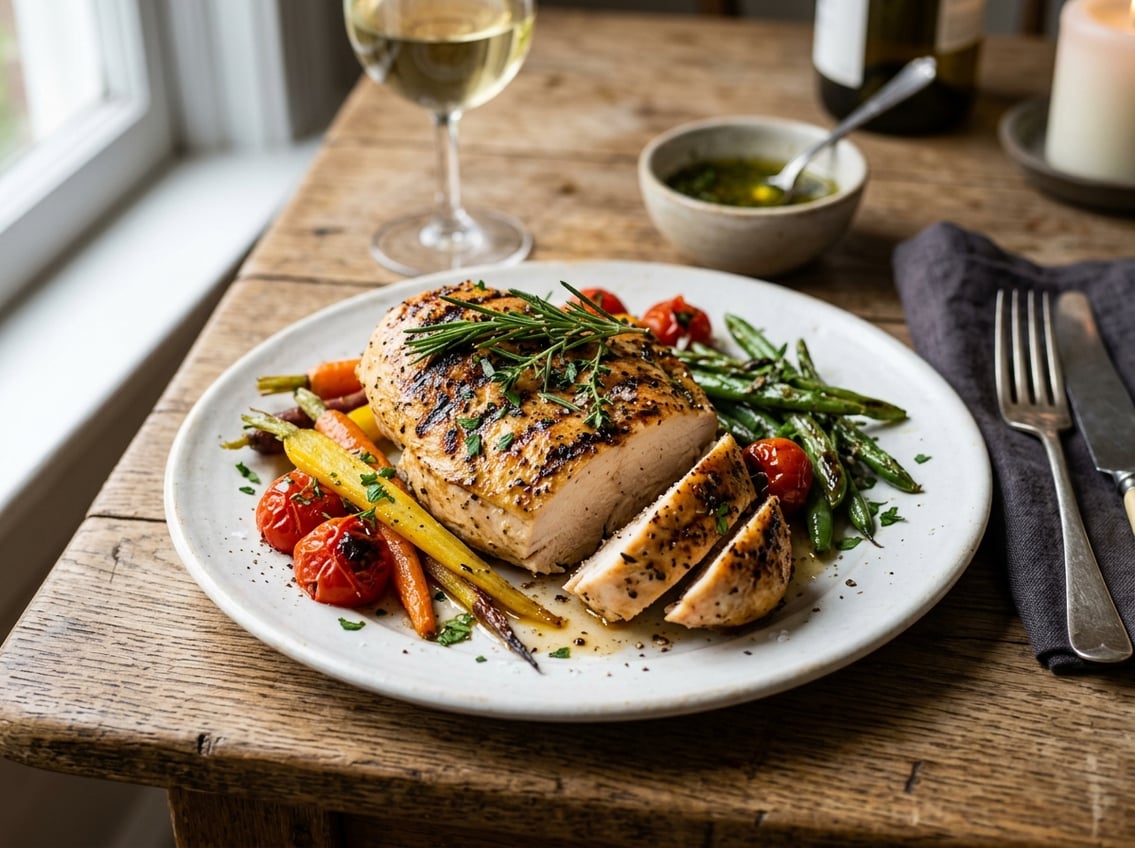
Whole bird cooking remains popular because it delivers great results. Ideas from whole chicken recipes translate well to breast-forward meals.
A simple roast chicken recipe teaches you a lot about skin, seasoning, and oven timing. You do not need a complicated plan.
You need the right cut, enough surface seasoning, and a clear target for doneness.
Choose the Right Cut and Cooking Method
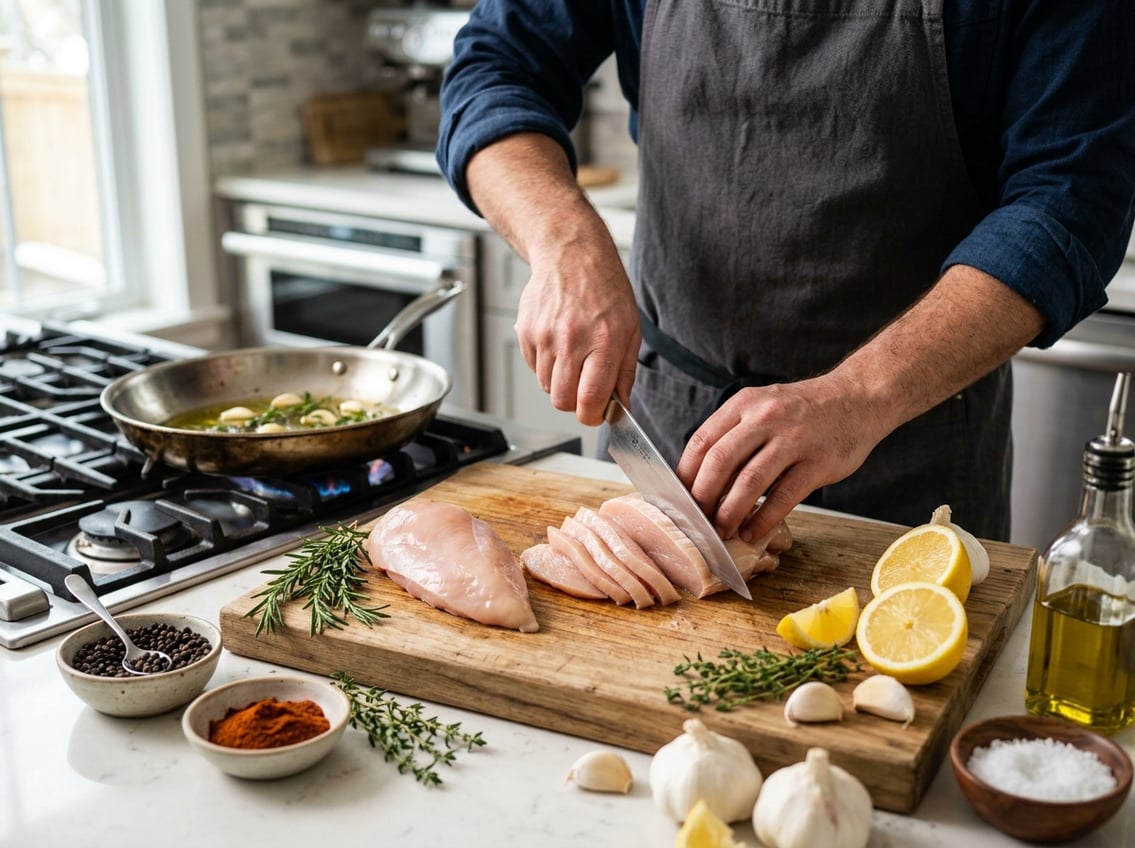
The best whole chicken breast recipes start with choosing a cut that fits your time and texture goals. Bone-in, skin-on breasts give you more flavor and better moisture control.
Boneless pieces cook faster and are easier to slice.
Whole Chicken Breasts vs. Split Breasts vs. Boneless Breasts
Whole chicken breasts are usually a breast half with the wing joint attached, often still on the bone and skin. Split breasts are similar, while boneless breasts are trimmed for speed and convenience.
Bone-in cuts hold up better in the oven and feel closer to a roasted whole chicken style dinner. Boneless pieces work well when you want fast portions for salads or sandwiches.
When Roasting Beats Baking for Better Skin and Juiciness
Roasting gives you browned skin and deeper flavor. A hotter oven renders fat and crisps the skin, which is why many whole chicken recipe methods rely on roasting.
A baked chicken breast recipe can still be juicy, especially with bone-in meat. Roasting usually gives you a better texture on the outside.
For breast-forward meals that feel like a smaller version of whole roasted chicken, roasting often wins.
How Whole Chicken Techniques Apply to Breast-Forward Meals
Use the same ideas from whole chicken recipes, such as drying the skin, seasoning well, and resting after cooking. These steps help the breast meat stay moist and make a roasted chicken breast taste more complete.
Think of it as a scaled-down roast. The same method that makes a full roast chicken recipe reliable can make a weeknight chicken breast feel more polished.
Master Juicy Results Every Time
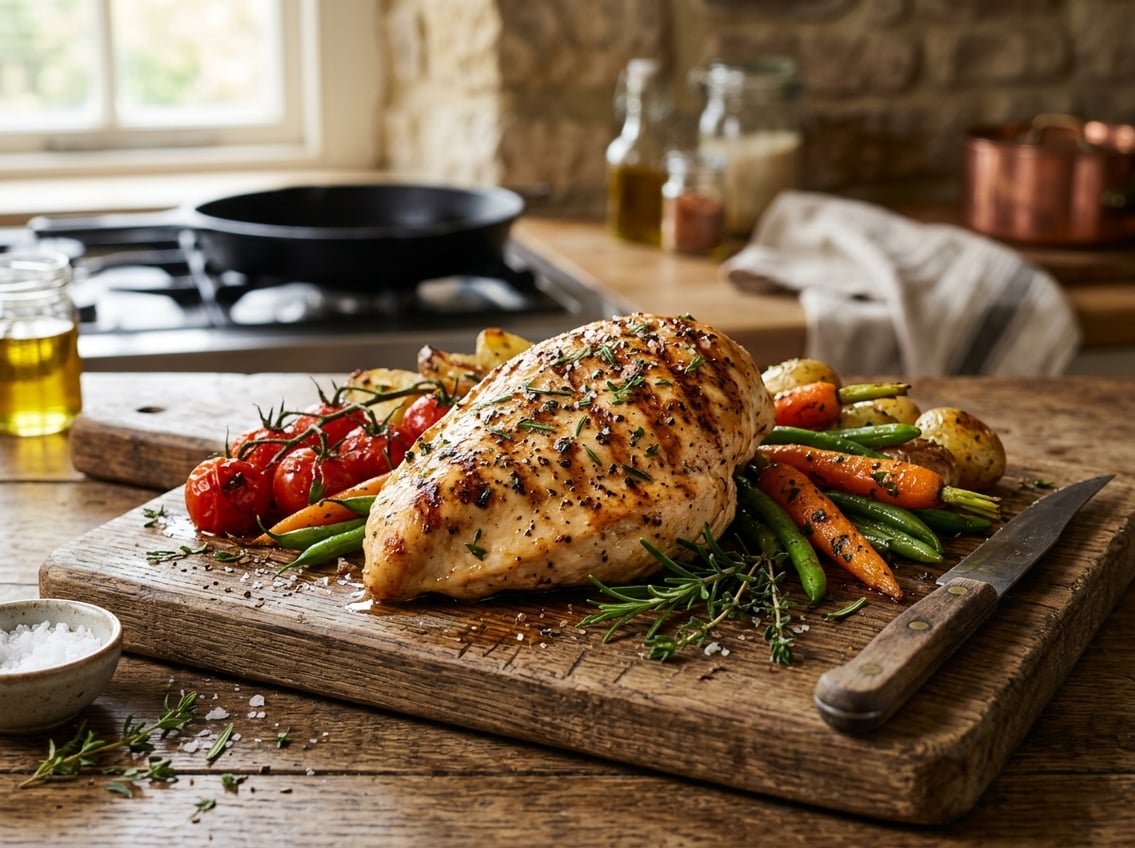
Juicy chicken comes from good prep, the right oven heat, and careful timing. Each step matters because breast meat dries out faster than darker cuts.
How to Prep, Dry, and Season for Crisp Skin
Pat the skin very dry before cooking. Moisture on the surface blocks browning, so paper towels are worth the extra minute.
Use salt, pepper, and a little oil or butter. Add herbs or spices that match your flavor plan.
A well-seasoned roasted chicken breast needs only a light coat, not a heavy paste.
Best Oven Temperatures and Approximate Cook Times
For bone-in breasts, use a range of 400 to 425°F for good color and steady cooking. Smaller breasts may finish in 25 to 35 minutes, while larger ones can take longer.
If you prefer a gentler baked chicken breast recipe, use a slightly lower temperature and watch the center closely.
A whole roasted chicken approach often uses similar heat, just with a longer total cook time.
Why an Instant-Read Thermometer Matters Most
An instant-read thermometer removes the guesswork. For breast meat, aim for the thickest part to reach 165°F, then rest the chicken before slicing.
That rest gives the juices time to settle back into the meat. It is the simplest way to improve a roasted chicken breast without changing the recipe.
Best Flavor Variations for Everyday Cooking
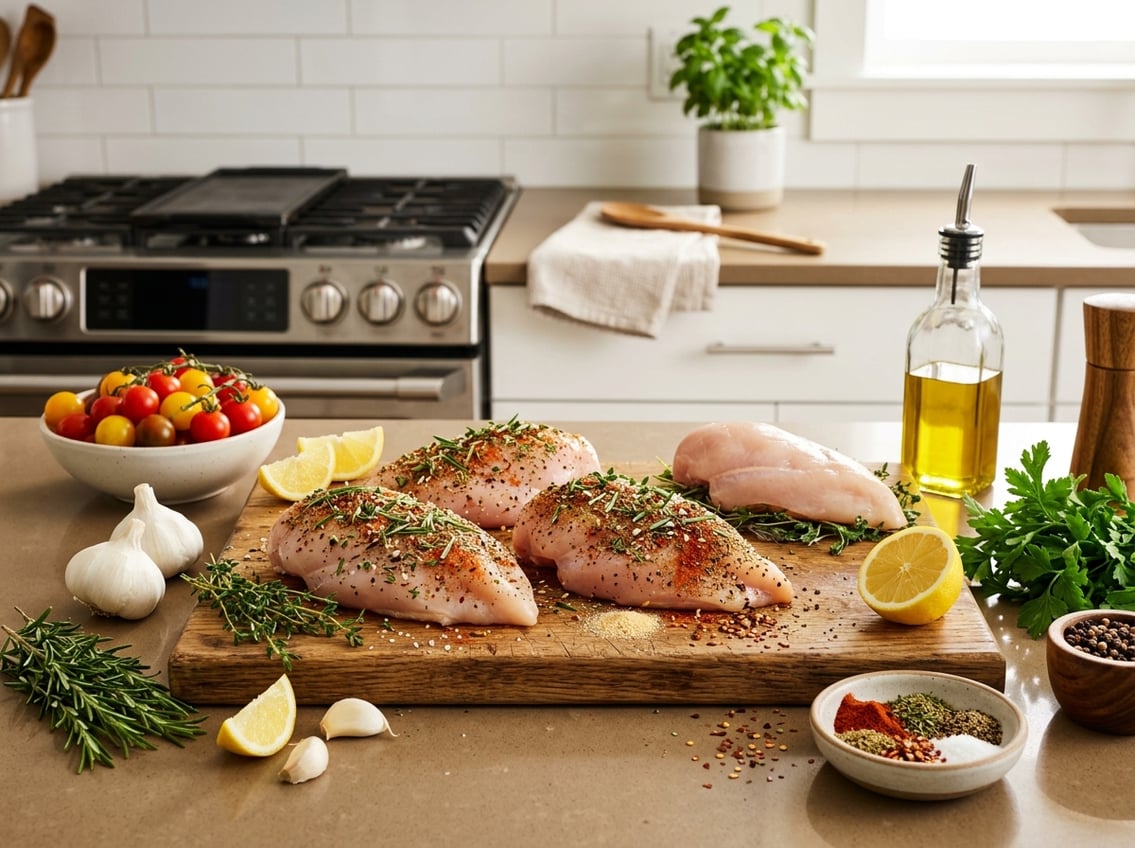
Once you know the basic method, flavor changes become easy. A few pantry ingredients can shift your chicken from plain to tailored for dinner, meal prep, or leftovers.
Garlic Herb and Classic Roast Seasoning
Garlic, thyme, rosemary, paprika, salt, and pepper make a reliable base. This style works well when you want a roast chicken recipe feel without adding a sauce.
Use butter under the skin for richer flavor and more browning. This echoes the comfort of classic whole chicken recipes while keeping the meal simple.
Honey Mustard Glaze for Sweet-Tangy Roasting
A honey mustard glaze adds shine and balanced sweetness. It works especially well on a honey mustard glazed whole chicken style dinner, even when you are cooking only the breasts.
Brush it on near the end of roasting so it does not burn. The same idea works for a honey mustard glaze on chicken breast recipes when you want a quick flavor change.
Spicy Cajun Whole Chicken Inspiration for Bolder Flavor
Cajun seasoning brings heat, smoke, and salt in one step. It fits well if you like the style of spicy cajun whole chicken but want to apply it to breast meat.
Use a light hand if your seasoning mix already contains salt. That keeps the final bite balanced and prevents the crust from tasting too strong.
Balsamic and Smoky BBQ Options for Deeper Flavor
Balsamic glaze adds acidity and a touch of sweetness. It pairs well with roasted vegetables and gives a whole chicken with balsamic glaze feel to a simple breast dinner.
For stronger smoky flavor, try a dry rub inspired by smoked whole chicken or bbq smoked whole chicken. Keep sauces light during roasting, then add more at the table if needed.
Serve, Store, and Repurpose Leftovers
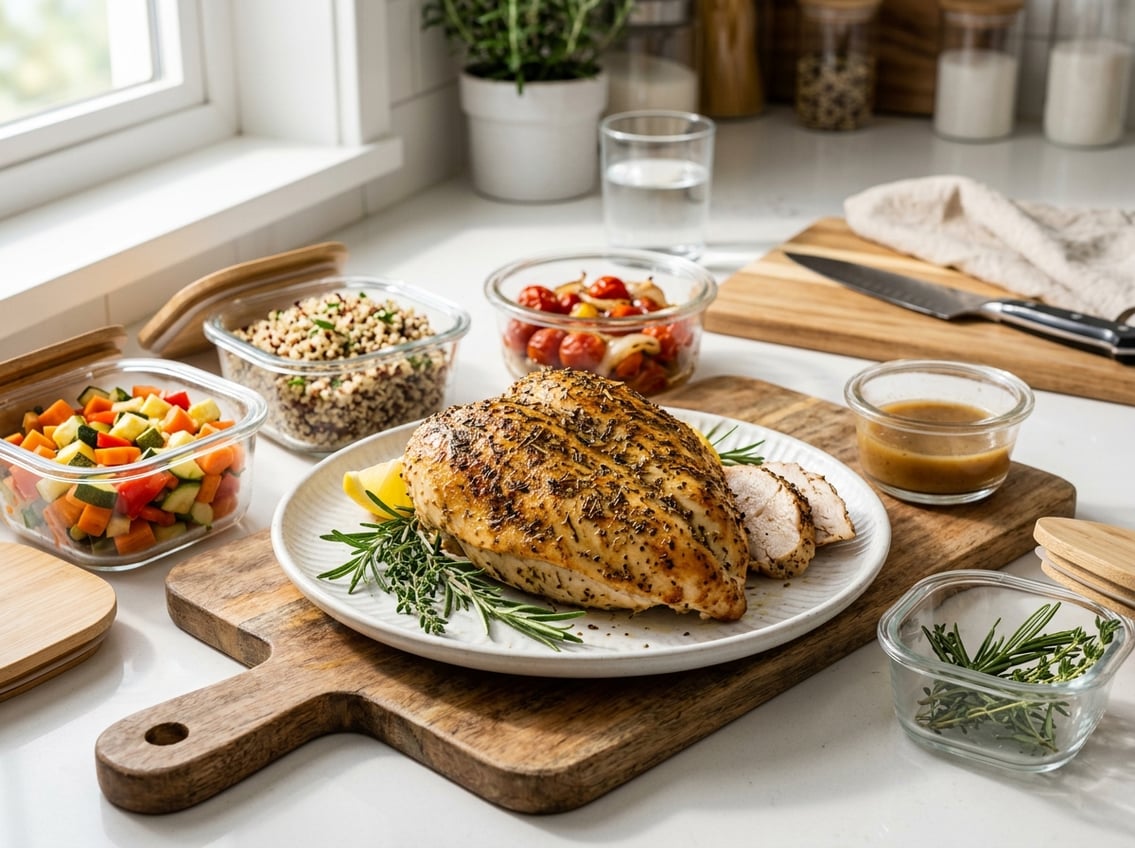
You can build several meals from one cooked breast. Slice carefully, serve with simple sides, and store leftovers fast so the meat stays moist.
Easy Side Dishes That Match Roast Chicken
Roasted potatoes, green beans, broccoli, carrots, rice, and simple salad all work well. These sides keep the plate balanced and fit the clean flavor of many chicken breast recipes.
If you want a fuller meal, use the same format you would with whole chicken recipes, just on a smaller scale. Grain bowls and sheet pan vegetables also pair well with a roasted chicken breast.
How to Slice and Serve Breast Meat Without Drying It Out
Let the meat rest before cutting. Then slice across the grain into even pieces, which helps each bite stay tender.
If the breast is large, slice only what you need and leave the rest whole on the board. That keeps the remaining meat warmer and juicier than chopping everything at once.
Leftover Ideas for Salads, Soups, Sandwiches, and Meal Prep
Cold sliced chicken pairs well with greens, beans, or pasta in salads.
You can add warm leftovers to soups, wraps, or rice bowls. Using a whole chicken recipe mindset helps even when you only cooked the breast.
For more leftover ideas, check how leftover chicken recipes transform extra meat into quick meals.
You can also use the same method found in whole chicken recipes and prepare lunch for the next day.


