
What Are Chicken Breasts? Cuts, Types, and Best Uses
Chicken breasts are lean, mild-tasting cuts that most people mean when they talk about chicken breasts. They come from the front of the bird and are one of the most common proteins in U.S. kitchens because they cook quickly and fit many meal styles.
If you know where chicken breasts come from, which package label you are buying, and how to cook them without drying them out, you can turn this cut into reliable weeknight meals.
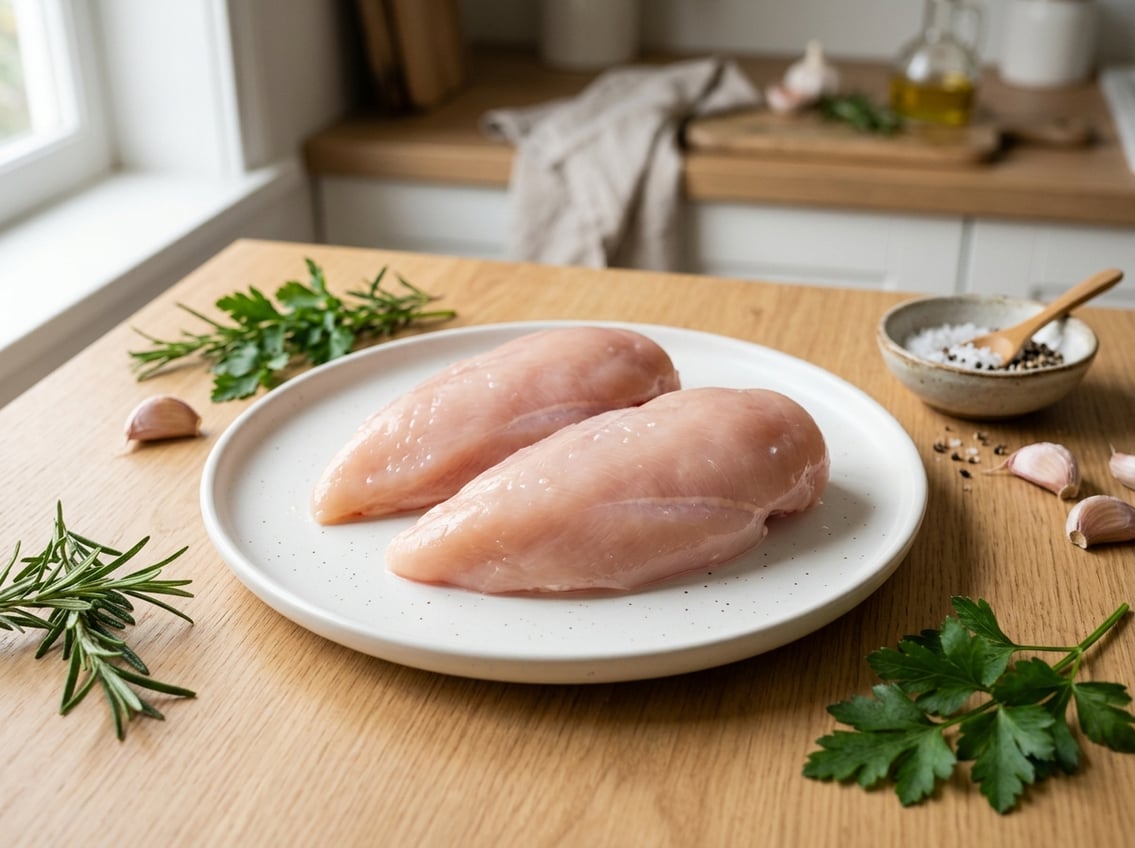
You find chicken breasts in everything from simple grilled dinners to recipes with creamy sauces, breading, or bold seasonings. They also work well for salads, sandwiches, and sliced meal prep.
Where Chicken Breasts Come From and What They Include
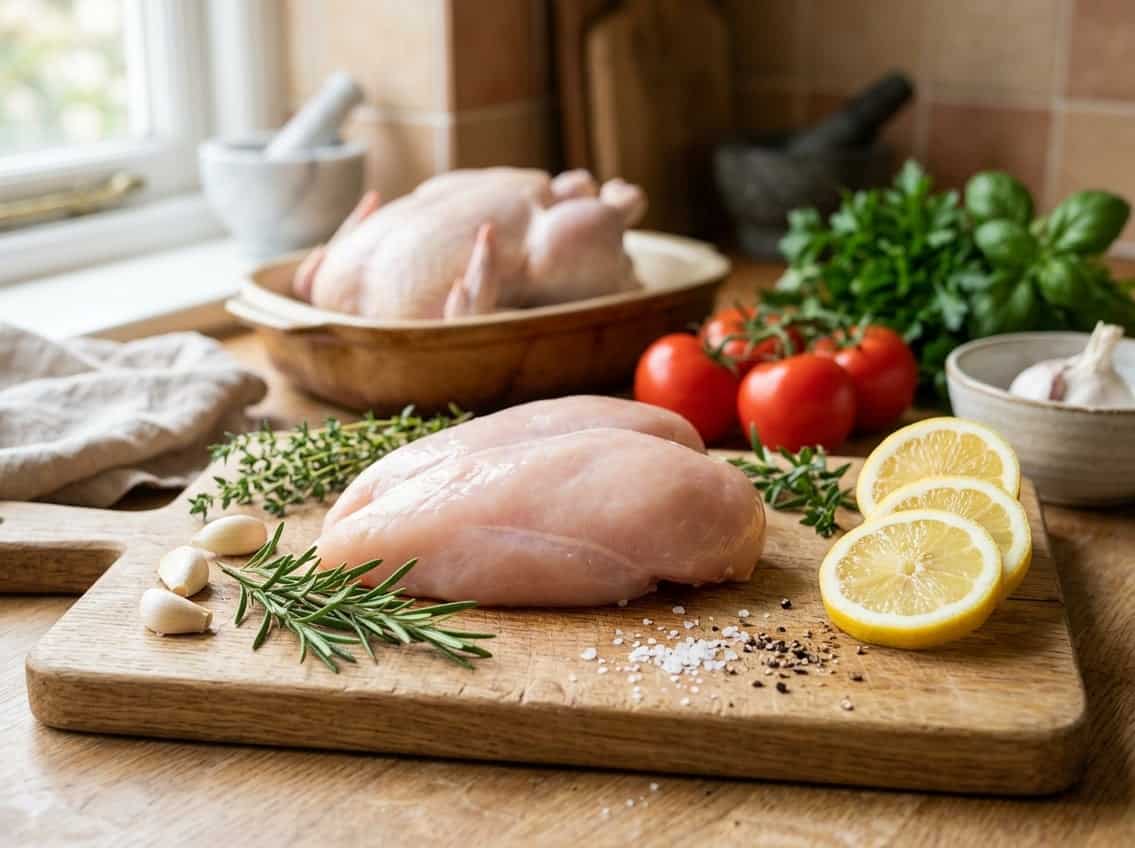
The chest area of the bird contains the chicken breasts, which are the large front muscles on each side. Each chicken has two breasts, one on the left and one on the right.
This muscle does less work than the legs, so it is pale, lean, and tender.
Location on the Bird
A chicken breast sits above the wing and in front of the ribs. When you buy a chicken breast, you are usually buying one half of that chest area.
The meat is naturally larger at one end and thinner at the other. That shape affects how evenly it cooks.
Whole Breast vs Split Breast
A whole breast is the full piece from one side of the bird. In stores, you may also see a split breast, which means the breast has been separated into halves.
A boneless chicken breast has the bone removed. A skinless chicken breast has the skin removed, while a skin-on chicken breast keeps the skin attached.
A boneless skinless chicken breast is the most common version in U.S. supermarkets.
Tenderloin vs Breast Meat
The tenderloin is a smaller strip attached to the underside of the breast. Stores often sell it with the breast or remove it and sell it as separate strips.
Tenderloins are not the same as the main breast meat, even though they come from the same area. They cook faster because they are thinner and smaller.
White Meat Characteristics
Chicken breast is white meat, which means it is leaner and lighter in color than dark meat. According to The Spruce Eats, it has less fat and a mild flavor that takes on seasoning well.
That low fat content is useful in many recipes. You need to watch the heat, because overcooking makes chicken breasts dry more quickly than fattier cuts.
Common Types You’ll See at the Store
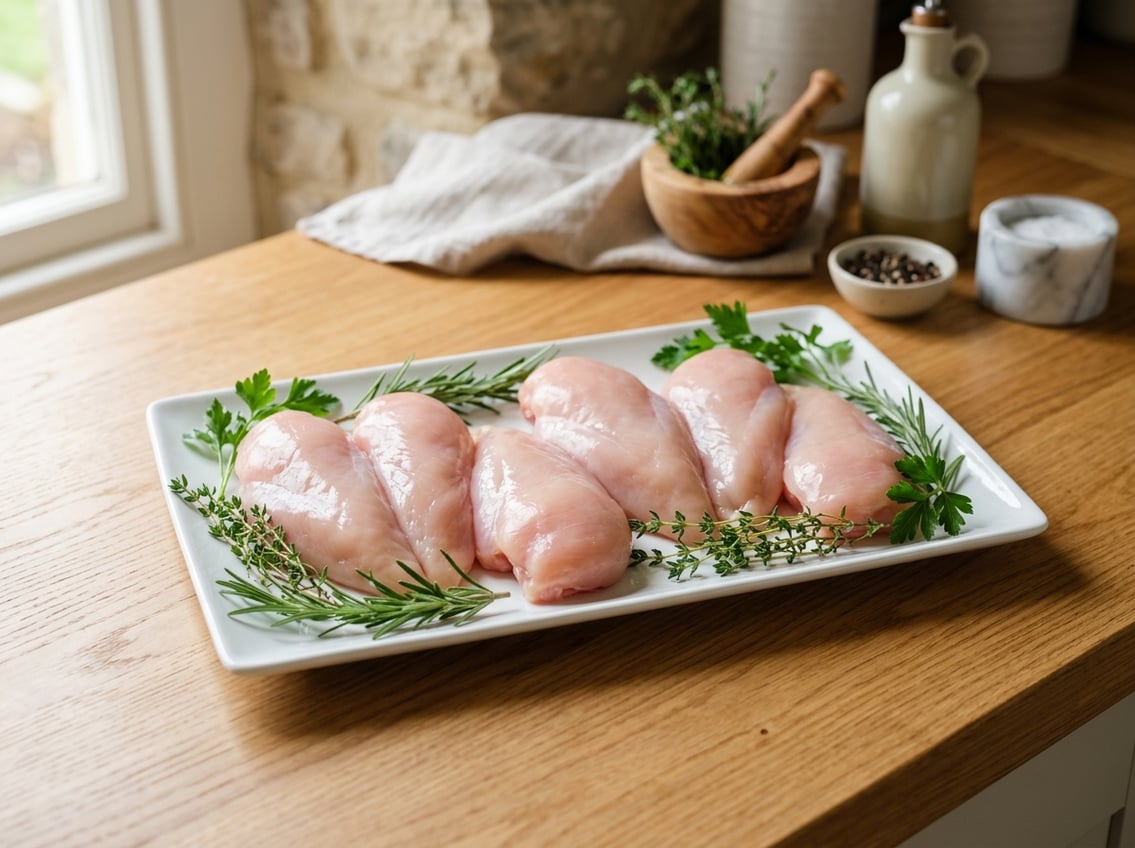
The chicken section in your store may look simple, but package labels can mean different things. Bone, skin, and whether the meat is fresh or frozen all change how you should cook it.
Boneless vs Bone-In
Boneless chicken breast is easier to slice, stuff, and cook quickly. Many people choose it for salads, stir-fries, and oven baking.
Bone-in breasts usually cook more slowly, but they can stay juicier and add more flavor. If you want a roasted chicken breast with extra richness, try this version.
Skinless vs Skin-On
Skinless chicken breast is common for lean meals and lighter sauces. It is easy to season and trim.
Skin-on chicken breast gives you more flavor and helps protect the meat during roasting or pan cooking. The skin can turn crisp if you cook it well.
Fresh vs Frozen
Fresh chicken breasts are ready to cook soon after purchase. Frozen chicken breasts are useful for planning ahead and keeping extra portions on hand.
Frozen chicken works well if you thaw it safely in the refrigerator before cooking. The key is starting with meat that is fully thawed and handled well.
How Package Labels Can Be Confusing
Labels like “boneless chicken” do not always mean breast meat. As Tatnuck Meat & Sea notes, boneless chicken can refer to several cuts with bones removed, not just breasts.
That is why package wording matters. If you want breast meat, look for “breast,” “breast halves,” “boneless skinless chicken breast,” or a similar clear label.
How Chicken Breasts Cook Best
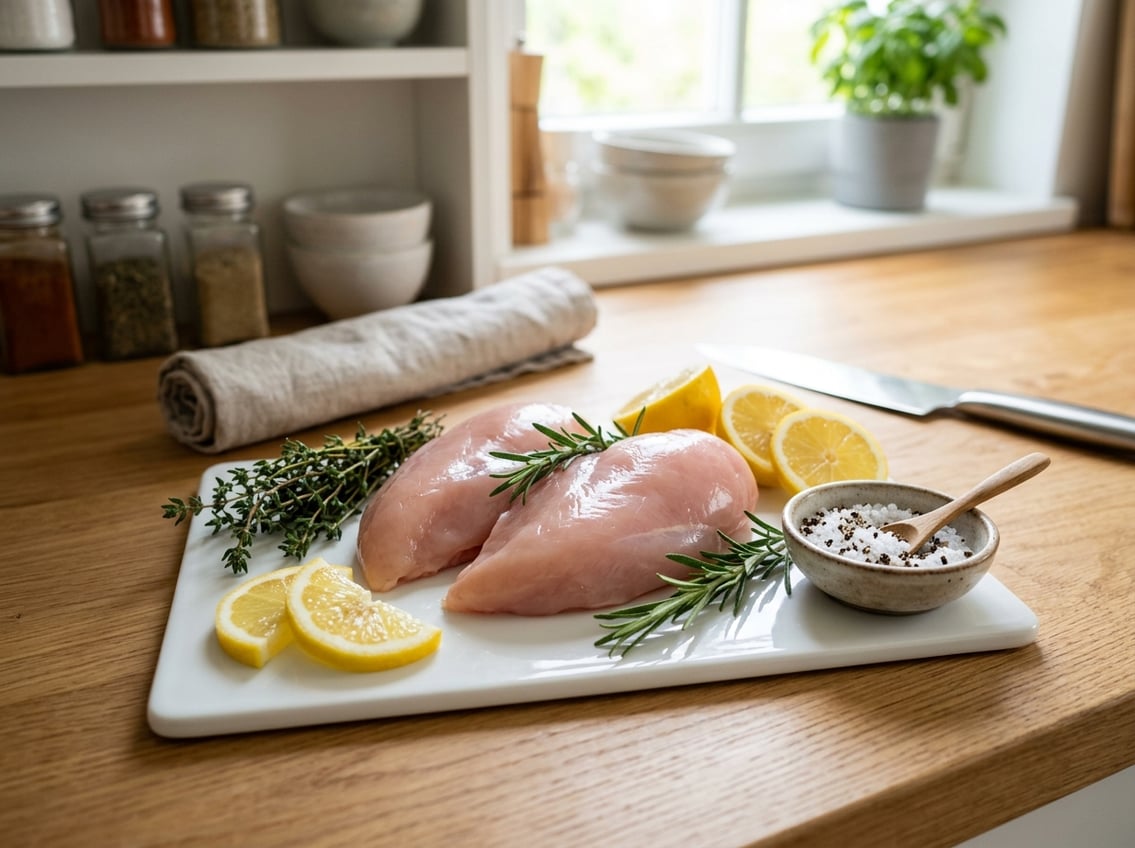
You get the best results with chicken breasts when you control shape, heat, and timing. Many people start with a thick end and thin end, then cook it the same way without adjustment.
Even cooking matters because the thickest part needs to reach a safe temperature while the thin part stays moist. A meat thermometer is the simplest way to avoid guesswork.
Why Even Thickness Matters
A thick breast can dry out before the center is done. Pounding it to an even thickness helps it cook more evenly in a skillet, oven, or on the grill.
This step also works well for chicken cutlets, which are thin pieces made from a breast. Thin cutlets cook fast and are useful when you want a quick sear or a fast breaded dinner.
Safe Internal Temperature and Resting
Cook chicken breasts to 165 F in the thickest part. That is the safe internal temperature used by food safety guidance and is the standard target for home cooking.
After cooking, let the meat rest for a few minutes before slicing. Resting helps the juices settle, which gives you a juicier chicken breast.
Best Methods for Juicy Results
Baking, grilling, roasting, and frying all work well if you avoid overcooking. Baked chicken breasts usually do well in a hot oven with a little oil, seasoning, and close temperature checks.
Grilled chicken breasts get good flavor from direct heat and quick cooking. Roasted chicken breasts can stay moist with skin-on pieces or with a light coating of fat.
Fried chicken breasts work well when you want a crisp coating and a shorter cooking time. Sauces and pan drippings also help keep the meat from feeling dry.
When to Slice, Pound, or Cube the Meat
Slice after resting if you want neat pieces that keep their juices. Slice against the grain for a more tender bite.
Pound the breast before breading or pan cooking if the shape is uneven. Use cubed chicken for stir-fries, soups, and skewers, where small pieces cook faster.
You can also cut the meat for chicken cutlets and top it with a creamy sauce for a fast dinner.
Best Dishes and Recipe Styles for This Cut
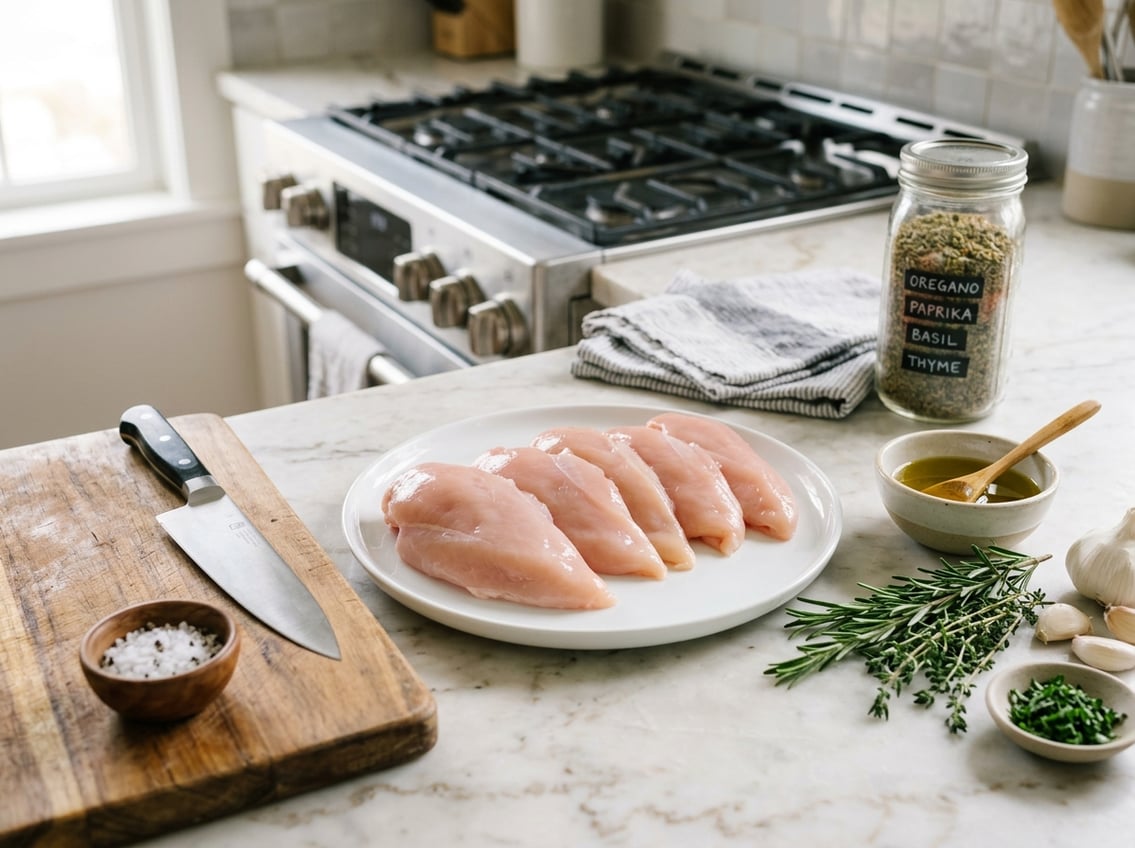
Chicken breasts fit a wide range of meals because they take on seasoning, sauces, and coatings easily. They work especially well when you want a lean protein that cooks fast and can be sliced, shredded, or served whole.
Quick Weeknight Skillet and Oven Meals
For simple dinners, use a plain baked chicken breast with vegetables, or slice the meat for rice bowls and pasta. You can also season it for ranch chicken, chicken florentine, or a skillet meal with vegetables and a light sauce.
Chicken breast recipes in this category usually rely on basic pantry ingredients and fast cooking. That makes them practical for busy nights.
Breaded and Fried Classics
Chicken breasts are a strong choice for breaded dishes because the meat is large and easy to flatten. They work well for chicken parmesan, chicken katsu, and chicken cordon bleu.
A breaded breast also makes a good sandwich or cutlet dinner. The coating adds texture, while the mild meat underneath keeps the flavor balanced.
Grilled and Salad-Based Meals
A grilled breast slices cleanly for chicken salad, grilled chicken salad, or chicken caesar salad. It also works in chicken fajitas with peppers, onions, and corn tortillas.
When you want a lighter meal, grilled chicken keeps the plate simple. A little lemon, herbs, or spice rub is often enough.
Saucy Restaurant-Style Favorites
Chicken breasts also fit rich sauces well.
You can use them for chicken piccata, chicken marsala, and chicken tikka masala.
These dishes work because the breast absorbs flavor without needing much fat of its own.
When you want more richness, serve the meat with a sauce that adds moisture and depth.


