
Oyakodon With Chicken Breast: Easy, Juicy Bowl Guide
You can make oyakodon with chicken breast at home and still get a juicy, satisfying bowl if you handle the chicken gently and keep the egg soft.
This Japanese chicken and egg rice bowl is a practical weeknight meal. It fits neatly into the larger family of donburi, or Japanese rice bowl dishes.
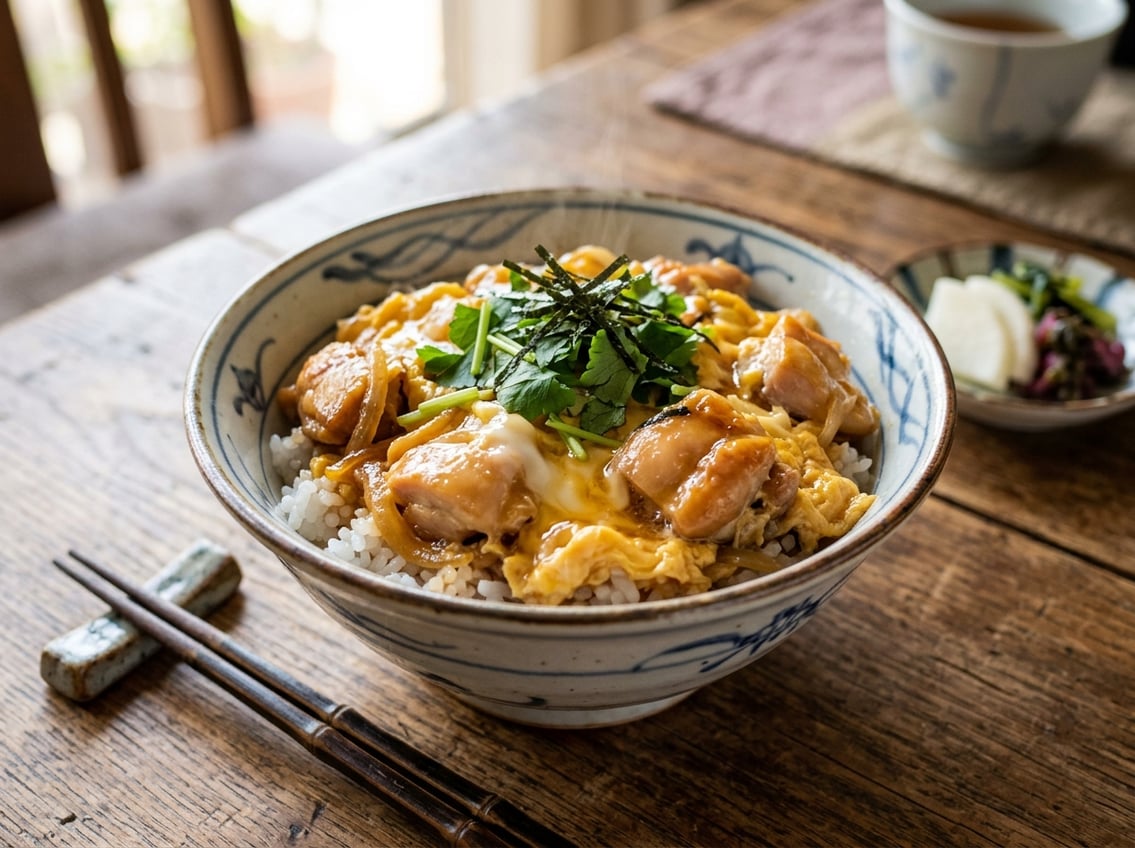
People call this dish oyakodon, oyako don, oyako donburi, and 親子丼. These names point to the “parent and child” idea of chicken and egg in one bowl.
You get comfort food with high protein and simple ingredients.
What You Need for a Great Bowl
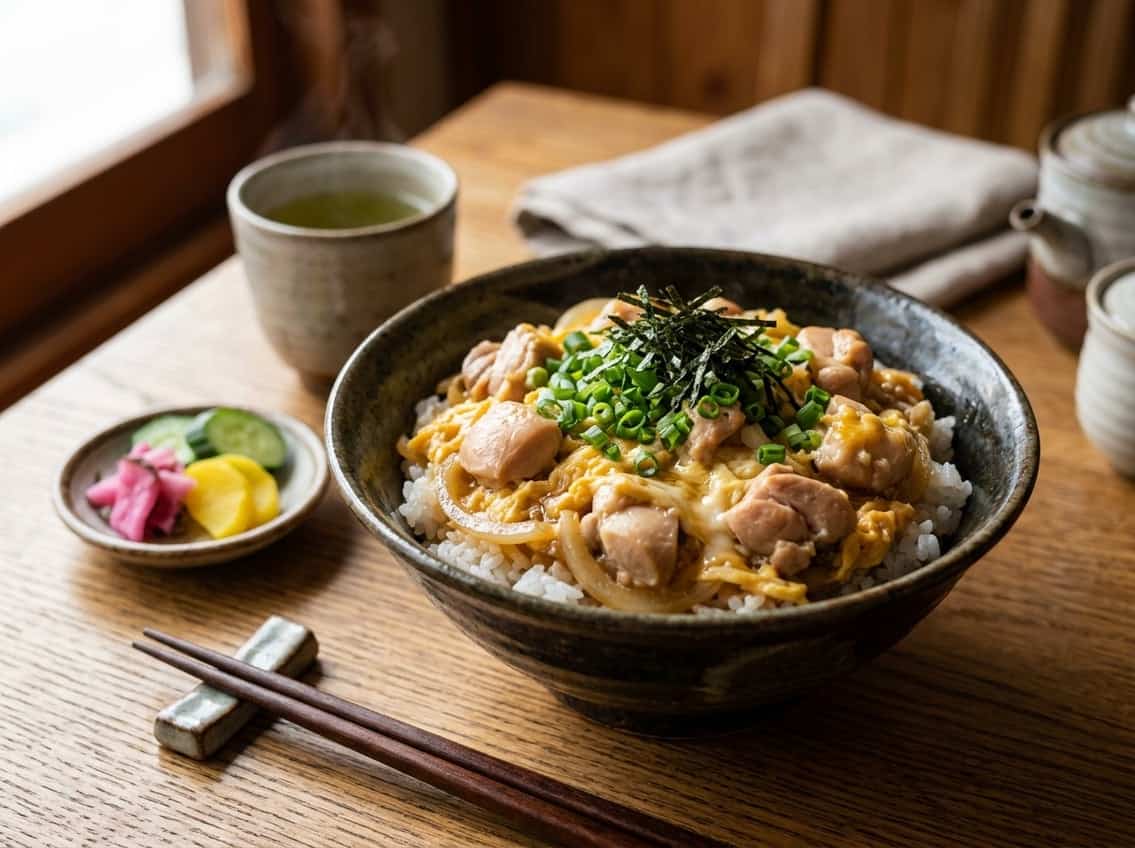
The core ingredients are simple, but each one affects the final texture.
If you choose the right chicken, build a balanced broth, and use the right rice and egg style, your bowl turns out richer and more satisfying.
Choosing Chicken Breast vs. Chicken Thighs
Chicken thighs are the classic choice for oyakodon because they stay tender during simmering.
A boneless skinless chicken thigh is forgiving, which is why many cooks prefer it for a fast chicken and egg rice bowl.
Chicken breast also works well, especially when you want a leaner, high protein meal.
To keep chicken breast juicy, cut it into small, even pieces and cook it only until done.
A light coating of potato starch can also help it stay moist.
Building the Sauce With Dashi, Soy Sauce, and Mirin
The sauce gives oyakodon its familiar savory-sweet flavor.
You usually want dashi, soy sauce, and mirin, with a little sugar and sake if you like a rounder taste.
Tamari can stand in for soy sauce if you need a gluten-free option.
For dashi, you can use homemade dashi, instant dashi granules, a dashi packet, or a quick dashi stock made with kombu and bonito flakes.
Dashi gives the dish its Japanese character and depth.
Best Rice and Egg Options for Texture
Steamed rice is the base.
Short-grain rice or Japanese short-grain rice gives the best donburi bowl texture because it clumps slightly and holds sauce well.
Long-grain rice is less ideal because it does not absorb the broth the same way.
Use large eggs for better coverage and a softer finish.
Some cooks beat the eggs lightly, while others leave the whites and yolks a little separate for a more classic look.
Either way, the eggs should stay soft enough to coat the chicken and onions without turning dry.
How to Cook It Without Drying Out the Chicken
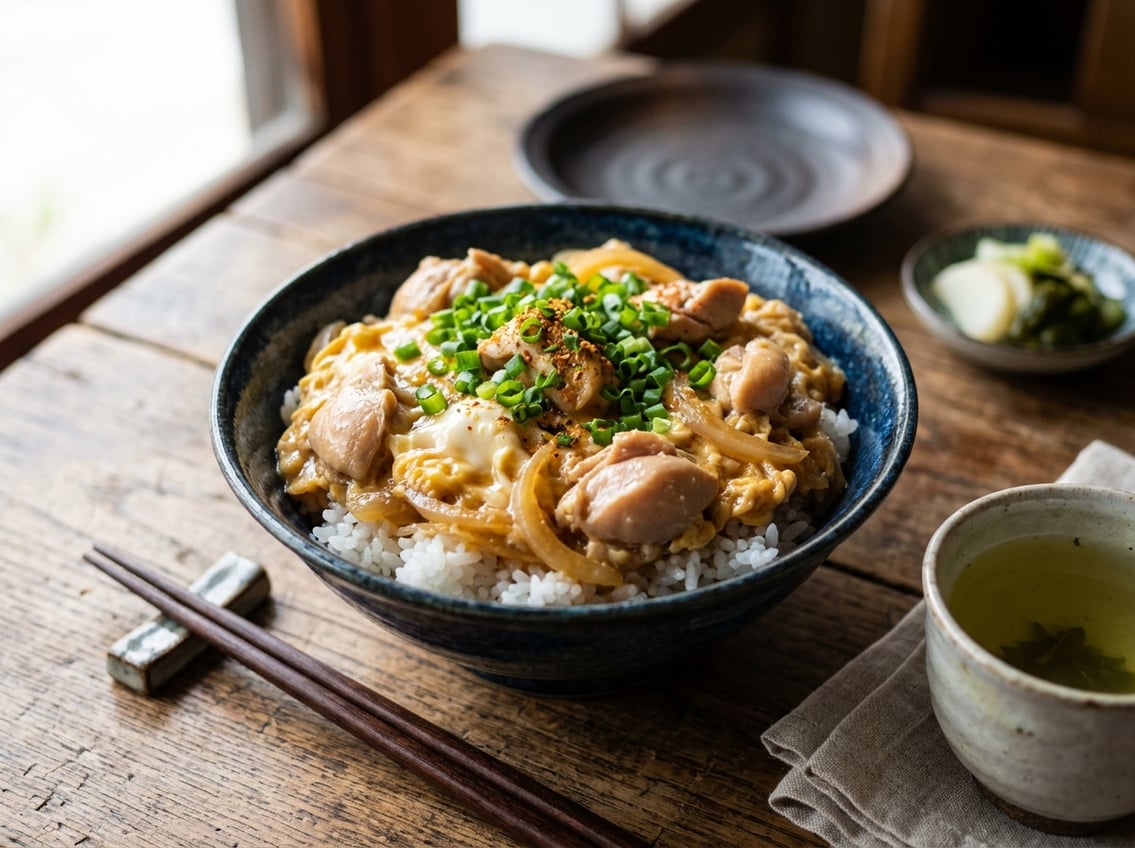
Cook oyakodon with chicken breast fast, keep the heat moderate, and stop before the chicken tightens too much.
These tips help you get a smooth, easy oyakodon recipe without extra steps.
Prepping the Breast for Tender Pieces
Start with boneless, skinless chicken breast and slice it into small bite-size pieces.
Thin pieces cook more evenly and help the chicken absorb the broth faster.
A light dusting of potato starch can help lock in moisture.
You can also season the chicken briefly with sake and a little soy sauce before it goes into the pan.
Simmering the Onion and Broth Correctly
Cook sliced onions in dashi broth first, with soy sauce, mirin, sugar, and a splash of sake if desired.
Let the onions soften before you add the chicken, since they help flavor the broth and support the whole bowl.
Use a shallow oyakodon pan or any small skillet, as long as the liquid simmers gently and does not boil hard.
Adding the Eggs in Two Stages for a Silky Finish
After the chicken cooks through, add the eggs in two stages.
Pour in part of the beaten eggs first, let them set slightly, then add the rest.
That timing helps the egg yolk stay rich while the whites finish just enough to bind the bowl together.
Serving Ideas, Toppings, and Smart Variations
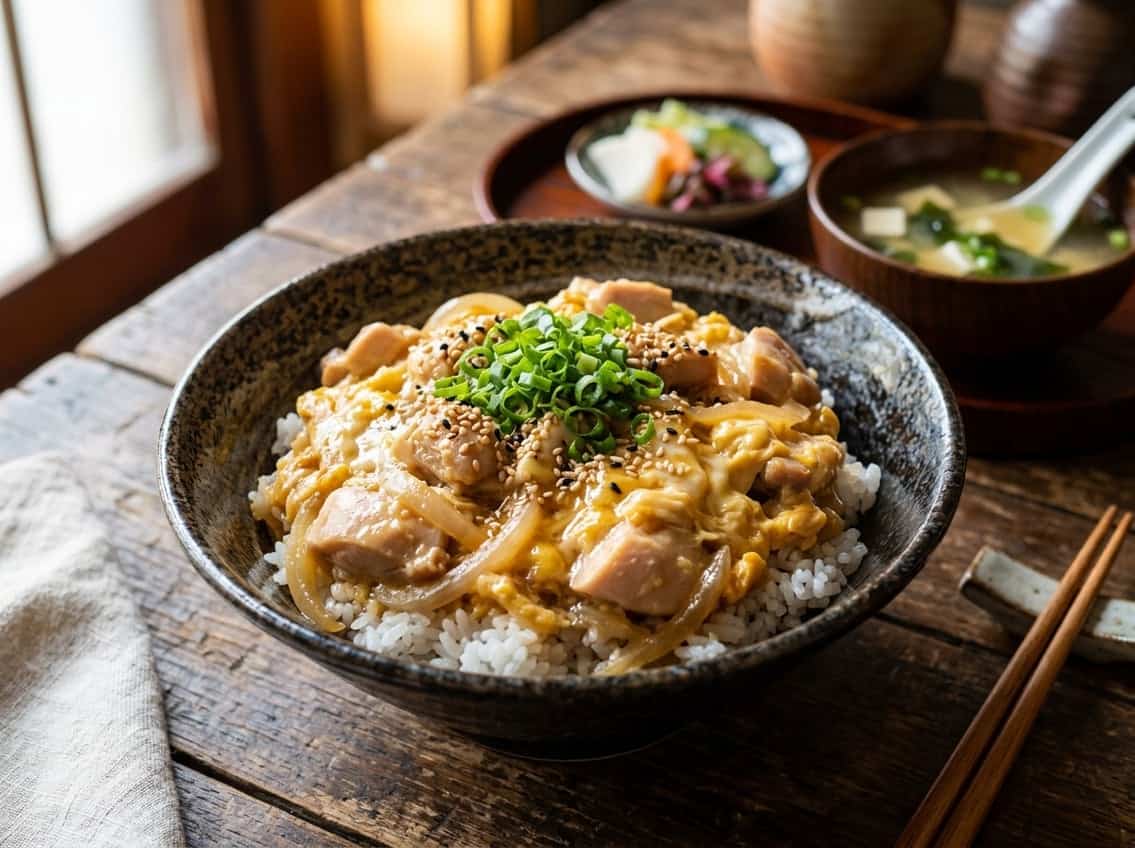
A finished bowl is satisfying on its own, yet a few toppings and side dishes can make it feel more complete.
You can keep it traditional or adjust it to match your taste and schedule.
Traditional Garnishes and Table Seasonings
Green onions, scallions, or mitsuba add fresh flavor and a brighter look.
Mitsuba, also called Japanese parsley, brings a mild herbal taste that fits classic donburi recipes.
At the table, shichimi, shichimi togarashi, togarashi, or a little sansho pepper can add heat and aroma.
Nori or nori seaweed also works if you want a simple, savory topping.
What to Serve Alongside the Bowl
Miso soup is the most common side, since it balances the rice bowl with something warm and light.
Tsukemono, or Japanese pickles, also add crunch and a sharp contrast.
If you want a more complete Japanese meal, keep the oyakodon as the main dish and add a small vegetable side.
That is a simple way to make the bowl feel fuller without changing the main flavor.
Storage, Leftovers, and How to Reheat Oyakodon
Store leftovers in the refrigerator, but the egg texture changes after chilling.
For the best result, keep the rice and topping separate.
To reheat oyakodon, warm the chicken mixture gently in a skillet or microwave until just hot.
Add a small spoonful of water if the sauce looks dry. Avoid overheating so the eggs do not turn rubbery.
This dish is naturally a high protein rice bowl when you use chicken breast.
It works well for easy meals on busy nights if you want comfort food that still feels balanced.


