
What Is Chicken Breast? Cuts, Nutrition, and Uses
Chicken breast is the lean white meat cut from the front, upper part of the chicken. Many people in the U.S. choose it because it cooks quickly, fits many recipes, and gives you a high-protein base for meals.
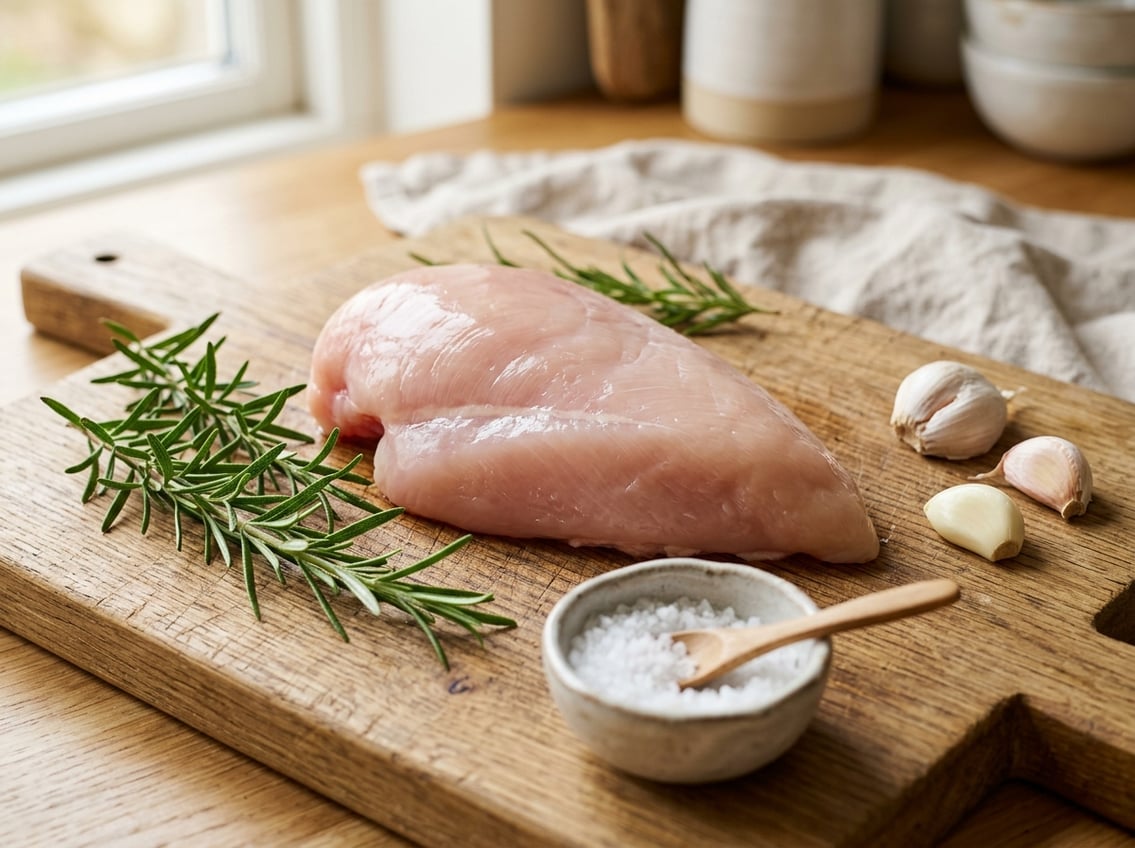
Chicken breast is a mild, lean, versatile cut from the chicken’s chest that works in everything from weeknight dinners to meal prep. You can buy it boneless or bone-in, skinless or skin-on, and each version changes the flavor, texture, and cooking time.
A skinless chicken breast is especially popular because it is easy to season and easy to pair with sauces, salads, pasta, and sandwiches. Most people turn to this cut when they search for a chicken breast recipe for fast, simple meals.
Where the Cut Comes From and What It Includes
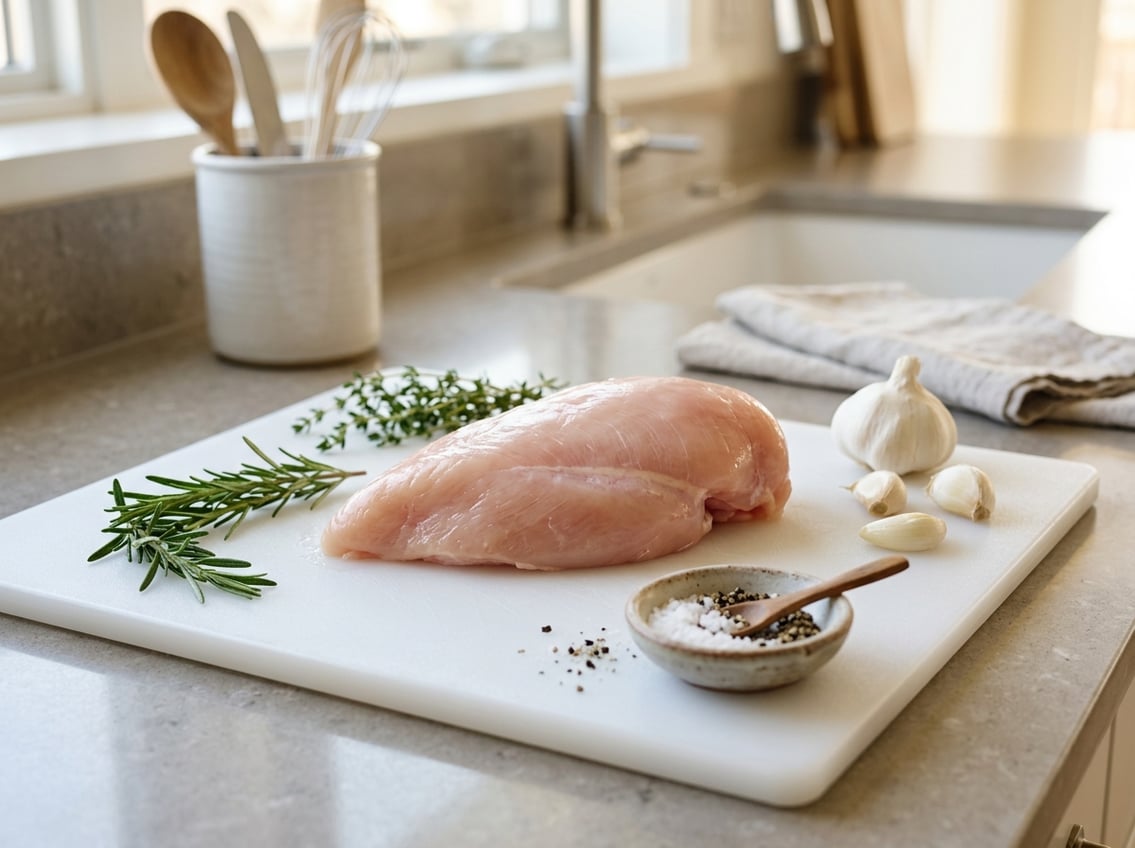
The chicken breast comes from the chest area of the bird, where the main flight muscle sits. Chef’s Resource calls it the pectoralis major muscle, which is the largest muscle in the chicken’s body and the part most people mean when they say chicken breast.
That cut is part of the white meat group. It is leaner and milder than thighs or drumsticks, so many people use it when they want a lighter meal or a simple protein for sauces and seasonings.
Chicken Breast Anatomy and White Meat Basics
The breast sits on each side of the breastbone. In meat cases, you often see a pair sold together as chicken breasts, or a single breast half.
White meat has less myoglobin than dark meat, so it looks lighter and tastes milder. Many people choose a skinless chicken breast for its neutral flavor that picks up seasoning well.
Boneless, Bone-In, Split, and Tenderloin Differences
Boneless chicken breast is the easiest version to cook and slice. Bone-in breast usually stays a little juicier and has more flavor, according to Chef’s Resource.
A split breast is a bone-in breast cut in half. Tenderloins are the smaller muscles tucked under the breast, and they cook faster because they are thinner and smaller.
How Chicken Breast Differs From Other Chicken Cuts
Chicken breast is leaner than thighs and legs, so it has less fat and a milder taste. This makes it useful for grilled chicken breasts, stuffed bakes, and sauces, while thighs are often better when you want a richer, more forgiving cut.
Nutrition, Texture, and Why It Cooks Differently
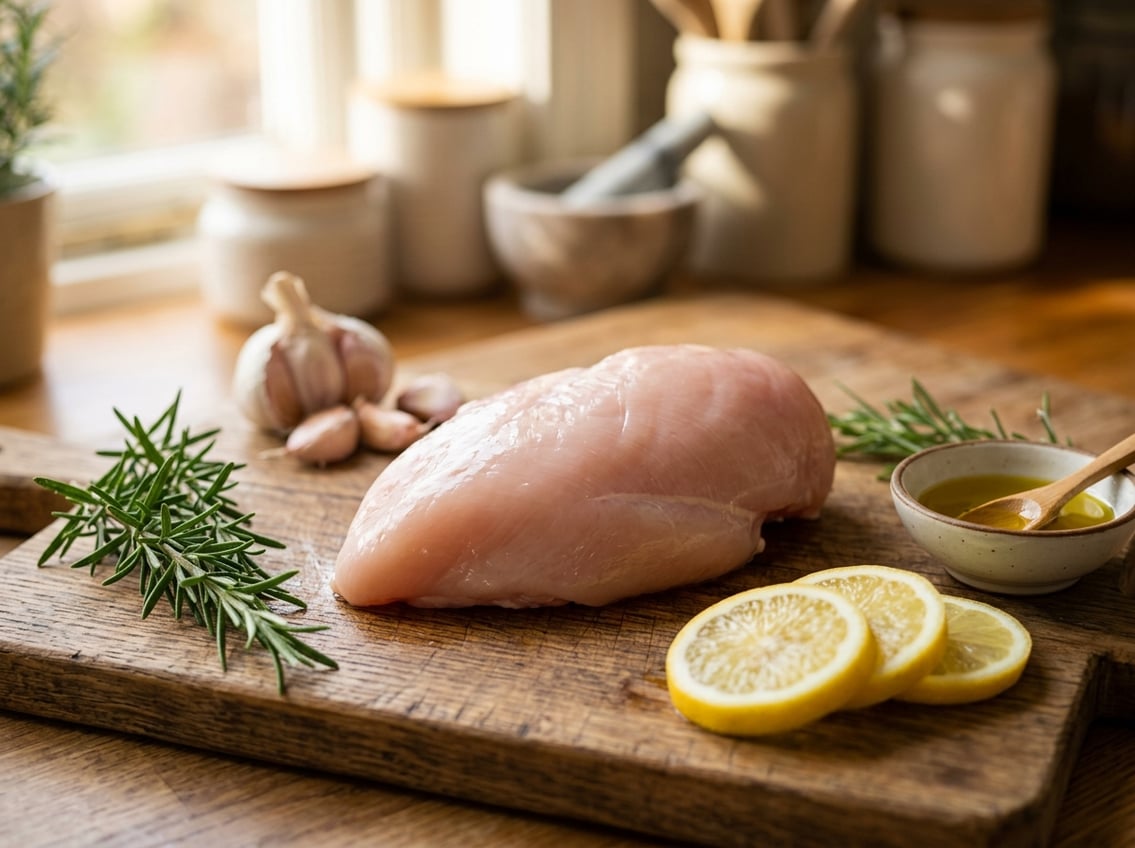
Chicken breast is high in protein and low in fat, especially when you choose skinless chicken breast. Its mild flavor and lean makeup also mean it can go from tender to dry faster than fattier cuts.
Protein, Fat, and Key Nutrients
A typical 3.5-ounce serving of boneless, skinless chicken breast has about 165 calories, 31 grams of protein, and 3.6 grams of fat, according to Chef’s Resource. It also provides nutrients such as niacin, selenium, vitamin B6, and phosphorus.
This nutrient profile makes chicken breast useful for high-protein meals and sports nutrition. It gives you a lot of protein without much fat or carbs.
Why Chicken Breast Dries Out Easily
Chicken breast has very little fat, so it lacks much built-in moisture protection. If you cook it too long, the muscle fibers tighten and push out juices.
A juicy chicken breast depends more on timing and temperature than on guesswork. A meat thermometer works best for this job.
How Thickness and Even Sizing Affect Results
Chicken breasts are often uneven, with one end thicker than the other. The thin end can overcook before the thick part is done.
Pounding, slicing, or butterflying the breast helps it cook more evenly. When pieces are close in thickness, the texture is much better and the risk of dry spots goes down.
How to Prepare and Cook It Well
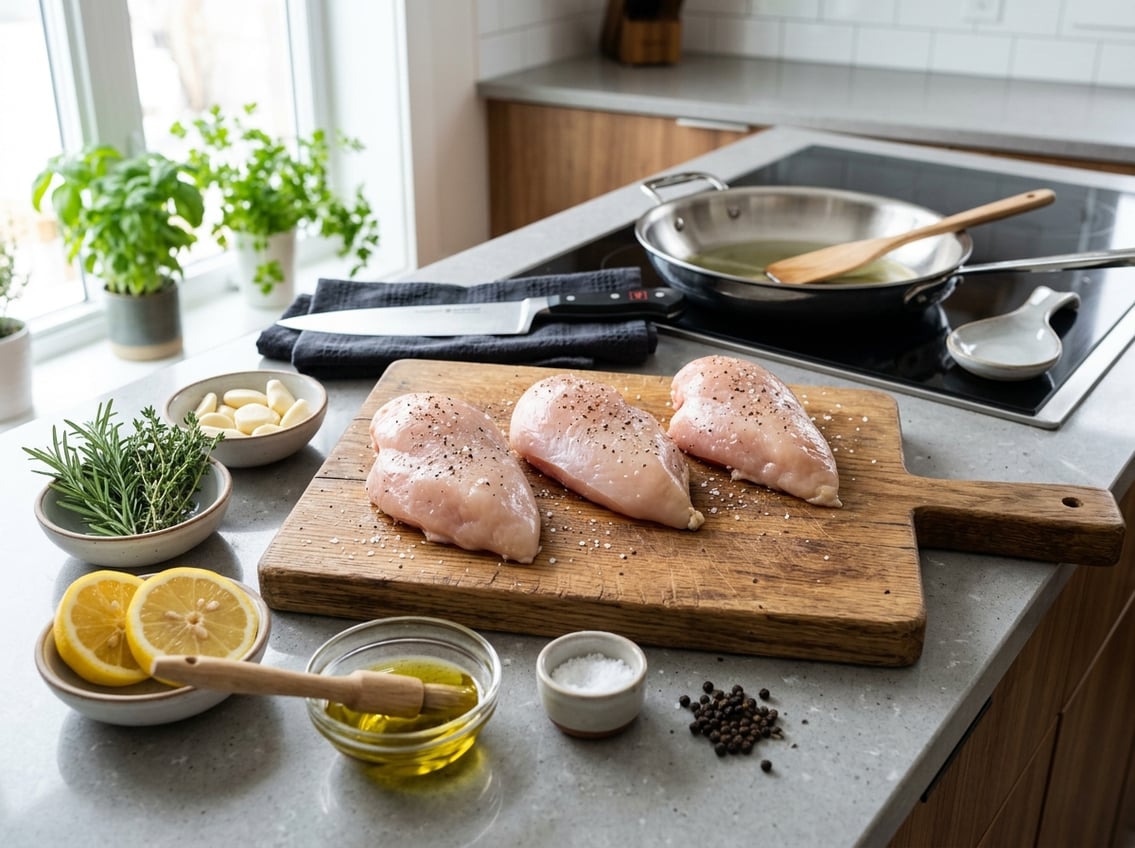
Good chicken breast cooking starts before you apply heat. When you trim, even out, and season the meat well, you have a better chance at tender results.
Trimming, Slicing, and Pounding for Even Cooking
Trim away excess fat, loose skin, and any tough bits. If the breast is very thick, slice it in half horizontally or pound it to a more even thickness.
This helps when you make pan-fried chicken, grilled chicken breasts, or any recipe where you want the center to finish at the same time as the edges. Even sizing matters more than fancy seasoning.
Baking, Grilling, Pan-Frying, and Slow Cooking
Baking works well when you want steady heat and less hands-on work. Grilling adds a smoky flavor, while pan-fried chicken gives you browning and quick cooking in a skillet.
Slow cooker chicken works well for shredding, casseroles, and saucy dishes. It is less ideal if you want sliced breast meat with a firm, juicy texture.
Safe Internal Temperature, Resting, and Moisture Tips
Cook chicken breast to 165°F in the thickest part, using a meat thermometer for the most reliable reading. This matters more than color alone.
After cooking, let the meat rest for a few minutes so the juices settle back into the meat. Brining, marinating, or seasoning ahead of time can also help keep the texture better.
Using Pan Sauce and Butter Sauce for More Flavor
A quick pan sauce turns browned bits into extra flavor. Add stock, lemon, cream, wine, or herbs after you cook the chicken.
Butter sauce also works well with simple seasonings like ranch seasoning or a ranch chicken style finish. These add richness fast and help plain chicken breast taste more complete.
Common Ways It Is Used in Everyday Meals
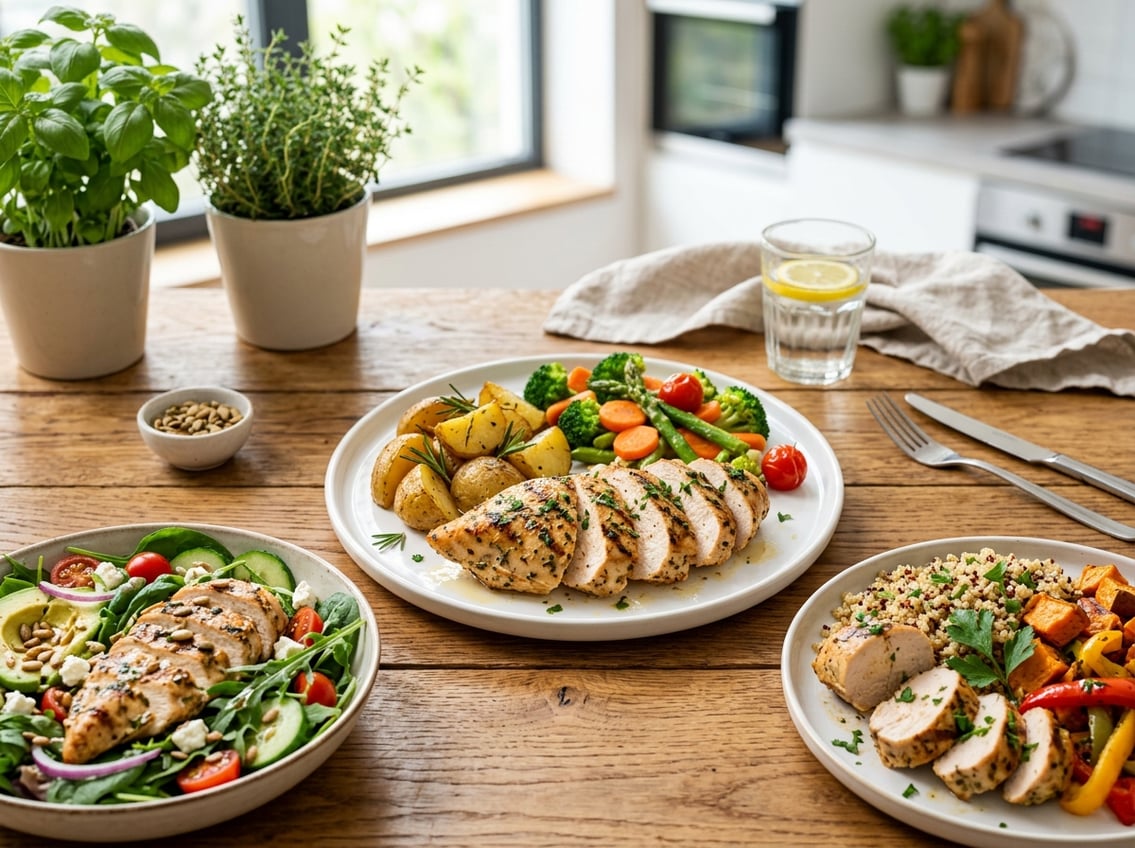
Chicken breast appears in many everyday meals because it takes on sauces, spices, and marinades with ease. You can keep it simple or build it into classic comfort food and quick lunch dishes.
Classic Skillet and Sauce-Based Dishes
You see chicken breast in dishes like chicken piccata, chicken parmesan, chicken marsala, and chicken florentine. It also works in marry me chicken, caprese chicken, garlic knot chicken, hot honey chicken, and pizza chicken.
These recipes usually rely on a pan sauce, cheese, herbs, tomato sauce, or cream to add moisture and flavor. Chicken breast is common in restaurant-style home cooking for this reason.
Salads, Sandwiches, and Lunch-Friendly Meals
Chicken breast fits well in chicken caesar salad, classic chicken salad, curry chicken salad, and grilled chicken salad. It also makes easy chicken sandwiches and a straightforward grilled chicken sandwich.
These meals are useful when you want protein without a heavy dinner. Leftover cooked breast slices cleanly and chills well.
Family Dinners, Bakes, and Restaurant-Style Favorites
You can use chicken breast in chicken fajitas, chicken enchiladas, and chicken cordon bleu. These dishes often require sliced, stuffed, baked, or sauced chicken, which makes this cut a natural fit.
If you want a chicken breast recipe, start with the cooking method first. Choose your sauce after that to make recipes easier to repeat and adjust for your taste.


