
Eat Chicken Breast Everyday: Benefits, Risks, and Balance
If you eat chicken breast every day, you get a reliable, low-fat source of protein that supports muscle repair and fullness. Daily chicken breast can fit well into a high-protein routine for many people.
Chicken breast can be a strong staple. Balance still matters for fiber, healthy fats, and nutrient variety.
What Daily Chicken Breast Gives You Nutritionally
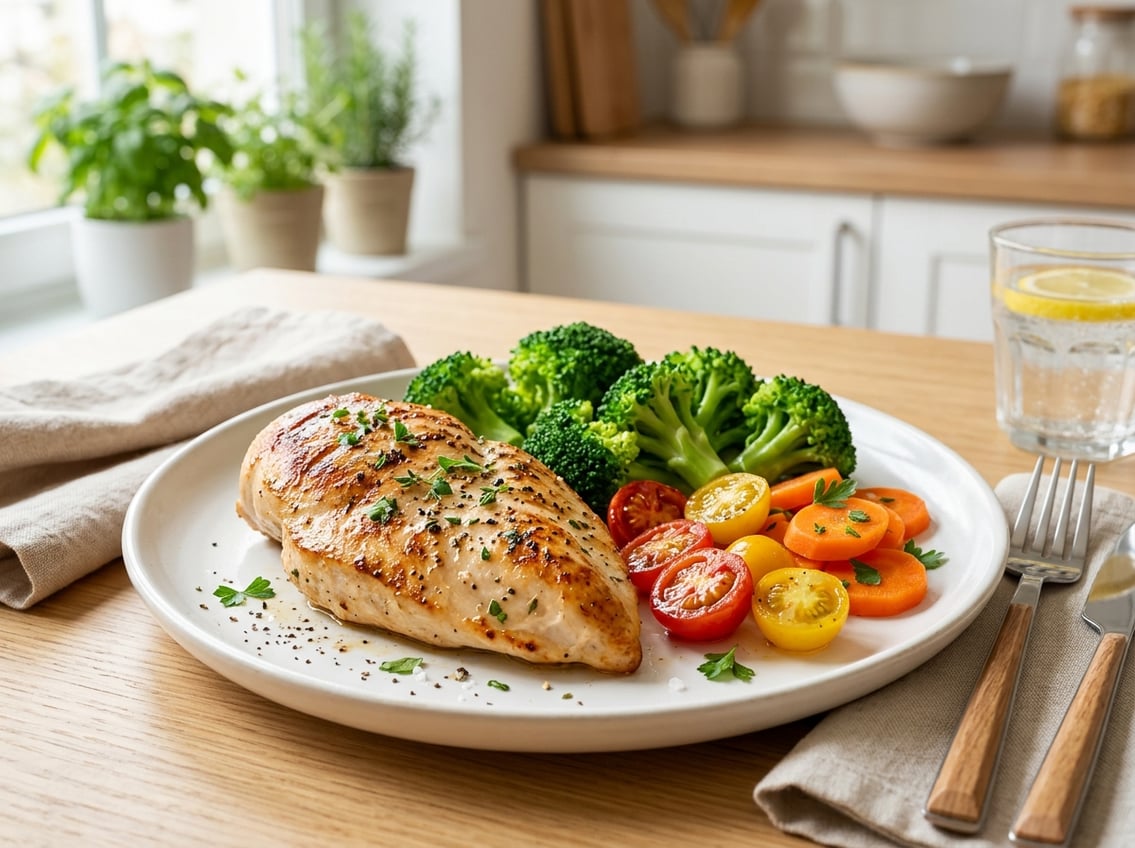
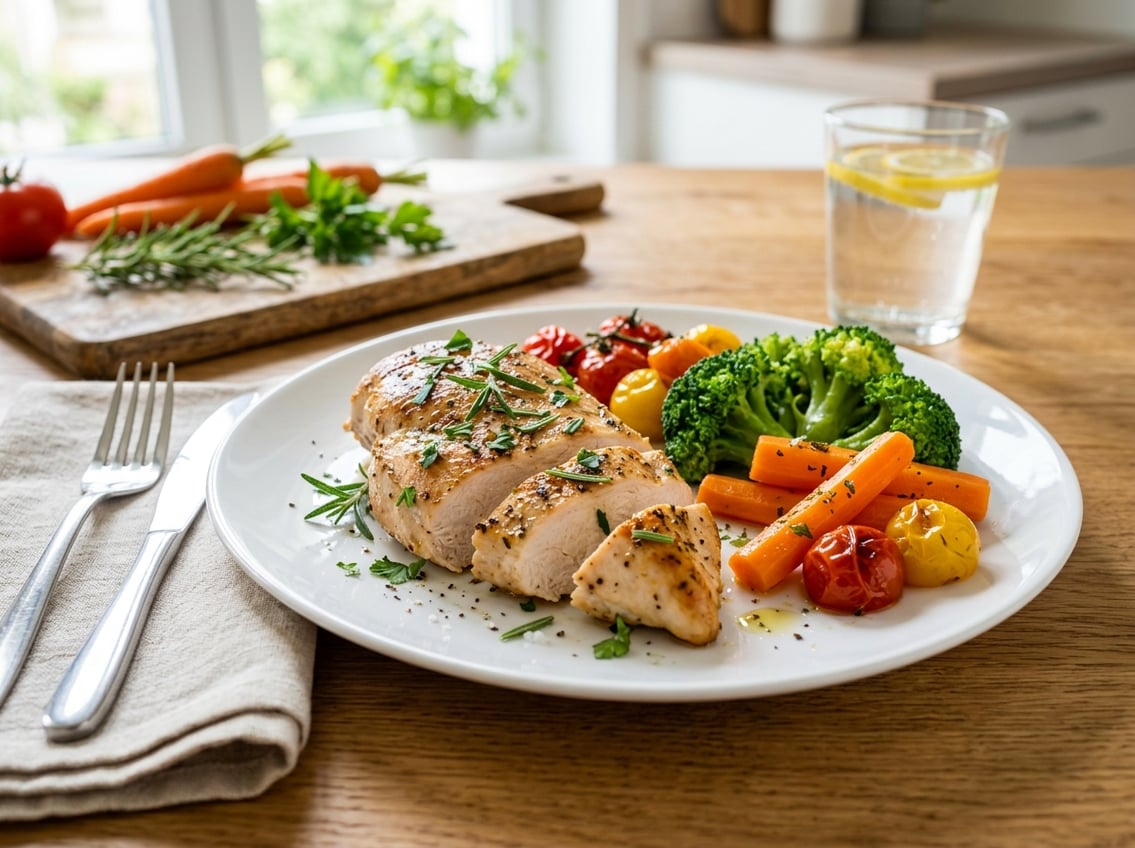
Chicken breast is one of the simplest lean protein sources you can use. A skinless chicken breast gives you a lot of protein with little fat, and it brings useful B vitamins and minerals to the plate.
Chicken breast provides all nine essential amino acids your body cannot make on its own. According to EatingWell, a 4-ounce serving gives about 35 grams of lean protein.
Skinless chicken breast helps you raise protein intake without adding much saturated fat. You can easily add it to salads, bowls, soups, and wraps.
Protein helps your body build and repair tissue. It can also help you feel full after meals.
If you struggle to meet daily protein needs, eating chicken every day can make that easier. Spreading protein across meals instead of saving it for one large serving helps many people.
A chicken breast at lunch or dinner can help steady appetite. This can make your day feel more balanced.
Chicken breast also provides nutrients such as niacin and vitamin B6, which support energy metabolism and normal body functions, as noted by EatingWell.
These B vitamins are water-soluble, so you need them regularly from food. Skinless chicken and other cuts can vary a bit, yet chicken breast remains a strong everyday option for lean protein and key micronutrients.
When a Daily Habit Can Become a Drawback
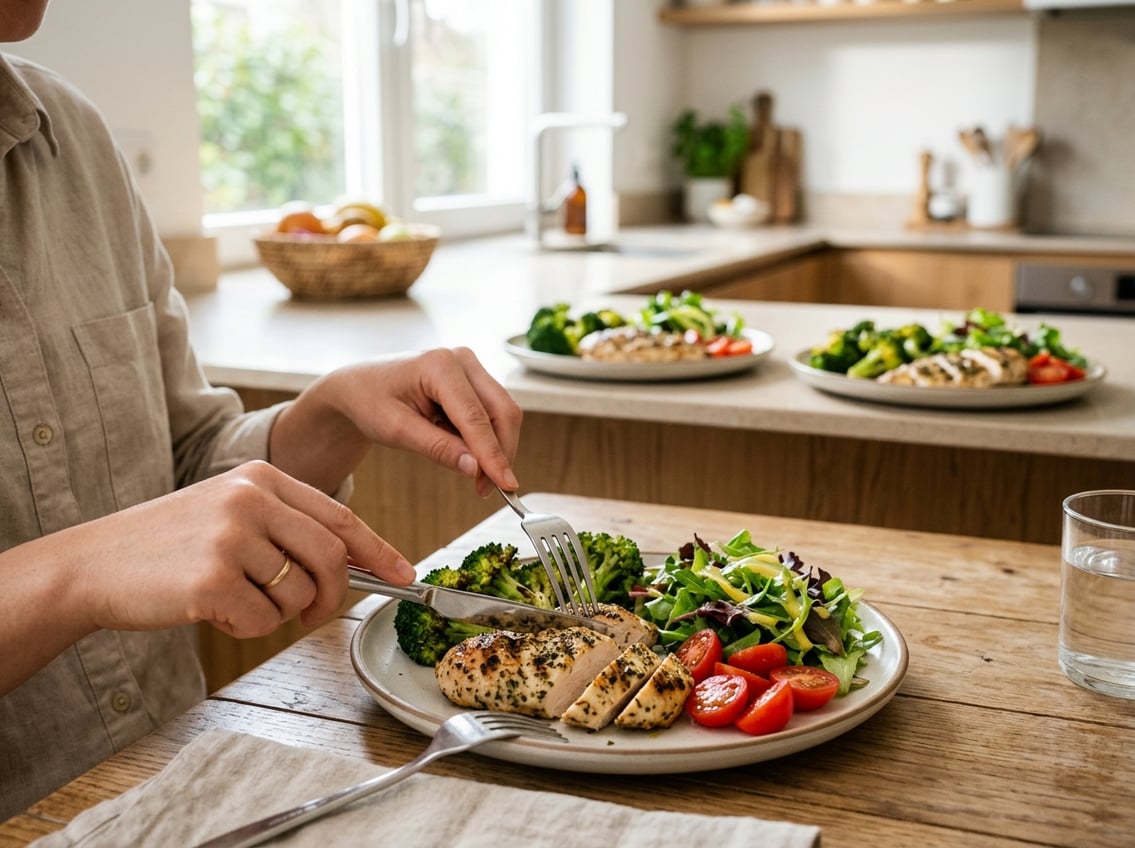
Eating chicken breast every day is not automatically a problem. It can become limiting if it crowds out other foods.
The main concerns are food safety, diet variety, and missing nutrients that come from other protein sources.
The biggest diet issue is not the chicken itself. Relying on it too heavily can cause problems.
If chicken becomes your main protein every day, you may miss out on nutrients found in salmon, eggs, beans, lentils, tofu, plant-based proteins, pulses, peas, and shrimp. Different proteins bring different benefits.
Salmon gives omega-3 fatty acids. Beans and lentils add fiber that chicken does not provide.
Raw chicken can carry bacteria such as campylobacter, so you need to handle it safely every time you cook it. Wash your hands, keep raw chicken separate from other foods, cook it to a safe internal temperature, and store leftovers properly.
Antibiotics in chicken are another common concern, especially in the U.S. Buy from trusted brands, follow safe cooking steps, and avoid cross-contamination in your kitchen.
If daily chicken breast leaves little room for other foods, your diet may miss fiber, healthy fats, and some minerals. EatingWell notes that eating chicken every day as your only protein can crowd out sources of omega-3s and other important nutrients.
A varied protein pattern is more useful than a single-food routine. Rotating in salmon, eggs, beans, lentils, tofu, peas, and shrimp helps you cover more of your nutrient needs.
How to Make It a Smarter Part of Your Diet
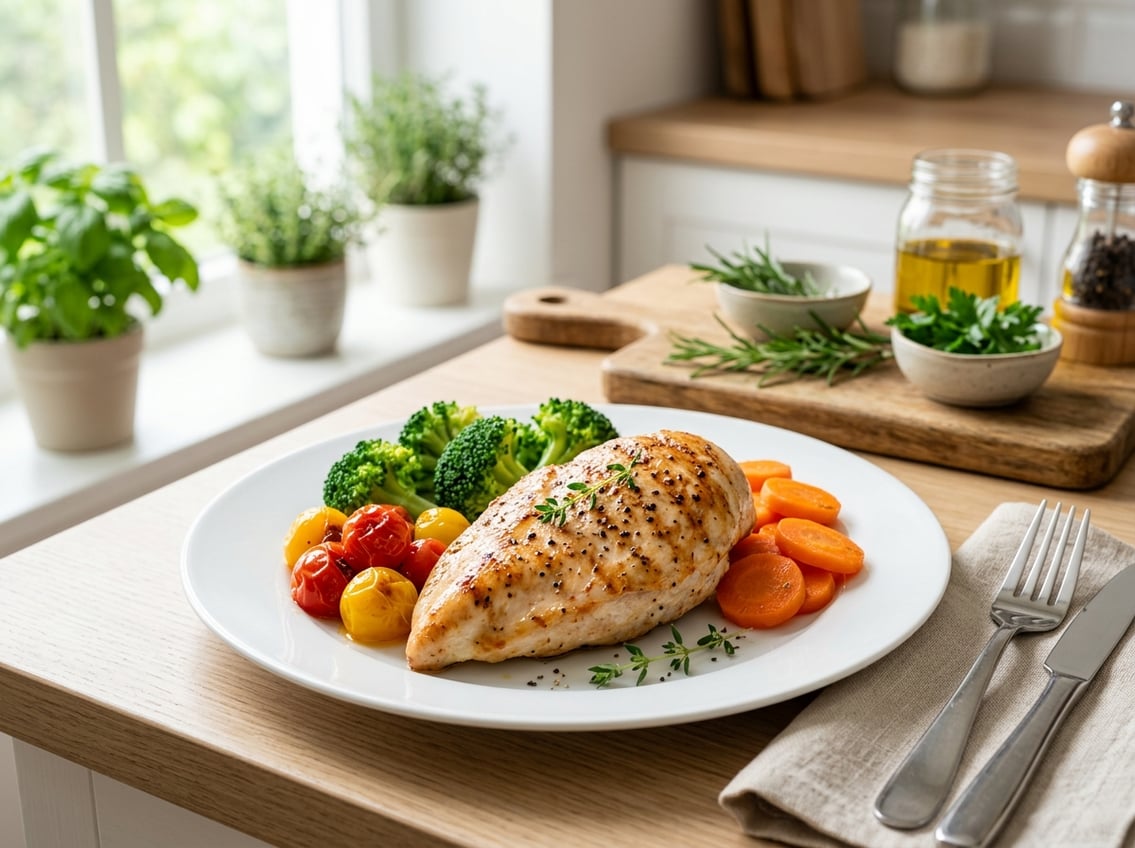
You can eat chicken breast every day and still keep your diet balanced. Cook it in healthy ways, watch portion size, and pair it with other foods that bring fiber and healthy fats.
The best ways to cook chicken are grilling, baking, and poaching. These methods keep added fat lower than frying and make it easier to keep skinless chicken breast light.
Seasoning matters. Use herbs, spices, citrus, garlic, salsa, or yogurt-based marinades so the meal stays flavorful without heavy sauces.
A simple serving can work well for many people. Build the rest of the plate around vegetables, whole grains, and healthy fats.
If you eat skinless chicken breast often, add foods like olive oil, avocado, nuts, seeds, or beans to round out the meal. Chicken breast is low in fat, so pairing it with other foods helps you get enough energy, fiber, and essential fats.
When to Rotate in Other Protein Sources
You do not need to give up chicken to eat a more varied diet.
Try rotating in salmon for omega-3 fatty acids. Eggs offer convenience.
Beans, lentils, tofu, pulses, peas, and shrimp provide different nutrient profiles.
Mixing lean protein sources each week keeps meals interesting. This approach also supports better nutrient coverage.
If you like chicken breast, make it a regular choice, but not your only one.


