
Why Should I Eat Chicken Breast? Key Health Benefits
Chicken breast is one of the simplest foods you can choose when you want more protein with less fat. It fits well in many meal plans because it is easy to cook, easy to portion, and easy to pair with vegetables, grains, or legumes.
If you are asking why you should eat chicken breast, the short answer is that it gives you a high-protein, lower-fat option that can support fullness, muscle repair, and a balanced diet.
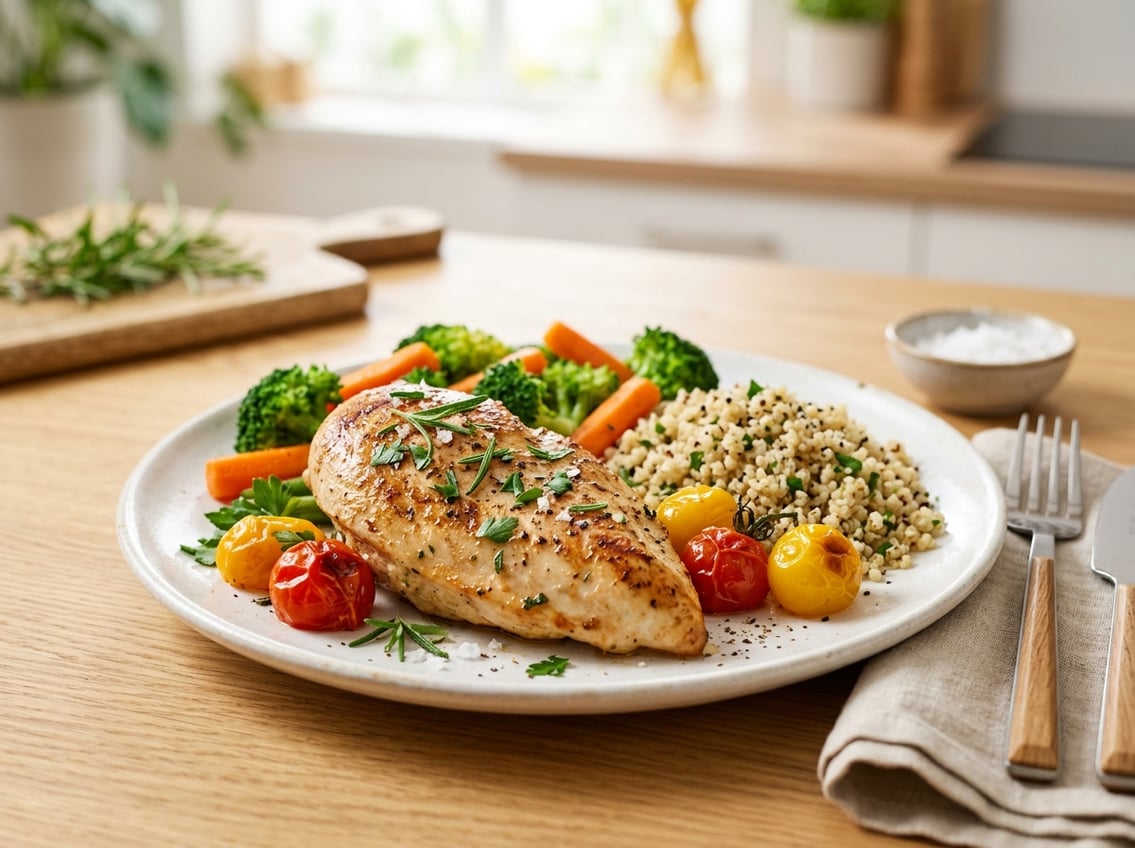
How you prepare chicken breast affects its health benefits. Skinless chicken breast is usually a leaner choice than darker cuts or fried chicken, and that matters when you want a more nutrient-dense meal.
What Makes Chicken Breast a Smart Protein Choice
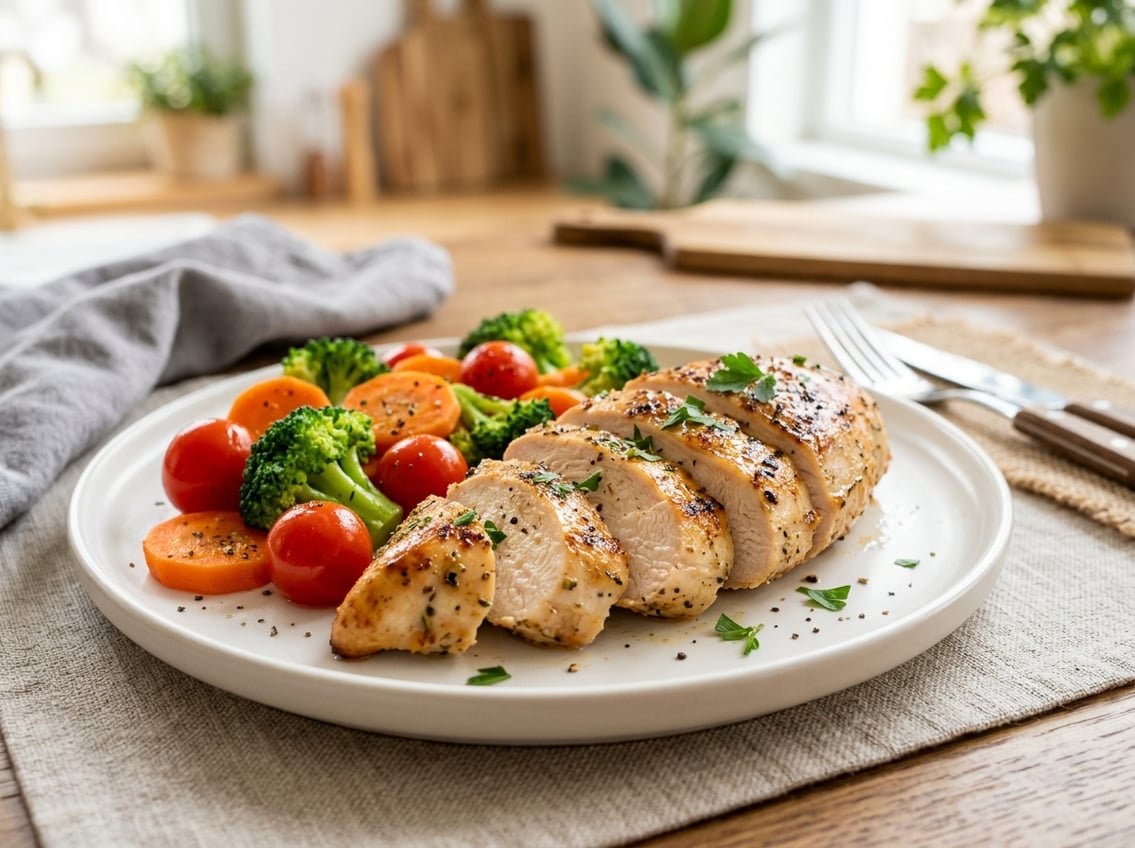
Chicken breast nutrition offers a strong protein source without much extra fat. It is also easy to fit into many eating styles, from simple meal prep to a more varied balanced diet.
Why Lean Protein Matters for Everyday Eating
Lean protein helps you get more protein with fewer calories from fat. This can make it easier to build meals that feel satisfying without being heavy.
People often choose chicken breast when they want a steady protein option across the week. The WebMD overview of chicken nutrition notes that lean cuts like the breast are the healthiest part of the bird when you are replacing red meat.
How Chicken Breast Nutrition Supports Satiety and Muscle Repair
Chicken breast provides high-quality protein. According to WebMD, a raw, boneless, skinless chicken breast fillet contains about 26 grams of protein and only 2 grams of fat per serving.
That protein includes essential amino acids, which your body uses to repair muscle tissue and support many daily functions. It can also help you stay full longer, which makes it easier to manage your meals and snacks.
What White Meat Offers Compared With Higher-Fat Cuts
Chicken breast is white meat, and it is usually leaner than darker cuts like thigh or drumstick. You get more protein per bite and less saturated fat than you would from many higher-fat cuts.
White meat also has a milder taste, which makes it easier to season in different ways without needing rich sauces.
The Main Health Benefits to Know
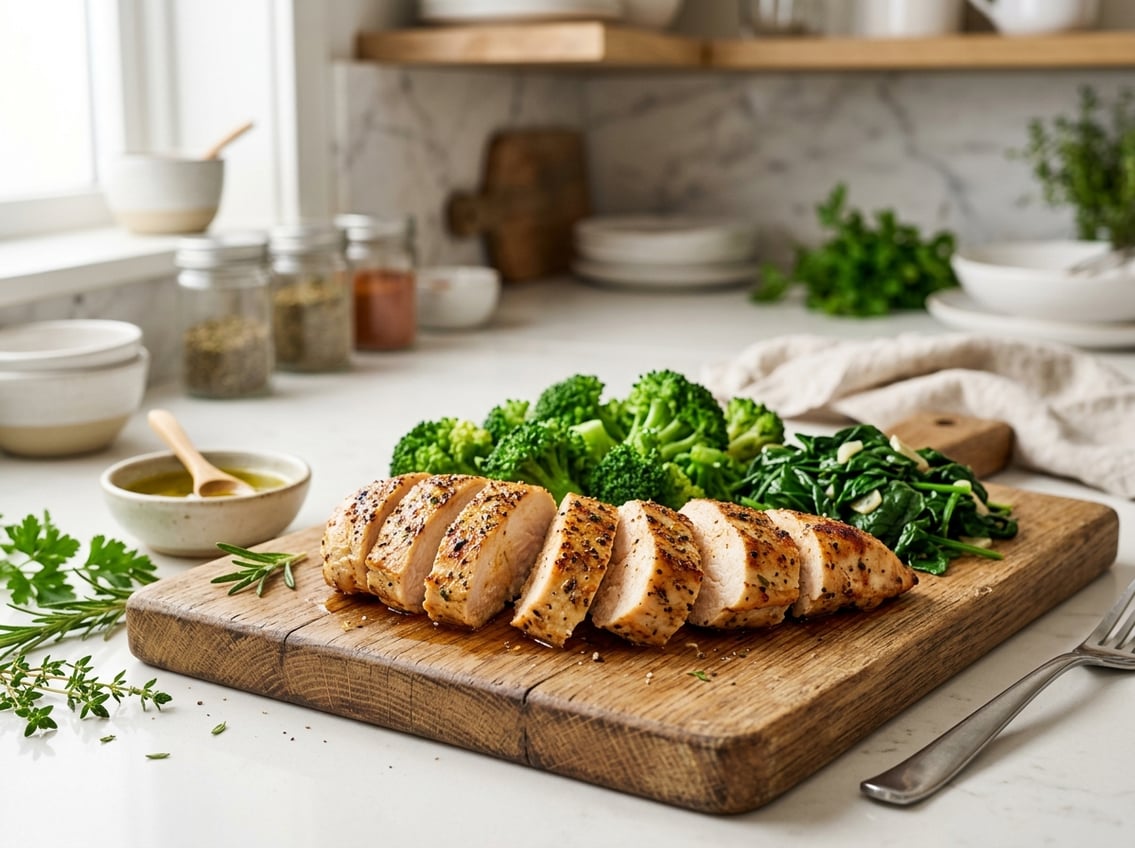
Chicken breast can support fullness, provide useful B vitamins, and fit well into meals that support healthy activity levels.
Weight Management and Fullness
Lean protein can help you feel full after a meal, and that can support weight management. WebMD notes that meals with around 25 to 30 grams of protein may improve fullness, which may help you eat less later in the day.
Chicken breast is a simple way to reach that range without adding a lot of extra fat.
Heart-Friendly Advantages of Lower Saturated Fat
Chicken breast is often a better pick than fattier meats because it usually has less saturated fat. Keeping saturated fat lower may help support heart health when you are building a balanced diet.
Preparation still matters. Frying chicken or leaving the skin on can add more fat, while simpler cooking methods keep the meal lighter.
B Vitamins and Energy Production
Chicken breast contains several B vitamins, including vitamin B6, vitamin B12, and niacin. These nutrients help your body turn food into usable energy.
That makes chicken breast a useful everyday food, especially when you need meals that support work, exercise, and busy schedules.
How It Fits Into an Active Lifestyle
If you exercise, your protein needs may be higher than average. Chicken breast works well after workouts or on active days because it supports muscle repair and recovery.
It also pairs easily with carbs and vegetables, so you can build meals around training, sports, or long days on your feet.
How to Eat It in a Healthier Way
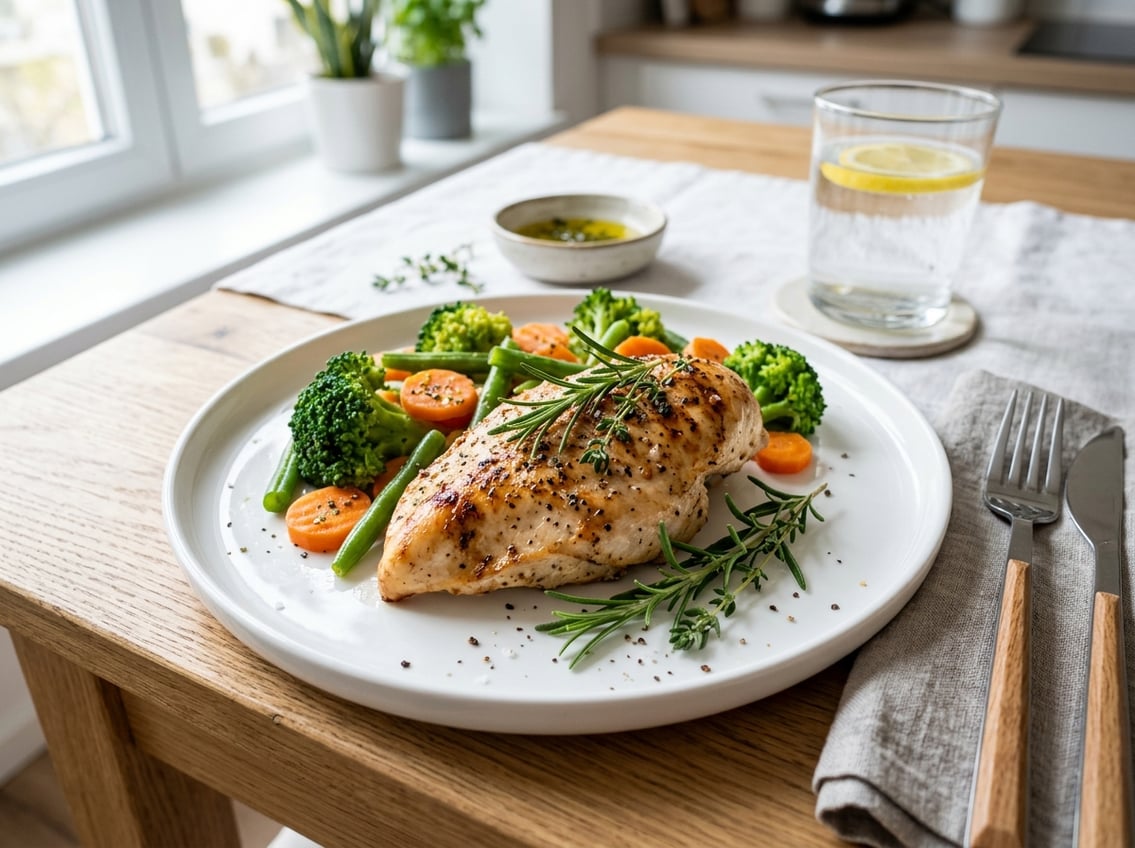
The healthiest chicken breast meal usually starts with simple cooking and smart portions. What you serve with it matters just as much as the chicken itself.
Why Grilled Chicken Breast Is a Popular Option
Many people choose grilled chicken breast because it adds flavor without much extra fat. It also fits easily into salads, bowls, sandwiches, and grain plates.
According to Healthline’s guide to the healthiest way to cook chicken, cooking method changes how healthy the final meal is. Grilling is a strong choice when you want to keep the meal lighter.
Skinless Versus Skin-On Nutrition Differences
Skinless chicken breast is usually the leaner option. The skin adds extra fat and calories, which can change the nutrition profile fast if you eat chicken often.
If you want the simplest version of chicken breast nutrition, skinless chicken breast is the better choice.
Portion Size and What to Pair With It
Portion size matters, even with a healthy food. WebMD notes that the USDA recommends about 2 to 6.5 ounces of protein per day, depending on your needs and activity level.
A balanced plate works best, so pair chicken breast with vegetables, beans, brown rice, potatoes, or whole grains. That mix gives you fiber, vitamins, and better meal balance than chicken alone.
When Chicken Breast May Be Better Than Other Cuts
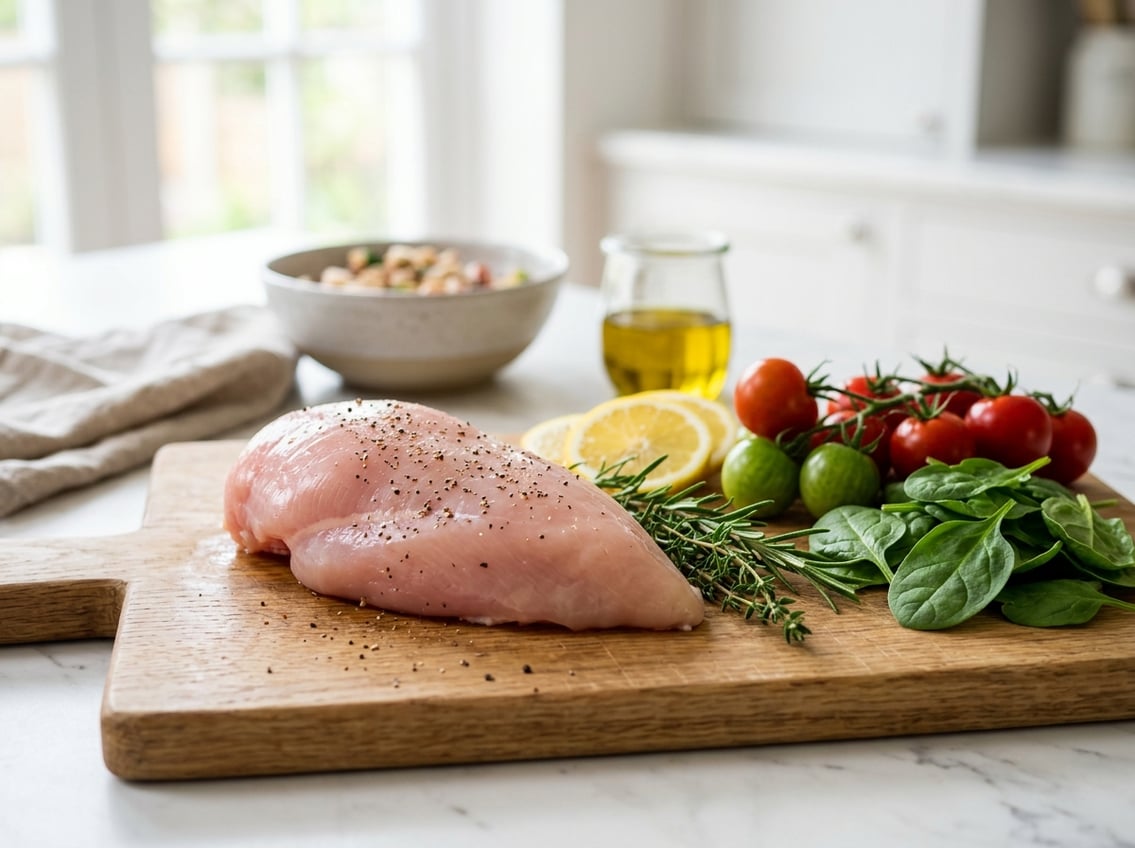
Chicken breast is not the only good cut of chicken, yet it often makes the most sense when you want lean protein with fewer calories. Your choice may depend on your health goals, budget, and cooking style.
Chicken Breast Versus Chicken Thigh
Chicken thigh usually has more fat and calories than chicken breast. It can also taste richer, which some people prefer.
If your goal is lower fat and higher protein per calorie, chicken breast usually wins. If you want more flavor and do not mind the extra fat, thigh can still fit into a healthy diet in the right portion.
When Convenience, Cost, and Versatility Matter
You can use chicken breast in many meals. Grill it, bake it, slice it for sandwiches, shred it for salads, or add it to pasta and rice dishes.
That flexibility helps when you cook at home often or plan meals ahead. Chicken breast is a practical choice for busy weeks when you want a reliable protein without much prep.
Who May Benefit Most From Choosing Breast Meat
You may get the most from chicken breast if you want to manage calories, increase protein, or choose a lower-fat meat more often.
If you are active and want a simple recovery food, chicken breast is also a strong option.
People looking to replace red meat with a leaner alternative may find chicken breast especially useful.
For many adults, chicken breast supports a balanced diet without making meals complicated.


