
Is Chicken Breast High in Cholesterol? What to Know
Chicken breast is not usually high in cholesterol, especially when you choose the skinless breast and keep the portion reasonable.
Chicken breast contains dietary cholesterol, yet it is generally one of the leaner chicken cuts and often fits well in a heart-conscious eating pattern.
What matters most is not just the cut, but also the cooking method, the skin, and what you serve with it.
A plain grilled or roasted breast has a very different nutritional profile from breaded, fried, or creamy chicken dishes.
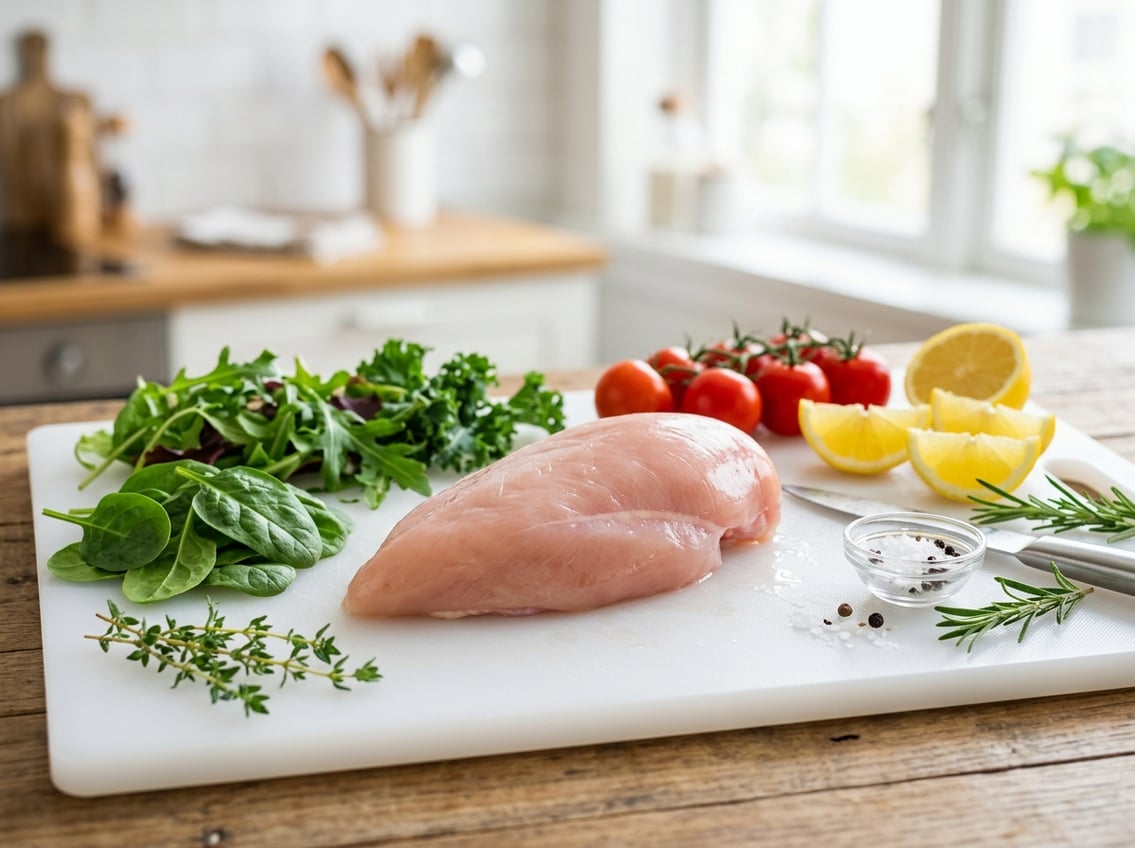
How Much Cholesterol Chicken Breast Actually Has
Chicken breast contains cholesterol, but the amount is moderate compared with many other animal proteins.
The exact cholesterol content of chicken changes with the cut, the skin, and the way you cook it.
According to Medical News Today’s chicken cholesterol breakdown, breast meat is usually among the leanest choices.
Typical Cholesterol Amount per 100 Grams and per Serving
A raw chicken breast without skin has about 73 mg of cholesterol per 100 grams.
A standard cooked serving of about 3 ounces, or 85 grams, is commonly reported near 65 to 70 mg of cholesterol, based on nutrition summaries such as Chef’s Resource’s chicken breast cholesterol guide and CaloriesFit’s serving estimate.
That amount is not zero, yet it is not especially high for a protein food.
Your total daily intake matters more than any one meal.
How Breast Meat Compares With Thighs, Legs, and Wings
Breast meat usually has less cholesterol than wings and is often leaner than darker cuts.
Wings are higher at about 111 mg per 100 grams, while thighs and legs are often around the 90 to 98 mg range.
Skinless breast is usually the easiest choice when you want to keep fat and cholesterol intake lower.
How Chicken Breast Compares With Other Protein Sources
Chicken breast is often lower in saturated fat than many red meats.
Lean turkey breast, fish, beans, and tofu may also fit well if you want variety in your protein choices.
If you compare chicken breast with plant proteins, chicken brings more dietary cholesterol, since plant foods contain none.
What Changes the Nutrition Profile Most
The skin and the cooking method change the nutrition profile the most.
A plain chicken breast can stay relatively lean, while breading, frying, and heavy sauces can raise calories, fat, and sodium fast.
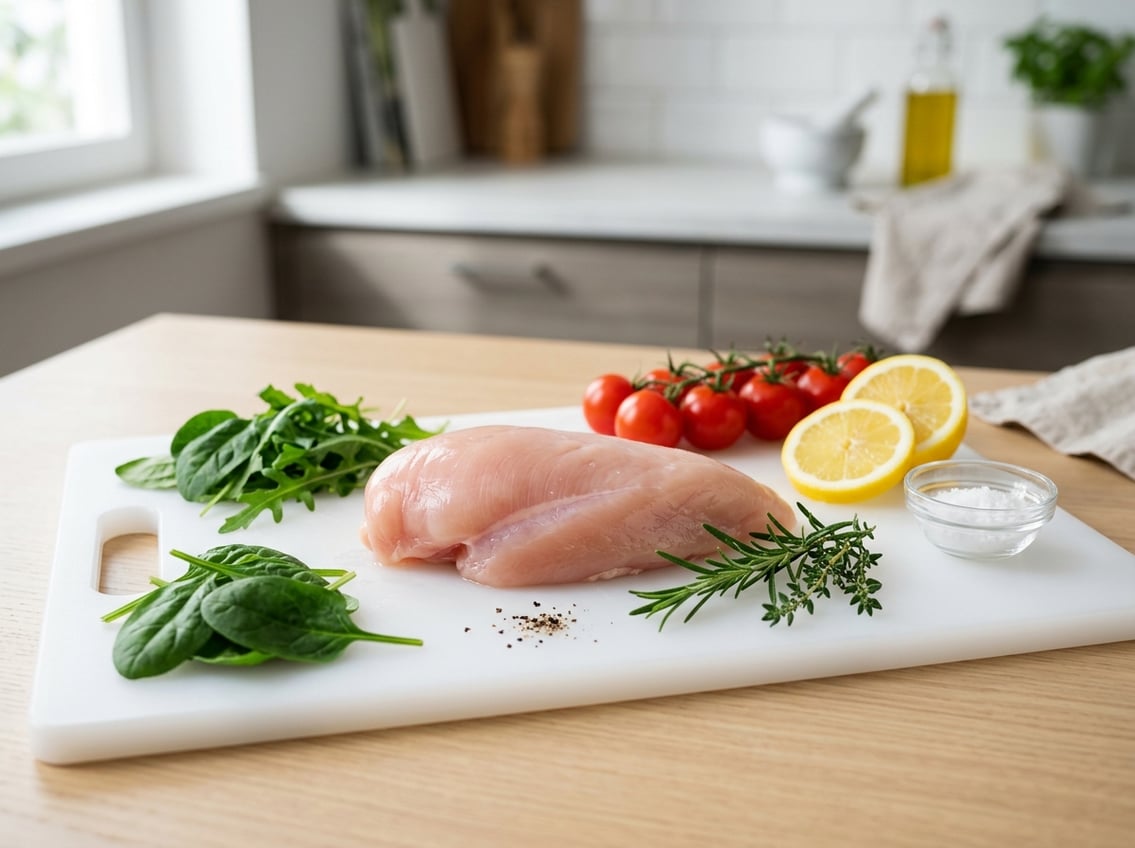
Skinless Versus Skin-On Chicken Breast
Removing the skin reduces fat from chicken.
The skin carries much of the chicken’s fat calories, making the meal more supportive of cholesterol goals.
A skin-on breast may still fit in your diet, yet it adds more fat than skinless meat.
If you are watching your cholesterol, skinless is usually the safer default.
Grilled, Roasted, Fried, and Breaded Preparation Differences
Cooking method changes the nutrition profile more than many people expect.
Roasted chicken breast has about 75 to 76 mg of cholesterol per 100 grams, while grilled breast without skin is about 104 mg and fried versions are around 90 to 94 mg depending on the coating and skin.
Added oil, breading, and frying can shift the meal away from a heart-healthy pattern.
Why Saturated Fat Often Matters More Than Dietary Cholesterol
For many people, saturated fat has a stronger effect on LDL, or “bad,” cholesterol than the cholesterol in food.
That is why fried chicken, creamy sauces, butter-heavy recipes, and skin-on portions can matter more than the breast meat itself.
You can eat a food with some dietary cholesterol and still keep a heart-smart diet.
The rest of the meal, plus your regular pattern of eating, matters more than one ingredient.
When Chicken Breast Fits a Heart-Healthy Diet
Chicken breast can fit well in a heart-healthy diet when you keep portions modest and avoid heavy add-ons.
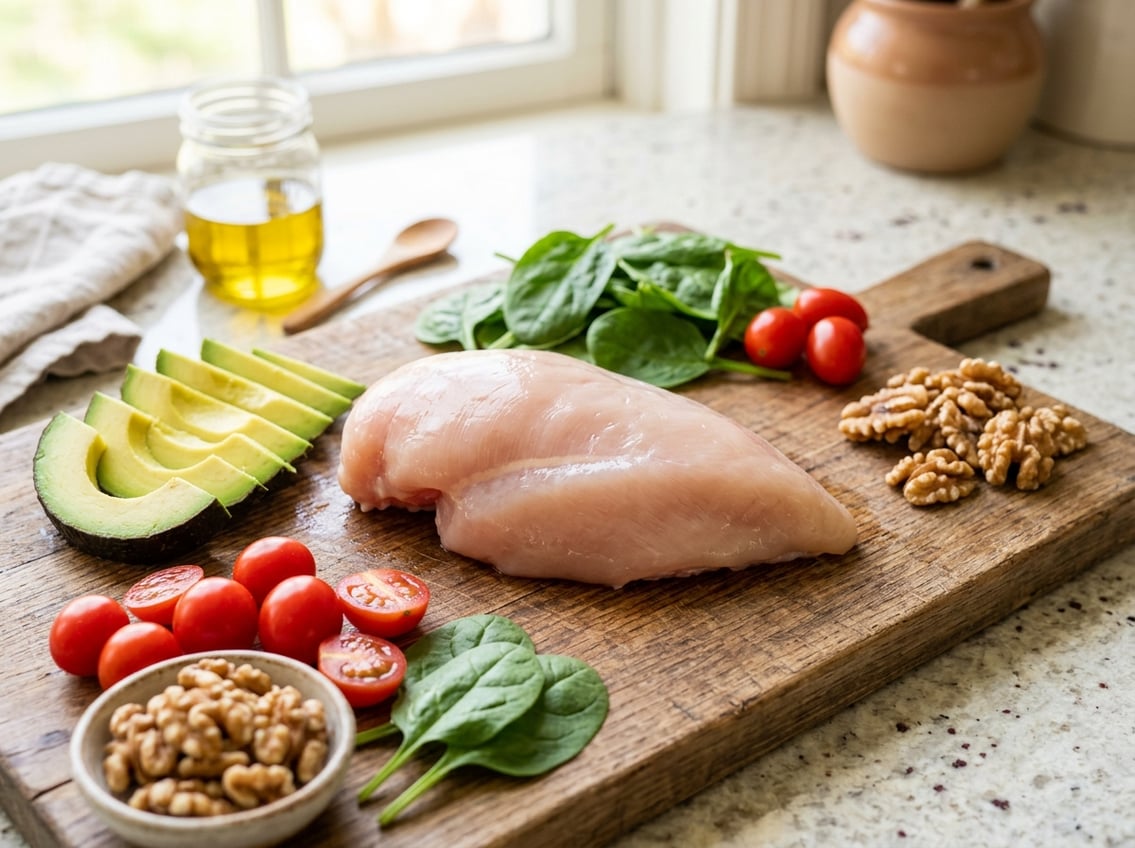
Portion Size and Meal Pairings That Support Cholesterol Goals
A 3 to 4 ounce serving of chicken breast is a useful target for many meals.
Pair it with vegetables, beans, whole grains, or a salad to add fiber, which supports better cholesterol control.
Choose cooking methods that need little added fat, such as baking, grilling, or roasting.
Small choices like olive oil instead of butter can make a meaningful difference.
Who Should Be More Careful, Including Familial Hypercholesterolemia
If you have high LDL, heart disease, or familial hypercholesterolemia, you may need to watch dietary cholesterol more closely.
Even then, chicken breast is often still usable, especially if you keep the skin off and avoid fried coatings.
People with a history of cholesterol problems may need more than diet changes alone.
A clinician can help you decide what fits your health goals.
Simple Ways to Keep Chicken Meals Lower in Unhealthy Fats
Use these habits to keep chicken meals lighter:
-
Choose skinless breast more often.
-
Bake, grill, roast, or air-fry with little oil.
-
Skip creamy sauces and cheese-heavy toppings.
-
Use herbs, lemon, garlic, and spices for flavor.
-
Serve chicken with vegetables instead of fried sides.


