
Where Is Chicken Breast Cut From? Anatomy and Prep
You may wonder where chicken breast comes from when you shop, trim, or portion it. The answer is simple: chicken breast comes from the front, upper chest area of the bird, where the largest breast muscle sits.
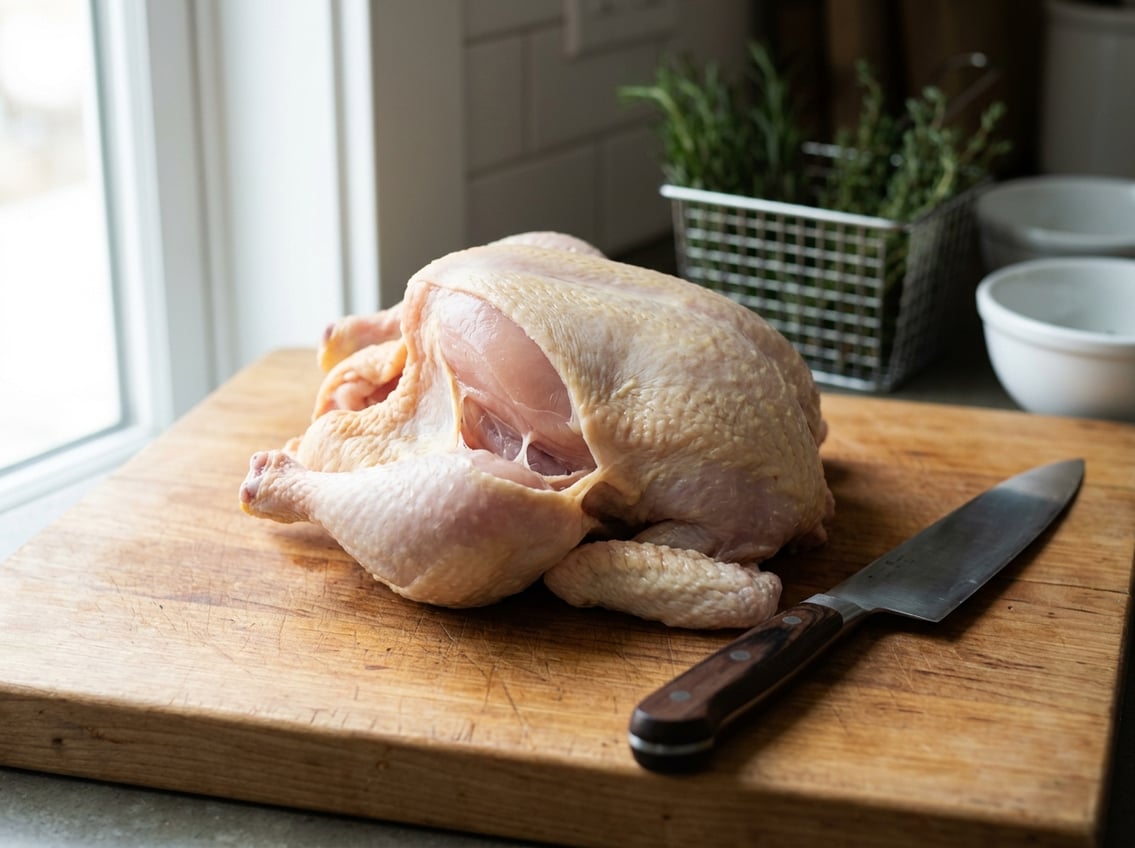
Knowing the exact location of the cut helps you choose the right package at the store. This knowledge also gives you more control in the kitchen.
Chicken breast is lean, mild, and quick to cook. That is why it appears so often in U.S. meals.
Where the Breast Comes From on the Chicken
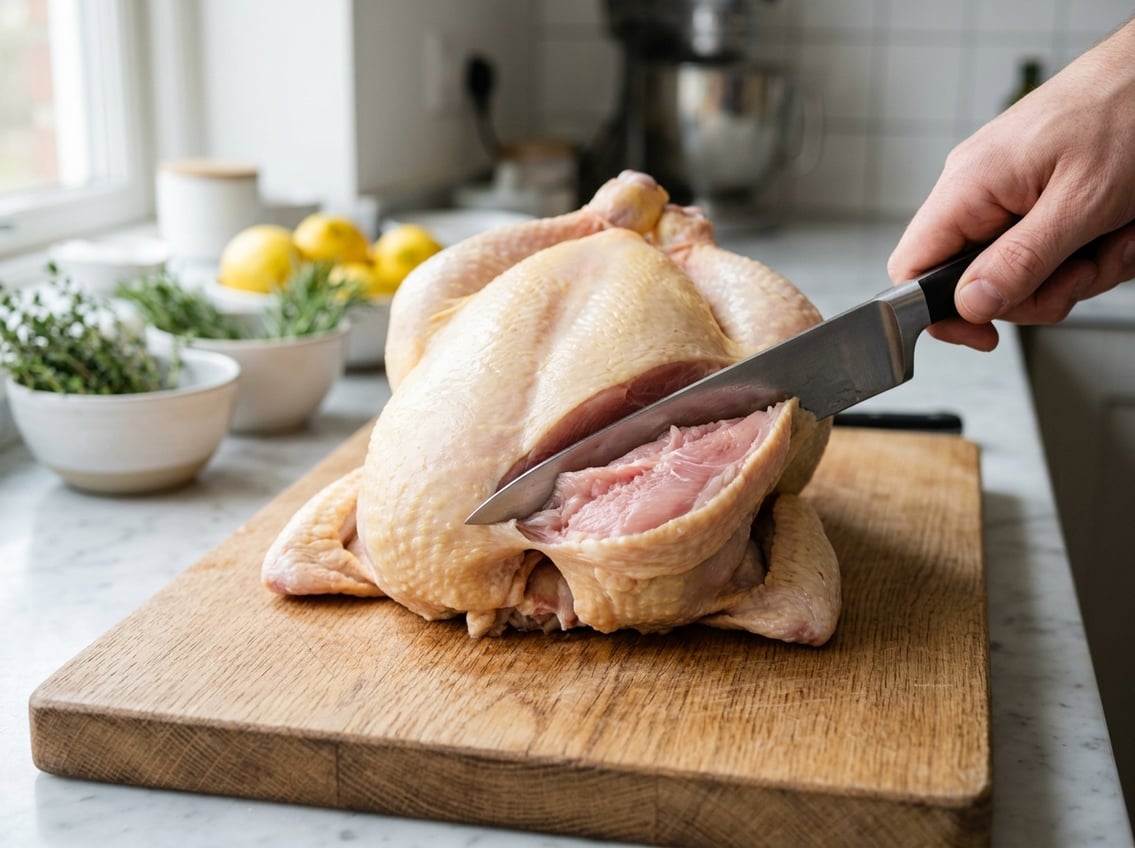
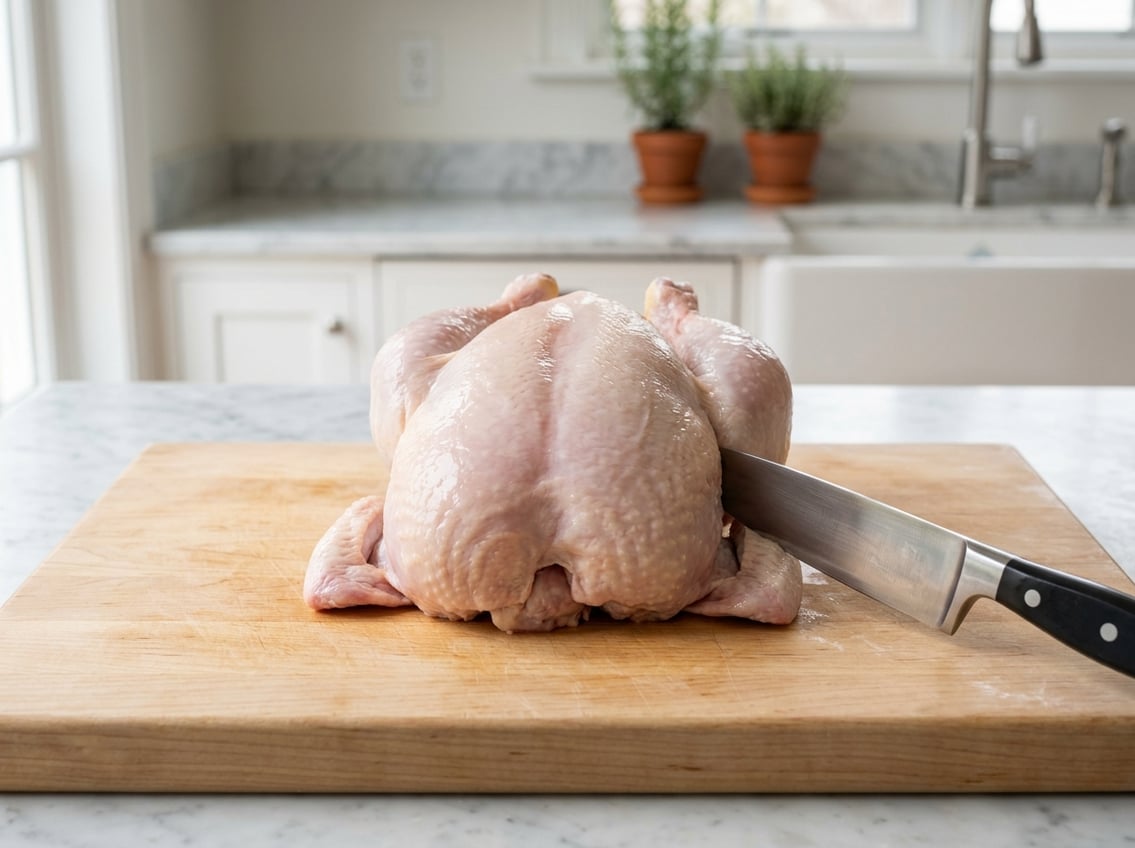
The chicken breast sits on the chest of the bird, on the front and upper part of the body. It lies on both sides of the breastbone and is the main white meat people buy for quick meals.
The Breast’s Location on the Bird
The breast is the large, rounded muscle on the front of the chicken. On a whole bird, it is the meatiest part of the upper body and is easy to spot once you know the shape.
When you cut a chicken breast, you work with the pectoralis major muscle, the biggest muscle in the chicken. That muscle does most of the work in the breast area, so it is larger than the smaller muscle tucked underneath.
How the Breast Differs From the Tenderloin
The breast and tenderloin are not the same cut. The tenderloin is a smaller muscle under the breast, and stores sell it as chicken tenders or tenderloins.
The breast is thicker and broader, while the tenderloin is narrow and cooks faster. If you want even pieces for a recipe, it helps to know which one you are cutting.
Why This Muscle Is So Lean and Popular
Chicken breast is lean because it contains less fat than thigh or leg meat. This gives it a mild flavor and a lighter texture, which many people prefer for salads, sandwiches, and simple dinners.
It is also easy to season and pair with sauces. A skinless breast works well when you want a clean flavor base for meal prep or a quick weeknight meal.
How This Cut Is Sold and Identified
At the store, you see chicken breast sold in several forms. The label tells you what you get.
The package may be boneless or bone-in, skinless or skin-on, or portioned from a whole bird into halves.
Boneless Skinless Breasts vs. Bone-In Pieces
Boneless skinless breasts are the most common option in U.S. grocery stores. They are easy to trim, slice, and cook, which makes them a strong choice for busy cooking.
Bone-in breasts usually stay a little juicier and can bring more flavor. A split breast is a bone-in breast cut down the middle, and it often looks larger and more uneven than a boneless package.
What a Whole Breast Looks Like Before Portioning
A whole breast is the intact breast removed from the chicken, with the breastbone and attached rib structure still part of the cut. It is broad at the top and tapers toward the lower end.
If you buy a whole breast, you may notice two sides joined at the bone. That shape matters when you plan how to cut chicken breast into even pieces.
Common Labels at the Store and Butcher Counter
You may see labels such as:
- Boneless, skinless chicken breast
- Bone-in chicken breast
- Split chicken breast
- Chicken breast half
- Chicken tenders or tenderloins
These labels tell you both the cut and how much prep is already done. A package marked “breast half” usually means one side of the breastbone, not the whole breast.
How Location Affects Texture, Cooking, and Portioning
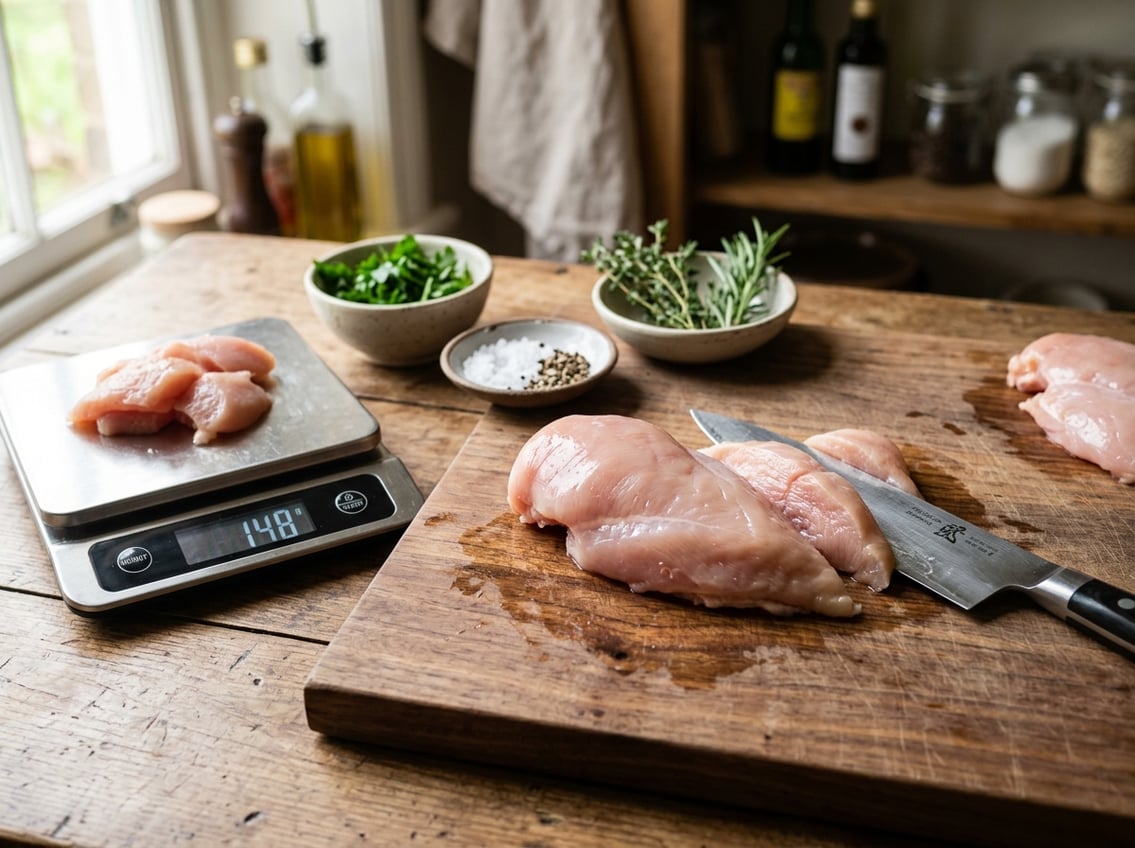
The breast’s position on the bird explains much of its texture and cooking behavior. Because it is lean and uneven in thickness, it cooks fast and needs careful cutting for the best results.
Why Breast Meat Cooks Quickly and Can Dry Out
Chicken breast has very little fat, so it gives you less natural protection against overcooking. Once it goes past the right temperature, the meat can turn dry and firm.
That is why timing matters when you cook it. A meat thermometer is the most reliable way to check doneness, especially if the breast is thick.
When to Slice Against the Grain
The grain is the direction the muscle fibers run. When you slice against the grain, you shorten those fibers and get a more tender bite.
This matters most after cooking or when you portion the breast for salads, bowls, or sandwiches. It also helps when you cut chicken breast into strips for stir-fries or fajitas.
How to Turn It Into Cutlets, Strips, or Cubes
To cut chicken breast into cutlets, slice it horizontally into thinner pieces, then pound them to an even thickness. This gives you faster, more even cooking.
To cut chicken breast into strips, slice the breast into long, even pieces that match or run across the grain depending on the recipe. To cut chicken breast into cubes, first make even slices, then turn them and cut crosswise into bite-size pieces.
If you want to cut chicken breast into strips, aim for consistent width so the pieces finish at the same time. If you want to cut chicken breast into cubes, keep the chunks close in size for even browning.
Chicken tenders are already narrow and work well when you want quick-cooking pieces without extra trimming. Chicken cubes are useful for skewers, skillet meals, and saucy dishes.
Best Uses for Chicken Breast in Everyday Cooking
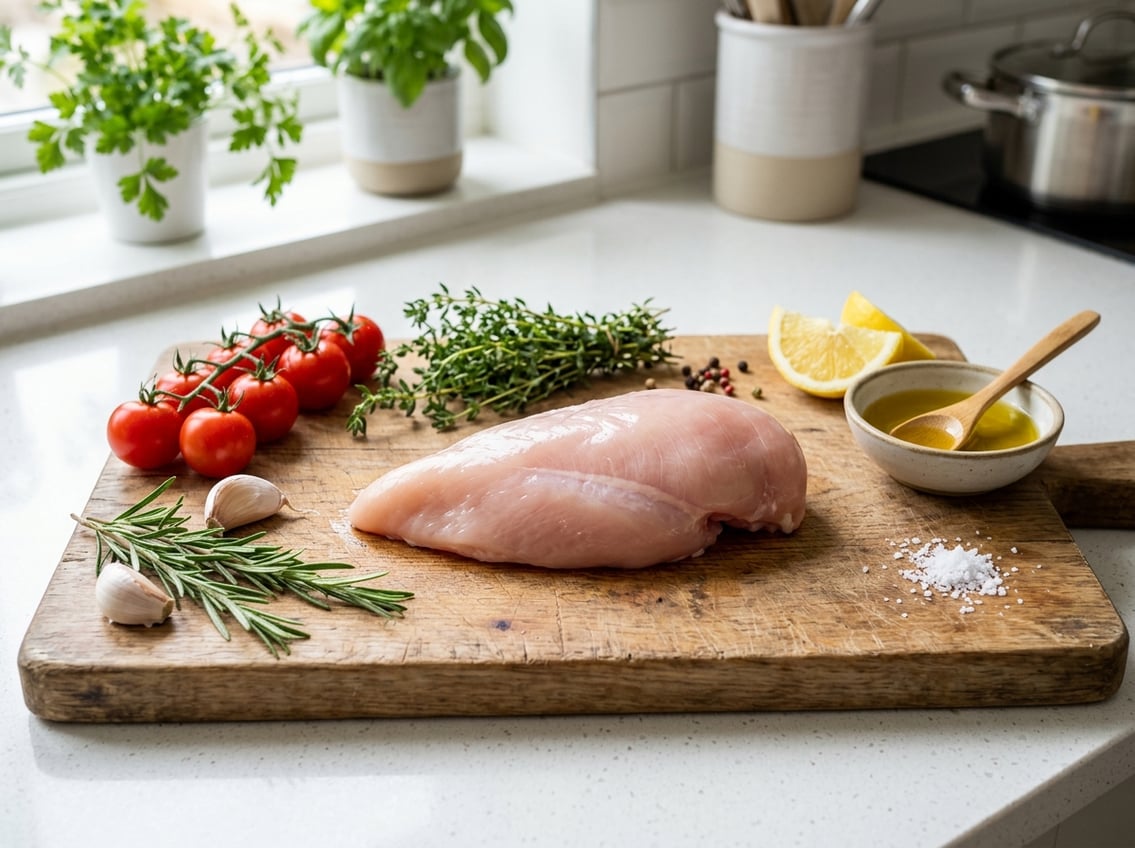
Chicken breast works best when you match the cut to the recipe. Thin pieces, strips, and cubes each serve a different purpose, and the right shape can improve both texture and cooking time.
Recipes That Work Best With Thin Pieces
Thin cutlets are a strong choice for quick pan cooking. They work well in chicken piccata, chicken parmesan, chicken Milanese, and simple skillet dinners.
Thin pieces also help when you want to cook faster without drying out the center. If the breast is thick, the best way to cut chicken breast for these recipes is usually to butterfly or slice it into even cutlets first.
When Strips or Tenders Make More Sense
If you want fast cooking and easy serving, strips or tenders are often the better choice. They fit well in wraps, rice bowls, fajitas, and kids’ meals.
Strips also help when you want better sauce coverage. Their shape gives you more surface area, so seasoning, marinades, and breading stick well.
When Cubed Chicken Is the Better Choice
Cubed chicken is useful when you want pieces that cook fast and mix well with other ingredients.
You can use it in stir-fries, pasta, soups, kebabs, and sheet-pan meals.
It also gives you better portion control in mixed dishes.
When you cut the pieces evenly, you get steadier cooking and less risk of dry edges or raw centers.


