
Can You Find Bones in Chicken Breast? What to Know
Can you find bones in chicken breast? Yes, but it depends on the cut you buy.
A boneless chicken breast should have the bones removed. A bone-in chicken breast still contains the breast bone and part of the rib cage.
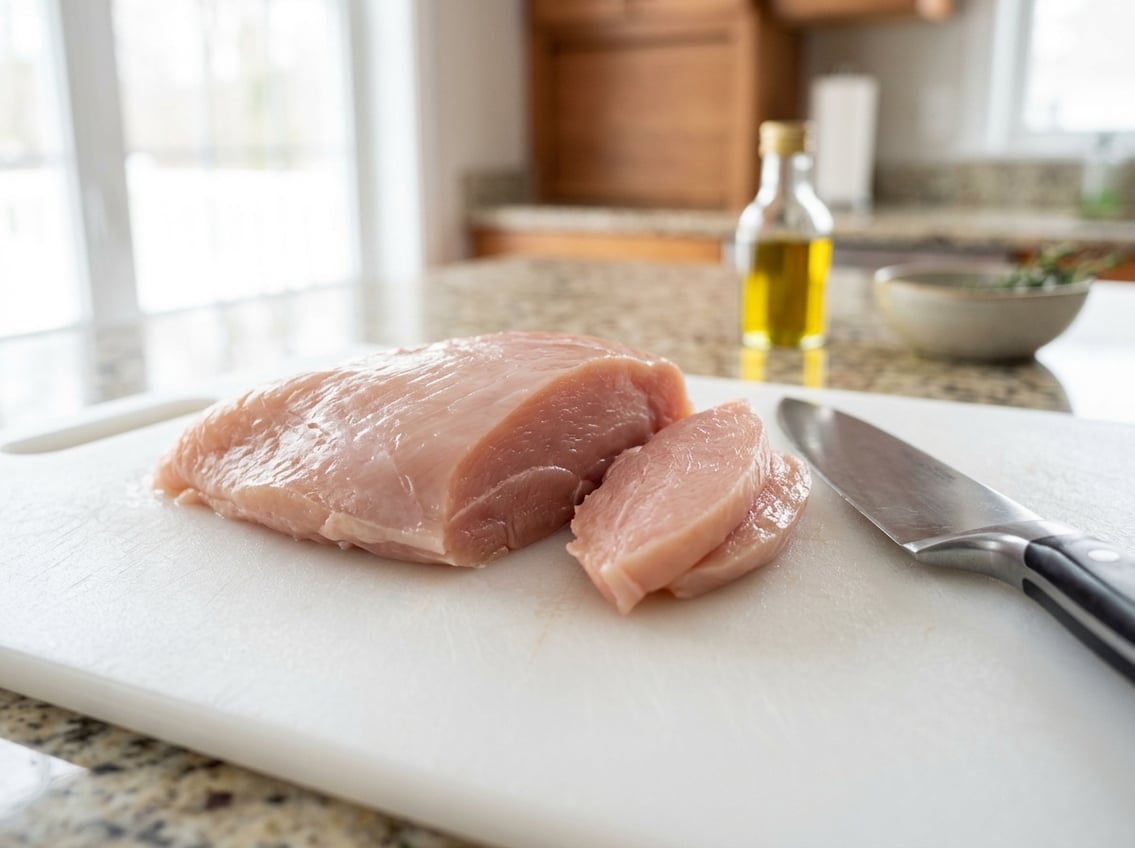
If you buy the right cut and inspect it well, you can usually avoid bones in chicken breast. Small bone fragments can still show up in rare cases.
Chicken breast is one of the most common cuts in the U.S. market. It is sold in both boneless and bone-in forms.
The difference matters for cooking, texture, and safety.
The Short Answer: When Bones Are Present
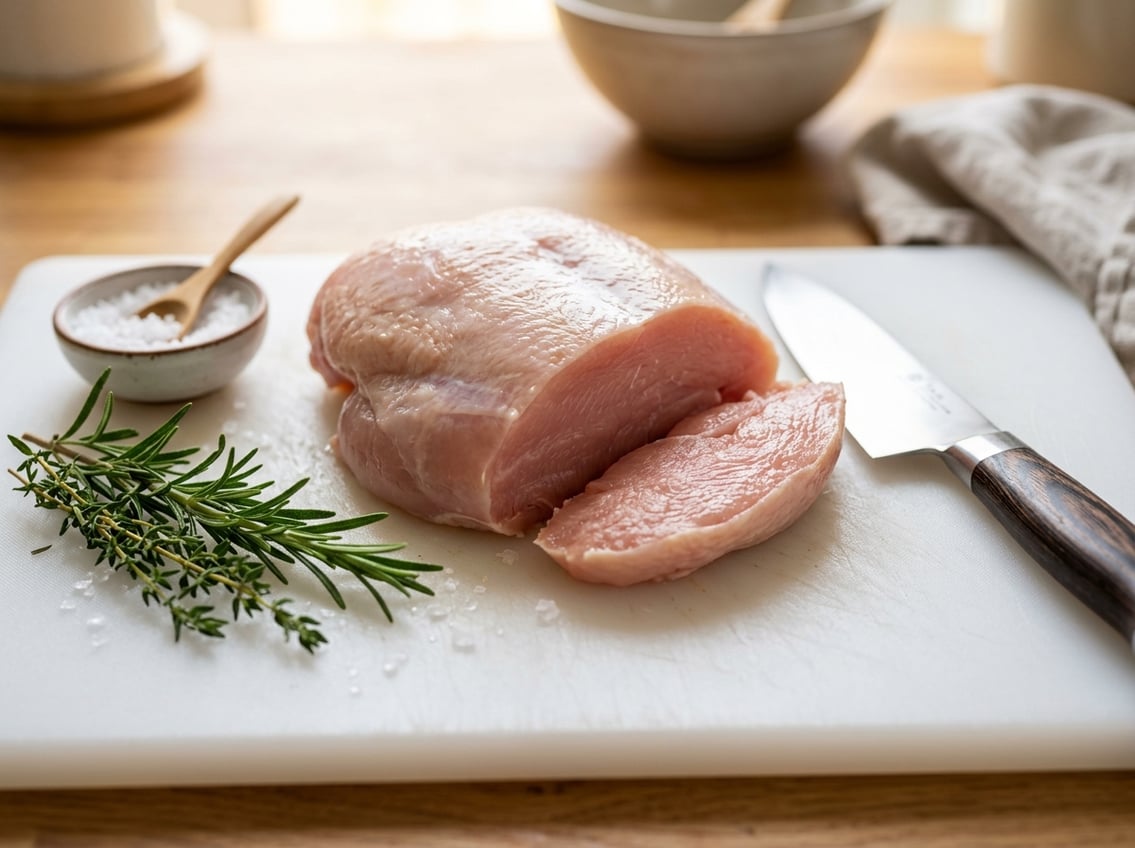
A boneless skinless chicken breast should not contain a full bone. A bone-in breast or split breast naturally does.
The key question is whether you bought a cut processed to remove the bones or one left intact.
Bone-In Cuts Naturally Contain the Breast Bone and Ribs
A bone-in chicken breast, sometimes labeled a bone-in breast or breast half, keeps the breastbone and nearby ribs attached. A skin-on chicken breast or skin-on chicken product can also be bone-in, so the skin does not guarantee the absence of bones.
Boneless Cuts Should Not, but Small Bone Fragments Can Still Appear
A boneless breast or boneless skinless chicken breast should be free of full bones. Even so, small bone fragments can rarely remain after processing, as noted by Cookindocs.
What “Chicken Breast With Rib Meat” Usually Means
If you see chicken breast with rib meat, the package usually means the main breast has been trimmed, but some meat from the ribs remains attached. That is not the same as a bone-in cut, yet tiny bone fragments may still be possible if trimming was incomplete.
Chicken Breast Anatomy and Where the Bones Sit
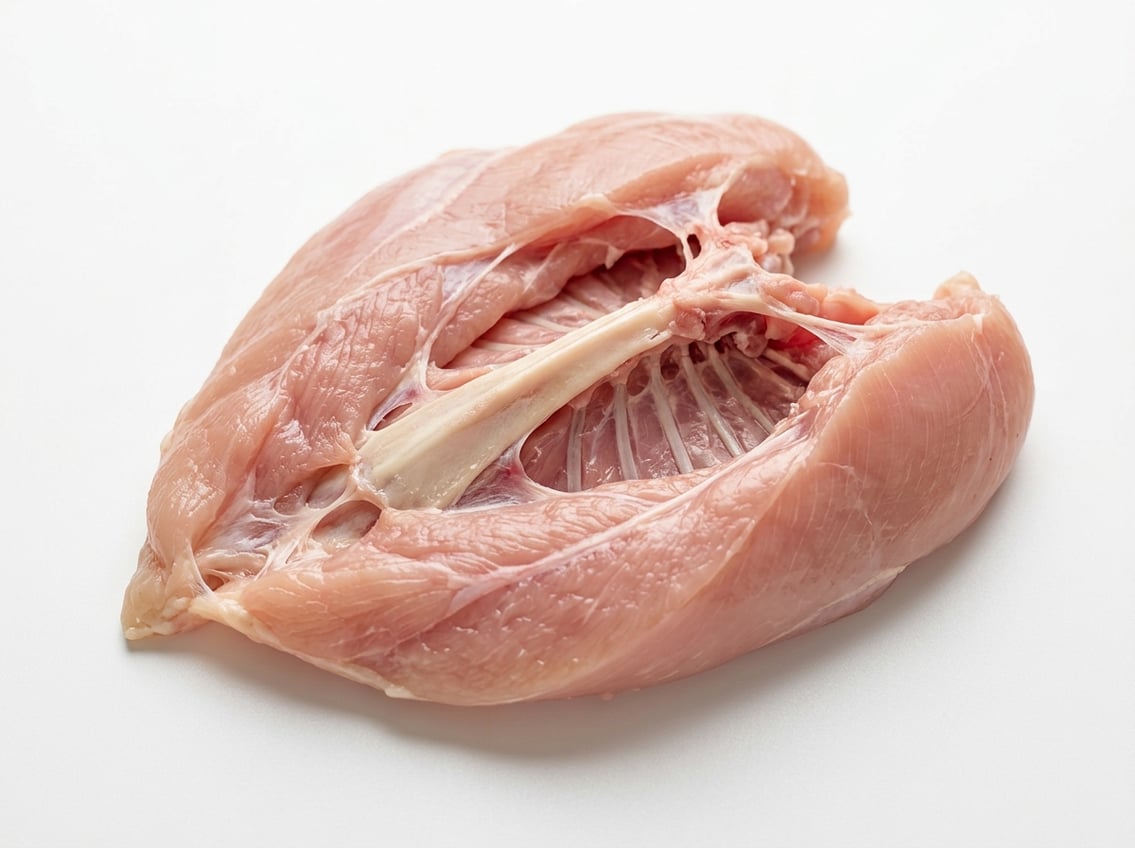
The chicken breast sits on the front of the bird, over the chest area. The bones you are most likely to find are the breastbone, sternum, and rib cage.
The main meat comes from large chest muscles.
How the Pectoralis Major and Pectoralis Minor Form the Breast
In chicken anatomy, the breast comes from the pectoralis major and pectoralis minor muscles. These are the main white-meat muscles that make up the thick, meaty part of the breast.
The tenderloin or tenderloins are the smaller strips attached to the underside. Many shoppers know this piece as the chicken tender.
The Role of the Sternum, Breastbone, and Keel Bone
The sternum, breastbone, and breast bone are common terms for the same central bone structure. In poultry, the keel bone runs down the middle of the breast and helps support the shape of the bird.
A whole breast cut from the carcass may carry this bone unless processors remove it during processing. That is why bone-in chicken breast looks different from a trimmed boneless chicken breast.
How the Rib Cage Connects to Breast Meat and Tenderloin
The rib cage sits close to the breast meat, and the edges of the ribs can stay attached in some cuts. This is where rib meat comes from, and it explains why a breast can have a little extra meat near the bone.
The tenderloin lies under the breast, not on the bone itself. It is part of the same area, but it is separate from the bone structure.
Labels, Butchering, and Why Boneless Is Not Always Perfect
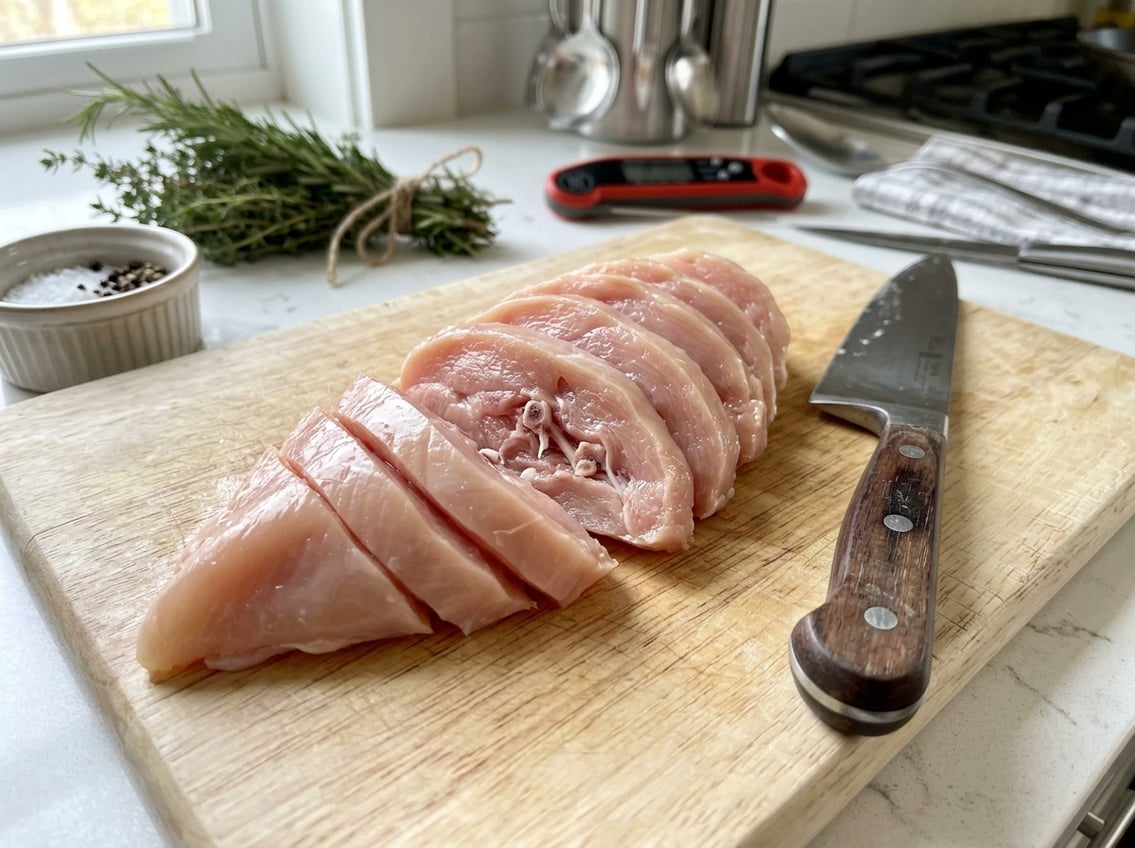
Most store-bought breast meat goes through a deboning process before it reaches the shelf. Processors remove the main bones, yet small pieces can sometimes remain.
How the Deboning Process Removes Bones From the Breast
Processors debone chicken breast by cutting away the breastbone, ribs, and attached cartilage. The goal is to make a clean boneless chicken breast.
In a bone-in chicken breast or bone-in breast, that step is skipped. Cuts such as split breast, breast half, and some skin-on chicken breast products may still keep the bone in place.
Why Bone Fragments May Be Missed During Processing
A few small bone fragments can be missed during trimming, especially near the rib edge or breastbone area. Natural variation in the bird’s shape makes these pieces harder to see.
Even a carefully processed boneless breast can rarely contain tiny bone fragments. The risk is low, yet it is real.
How to Read Retail Terms Before You Buy
Read the label closely before you put the package in your cart. Terms like boneless skinless chicken breast, bone-in chicken breast, and chicken breast with rib meat tell you more than the front-of-package photo does.
USDA-style poultry labels matter because they describe what you are buying, according to USDA labeling terms guidance. If you want no bones at all, choose a clearly labeled boneless cut and check the package before cooking.
How to Check, Cook, and Serve Chicken Breast Safely

You can lower the chance of finding bone fragments by checking the meat before cooking. Cut it carefully after cooking.
Safe handling matters with both boneless and bone-in cuts.
How to Inspect for Bone Fragments Before Cooking
Run your fingers over the surface of the breast and feel for hard or sharp spots. Look closely at the thick end, the rib side, and any trimmed edges.
If you spot a piece of bone, remove it with clean tweezers or a knife tip. Do not leave small bone fragments in food, especially when serving children or older adults, as noted by Cookindocs.
When to Remove Bones Yourself at Home
If you buy bone-in chicken breast and want easier serving, you can debone chicken breast at home with a sharp knife. This works well when you want to keep the meat attached to the skin or when you plan to slice it later.
If you are not comfortable doing that, ask a butcher to trim it for you. A fully cleaned boneless chicken breast is easier to use for fast meals.
Which Cuts Work Best for Roasting, Frying, and Quick Meals
Skin-on chicken breast and bone-in chicken breast usually cook with more flavor and juiciness when you roast them.
For frying, you can use a boneless cut since it is easier to bread and cooks evenly. This works well for recipes like fried chicken cutlets.
For quick meals, you can use boneless breast, thigh, tenderloin, and chicken tender pieces. These cuts cook faster than bone-in cuts.
Bone-in meat usually needs more time in the oven or pan to reach a safe temperature.


