
What Are Chicken Breast Tenders? Key Differences Explained
Chicken breast tenders are small, lean strips of meat that sit beneath the breast. Butchers often sell them as tenderloins, tenders, or chicken strips.
Chicken breast tenders serve as the built-in “quick cook” part of the breast. They have a soft texture, which makes them a common choice for breaded chicken, grilled meals, and kid-friendly dinners.
Cooks find them easy to prepare, portion, and serve with sauces like bbq sauce. You will see them in homemade chicken fingers, baked chicken tenders, and restaurant-style chicken fillets.
Where This Cut Comes From
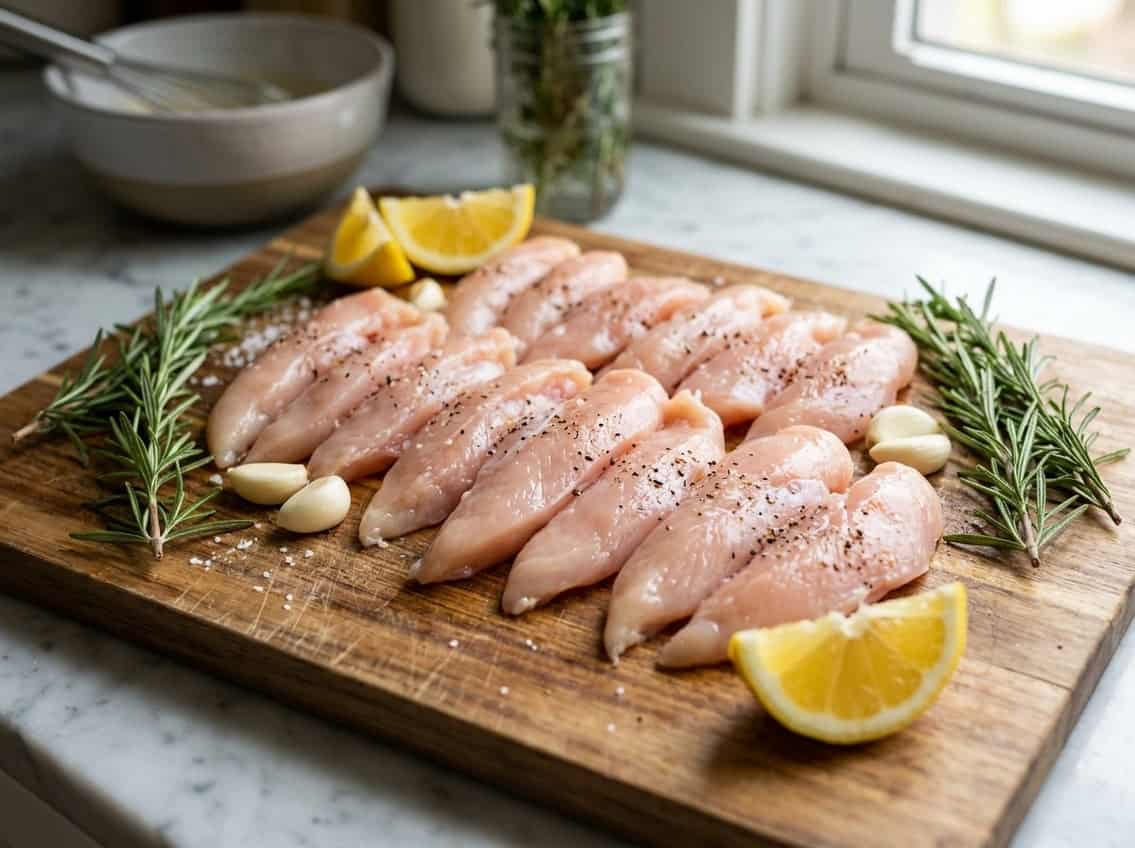
Chicken breast tenders come from a small piece of meat attached to the underside of the breast. They are not a separate muscle like a thigh or wing.
Many stores and recipes use names like tenderloin, chicken tenderloins, or chicken tender for this cut. The cut is smaller than a boneless skinless chicken breast, so it cooks faster and usually stays soft when cooked correctly.
Chicken Tenderloin Anatomy
The tenderloin is a narrow strip of white meat located under the breast. It sits close to the breastbone and processors usually remove it as a separate piece.
How It Relates to the Breast
A chicken tenderloin is part of the breast area, not a different section of the bird. Many packages of chicken tenderloins are sold near boneless chicken breast, breast strips, or other white meat cuts.
Why It Is Naturally More Tender
This cut has less connective tissue than larger pieces of breast meat. That lower amount of dense tissue helps it stay soft, which is why cooks often choose chicken tenderloins for quick cooking methods.
Names You Will See at the Store

Store labels can be confusing because different names may point to the same or similar products. You may see tenders, chicken tenders, chicken fingers, chicken strips, chicken fillets, or breast strips.
Some packages may describe the meat as breaded chicken or battered if it already has coating. The label often tells you more about shape and preparation than the exact cut.
That matters when you want plain tenderloins for a chicken tender recipe instead of a pre-seasoned or pre-coated product.
Chicken Tenders vs Chicken Strips
In many US stores, chicken tenders and chicken strips are used as near-synonyms. Chicken tenders usually refer to the natural tenderloin cut, while strips can also describe chicken breast cut into long pieces.
Chicken Fingers and Other Common Labels
Chicken fingers often describes the shape and serving style more than the anatomy. The term is common for breaded chicken products, especially when they are meant for dipping or are served as a snack.
How to Spot Real Tenderloins in Packaging
Look for wording such as tenderloins or inner filet on the package. If the package says breaded, battered, or fully cooked, the product may be a prepared item rather than plain raw tenderloins.
Plain raw packages usually list only chicken tenderloins or chicken breast tenderloins as the main ingredient.
Best Ways to Cook and Serve Them
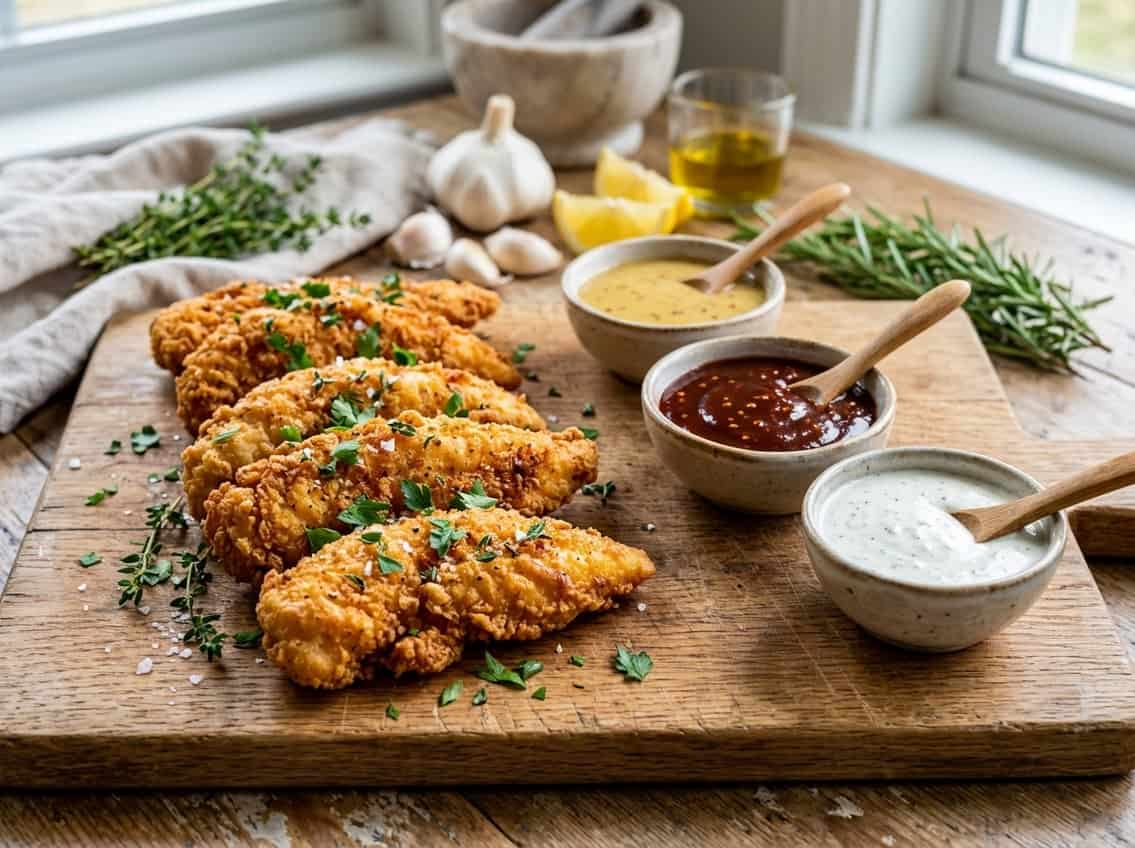
Chicken breast tenders work well in many styles because they cook fast and take on seasoning easily. A simple coating can turn them into homemade chicken fingers.
Lighter methods keep them useful for a weeknight dinner. The best method depends on whether you want crisp texture, a lighter plate, or a fast main dish.
Seasoning matters just as much as the cooking method, especially with mild white meat.
Breaded and Crispy Options
For breaded chicken, many recipes start with flour, egg, and panko. Add garlic powder, onion powder, paprika, black pepper, kosher salt, and a pinch of cayenne pepper for more flavor.
If you want a crust that sticks well, you can use a buttermilk substitute such as milk mixed with lemon juice or vinegar. Lightly coat the tenders, add cooking spray before baking, and cook until crisp.
Serve them with bbq sauce, baked french fries, or coleslaw for a simple plate.
Baked and Lighter Preparations
Baked chicken tenders are a common choice when you want less oil. They still get good texture with panko and a light spray of oil.
This style also fits well with sheet-pan meals and easy meal prep. For a lighter plate, pair them with vegetables or a salad instead of heavier sides.
Fast Skillet and Grilled Meals
Grilled chicken tenders cook quickly and make cleanup simple. You can season them with dry spice blends, marinades, or brush on a sauce near the end of cooking.
A hot skillet cooks chicken tenders quickly and adds more browning. Use chicken tenders for salads, wraps, or a fast weeknight dinner without breading.


