
When Chicken Breast Is Tough: Causes and Fixes
When chicken breast turns tough, the cause is usually plain and fixable. Overcooking, uneven heating, or starting with poor quality, low-moisture meat often leads to this problem.
You can get a tender, juicy chicken breast more often by controlling temperature, thickness, and seasoning before cooking.
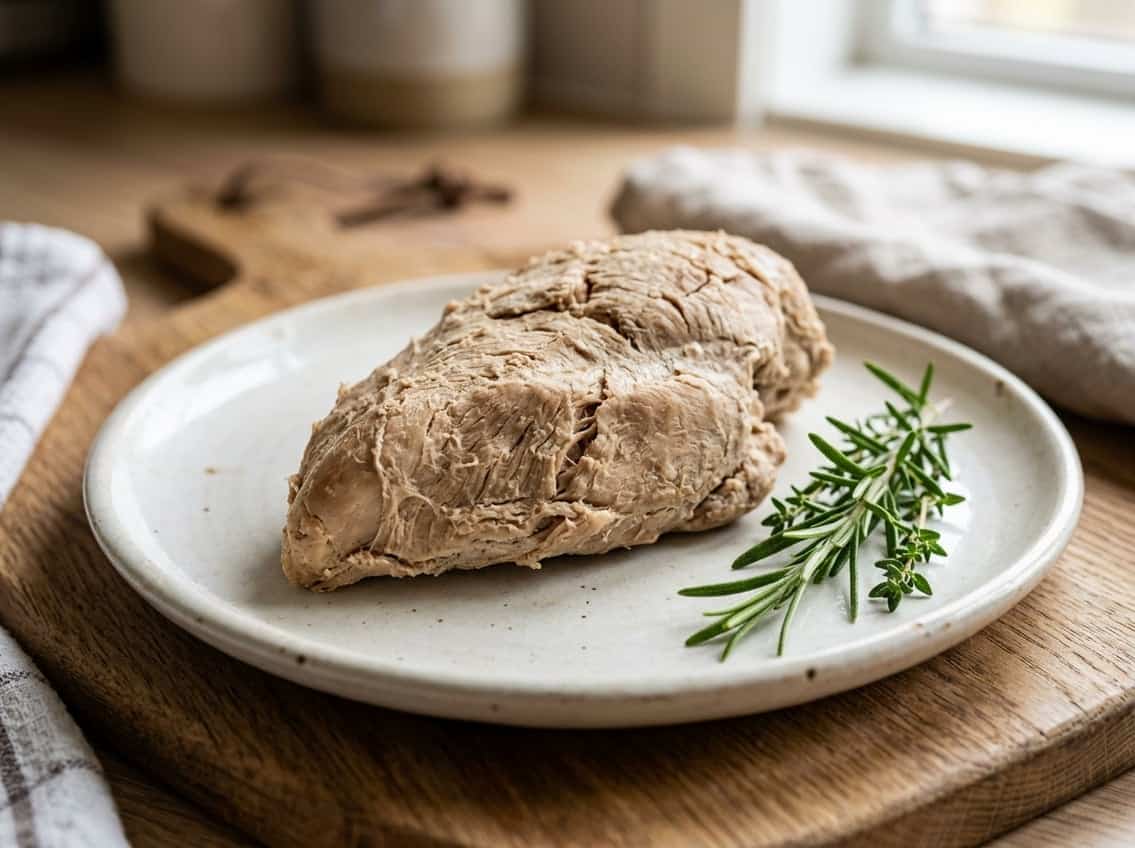
A tough chicken breast does not mean you ruined dinner. Proteins may have tightened too much, moisture may have escaped, or the center may have cooked out of sync with the edges.
Once you know which problem you are dealing with, you can fix it the next time you cook chicken breast.
Why Chicken Breast Turns Tough
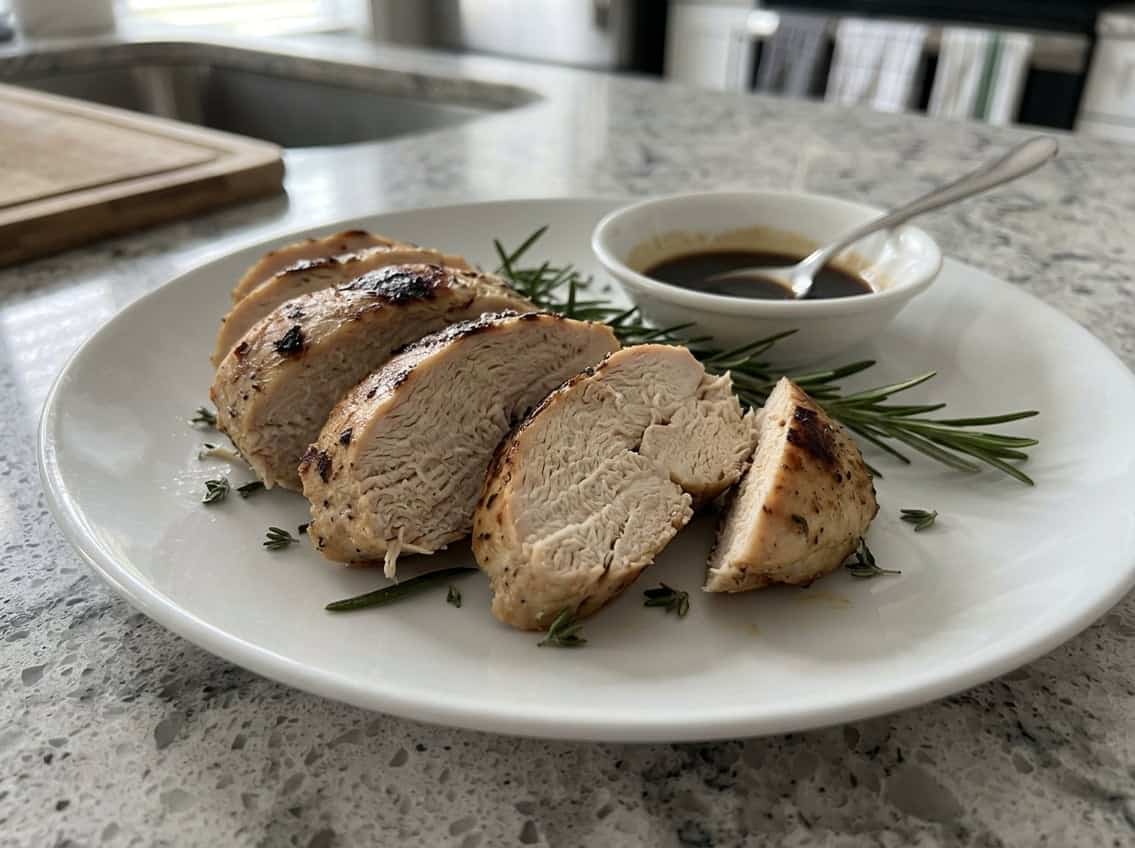
Heat, time, or size usually cause a tough chicken breast. If you cook chicken breast too aggressively, the meat can turn from juicy to dry, stringy, or rubbery fast.
The main issues are moisture loss from overcooking, uneven cooking from high heat, and texture problems when the center does not cook properly.
Overcooking and Moisture Loss
Overcooking is the most common reason for tough chicken breast. Because chicken breast is lean, it dries out quickly when it stays on the heat too long.
As the proteins tighten, they push out moisture. You end up with overcooked chicken that feels firm and dry instead of juicy.
High Heat and Uneven Cooking
High heat can brown the outside before the inside is ready. Thicker pieces especially suffer from uneven cooking.
If the breast is thick on one end and thin on the other, the thin part can overcook while the thick part catches up. Even thickness helps the meat cook at the same pace.
Undercooked Centers and Rubbery Texture
Undercooked centers can feel rubbery, even if the outside looks done. This can make tough chicken breast confusing, because it may not be dry yet, just unevenly cooked.
Cooking chicken breast to a safe, even temperature helps keep the texture right.
How to Fix the Texture Problem
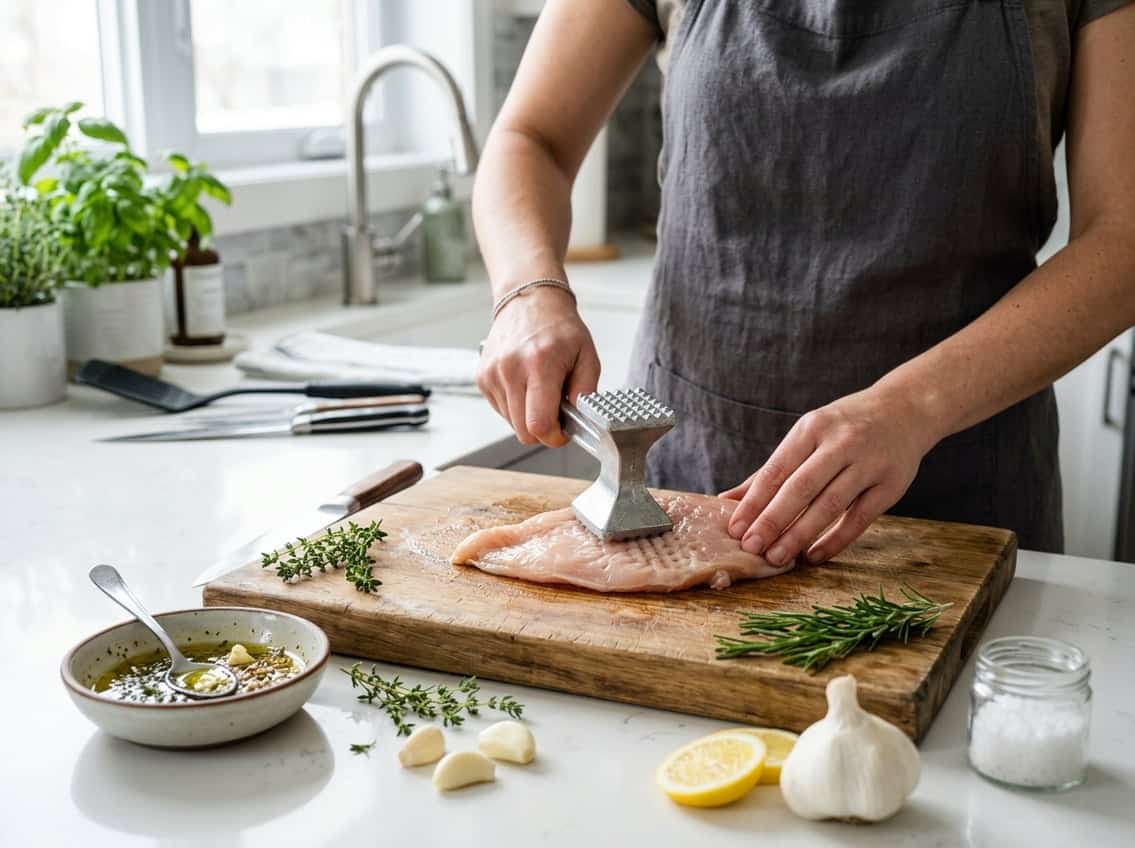
You can solve most texture problems before and during cooking. Check doneness, flatten thick spots, and use salt or marinade to help retain moisture.
These methods help you get tender chicken breast more reliably.
Use a Meat Thermometer for Doneness
A meat thermometer is the most useful tool for keeping chicken breast juicy. Check the thickest part and aim for 165°F, the safe final temperature for chicken.
The temperature can rise a little after you remove the meat from the heat, so pulling it at the target helps prevent overcooking.
Pounding Chicken for Even Thickness
Pounding chicken breast helps the meat cook more evenly. When the thick and thin parts are closer in size, you lower the chance of uneven cooking.
Place the breast between sheets of plastic wrap or parchment and pound it gently to an even thickness. This is especially useful for large breasts.
Brining, Dry Brining, and Marinating
Brining adds salt and moisture support before cooking. Dry brining seasons the meat and helps it hold onto juice.
Marinating chicken can also improve texture and flavor. Acidic marinades, such as those with lemon juice, vinegar, or yogurt, can help soften the surface, but too much acid for too long can make the texture mushy.
A careful balance gives you a better chance at juicy chicken breast.
When the Chicken Itself Is the Issue
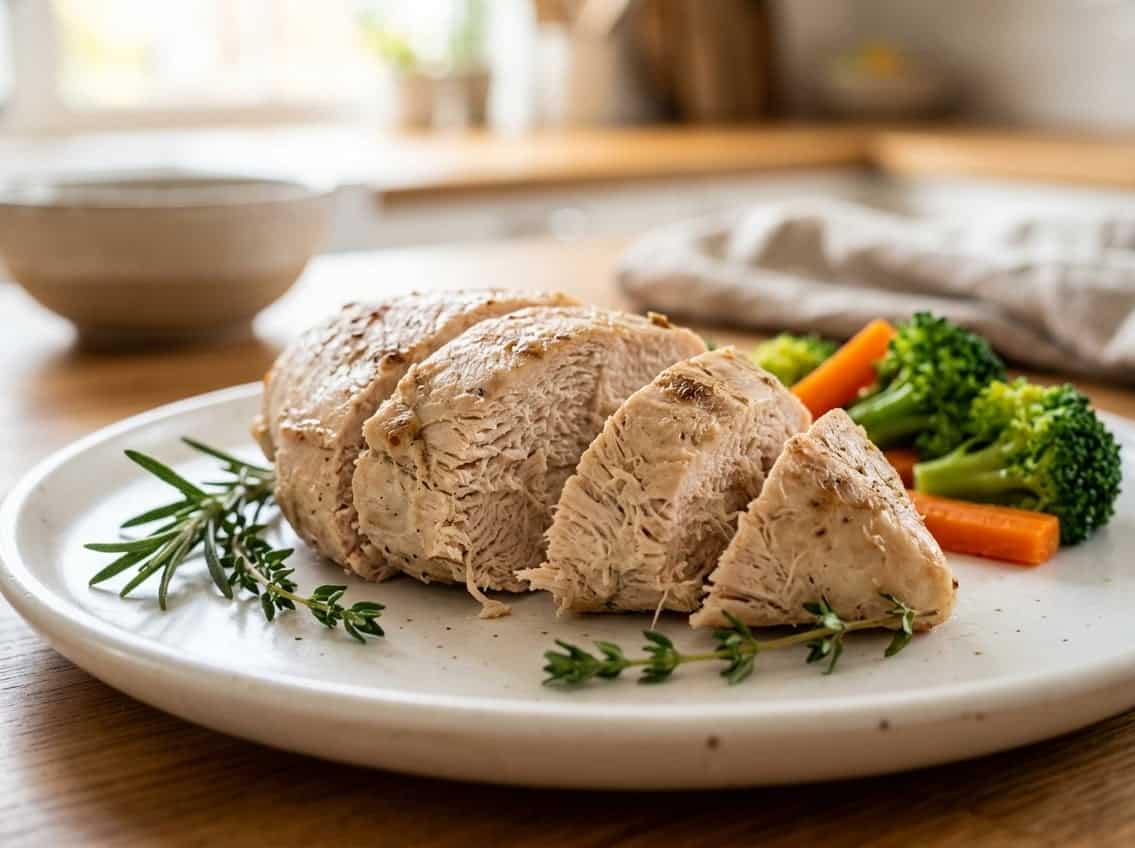
Sometimes the problem starts before you cook. A chicken breast can be tough because of the bird’s condition, the size of the cut, or the way it was processed.
In those cases, your technique still matters, but the raw meat may already be working against you.
Woody Breast Syndrome
Woody breast syndrome is a quality issue that can make chicken breast feel unusually firm, dense, and tough. Woody breast often has a strange, hard texture that stays noticeable after cooking.
You cannot fix this completely with cooking. If a chicken breast feels hard or springs back strangely before cooking, it may already be a poor choice for tender results.
Poor Quality Chicken and Oversized Breasts
Poor quality chicken can dry out faster and cook less evenly. Very large breasts are especially tricky, since the outside can overcook before the center is ready.
Smaller, more evenly sized cuts are easier to manage. If you want fewer problems with tough chicken, avoid the biggest pieces unless you plan to pound them flat or cook them gently.
Why Air-Chilled Chicken and Organic Chicken Can Help
Air-chilled chicken often holds a better texture because processors avoid adding extra water from a water bath.
This method helps chicken cook with less surface moisture, leading to more consistent browning.
Organic chicken sometimes comes from production systems that create better texture, though quality still varies by brand.
If you buy chicken breast often, try air-chilled chicken for more reliable results.


