
Why Is It Called Chicken Breast? Meaning and Cuts
The name chicken breast comes from the bird’s anatomy, not from cooking style or shape.
The breast is the large pectoral muscle on the front of the chicken, and that is the part you buy when a package says chicken breast.
A chicken breast is a poultry cut taken from the front chest area of the bird, and the name describes that anatomy directly.
It is one of the most common cuts in the U.S. because it is lean, mild, and easy to cook in many ways.

You may also see the term chicken breast cut, which usually refers to the same part of the bird in a retail or butcher setting.
The exact label can change based on whether it is boneless, skinless, bone-in, or left with specialty attachments.
Why the Cut Is Called Breast
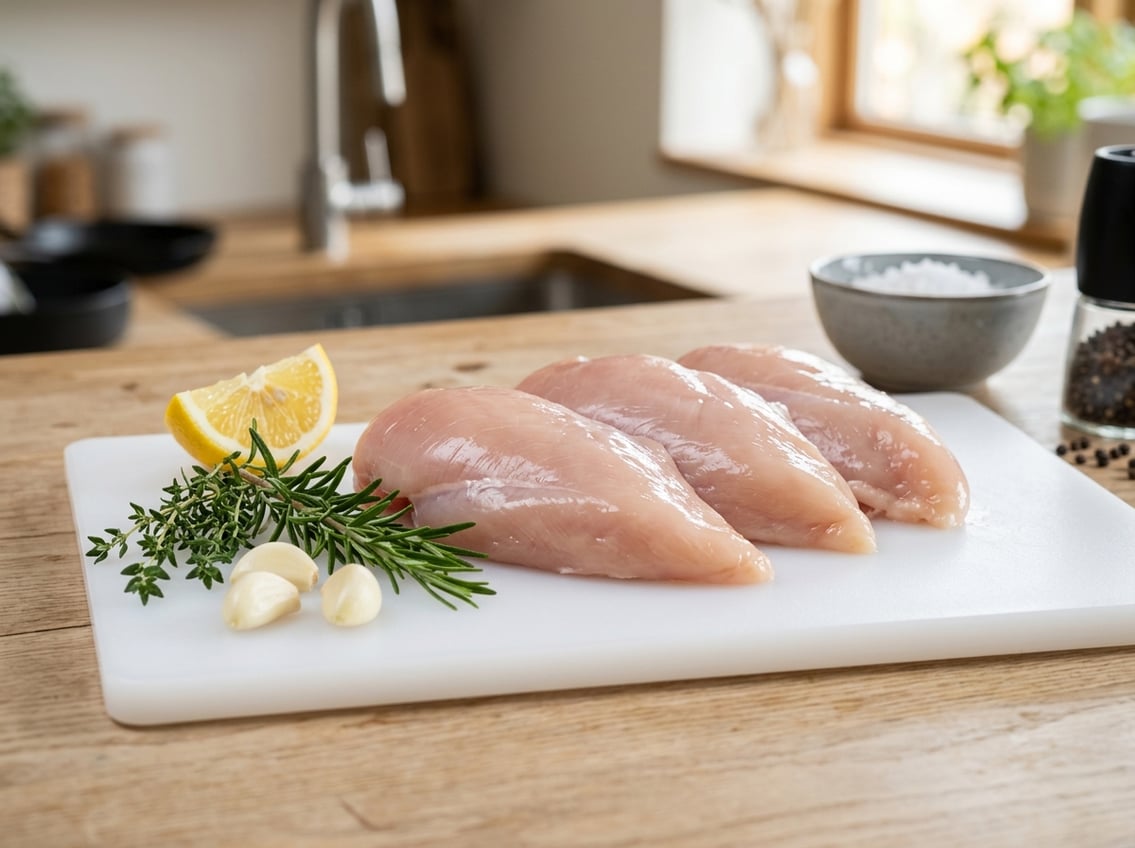
The chicken’s body gives the breast its name, and the breast is the large muscle used for movement and support.
When you buy chicken breast, you get meat from that front chest area, which is why the term is so direct.
The Anatomical Meaning of Breast in Poultry
In poultry, breast means the meaty front portion on either side of the breastbone.
It is the same general idea used for other birds, where the breast is a distinct primal part of the carcass.
Chicken breast is often described as lean protein.
According to a chicken breast guide, it is the pectoral muscle on either side of the breastbone, and it is known for being tender and low in fat when cooked properly.
Why It Is Not Called Chicken Chest
You do not usually hear chicken chest in the meat case because butchers and cooks use the standard anatomical term breast.
In English, breast is the established culinary word for this cut, while chest is a more general body term.
Using breast also avoids confusion with the wider front of the bird.
The breast cut is a specific edible muscle, while chest sounds less precise in food labeling.
How Butchers and Cooks Use the Term
Butchers label the cut as breast to match industry language.
Cooks use it because the term tells you what part of the bird you are working with and what kind of texture to expect.
That matters when you plan cooking time and method.
A chicken breast cut is usually sold as a fast-cooking, versatile piece of meat that works well as a lean protein in simple meals.
What Counts as a Chicken Breast Cut

A chicken breast cut can appear in several forms, and each version changes how you cook it.
The main differences are whether the breast is boneless, skinless, bone-in, or paired with the tenderloin.
Boneless vs. Bone-In Options
A boneless chicken breast has the breastbone and rib bones removed, so it is easier to slice and cook evenly.
A bone-in breast keeps part of the skeleton attached, which can add flavor and help protect the meat from drying out.
If you want faster prep, boneless is the common choice.
If you want more structure for roasting, bone-in can be a better fit.
Skin-On vs. Skinless Versions
A skinless chicken breast is popular when you want a leaner option.
A skin-on chicken breast keeps the skin attached, which can help with moisture and browning during roasting or pan cooking.
If you are looking for lean protein, skinless is the simpler choice.
If you want more flavor and a better browned surface, skin-on is often more useful.
Where the Chicken Tenderloin Fits
The chicken tenderloin is a smaller strip of meat that sits under the breast.
It is not the same thing as the full breast, even though the texture and flavor are similar.
Because it is small and tender, the tenderloin cooks faster than a full chicken breast cut.
You may see it sold separately or attached to the breast in packaged meat.
Specialty Names You May See at the Butcher

Specialty poultry names usually describe how much of the bird is still attached to the breast.
These labels matter because they change presentation, cooking time, and how much trimming you need to do.
What Is Airline Chicken Breast
If you ask what is airline chicken or what is airline chicken breast, you get a breast cut with the wing drumette still attached.
It is often a neat, restaurant-style presentation that makes the breast look more finished.
An airline chicken breast is shaped for plating, not just speed.
The attached drumette adds visual appeal and can help the cut hold its form while cooking.
Statler Chicken and Chicken Supreme
Statler chicken is another name for a breast with part of the wing attached.
In many kitchens, chicken supreme refers to a similar idea, a breast portion that is trimmed and presented in a more refined way.
These names are common in butcher and restaurant language.
A poultry cut guide notes that a chicken breast with the drumette portion of the wing still attached is called a suprême.
Frenched Breast and the Drumette Attached
A frenched breast usually means the bone and attached skin around the wing bone are cleaned for a neat look.
If the drumette attached is left in place, the cut may be sold as an airline-style breast or a similar specialty version.
These terms are useful when you buy from a butcher.
They tell you whether the cut is plain, trimmed for presentation, or shaped for roasting and serving whole.
How Naming Affects Buying and Cooking

The name on the package tells you a lot about prep time, cooking method, and final texture.
A standard breast, a specialty breast, and a bone-in version all cook a little differently.
How to Cut an Airline Chicken Breast
To cut an airline chicken breast, start with a bone-in breast and keep the drumette attached after trimming the wing joint.
The goal is to remove excess wing parts while leaving a clean, restaurant-style shape.
This cut takes more knife work than a standard breast.
If you are new to poultry breakdown, it may be easier to buy it prepped by a butcher.
How to Cook Airline Chicken Breast
To cook airline chicken breast, use a method that gives the thicker breast time to cook without drying out the meat.
Roasting, pan-searing, and finishing in the oven are common choices.
Because the drumette stays attached, the cut can be a little more forgiving than a thin boneless piece.
The breast portion should be cooked to a safe internal temperature.
When to Choose Standard Breast Over Specialty Cuts
Choose a standard boneless chicken breast when you want easy meal prep and even slicing.
Pick skinless chicken breast for the leanest option.
Select skin-on chicken breast when you want more browning and flavor.
Specialty cuts work well when presentation matters or when you want a more composed plate.
For weeknight meals, a plain chicken breast usually offers the simplest and most flexible choice.


