
Can We Eat Chicken Breast Daily? Benefits and Limits
You can eat chicken breast daily, and for many people, it fits well into a balanced diet.
Chicken breast is a lean protein that helps you meet protein needs without adding much saturated fat.
The main issue is not chicken breast itself. Eating chicken every day may crowd out other protein sources, healthy fats, and fiber-rich foods your body also needs.
If your meals stay varied and your portions make sense, daily chicken breast can be a practical choice.
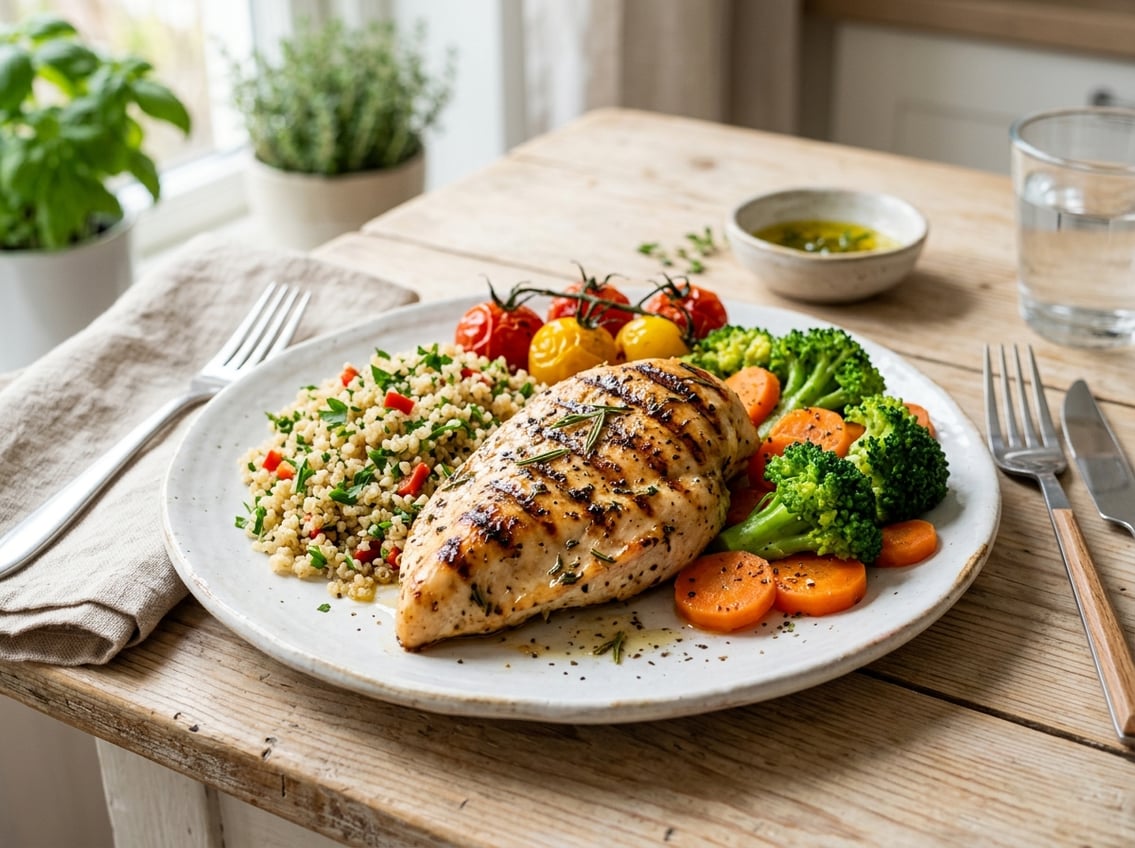
Your body gets useful nutrients from chicken, but your diet still needs plant foods, healthy fats, and other proteins to stay complete.
What Daily Chicken Breast Does for Your Body
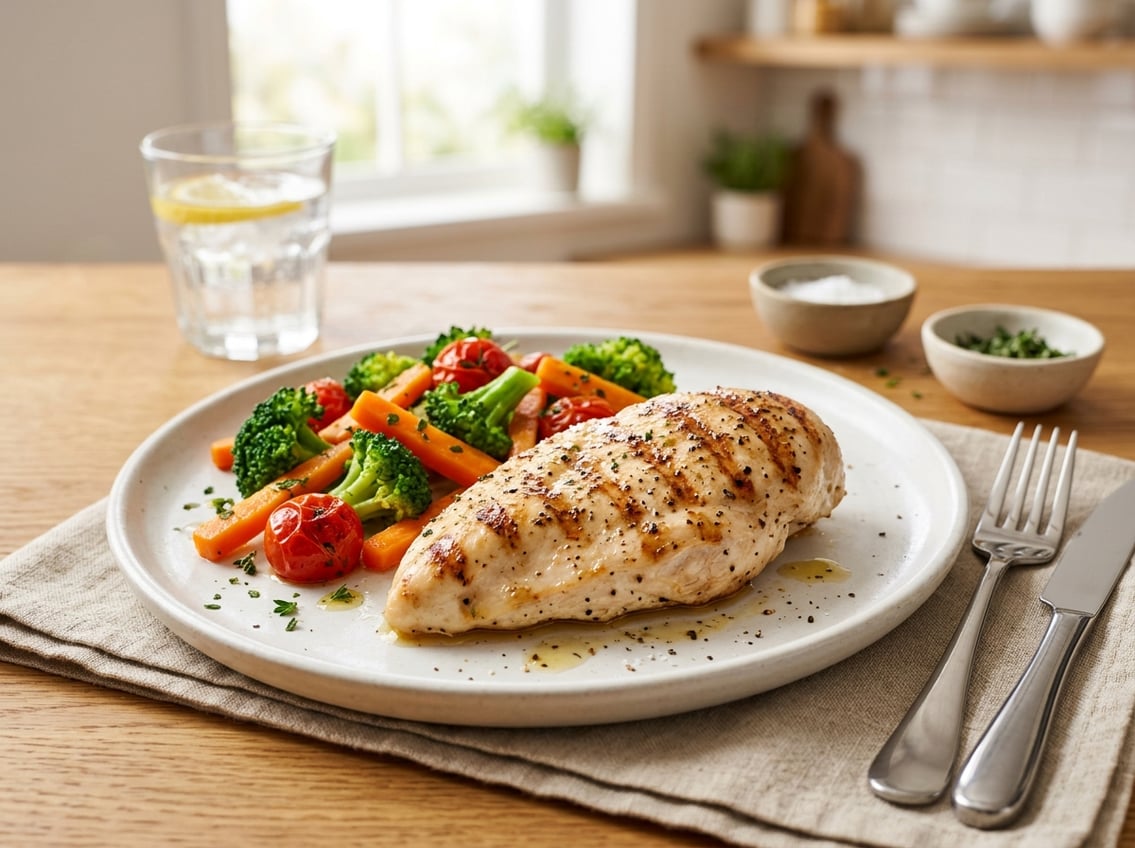
Chicken breast gives you a lot of nutrition for the calories.
It is one of the most common protein choices in the U.S. because it is easy to cook, flexible, and rich in nutrients that support daily protein intake.
How Chicken Breast Supports Protein Intake
Chicken breast is a high-quality and complete protein.
It contains all nine essential amino acids your body needs, which help build and repair tissue, make hormones, and support immune function.
A 4-ounce serving can give you a large share of your daily protein needs.
That makes chicken a useful choice when you want a simple way to raise protein intake without a lot of extra fat.
Lean Protein, Satiety, and Muscle Repair
Skinless chicken breast is one of the leanest animal protein sources.
It can support muscle repair after exercise and may help you feel full longer, which can make meal planning easier.
According to EatingWell’s review of eating chicken every day, chicken can help you reach protein goals and may support weight loss efforts when it is part of a balanced diet.
Key Nutrients in Chicken Breast
Chicken breast provides more than protein.
It also contains niacin (vitamin B3), vitamin B6, selenium, phosphorus, and other B vitamins that support energy use and metabolism.
These nutrients matter, but chicken is still only one part of a healthy eating pattern.
You get the best result when chicken is one of several protein sources you rotate through the week.
When a Daily Habit Can Become a Problem
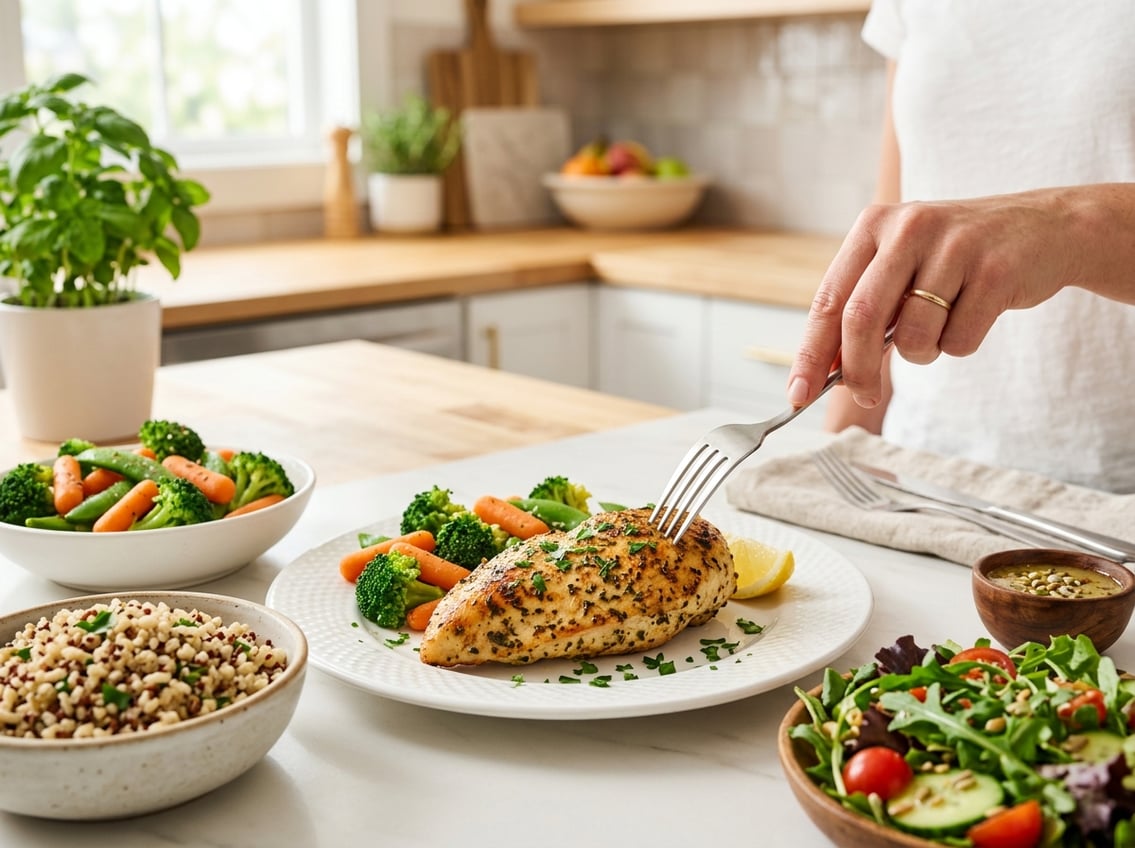
Eating chicken every day is not automatically harmful, but a daily habit can become limiting if it replaces other foods.
You may miss out on nutrients from plant-based proteins, fiber-rich sides, and fish that provide different kinds of fat.
Nutrient Gaps From Relying on One Protein
If you eat chicken every day and keep choosing the same meals, your diet can become narrow.
That can leave out plant-based proteins such as lentils, beans, pulses, peas, and tofu, which bring dietary fiber and other nutrients.
Other protein foods also add variety, including eggs, salmon, and shrimp.
Salmon brings omega-3 fatty acids, and plant foods like whole grains, beans, and peas help round out a balanced diet with fiber and minerals.
Food Safety Risks and Proper Handling
Raw poultry can carry harmful bacteria such as campylobacter.
Safe storage, clean prep surfaces, proper cooking temperatures, and prompt refrigeration all matter.
If you eat chicken often, kitchen habits matter even more.
Wash your hands, avoid cross-contamination, and cook chicken fully so you reduce food safety risks.
Sourcing Concerns and Antibiotics
Some people also think about antibiotics in chicken.
In the U.S., labels like “raised without antibiotics” can help you compare products, though the term does not say everything about the farm or feed.
When possible, pick chicken from brands and stores you trust.
The bigger nutrition issue is still variety, not whether you eat chicken every day by itself.
How to Make It a Healthy Routine

If you want to keep daily chicken breast in your routine, focus on portions, cooking style, and what you serve with it.
That is what makes the habit helpful instead of repetitive.
Portion Size and Frequency That Make Sense
A sensible portion size depends on your age, activity level, and total protein needs.
For many adults, a 3 to 4 ounce serving of skinless chicken breast works well in a meal.
You do not need chicken at every meal to benefit from it.
If you eat daily chicken breast, keep the rest of the day varied so you still get enough fiber, healthy fats, and different micronutrients.
Healthiest Way to Cook Chicken
The healthiest way to cook chicken is usually grilled, baked, or roasted chicken, or another method that uses little added fat.
Frying adds extra calories and may add less healthy fats.
If you want more flavor, marinate chicken breast with yogurt, olive oil, herbs, lemon, or garlic before cooking.
That can help keep the meat moist without relying on heavy sauces.
What to Pair With Chicken for Better Balance
Chicken works best when you pair it with other nutrient-rich foods.
Add whole grains, beans, lentils, peas, vegetables, and healthy fats like avocado or olive oil.
A balanced plate might include grilled chicken breast, brown rice, roasted vegetables, and avocado.
That gives you protein, fiber, and healthy fats in one meal.
Can We Eat Chicken Breast Daily?
Yes, you can eat chicken breast daily if your overall diet stays balanced.
Chicken breast offers lean protein, supports muscle repair, and helps you feel full.
If you rotate in plant-based proteins, fish, eggs, and healthy fats, your diet will be more complete and sustainable.


