
Can Chicken Breast Make You Fat? What Matters Most
If you ask whether chicken breast can make you fat, the answer is yes if you eat more calories than your body uses. That does not make chicken breast a fattening food by default.
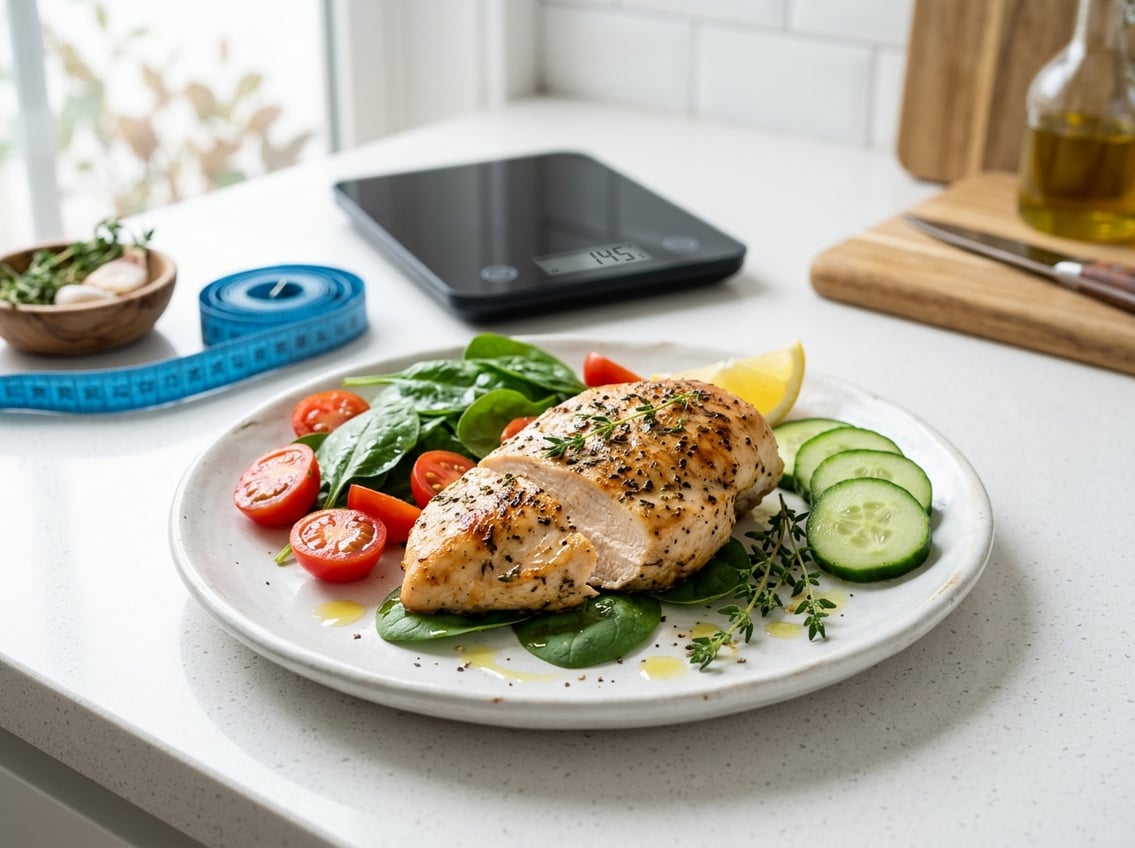
What matters most is your total intake, your portion size, and how you prepare the chicken. Skinless chicken breast is usually a lean protein choice, so it often helps with weight loss when it replaces higher-calorie foods.
The calorie content of chicken changes a lot with skin, cooking method, and added ingredients. A plain chicken breast is very different from fried chicken or chicken covered in creamy sauce.
What Actually Determines Fat Gain
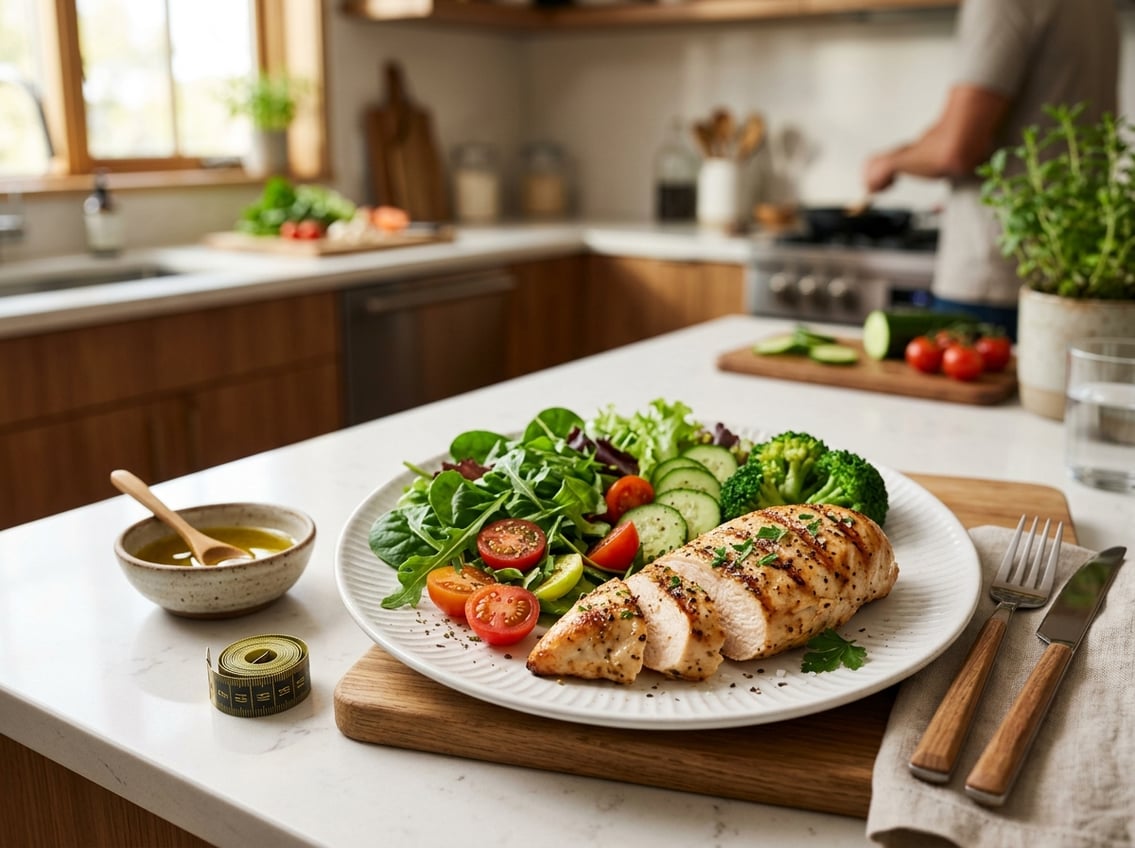
Energy balance determines fat gain, not a single food. How much chicken breast you eat and what else is on your plate affects whether it supports weight loss or weight gain.
Calorie Surplus vs. Calorie Deficit
You gain body fat when you eat in a calorie surplus, which means you take in more energy than you burn. You lose weight when you stay in a calorie deficit.
Chicken breast can fit either pattern. Even a lean food adds calories, so large servings can still push you past your daily needs.
Why Chicken Breast Is Usually a Lean Protein Choice
Most of the calories in skinless chicken breast come from protein, not fat. It is also lower in fat than many red meats and darker chicken cuts, according to Chicken Breast Nutrition Facts.
A lean protein like chicken breast can help you preserve muscle mass during weight loss. More muscle helps support a healthier metabolism and better body composition over time.
How Satiety and Protein Intake Affect Appetite
Protein fills you up more than many refined carbs and fats. Chicken breast often helps with satiety, which can make it easier to stay in a calorie deficit.
When your meals have enough protein, you may feel less urge to snack later.
When Chicken Breast Can Become Higher in Calories
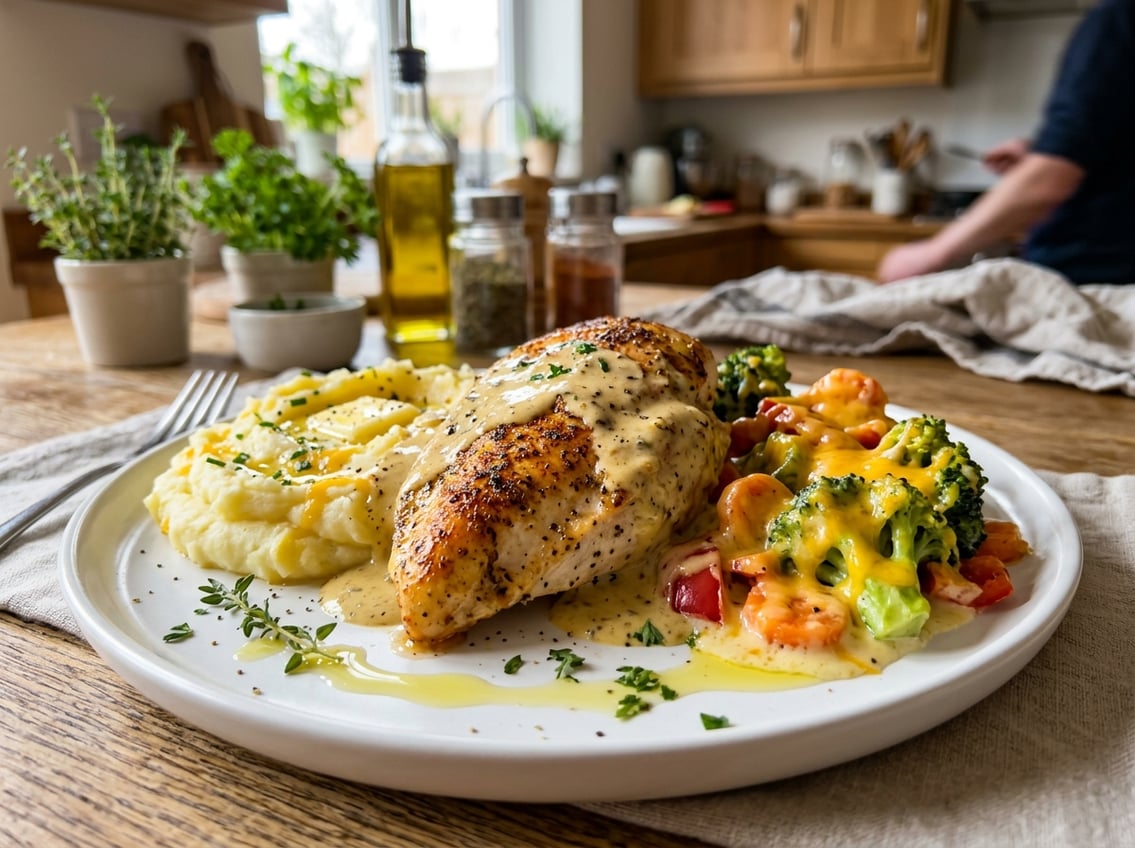
Chicken breast starts out lean, then calories rise fast when portions grow or the cooking style changes. The meat itself is only part of the total calorie count.
Portion Sizes and Portion Control
Portion sizes matter because many chicken breasts are much larger than a standard serving. A large piece can easily double the calories you expect, even if it looks like one serving.
Good portion control helps you keep chicken breast useful for weight loss. If you are not measuring, it is easy to eat more than you planned.
Cooking Methods That Raise or Lower Energy Intake
Grilled chicken breast is usually a lower-calorie choice because it does not need much added fat. Skinless chicken breast also stays lower in calories than skin-on versions, according to nutrition facts for chicken breast.
Frying, breading, and pan-cooking in lots of oil all raise energy intake. Those changes can turn a lean food into a much richer meal.
Added Ingredients Like Oils, Breading, Sauces, and Marinades
Added ingredients often make the biggest difference. Oils, butter, breading, cheese, and creamy sauces can add far more calories than the chicken itself.
Sweet glazes and heavy marinades can also increase total intake. Overconsumption of chicken usually comes from these extras, not from plain chicken breast alone.
How to Include Chicken Breast in a Balanced Diet
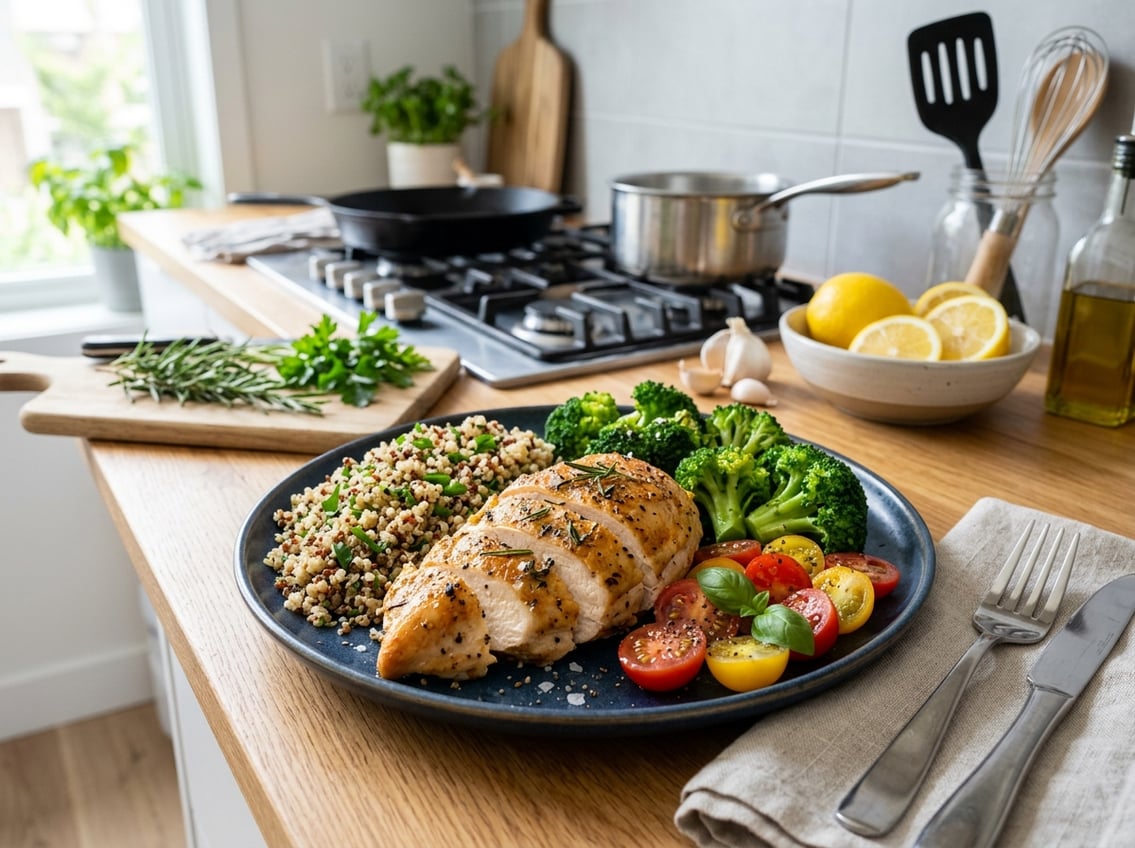
Chicken breast works best when it is part of a balanced diet, not the whole meal plan. Pairing it with fiber-rich foods and reasonable fats helps you stay full without pushing calories too high.
Pairing It With Vegetables and Whole Grains
Vegetables and whole grains help round out the meal with fiber, vitamins, and steady energy. A plate with chicken breast, broccoli, brown rice, or quinoa is usually more balanced than chicken alone.
This kind of meal supports weight loss because it feels complete without relying on heavy sauces or fried sides.
Choosing Healthy Fats Without Overdoing Calories
Healthy fats can fit well in your diet, but they still add calories. A small amount of avocado, olive oil, nuts, or seeds can improve taste and satiety.
The key is portion control. Too much added fat can erase the calorie advantage of chicken breast.
When Tofu or Other Proteins May Fit Better
Chicken breast is not the only strong protein choice. Tofu, beans, fish, eggs, and Greek yogurt may fit better if you want more variety or need a plant-based option.
If you are trying to lower calories, swap among protein sources based on your meals, preferences, and hunger level.
Nutrition Benefits and Common Misunderstandings

People often call chicken breast “diet food” without context. It is more accurate to say that it is a lean, high-protein food with useful nutrients and a calorie count that still matters.
Protein, Niacin, Vitamin B6, and Selenium
Chicken breast gives you a strong amount of protein, which supports muscle repair and fullness. It also provides niacin, vitamin B6, and selenium, according to a review of will chicken make you gain weight.
Those nutrients make chicken breast more than just a protein source. It can support normal energy use and overall nutrition when you eat it as part of a varied diet.
Skinless Breast vs. Other Cuts
Skinless chicken breast is one of the leanest common chicken options. Dark meat, skin-on pieces, wings, and fried cuts usually contain more fat and more calories.
That is why skinless chicken breast is often a better fit for weight loss. It gives you protein with fewer calories than many other chicken choices.
The Difference Between Eating Chicken and Gaining Fat
Eating chicken does not automatically make you fat.
You gain fat when you eat more calories than your body needs over time.
Your overall meal pattern matters more than eating chicken.
If you keep portions reasonable and prepare chicken simply, chicken breast usually serves as a helpful lean protein.


