
Why Are They Called Chicken Breasts? Meaning and Cut
You may hear why are they called chicken breasts and think it is just kitchen slang. The name actually points to a real cut from the front of the bird.
In everyday food language, “breast” is the standard term for the large white-meat section that cooks and shoppers recognize.
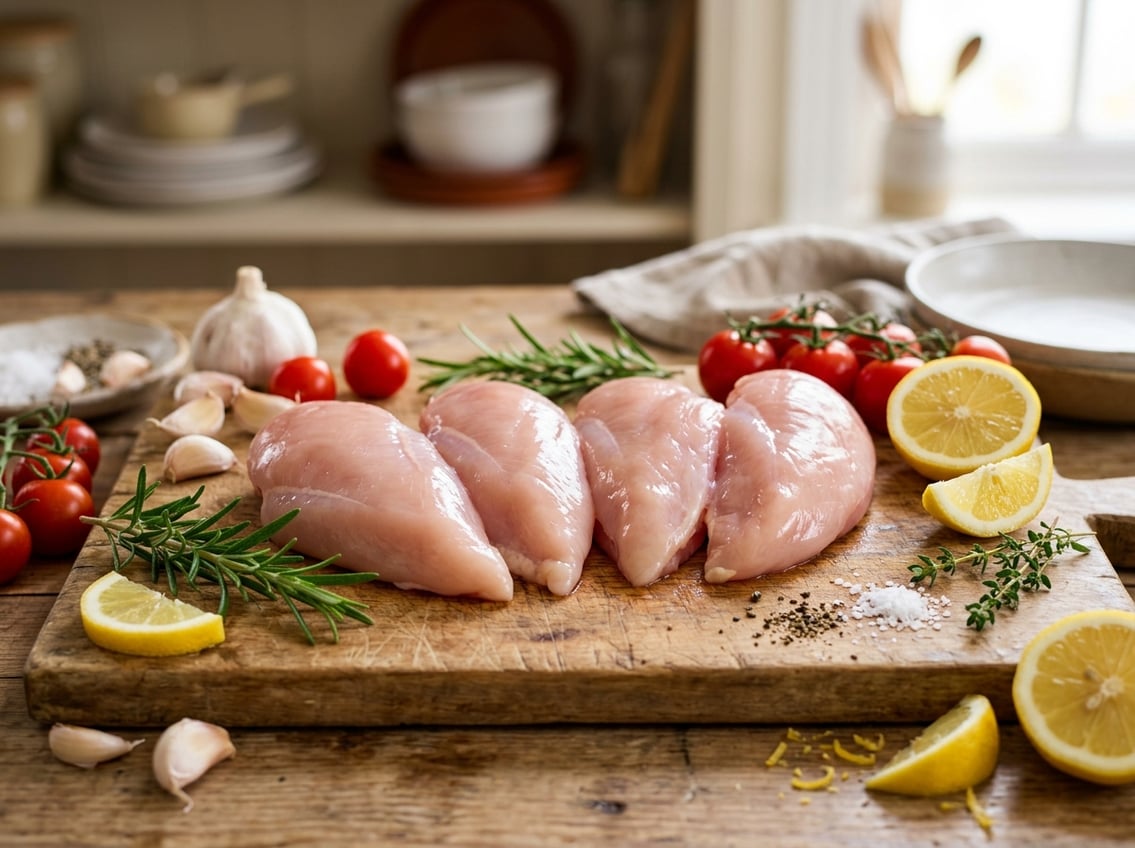
A butcher takes the chicken breast from the bird’s chest area, and the name comes from cooking language, not mammal anatomy. When you buy a boneless or skinless chicken breast in a U.S. grocery store, you usually get one half of that main cut.
What The Name Refers To
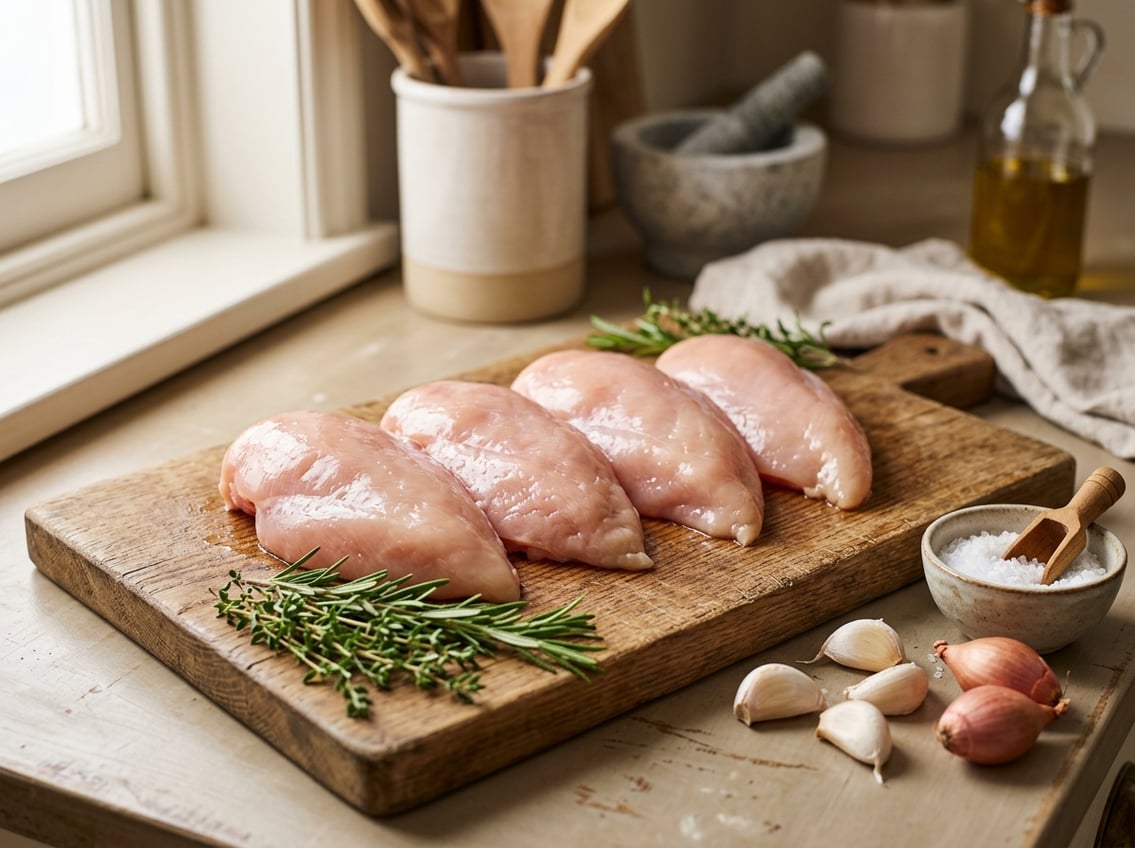
The name chicken breast describes the meaty front portion of the bird, which is part of the white meat most people cook at home. In food terms, the chicken breast is the large portion you see sold fresh, frozen, boneless, or skinless.
The word choice can seem odd because people also say “chest” for that same area on the bird. In poultry, “breast” is the common market and kitchen term, while “chest” sounds more like anatomy talk.
Why The Cut Is Called Breast Instead Of Chest
In cooking, “breast” is the familiar label for the front meat of poultry. The term matches long-standing food language, just as people say drumstick for the leg and wing for the wing section.
The name chicken breast does not come from human anatomy. Instead, it tells you which meat you are buying, much like “thigh” or “wing” does for other chicken pieces.
The Difference Between Everyday Food Language And Anatomy
Everyday food words often simplify animal anatomy. In a grocery store, people want a clear label that shows where the meat comes from and how it cooks, not a technical muscle name.
That is why chicken meat gets grouped into easy terms like breast, thigh, and wing. The breast is the chicken’s chest area, and the term points to the meat on the front of the bird.
How A Whole Breast Becomes Two Breast Halves
A whole chicken has one breast area with two sides, and butchers often sell them as two breast halves. During butchering, someone splits that large section down the center, which is why you usually see two separate chicken breasts in the store.
A package may list “breasts” even though the bird has one breast region. In retail meat language, each half is sold as its own piece.
Where The Cut Comes From On The Bird
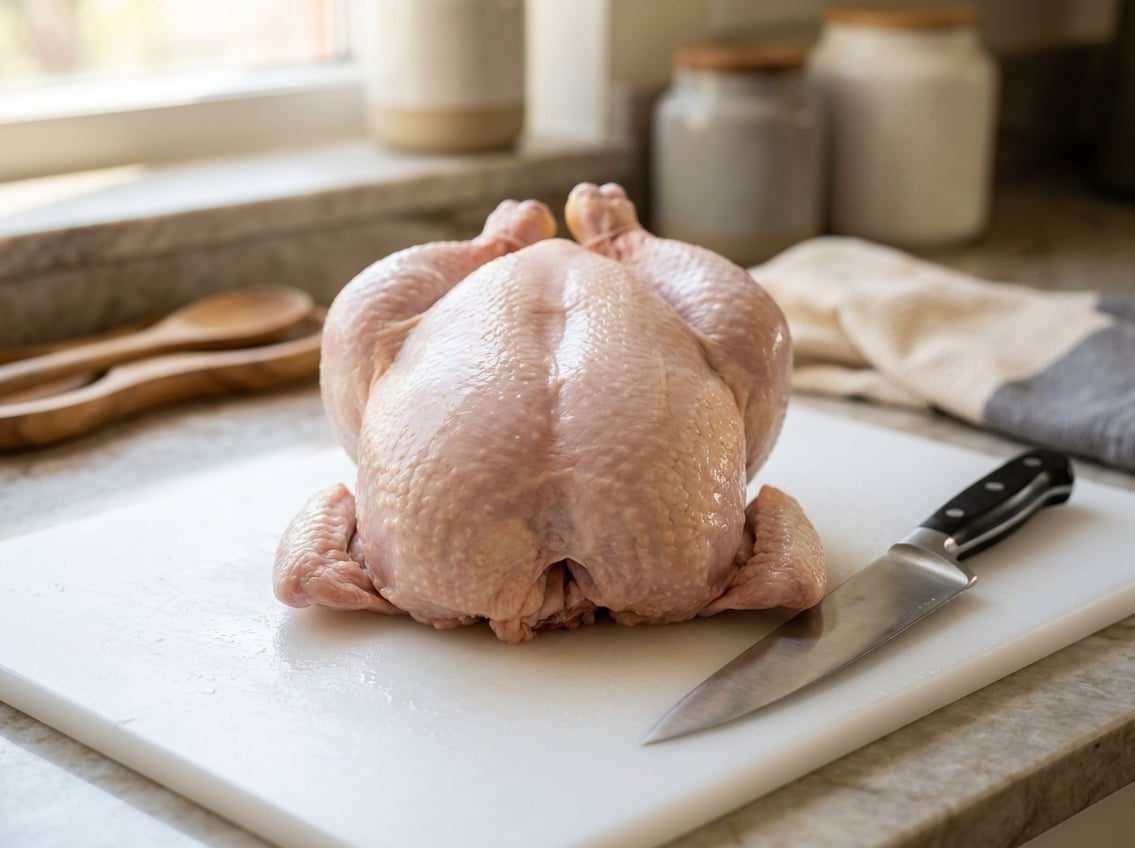
The meat you call a chicken breast comes from the large chest muscles on the bird. These muscles do most of the work for wing movement, which makes the cut sizable and widely sold.
A chicken breast can be sold bone-in, boneless, or skinless. The choice changes how you cook it, not where it comes from on the bird.
The Pectoral Muscle And Pectoralis Major
The main breast meat comes from the pectoral muscle, especially the pectoralis major. This muscle group sits on the front of the chicken.
Birds rely on these muscles for wing movement, so the breast area is substantial. That is why chicken breasts are often the biggest white-meat cut on the bird.
How Chicken Tenderloin Relates To The Main Breast Meat
Chicken tenderloin, or chicken tender, is a smaller strip of meat tucked beneath the breast. It sits close to the breastbone and is separate from the main breast muscle.
A tenderloin is more narrow and naturally tender, which is why stores often sell it apart from the larger boneless chicken breast. The tenderloin is a distinct cut from the underside of the breast.
Bone-In, Boneless, And Skinless Versions
A bone-in breast keeps the rib or breastbone attached. Boneless chicken breast has that bone removed for easier cooking.
Skinless chicken breast has the outer skin taken off, which lowers added fat from the skin. These versions all come from the same area, and the label tells you how much processing has been done before the meat reaches your kitchen.
How It Differs From Other Common Cuts
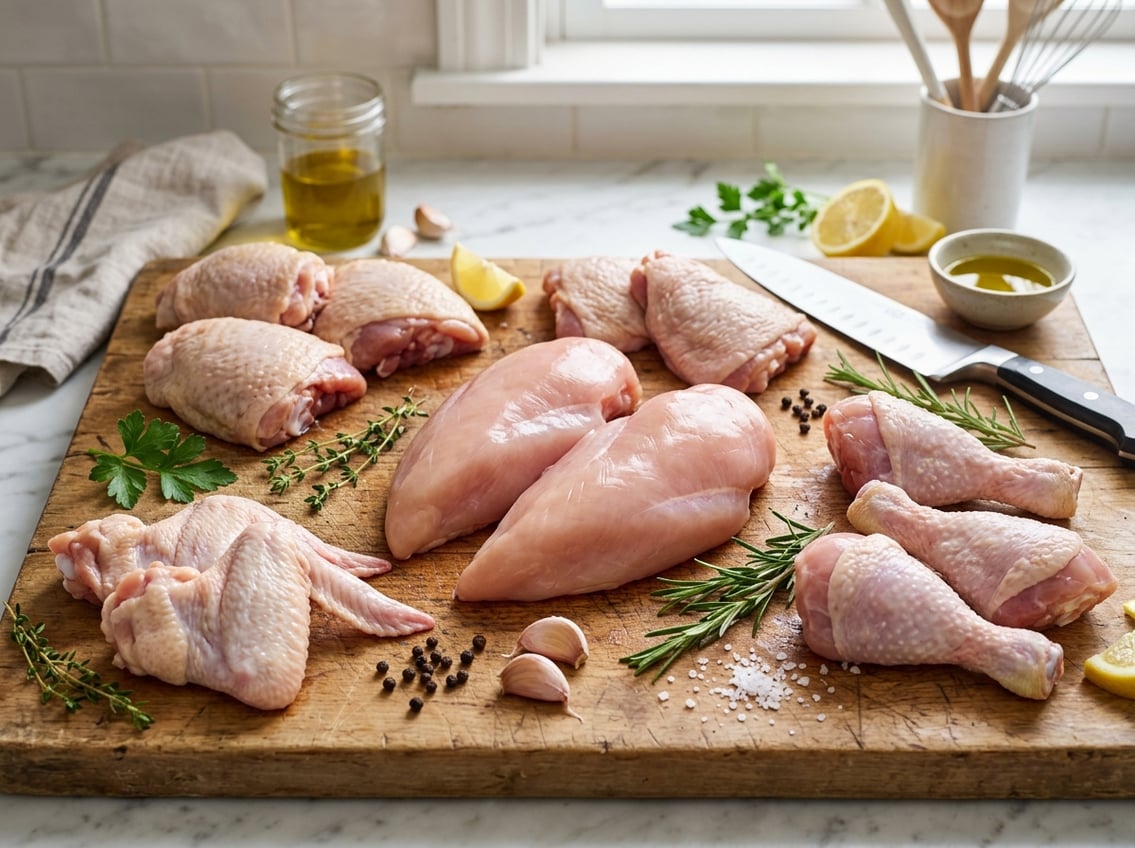
Chicken breasts are just one of several common chicken pieces. They cook differently from darker cuts.
The main differences are flavor, fat, texture, and how quickly each cut dries out or stays juicy. Chicken cutlets, chicken tenders, and tenderloins can sound similar, yet they are not the same cut.
The name usually tells you whether you are getting the whole breast, a thin sliced piece, or the smaller tender strip.
Chicken Breast Vs Thighs, Wings, And Other Chicken Pieces
Chicken breast is white meat and usually leaner than thighs or wings. Thighs are darker, often richer in flavor, and more forgiving if you cook them a little longer.
Wings are smaller and are usually used for crisp, snack-style dishes. Drumsticks and thighs have more fat and connective tissue than breast meat.
Chicken Cutlets, Tenders, And Tenderloins Explained
Chicken cutlets are usually chicken breast that someone has sliced thinner or pounded flat. That helps them cook faster and more evenly.
Chicken tenders and chicken tenderloins are different from cutlets. Tenders come from the smaller tenderloin area beneath the breast, while cutlets are still breast meat that has been shaped for faster cooking.
Why White Meat Is Seen As A Lean Protein Option
Chicken breast is widely viewed as a lean protein because it has less fat than many other cuts. That is one reason it appears in meal plans for people who want a lighter option.
Breast meat is commonly chosen for its lower fat content and high protein. That makes it a common choice when you want a simple, versatile white-meat cut.
Why This Cut Shows Up In So Many Recipes
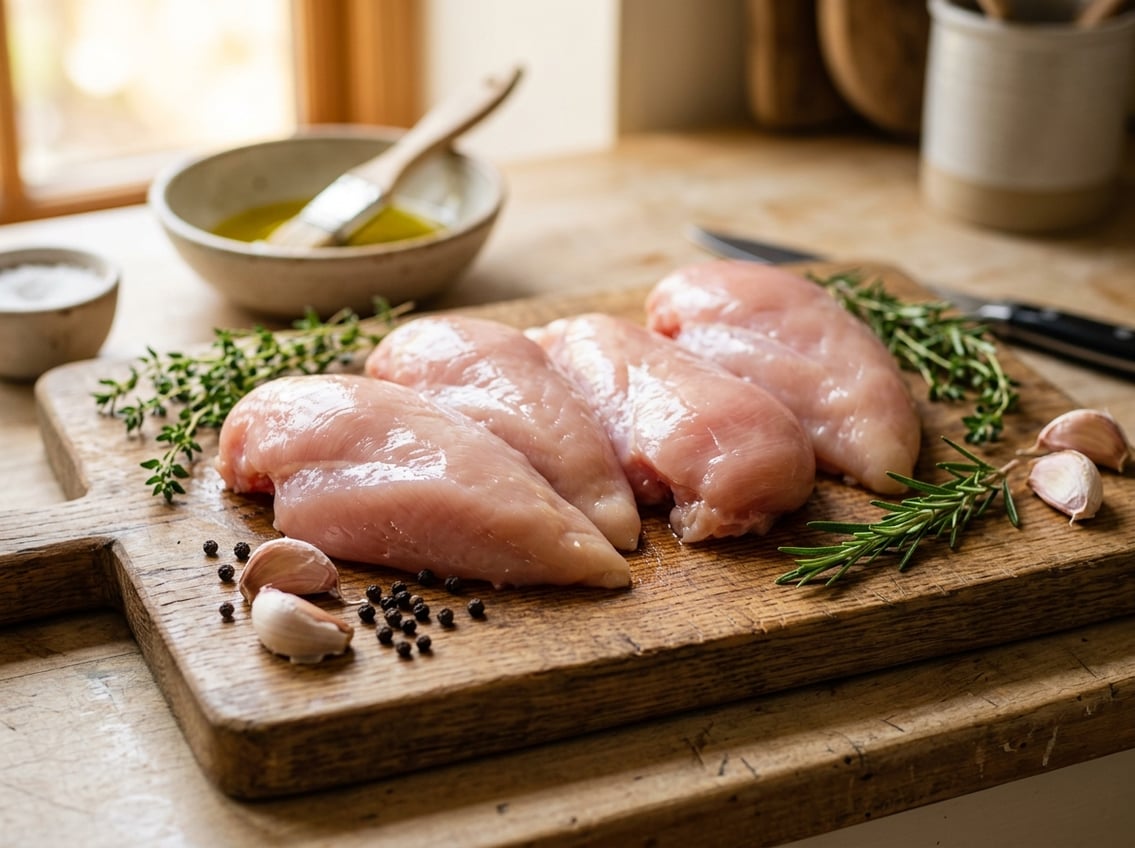
Chicken breasts fit many cooking styles because they are mild, easy to portion, and fast to season. You can grill them, bake them, slice them into salads, or turn them into breaded main dishes.
The main challenge is keeping them juicy, since lean meat dries out faster than darker cuts. If you cook them with care, they work in a wide range of chicken breast recipes.
Popular Cooking Methods For Everyday Meals
You can use chicken breast for grilling, baking, pan-searing, or poaching. Grilled chicken and grilled chicken breast are common for quick dinners, meal prep, and sandwiches.
Seasoned versions like grilled chicken breast with herbs or simple baked chicken also work well because the flavor of the meat stays mild. That mild taste helps the cut fit many sauces and spice blends.
How To Keep It Juicy And Cook It Safely To 165°F
The safest target for chicken breast is 165°F at the thickest point. A thermometer gives you a clearer result than guessing by color or time alone.
To keep it juicy, avoid overcooking and let the meat rest for a few minutes after cooking. Thin cuts cook faster, so watch them closely during grilling or pan-frying.
Common Dishes That Use This Cut
Chicken breast appears in dishes like chicken salad and grilled chicken salad.
Cooks use it in chicken parmesan, chicken tikka masala, chicken katsu, and chicken curry.
It also works well in fried chicken when the breading and cooking method add moisture and texture.
These dishes use the breast’s mild flavor and easy shape.


