
Is It Chicken Breast or Chest? The Real Difference
Is it chicken breast or chest? In everyday cooking, people usually mean the same general area of the bird, but the terms are not exact twins.
Chicken breast is the specific meat cut from the front of the bird. Chicken chest is a broader, less precise term that can point to the whole chest area.
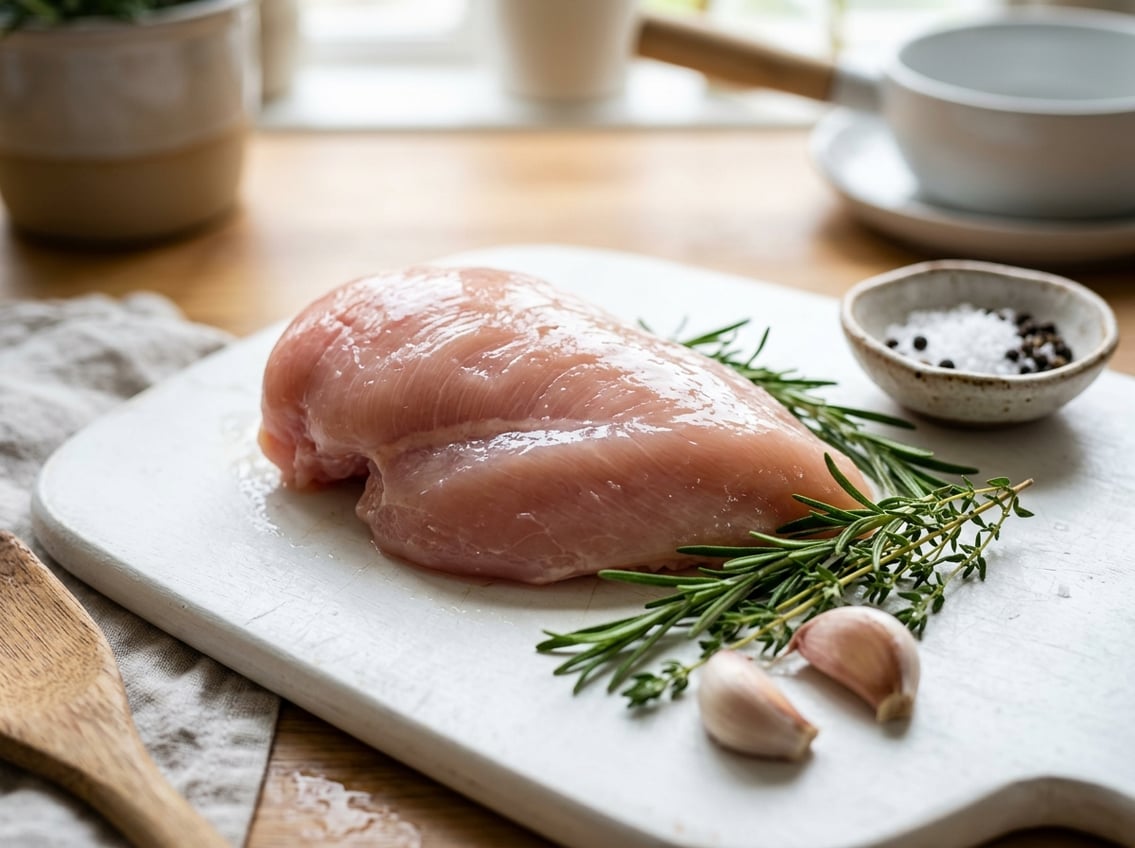
When you read a recipe or shop at the store, you will see “breast” most often. “Chest” may appear as casual language, a broader anatomical label, or even a medical phrase depending on context.
The Direct Answer

The difference between chicken breast and chicken chest comes down to specificity. Chicken breast is the lean meat on the front of the bird, while chicken chest can refer to the wider anatomical area that includes the breast, bone, cartilage, and nearby structures.
When The Terms Mean The Same Thing
In casual cooking, people often use the terms the same way. If someone says “chicken chest,” they usually mean the breast meat, not a separate cut.
When Chest Refers To The Wider Anatomical Area
In chicken anatomy, the chest is the front body area that holds the breast muscles, breastbone, and keel bone. The term “chest” is broader than “breast.”
The breast is the meat you cook. The chest is the whole region that contains that meat.
Why Butchers And Recipes Use Breast
Butchers and recipes use “breast” because it is clear and familiar. A label like “chicken breast” tells you exactly which part you are buying.
That matches how the cut appears in practical cooking guides, where the breast is the lean white meat from the front of the bird, according to My Kitchen Gallery.
What Part Of The Bird Each Term Refers To
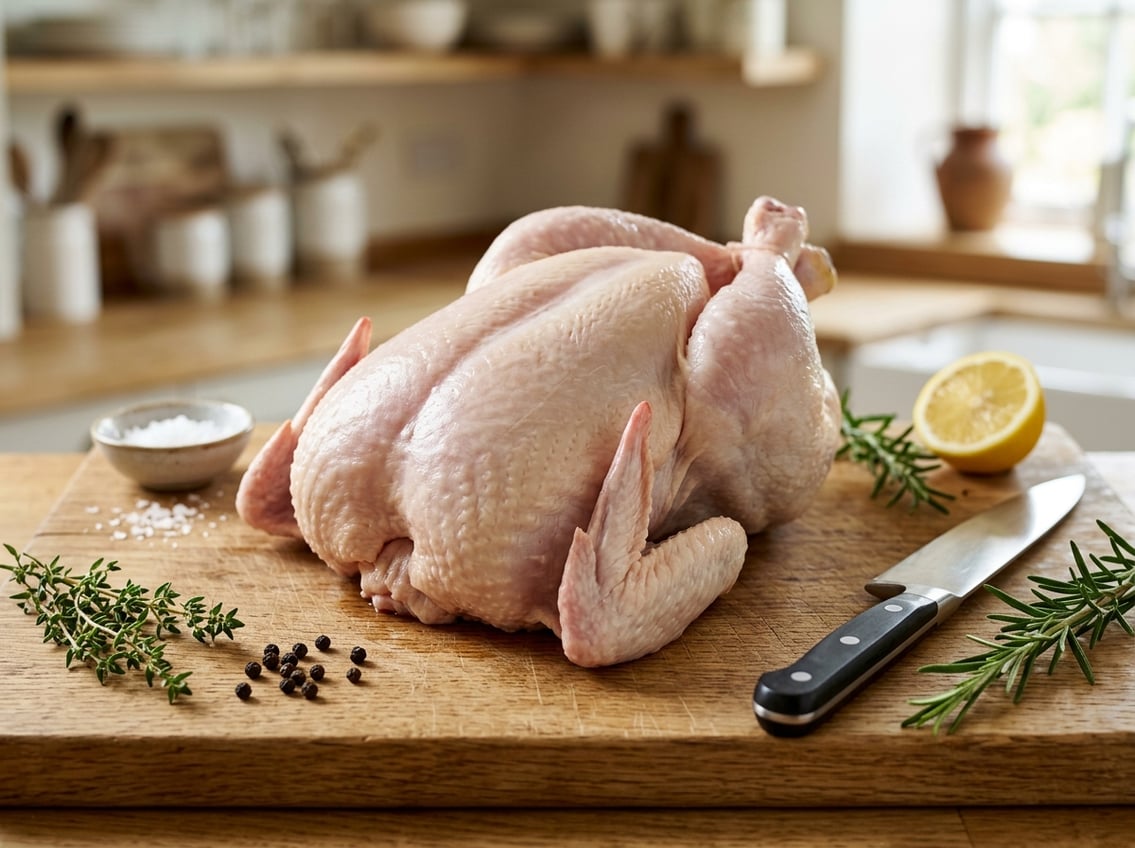
The breast comes from the large pectoral muscles on each side of the sternum. The chest area also includes bone, connective tissue, and other structures not part of the boneless cut you usually cook.
Breast Meat, Tenderloin, And Pectoral Muscles
Chicken breast is mainly the pectoralis major, the large muscle that gives you the main breast cut. A smaller strip of meat underneath is often called the tenderloin or tender.
Chicken tenders sold in stores may come from that tenderloin or from cuts shaped for easy cooking. They are still part of the breast area.
The Role Of The Sternum, Ribs, And Connective Structures
The sternum, or breastbone, runs down the center of the bird. The keel bone is the prominent ridge on that bone and helps anchor the breast muscles.
If you buy breast with ribs, you get a less trimmed piece that still includes some bone and connective tissue. Collagen and other connective structures can affect texture, especially when the cut is cooked with the bone in.
How Breast Compares With Thigh And Drumstick
Chicken breast is white meat and is usually leaner than thigh or drumstick meat. Chicken thigh and drumstick are both darker, richer cuts with more fat and stronger flavor.
The shape and function of these parts are different, which is why their texture and taste differ.
What This Means In The Kitchen And At The Store

At the store, labels matter more than casual speech. If you want a standard lean cut for cooking chicken breast, look for packages marked breast, boneless breast, or skinless breast.
How Chicken Breast Is Sold And Labeled
Stores sell chicken breast as boneless, skinless pieces, split breasts, cutlets, or tenders. You may also see breast with ribs attached, which gives you a less trimmed option.
That naming is useful because “chest” does not tell you whether the meat is boneless, trimmed, or attached to bone. Store labels are meant to be specific.
Best Culinary Uses For Breast Versus Bony Chest Parts
Chicken breast works well for grilling, sautéing, baking, stir-fries, salads, and sandwiches. It is a lean cut, so careful timing matters when cooking chicken breast.
Bony chest parts, such as breast with ribs or a whole split breast, are better when you want more flavor from bone and connective tissue. They can also work well in roasting and braising.
Nutrition Differences Between Lean White Meat And Darker Cuts
Chicken breast is a strong protein source and is usually lower in fat than thigh or drumstick. It is often chosen for its nutritional profile, including protein plus nutrients like niacin, vitamin B6, and selenium.
Dark meat cuts such as thigh and drumstick are still nutritious and may offer more richness and moisture. Gizzard and liver are different poultry parts with their own taste, texture, and nutrient profile.
Why The Phrase Can Also Mean A Medical Condition

Outside of food, “chicken chest” can point to a chest shape condition. In medical language, that usually refers to pectus carinatum, where the sternum and breastbone stick out more than usual.
How Pectus Carinatum Relates To The Term Chicken Chest
Pectus carinatum is sometimes called pigeon chest or pigeon breast. Another term you may see is chondrogladiolar prominence, which describes a specific form of the condition.
The phrase “chicken chest” is a casual nickname, not a poultry term. It has nothing to do with the meat you buy or cook.
Other Names Readers May See In Search Results
Search results may use pectus carinatum, pigeon chest, pigeon breast, or chicken breast as medical nicknames. These terms all refer to chest protrusion, not chicken anatomy.
Because search terms overlap, it is easy to land on a food article when you meant a medical one, or the reverse.
Why This Medical Meaning Is Different From Poultry Terminology
In medicine, the phrase describes the shape of the human chest and the position of the sternum.
In poultry, breast means the meat on the front of the bird.


