
Why Does Chicken Breast Taste Rubbery? Causes and Fixes
Chicken breast often tastes rubbery because the meat loses too much moisture, cooks unevenly, or starts with a texture issue. Since chicken breast is lean, it turns firm, springy, or chewy if you miss the right temperature.
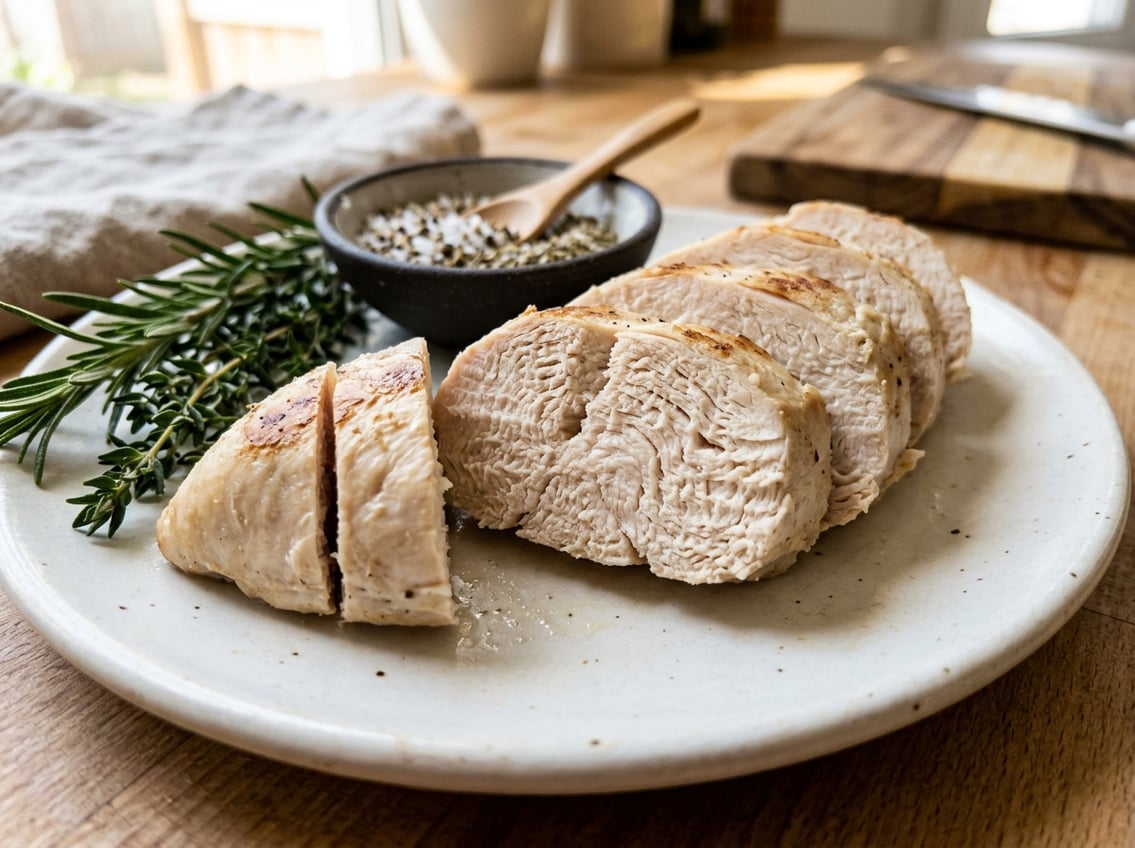
You can usually fix rubbery chicken by cooking it to the right temperature, handling thick pieces evenly, and choosing better chicken at the store.
You can save a tough batch by slicing it thin, adding sauce, or using it in a moist dish.
What Usually Causes a Tough, Chewy Bite
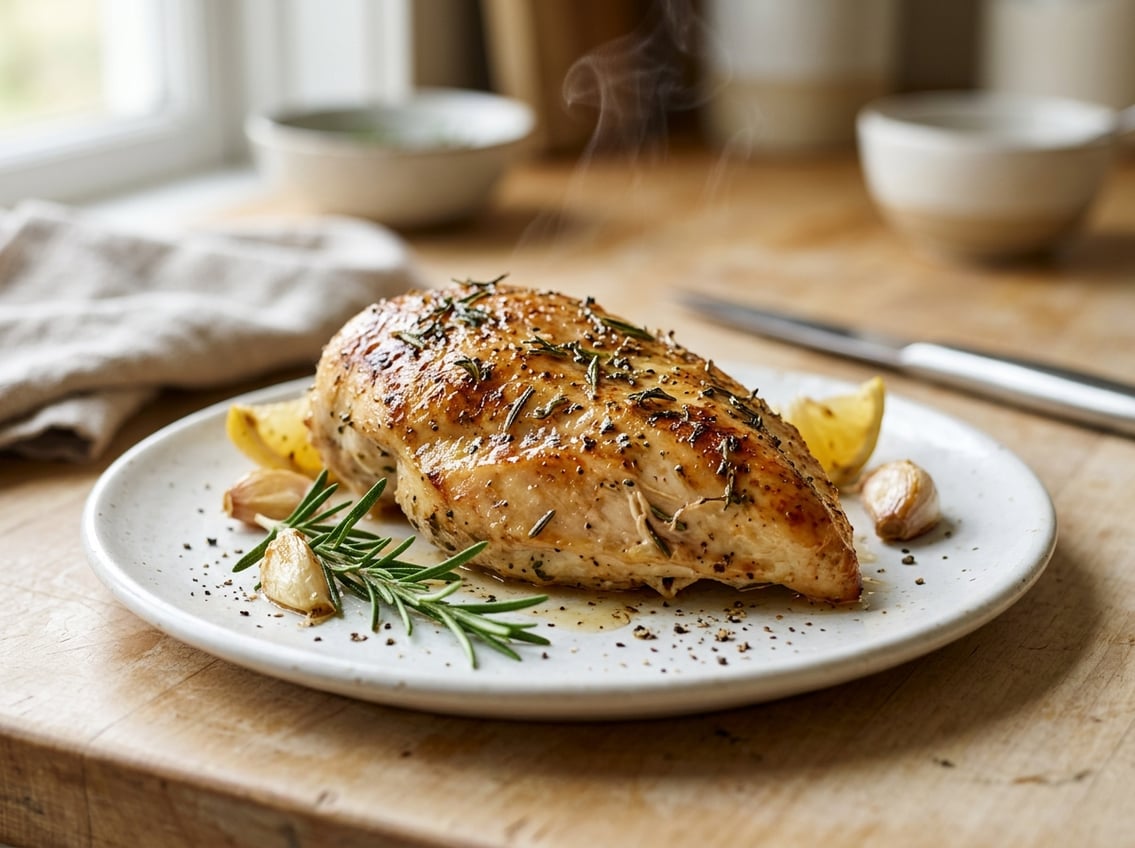
Moisture loss, uneven cooking, or a texture problem in the meat causes a rubbery bite. This issue can start before you cook or happen during cooking.
Overcooking Dries Out Lean Breast Meat
Overcooked chicken often turns rubbery. When you cook the meat too long, it loses moisture and the proteins tighten until the texture feels dry and elastic.
If you use high heat, the outside may finish first while the inside keeps drying out, which leaves you with a tough bite.
Undercooked Chicken Can Feel Slick and Springy
Undercooked chicken can also feel rubbery, but the texture is different from dry, overcooked meat. It may seem shiny, springy, or slick in the center.
This is not just a texture issue. You need to cook chicken to a safe internal temperature before eating it.
Woody Breast and White Striping Change Texture
Some texture problems start with chicken quality. Woody breast means the meat feels unusually hard or chewy because the muscle fibers are dense and tight.
White striped chicken has white lines running through the meat. These visual signs often point to a breast that cooks up with a tougher bite no matter how carefully you cook it.
Chicken Breast Is More Prone to Dryness Than Dark Meat
Chicken breast is leaner than dark meat, so it has less fat to protect it during cooking. That makes it easier to dry out and turn rubbery.
With breast meat, small timing errors matter more.
How to Cook It So It Stays Tender
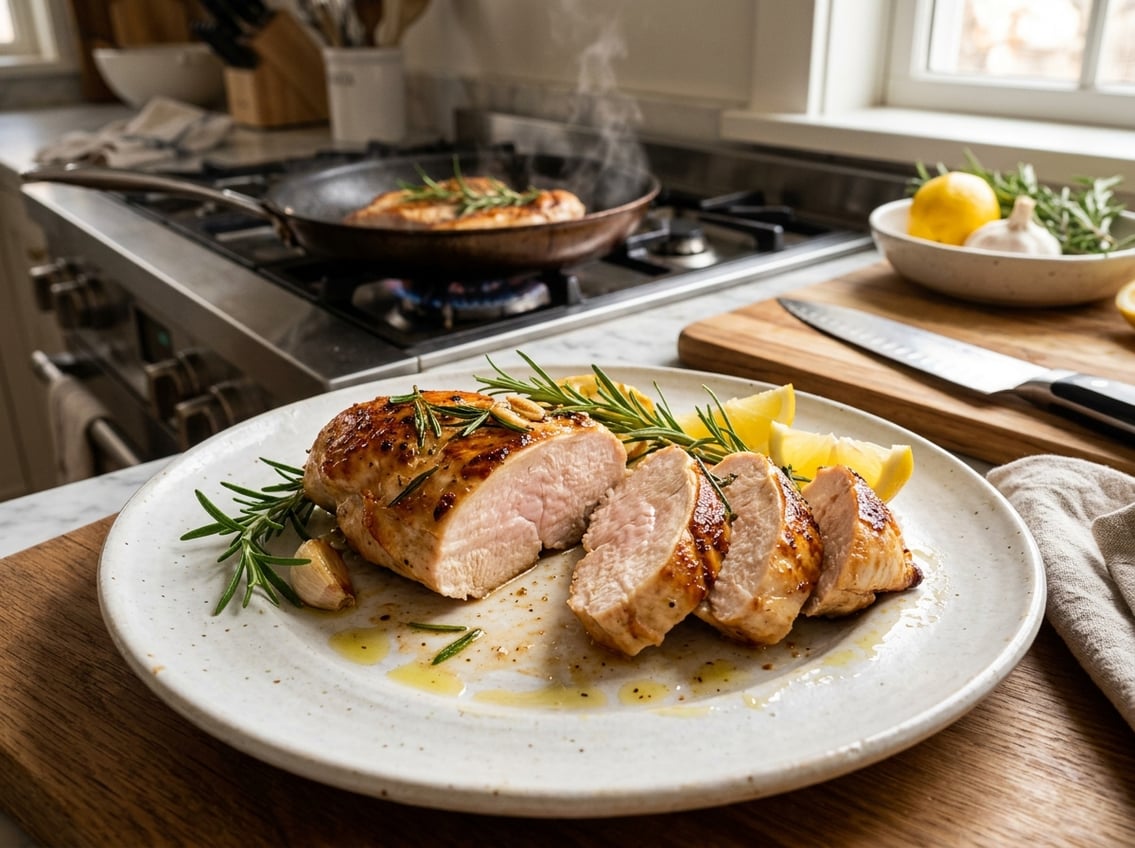
You should cook chicken breast evenly and stop at the right point before it dries out. A few simple habits make a big difference in texture.
Use a Meat Thermometer Instead of Guessing
A meat thermometer removes the guesswork from cooking chicken. It tells you when the thickest part reaches a safe temperature without cutting into the meat.
This helps you prevent rubbery chicken with consistent results.
Aim for 165 Degrees Fahrenheit Without Going Far Beyond It
For chicken breast, aim for 165 degrees Fahrenheit. That temperature is safe and helps you avoid both undercooking and overcooking.
Pull the chicken as soon as it reaches that point, or a little before if it will rest. Carryover heat can raise the temperature after you remove it from the pan or oven.
Flatten Thick Pieces With a Meat Tenderizer
You can use a meat tenderizer to even out thick chicken breasts so they cook at the same speed. When one end is much thicker than the other, the thin part can dry out before the thick part is done.
Pounding the breast to an even thickness helps the meat stay tender.
Brine Chicken Before Cooking for Better Moisture
Brine chicken before cooking if you want extra moisture protection. Brining helps the meat hold on to water during cooking, which supports a juicier texture.
A short brine can help with grilled, baked, or pan-seared chicken breast.
Choose Heat and Timing That Match the Cut
Thin cutlets need less time than large whole breasts. High heat works well for quick searing, while gentler heat helps larger pieces cook through without drying out.
Match your method to the size of the chicken breast and check the temperature early.
What to Look for Before You Even Start Cooking
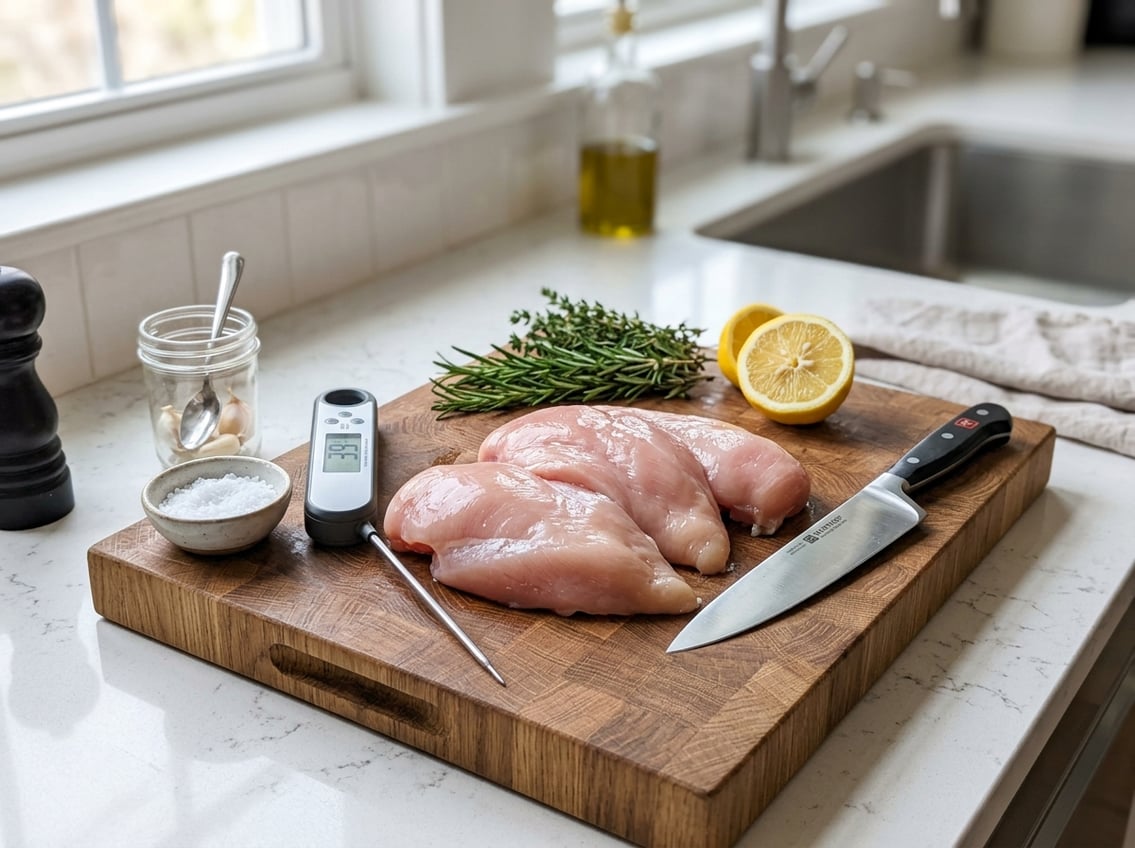
Good results start at the store. The look, size, and texture of the raw meat can give you clues about how it may cook.
How to Spot Better Quality Chicken at the Store
Pay attention to the size and appearance of the breast. Very large chicken breasts can be harder to cook evenly, and uneven meat often dries out on the edges.
Look for pieces that are plump, fairly even, and not heavily marked with white striping. Better chicken quality often leads to better texture on the plate.
When Organic Chicken May Be Worth Considering
Organic chicken may be worth considering if you want options with more careful production standards. Some cooks also prefer slower-growing birds when they are available.
That does not guarantee a perfect result, and not every grocery store has the same choices. Better sourcing can reduce the chance of ending up with a woody or rubbery breast.
Visual Signs That a Breast May Cook Up Tough
Watch for a breast that looks unusually large, pale, or heavily striped. These can be signs of woody breast, which is more likely to feel tough after cooking.
White striped chicken is another sign to notice. If the meat already looks dense or uneven before cooking, it may need extra care or a different cooking method.
How to Save It if It Is Already Rubbery
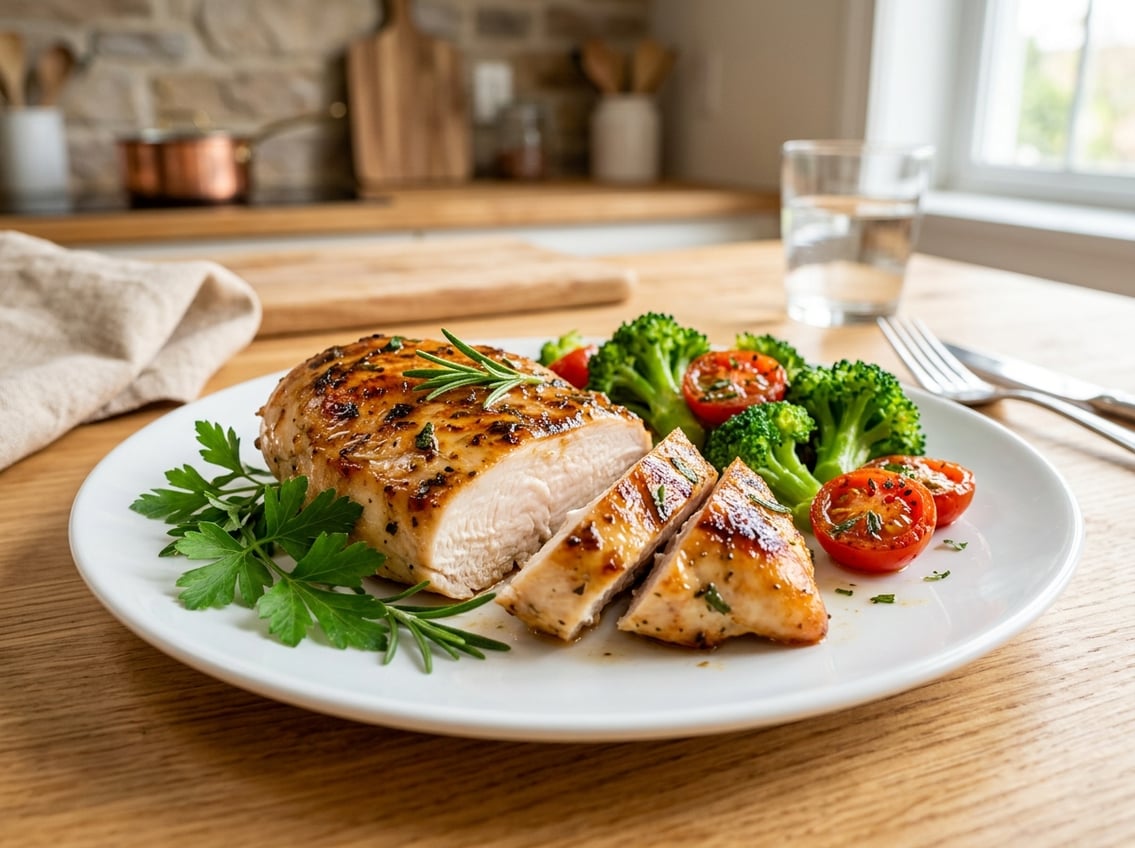
If the chicken is already cooked and too firm, you still have good options. Moisture, slicing, and the right recipe can make it more usable.
When Rubbery Chicken Is Safe to Eat
Rubbery chicken from overcooking is safe to eat, just less pleasant. If it is rubbery because of undercooking, cook it until it reaches a safe internal temperature before serving.
Shred It and Add Moisture Back In
You can rescue rubbery chicken by turning it into shredded chicken. Shredding breaks the meat into smaller pieces, which makes the texture feel less tough.
Mix it with broth, sauce, or dressing to add moisture back in. That works well for chicken salad, chicken soup, and chicken casserole.
Best Ways to Repurpose Tough Chicken in Other Dishes
Recipes that bring back liquid and fat make tough chicken easier to enjoy. Use it in chicken enchiladas, soups, or casseroles where sauce helps soften the bite.
Slice the chicken very thin for sandwiches or wraps. A moist filling hides the rubbery texture better than serving the breast plain.
Shred the chicken and add sauce to improve texture. This method also helps stretch one cooked chicken breast into a full meal.


