
How Much Chicken Breast per Day: Practical Intake Guide
A practical answer for many adults is about 3 to 6 ounces of cooked chicken breast per day, depending on your protein needs, meal pattern, and activity level.
That amount gives you a solid serving of lean protein without crowding out other foods your body also needs.
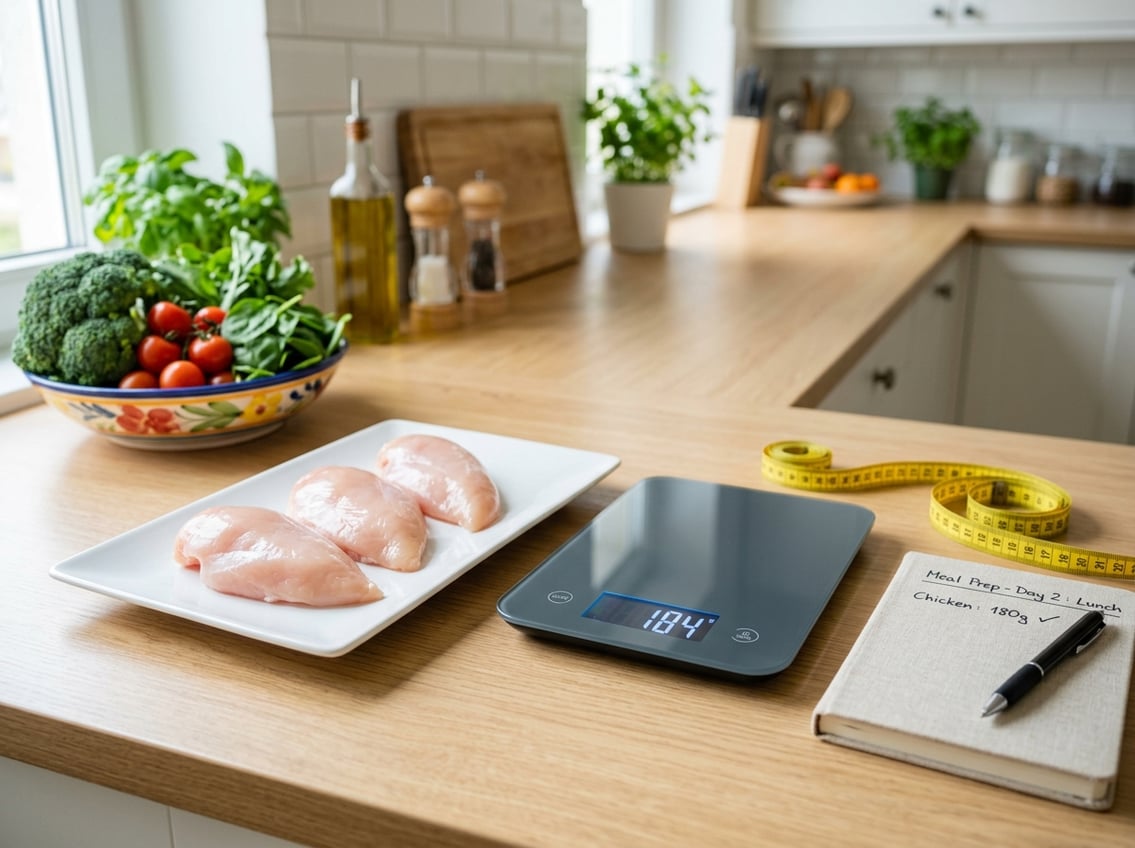
Most adults use chicken breast as one protein serving within a varied day of eating, not as the only protein source.
Chicken breast is high in protein, low in fat, and easy to portion.
A 3-ounce cooked serving is a standard guide, and it helps you estimate how many grams of chicken breast per day fit your goals.
Daily Intake Benchmarks
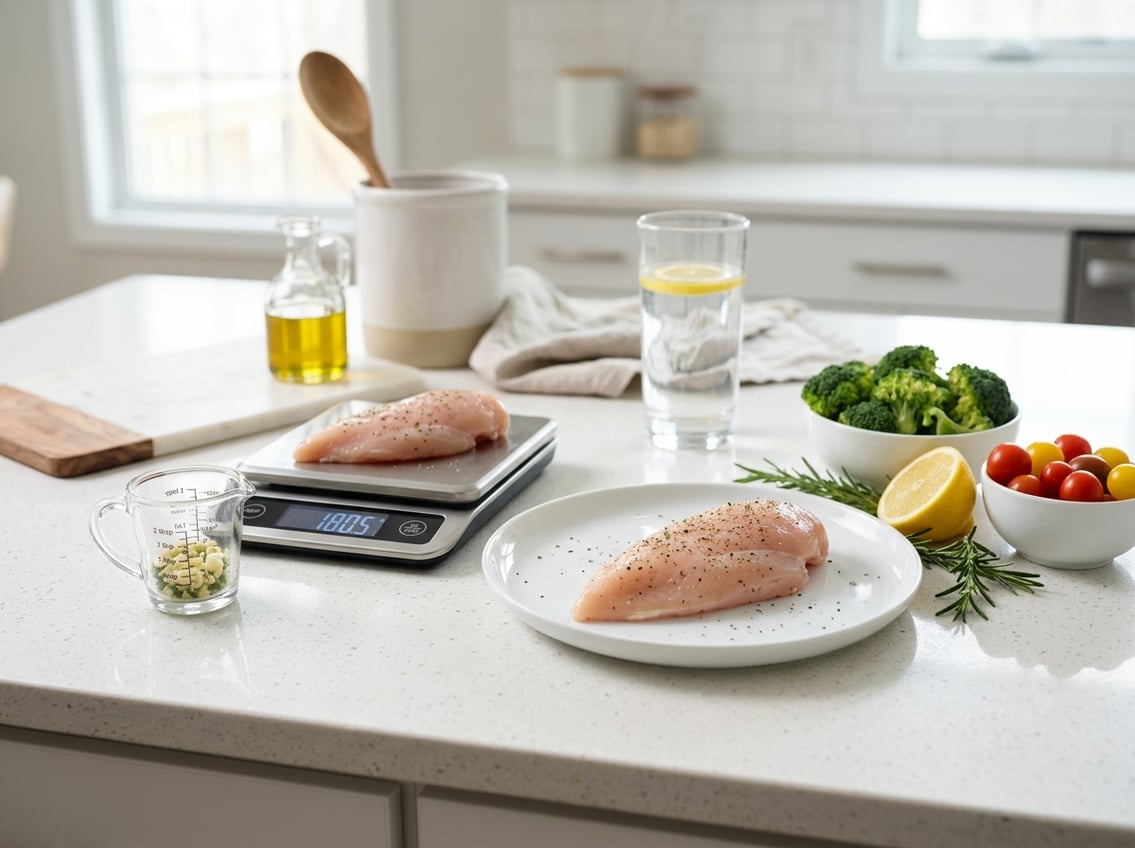
Your daily amount depends on your protein needs, not just on chicken itself.
Measuring portions in ounces or grams makes it easier to stay consistent.
Typical Range for Most Adults
A common target is 3 to 6 ounces of cooked chicken breast per day, especially if you use it as one major protein source in a balanced diet.
That range fits many people who want steady energy, better fullness, and simple meal planning.
The 2020 to 2025 Dietary Guidelines for Americans place adult protein needs around 5 to 5.5 ounces of lean protein daily, according to Healthy Chicken Consumption: How Much To Eat Daily?.
Chicken breast can cover part or all of that target, depending on what else you eat.
What 3 to 6 Ounces Looks Like
Three ounces of cooked chicken breast is about the size of a deck of cards.
Six ounces is roughly two standard servings, which is a larger plate portion for a single meal.
A 3-ounce serving of cooked chicken breast is about 26 grams of protein and around 140 calories, as reported by How Much Chicken Can I Eat Per Day?.
That makes chicken breast a common choice for people who want a filling protein with moderate calories.
Chicken Breast Servings in Grams
If you track food in grams, 3 ounces of cooked chicken breast is about 85 grams.
A 6-ounce serving is about 170 grams.
A simple daily range for many adults is 85 to 170 grams of cooked chicken breast per day, depending on your total protein target.
If you want a rough guide for portions, that range answers how many grams of chicken breast per day without requiring exact calorie tracking.
How Protein Needs Change by Goal
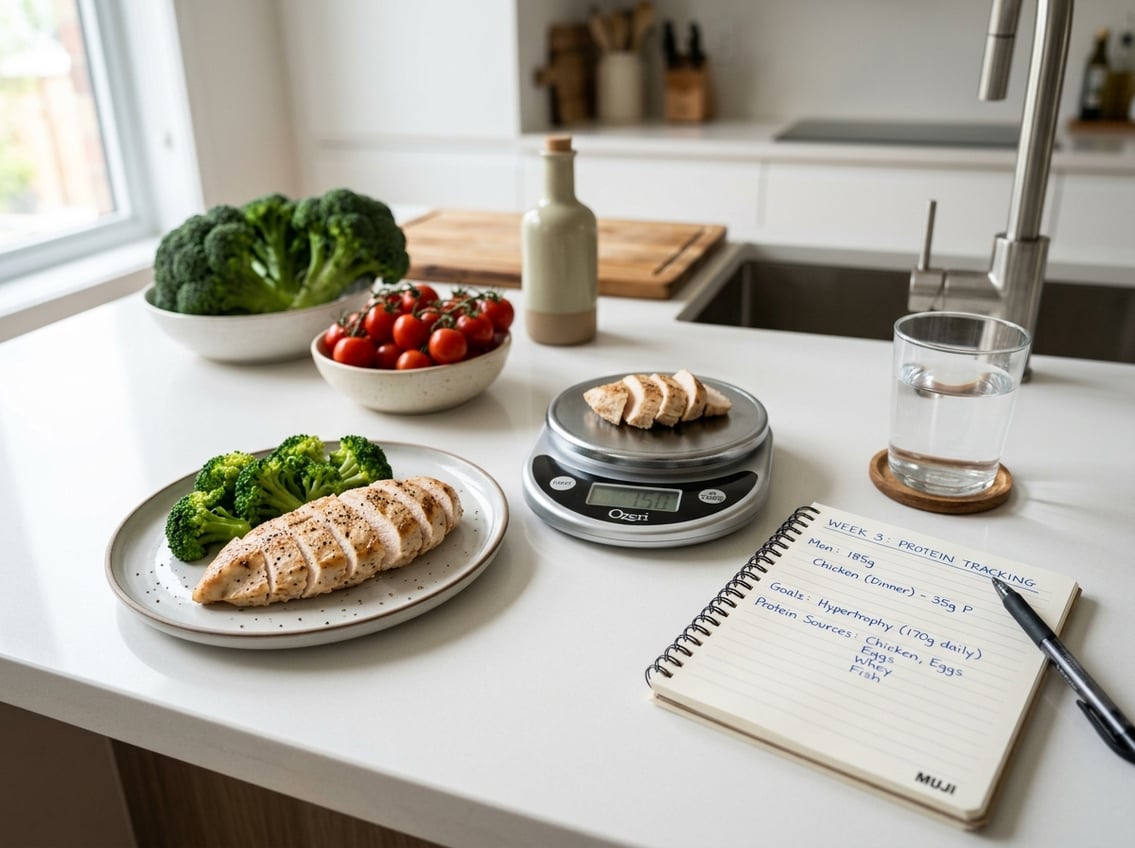
Your protein needs change with your goals, body size, and activity level.
Chicken breast is a useful lean protein, yet the amount you need from it can be different if you are maintaining weight, losing fat, or building muscle.
Maintenance and General Health
If your goal is general health, a moderate amount works well.
Many adults do fine with one to two chicken breast servings across the day, especially when other protein foods are also part of meals.
A 3-ounce serving per meal can be enough for people who eat eggs, yogurt, beans, fish, or tofu at other times.
For this goal, chicken breast per day does not need to be large, as long as your full diet is balanced.
Weight Loss and Fullness
Chicken breast helps with weight loss because it is filling and relatively low in calories.
Protein supports satiety, so a moderate serving can help you feel satisfied longer after a meal.
If you are cutting calories, 3 to 6 ounces per day may be enough, especially when paired with vegetables and high-fiber foods.
Some weight loss meal plans use 1 to 2 chicken breasts per day, as noted by How Many Chicken Breasts Should I Eat a Day to Lose Weight?.
Muscle Gain and Higher Activity
If you train hard, you may need more total protein than a casual exerciser.
A common muscle-building range is about 1.6 to 2.2 grams of protein per kilogram of body weight daily, according to Optimal Chicken Breast Portions For Effective Muscle Gain Strategies.
That does not mean all of it must come from chicken breast.
Larger portions can make sense on training days, especially if you are trying to hit a high protein goal with simple foods.
Building Balanced Meals Around Chicken
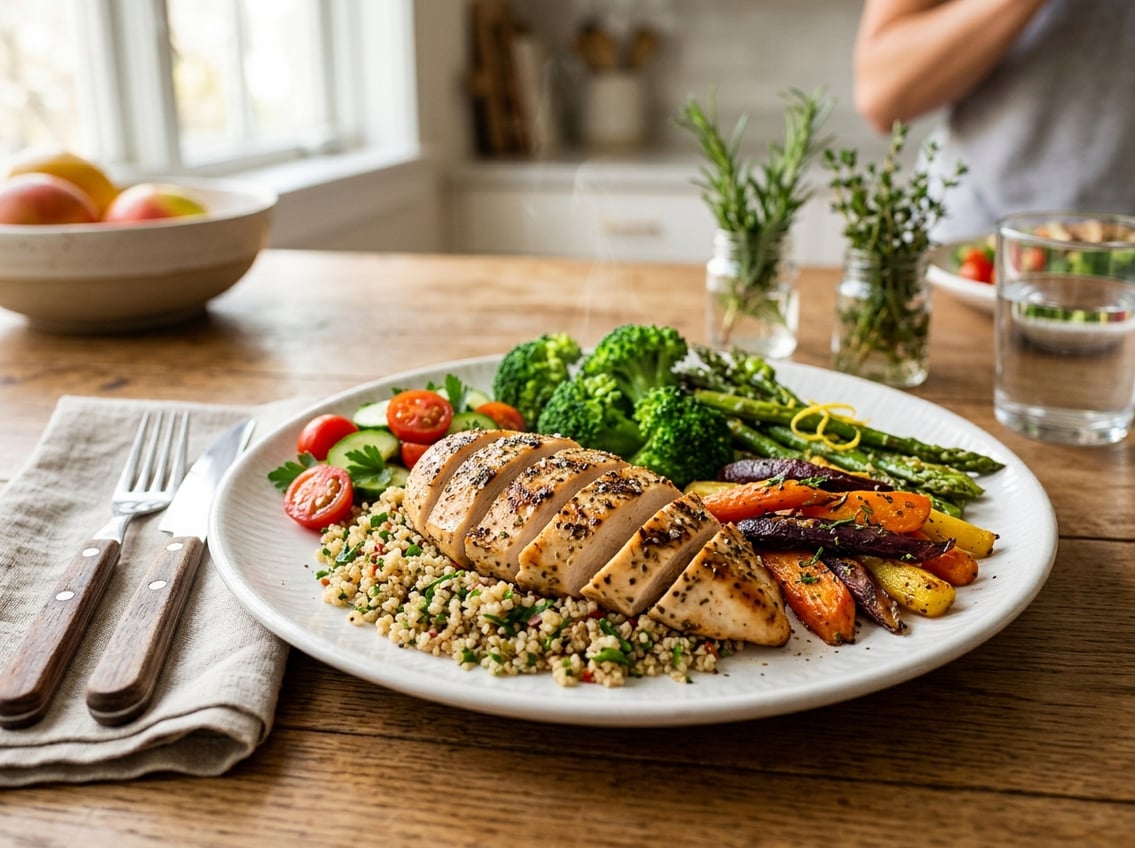
Chicken breast works best as one part of the plate.
Your meal is stronger when you add fiber, color, and healthy carbs or fats around it.
How Much to Eat at One Meal
A single meal often works well with 3 to 4 ounces of chicken breast, especially if you eat protein more than once per day.
If you eat only two meals, each one may need a larger portion.
If you want to estimate grams of chicken breast per day, divide your daily protein target across meals first.
Assign chicken breast to one or two meals instead of forcing all your protein into one sitting.
What to Pair With Chicken Breast
Pair chicken breast with vegetables, whole grains, beans, fruit, or healthy fats.
This helps you get fiber, vitamins, and minerals that chicken does not provide in large amounts.
Good examples include brown rice, roasted potatoes, quinoa, broccoli, salad greens, avocado, and olive oil.
The goal is a plate that supports fullness without relying on chicken alone.
When Eating It Every Day Makes Sense
Eating chicken breast every day can make sense if you need an easy, lean protein and your overall diet stays varied.
It is practical for meal prep, high-protein diets, and busy schedules.
Daily use works best when you rotate other protein foods through the week, such as fish, eggs, beans, Greek yogurt, or tofu.
That keeps your diet more balanced and reduces boredom.
Preparation, Safety, and Limits

How you cook chicken matters as much as how much you eat.
Simple cooking methods support nutrition, while poor food handling or overly frequent high-heat cooking can create problems.
Best Cooking Methods for Nutrition
Baking, grilling, steaming, poaching, and air frying keep chicken breast lean.
These methods avoid adding a lot of extra fat or calories.
Seasoning with herbs, spices, citrus, garlic, or yogurt-based marinades adds flavor without making the meal heavy.
If you want chicken to stay a healthy staple, plain and lightly seasoned cooking usually works best.
Why Grilled Options Are Popular
Grilled chicken breast is popular because it is fast, flavorful, and easy to portion.
It also fits many meal plans where you want a high-protein food with minimal added fat.
Grilling can be a good choice as long as you avoid heavy charring and do not overcook the meat.
You get lean protein in a form that is easy to repeat during the week.
When Too Much Protein May Be a Problem
Eating too much chicken breast can push out other foods from your diet. A very high-protein diet may leave you short on fiber, healthy fats, and important micronutrients from plant foods.
People with kidney disease or gout may need personalized guidance from a clinician. Store raw chicken properly and cook it to a safe internal temperature before eating.


