
Is It Safe to Eat Chicken Breast? What to Know
If you wonder if it is safe to eat chicken breast, the answer is yes, as long as you handle, cook, and store it the right way. Chicken breast is a common, versatile protein that can fit into healthy meals when you cook it to a safe internal temperature and prevent contamination.
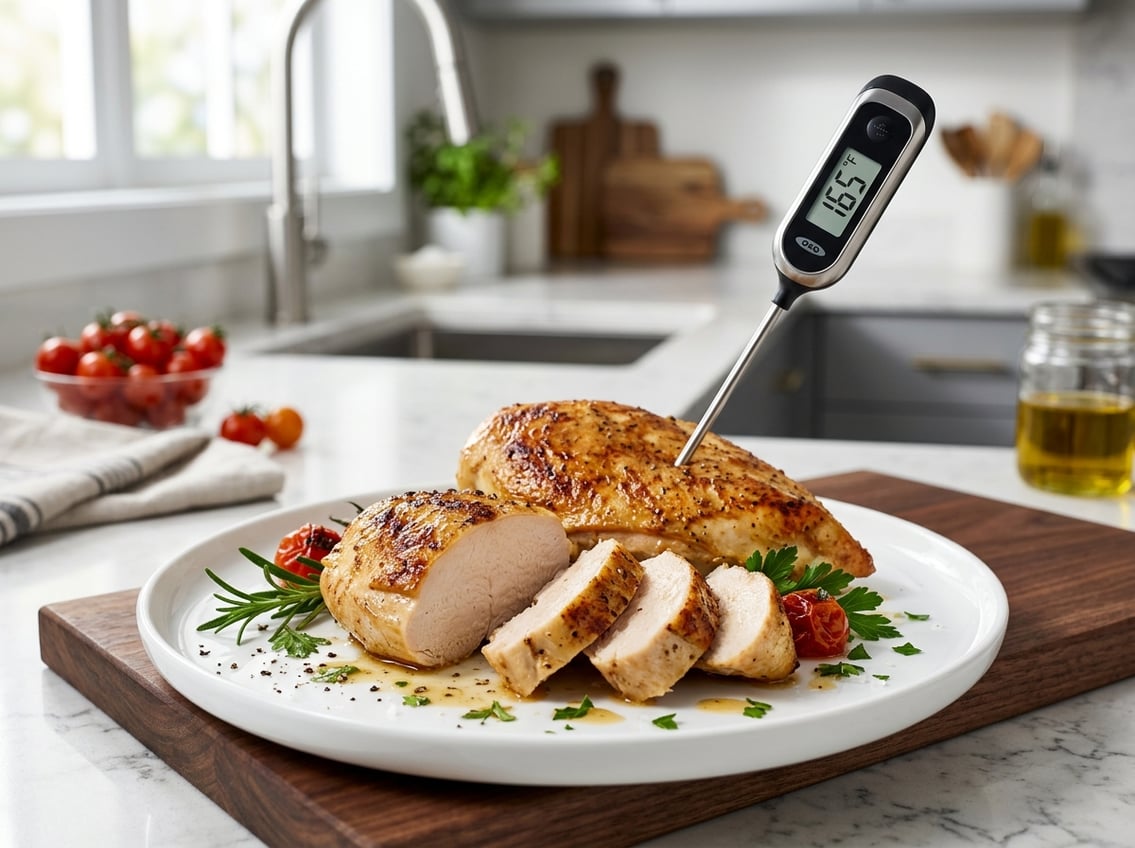
You must cook raw chicken breast to 165°F in the thickest part before eating it. This step protects you from foodborne germs that can cause illness.
Chicken breast offers several nutrition benefits, especially when you choose skinless chicken breast and prepare it in a health-conscious way. It provides lean protein, making it a useful option for regular meals.
When Chicken Breast Is Safe to Eat
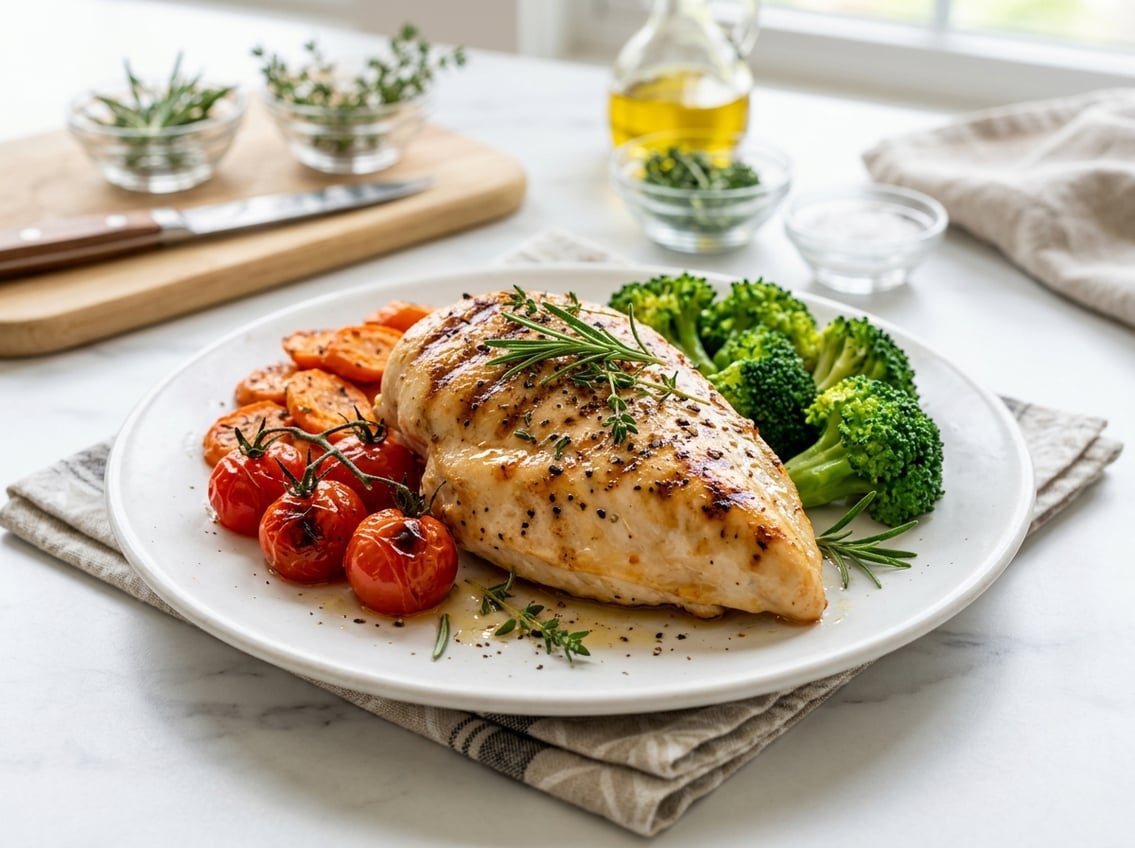
Chicken breast is safe to eat when you fully cook it and handle it carefully from store to plate. The biggest safety risks come from raw chicken, undercooking, and cross-contamination with other foods.
According to the CDC’s chicken food safety guidance, raw chicken can carry Salmonella, Campylobacter, and other germs that can cause food poisoning.
How to Tell It Is Fully Cooked
You cannot tell by color alone. The most reliable sign is a food thermometer reading of 165°F in the thickest part of the chicken breast.
The meat should feel firm, and the juices should run clear. Still, you should always trust the temperature reading.
Why 165°F Matters
Reaching 165°F kills harmful bacteria, including germs commonly linked to raw poultry such as Salmonella and Campylobacter.
You should keep raw chicken and its juices away from ready-to-eat foods to avoid spreading germs.
Risks From Undercooked and Raw Poultry
Eating undercooked chicken breast can cause food poisoning. Raw chicken can contaminate cutting boards, sink areas, utensils, and hands, which can spread illness even if you do not eat the chicken raw.
You do not need to wash raw chicken first. Washing can splash germs around the kitchen and increase the risk of contamination.
How Healthy Chicken Breast Is for Regular Meals
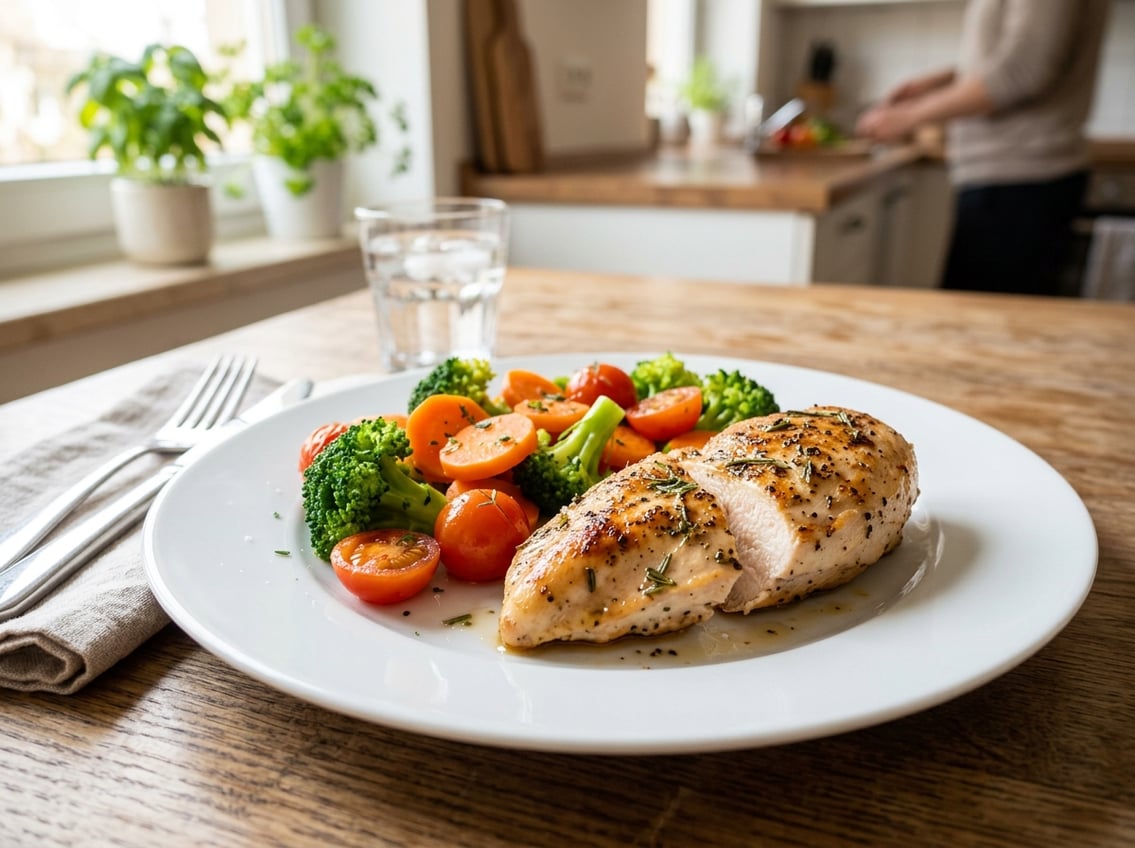
Chicken breast is a useful protein to keep in your regular meal rotation. It is naturally high in protein and low in fat when you choose skinless chicken.
Its nutrition profile supports fullness, muscle repair, and simple meal planning.
Why It Is Considered a Lean Protein
Chicken breast is considered a lean protein because it gives you a lot of protein without much fat, especially when you choose skinless chicken breast. That makes it easier to build meals that are filling without being heavy.
The New York Times highlights chicken breast as a healthy option that fits many everyday eating patterns.
Protein, Satiety, and Muscle Support
Chicken breast provides high-quality protein, which means it supplies essential amino acids your body uses for many tasks. Those amino acids help support muscle maintenance, tissue repair, and normal body function.
Protein also helps you feel full after meals, which can make it easier to avoid constant snacking.
What Skinless Cuts Offer Nutritionally
Skinless chicken breast gives you the same core protein benefit with less saturated fat than many richer cuts. That makes it a smart choice if you want a simple, flexible main dish.
To keep the meal healthy, pair it with vegetables, whole grains, beans, or fruit instead of heavy sauces.
Is Eating It Every Day a Good Idea
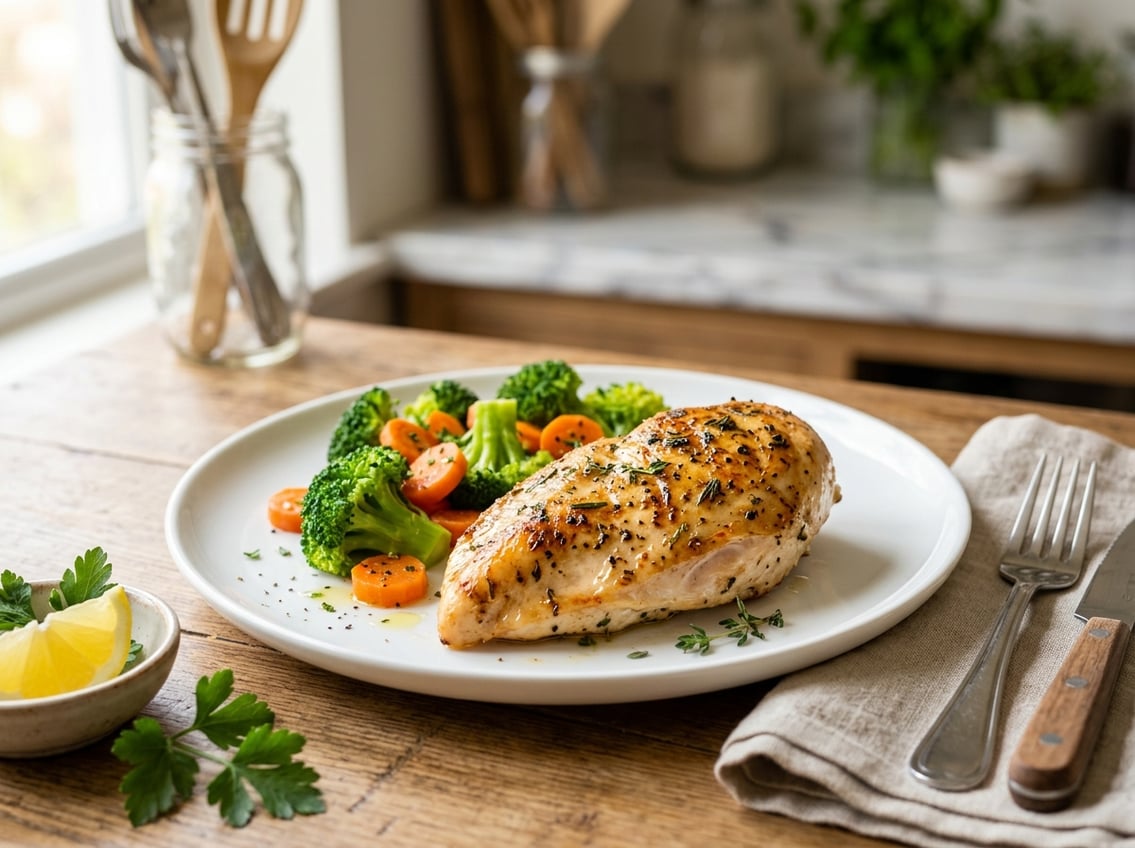
Eating chicken every day can work for some people, especially if you need an easy source of protein. Daily chicken breast consumption may help you meet protein goals without a lot of prep time.
Still, you should not let chicken crowd out other foods in your diet.
Potential Benefits of Eating Chicken Often
If you eat chicken breast often, you get a steady source of lean protein that supports fullness and muscle repair. It is also easy to season, batch cook, and use in many meal styles.
That convenience is one reason many people rely on chicken breast for weekday meals.
Possible Downsides of Daily Chicken Breast Consumption
Eating chicken every day can become limiting if it replaces fish, beans, eggs, dairy, and plant proteins. You may also miss out on fiber, healthy fats, and different vitamins and minerals that come from more varied foods.
Heavy sauces, fried coatings, and large portions can also change the nutrition profile quickly.
Why Variety Still Matters in a Balanced Diet
A balanced diet works best when you rotate proteins and side dishes. That gives you a broader mix of nutrients and keeps meals from becoming repetitive.
Chicken breast can be a strong staple, but it should not be your only one.
Best Ways to Prepare and Handle It
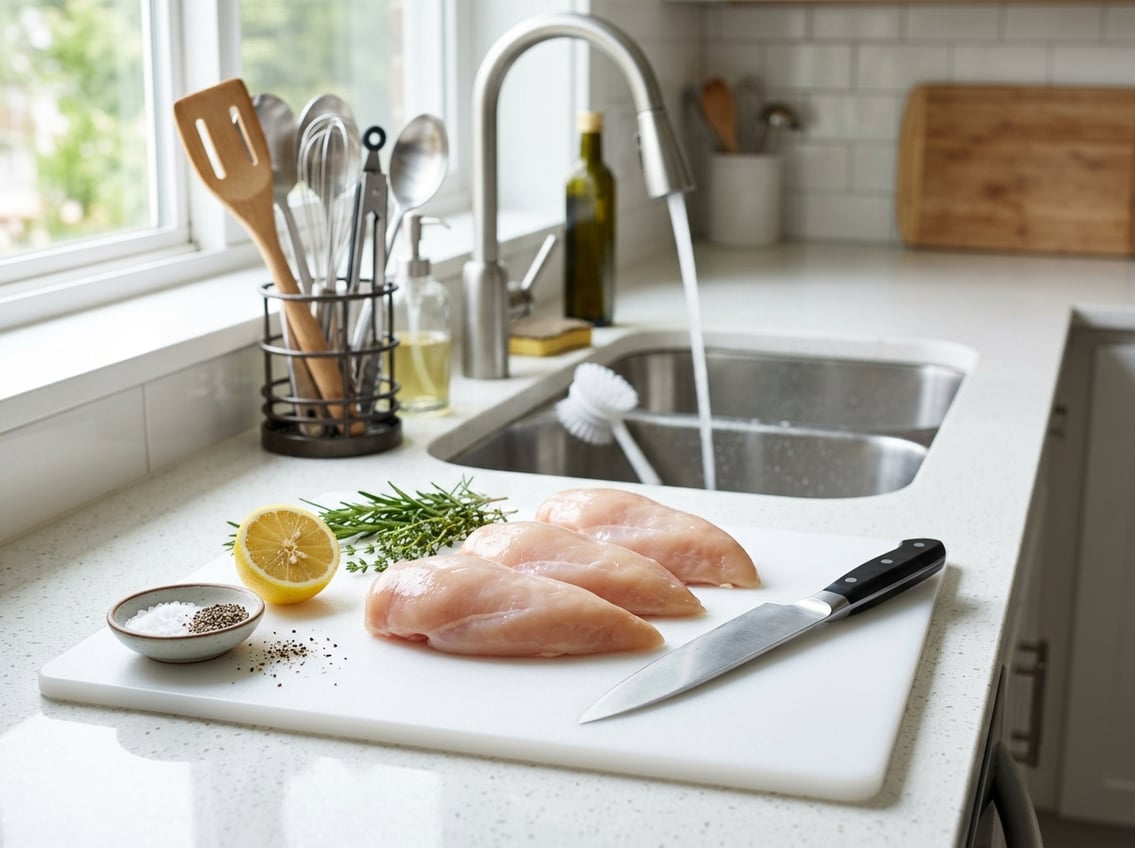
Safe handling matters as much as cooking. Raw chicken can spread germs in your kitchen, so you should keep your shopping, storage, and prep habits careful from the start.
Healthier cooking methods also help keep skinless chicken breast light and satisfying.
Safer Shopping, Storage, and Kitchen Prep
At the store, keep raw chicken separate from produce and ready-to-eat foods. At home, store it on the bottom shelf in a sealed container so juices do not drip onto other items, as the CDC chicken safety guide advises.
Wash your hands before and after handling raw chicken. Use separate cutting boards, and clean counters, knives, and plates with hot soapy water.
Healthier Cooking Methods Like Grilled Chicken
Grilling chicken is one of the simplest ways to prepare chicken breast with less added fat. Baking, roasting, air frying, and poaching are also good choices.
No matter the method, cook the chicken breast to 165°F in the thickest part before serving.
How to Marinate Chicken Breast Safely
Marinate chicken breast in the refrigerator, not on the counter.
Do not reuse marinade that touched raw chicken unless you boil it first.


