
How Much Chicken Breast per Person for Any Meal
When you ask how much chicken breast per person, the practical answer is usually 1 boneless, skinless breast per adult for a main dish, or about 4 to 6 ounces raw per person when the chicken is part of a larger meal.
That amount works well for most weeknight dinners. Bigger appetites and smaller breast sizes may call for a little more.
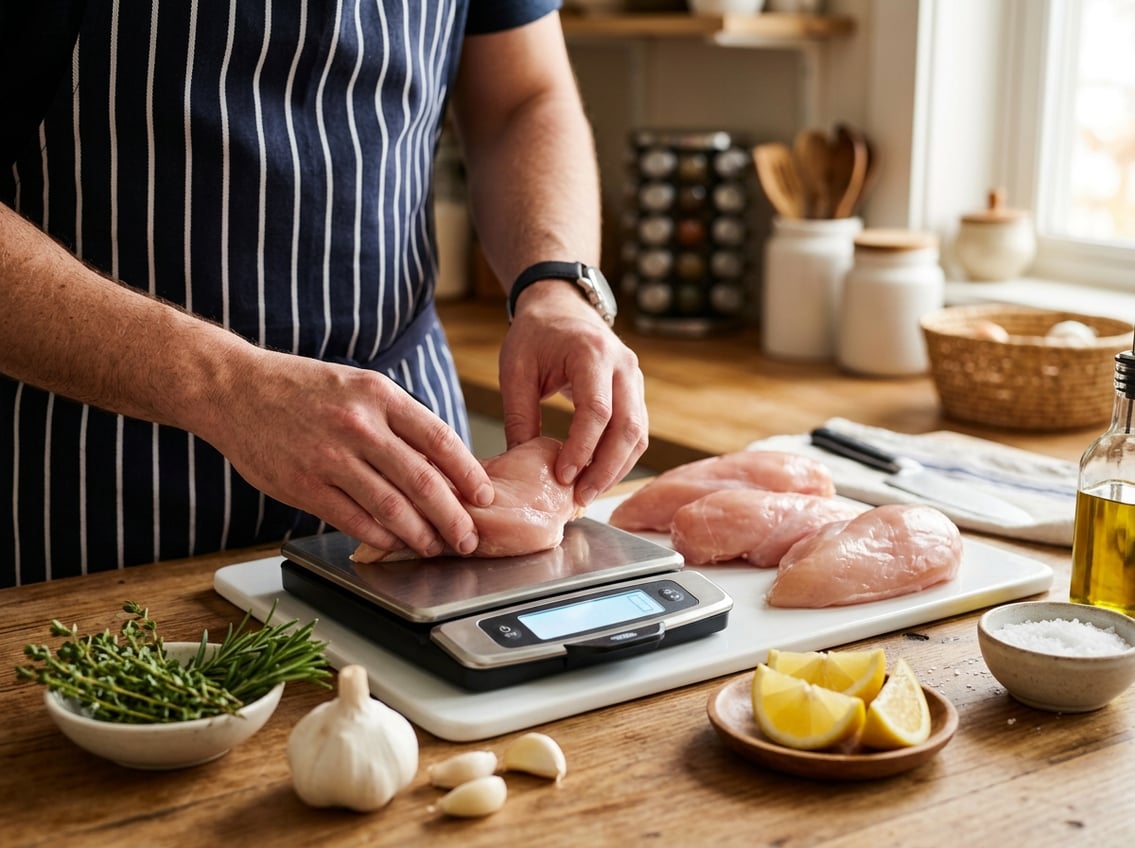
The right amount changes with the menu and the age of your guests.
A salad, pasta, or casserole usually needs less chicken per person than a dinner plate with chicken as the main protein.
A simple rule helps you buy with confidence: plan for less when chicken is one of several ingredients, and more when it is the center of the meal.
If you are serving a mixed group, it is safer to round up a little than to run short.
Quick Serving Guide by Person and Meal Type
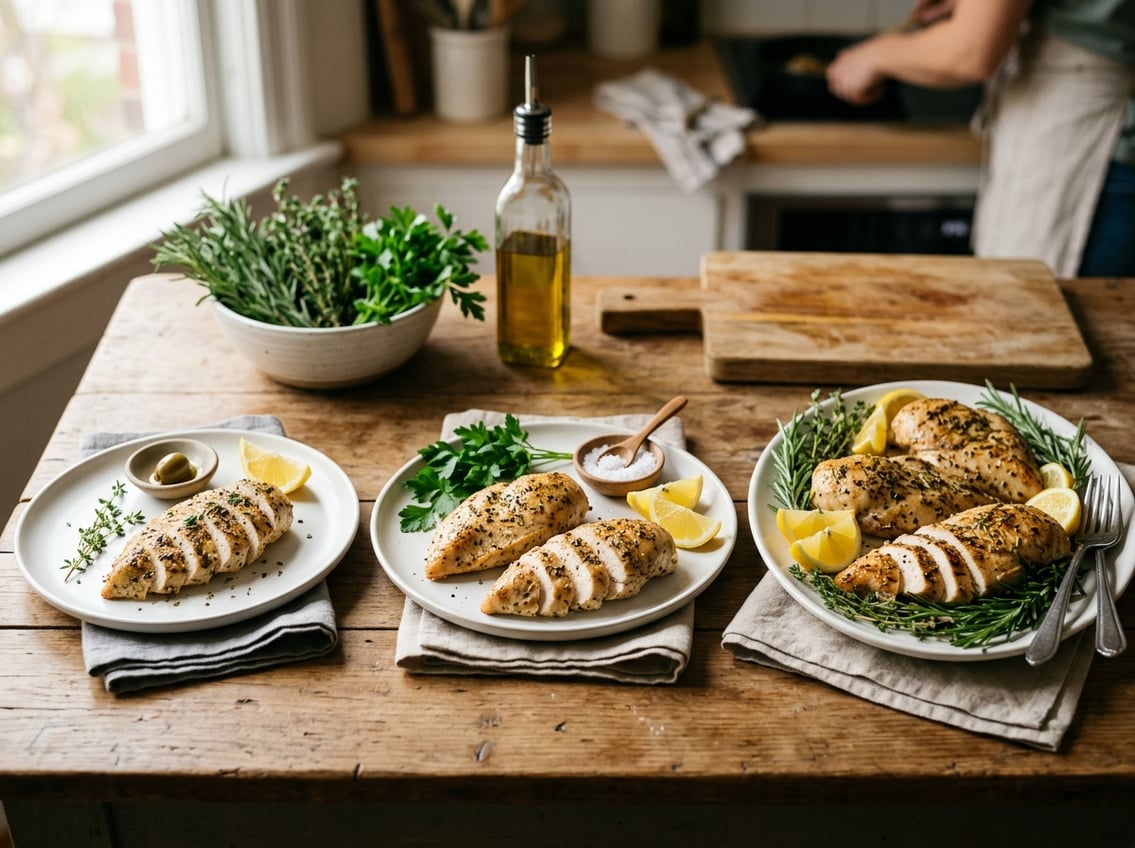
For most meals, the amount of chicken breast per person depends on how the dish is served.
A main course needs a fuller portion, while a salad or casserole usually needs less because other ingredients fill out the plate.
The guide below gives you a fast starting point for how much chicken per person in common meal types.
Standard Adult Portions for Main Dishes
For a dinner where chicken is the main protein, plan on 4 to 6 ounces raw boneless chicken breast per adult, which is usually about 1 medium breast per person.
Many store-bought breasts weigh 6 to 10 ounces, so one piece often covers a normal serving.
If your guests are very hungry or the chicken is the only protein on the table, you may want closer to 6 to 8 ounces raw per adult.
That works well for grilled, baked, or pan-seared chicken served with simple sides.
Smaller Portions for Children and Light Eaters
Children usually need about half of an adult portion, or around 2 to 4 ounces raw.
Light eaters, older adults with smaller appetites, and guests eating a big appetizer spread may also do well with a smaller serving.
A practical rule is 1/2 breast per child when breasts are average-sized.
If the chicken pieces are large, split them after cooking for easier serving.
Side Dish, Salad, Pasta, and Casserole Portions
When chicken is not the main focus, you can use less per person.
For salads and pasta, plan about 2 to 4 ounces raw chicken breast per person.
For casseroles, 3 to 4 ounces raw often works well because pasta, rice, sauce, or vegetables add bulk.
For a side dish or mixed meal, 1/2 to 3/4 breast per adult is a useful estimate.
That keeps the dish balanced without wasting food.
Converting Portions Into Breasts, Ounces, and Pounds
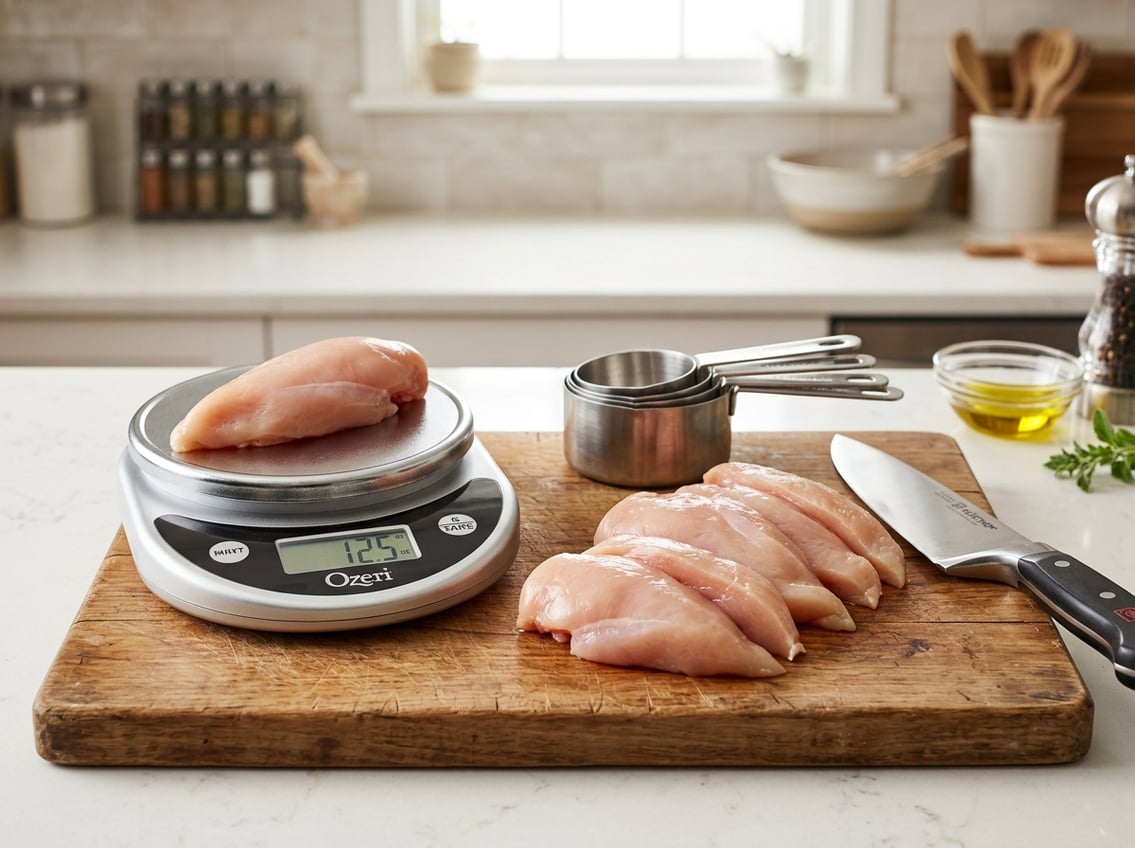
Portion advice becomes more useful when you translate it into real grocery amounts.
Chicken breasts vary in size, so the number of breasts per person depends on whether you buy small, medium, or large pieces.
According to a recent chicken breast portion guide, store-bought boneless breasts commonly weigh about 6 to 10 ounces each.
One breast often serves one adult at dinner.
Average Breast Size and What One Piece Really Serves
A single boneless chicken breast is often enough for 1 adult serving when served as the main dish.
If the breast is very large, it may serve 1.5 people, while a smaller breast may only cover part of one plate.
A cooked serving is smaller than the raw weight because chicken loses moisture during cooking.
That means a 6 to 8 ounce raw breast can become a 4 to 6 ounce cooked portion.
Boneless Versus Bone-In Buying Estimates
Boneless, skinless breasts are easiest to portion.
Plan on 1 breast per adult or about 1/2 pound per person if you want enough food for a simple meal.
Bone-in split breasts weigh more because of the bone and skin.
For those, plan closer to 3/4 pound per person.
The extra weight does not all become meat on the plate, so you need to buy more than you would for boneless cuts.
Simple Group Calculations for 4, 6, and 10 People
For 4 people, plan on 4 medium boneless breasts or about 1.5 to 2 pounds total.
For 6 people, buy 6 breasts or about 2.5 to 3 pounds.
For 10 people, plan on 10 medium breasts or about 4 to 5 pounds of boneless chicken.
If the breasts are very large, you may be able to buy a little less and still serve full portions.
What Changes the Amount You Need
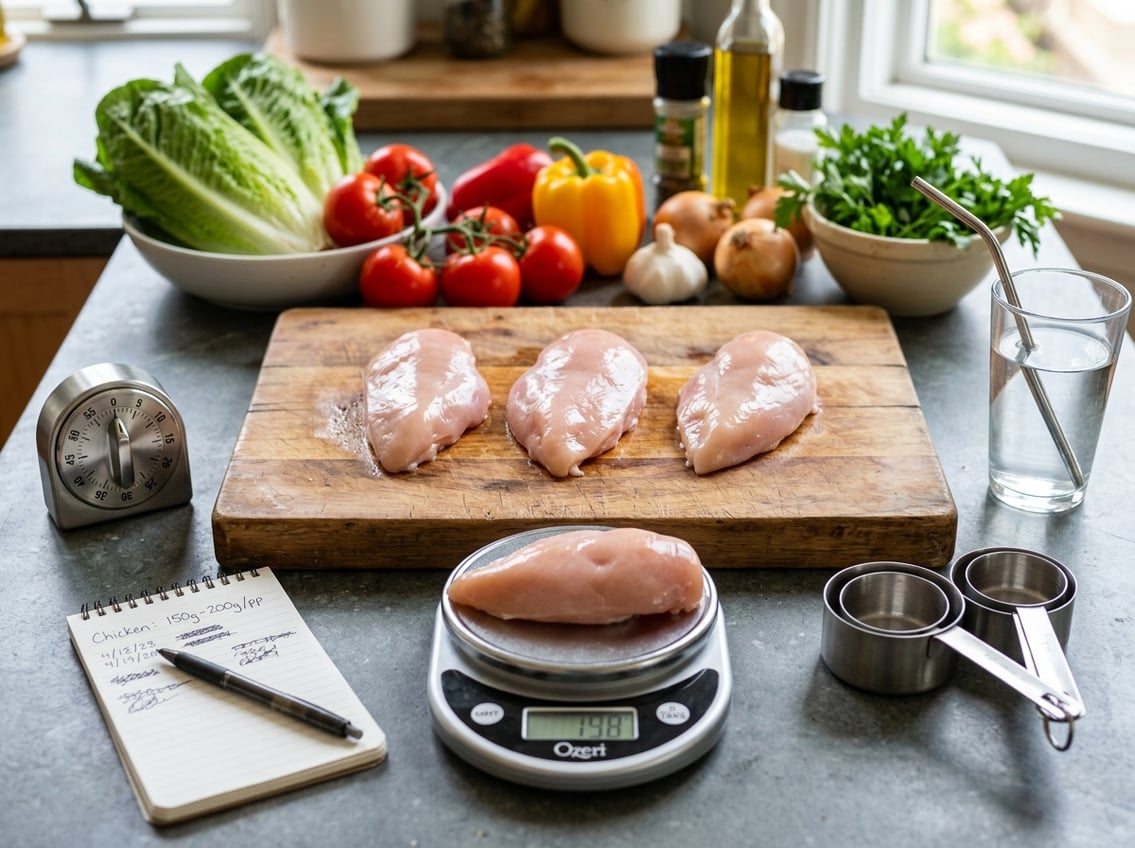
Your chicken estimate should shift based on who is eating and what else is on the table.
The same group can need very different amounts depending on appetite, side dishes, and how much cooking loss you expect.
A good estimate for how much chicken per person starts with the menu and then adjusts for the crowd.
Appetite Level and Guest Demographics
Adults with bigger appetites usually need more than children or light eaters.
Teenagers, athletes, and guests who eat high-protein meals often want a full breast or even a bit more.
If your group includes many kids or older adults, you can reduce the total.
If your group is mostly adults at a casual dinner, stick closer to a full breast each.
Number of Sides and Other Proteins on the Menu
The more food you serve alongside chicken, the less chicken each person needs.
A menu with bread, salad, vegetables, potatoes, or rice stretches the protein further.
If you also serve another main protein, such as shrimp, steak, or beans, you can plan smaller chicken portions.
In that case, 1/2 to 3/4 breast per person may be enough.
Cooking Loss, Shrinkage, and Raw Versus Cooked Weight
Chicken shrinks as it cooks because water and fat cook off.
Raw weight and cooked weight are not the same.
For planning, use raw weight when shopping and cooked weight when serving.
A raw portion of 4 to 6 ounces usually leaves you with a satisfying cooked serving after shrinkage.
Buying Smarter for Meal Prep and Gatherings
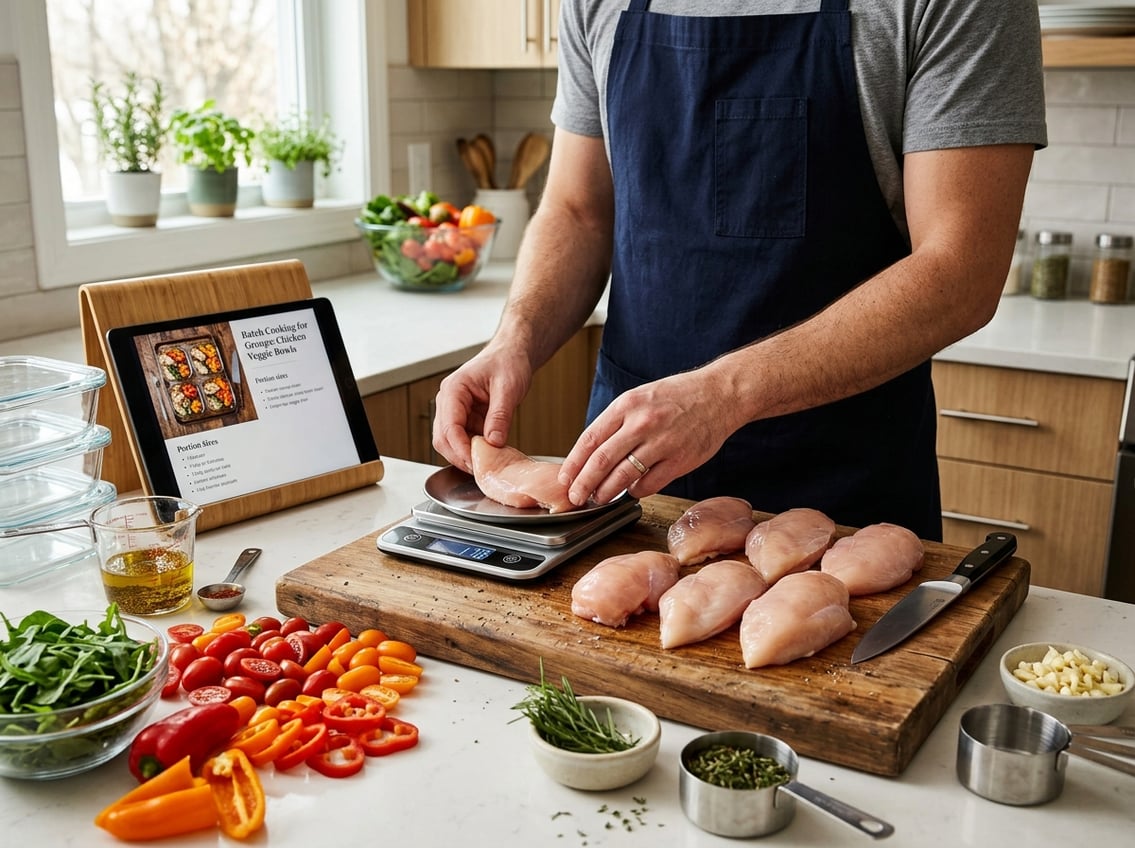
Buying the right amount helps you avoid waste while keeping meal prep simple.
The best approach is to plan portions by the week, then add a little extra when convenience matters.
A small buffer is useful when you want leftovers, quick lunches, or flexibility for different eaters.
Weekly Meal Prep Portion Planning
For meal prep, plan about 4 to 6 ounces raw chicken breast per serving.
If you are making lunches for the week, this gives you a practical base for bowls, salads, and rice plates.
If you prefer larger portions, buy enough for 1 to 1.5 breasts per meal prep serving.
That gives you room for bigger containers and more filling meals.
Batch Cooking Without Running Short
When cooking for a group, count every person and then add a little extra for seconds.
Chicken is easy to reheat, so a small surplus is rarely wasted.
If the menu is simple and chicken is the star, round up by 1 extra breast for every 4 to 6 people.
That gives you a safety margin without going far over budget.
When to Round Up for Leftovers and Convenience
Round up when you want lunch leftovers. Buy more if your guests have big appetites or if the breasts in the package are small.
Extra chicken helps you build next-day salads, wraps, or grain bowls. Buying extra can save time when you are busy.
A little left over is usually more useful than not having enough at dinner.


