
No Fail Chicken Breast Recipes for Juicy Easy Dinners
You can make no fail chicken breast recipes that stay juicy, cook evenly, and fit into a normal weeknight schedule. The key is not a complicated trick.
You need the right thickness, enough seasoning, steady heat, and a short rest before slicing.
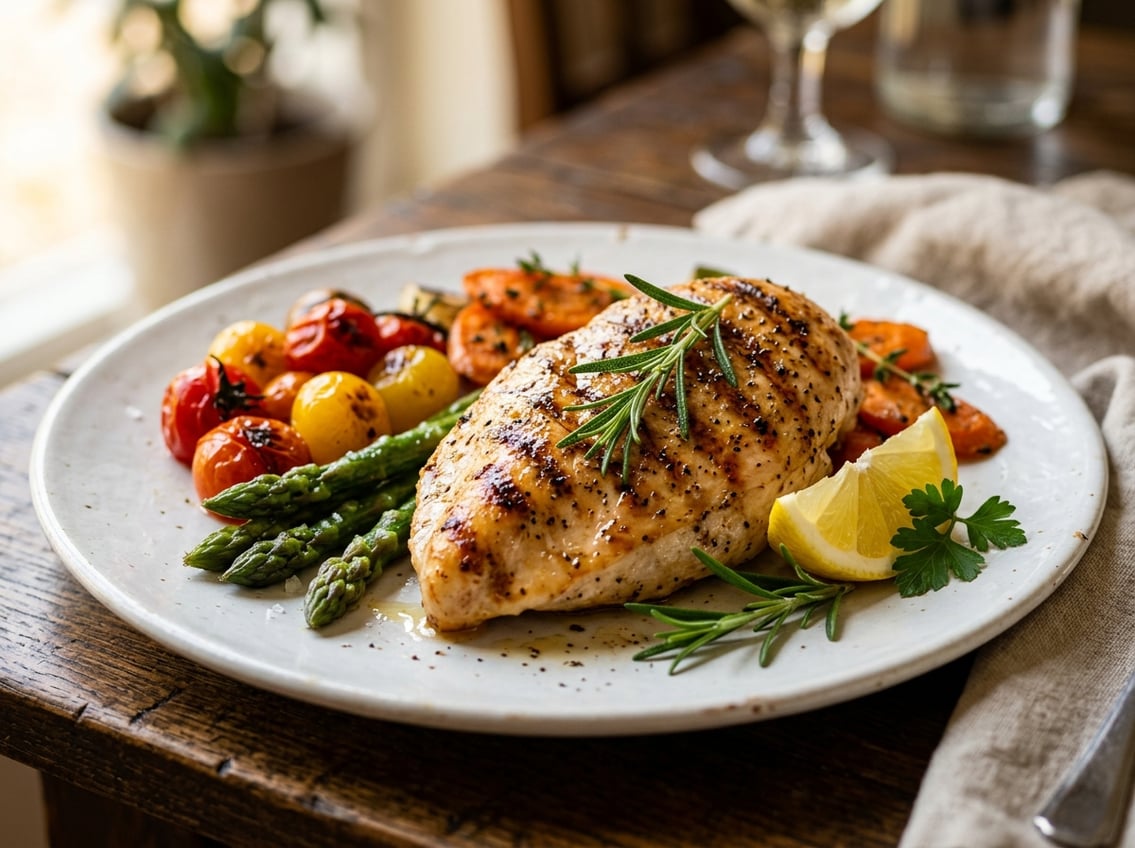
When you treat chicken breast like a lean, fast-cooking protein instead of a dish that can be rushed, you get better texture and better flavor every time. The best chicken breast recipe methods focus on even cooking, moisture control, and simple seasoning.
If you have ended up with dry chicken, you do not need a new grocery list. You need a repeatable method you can trust on busy nights.
How to Get Juicy, Evenly Cooked Chicken Every Time
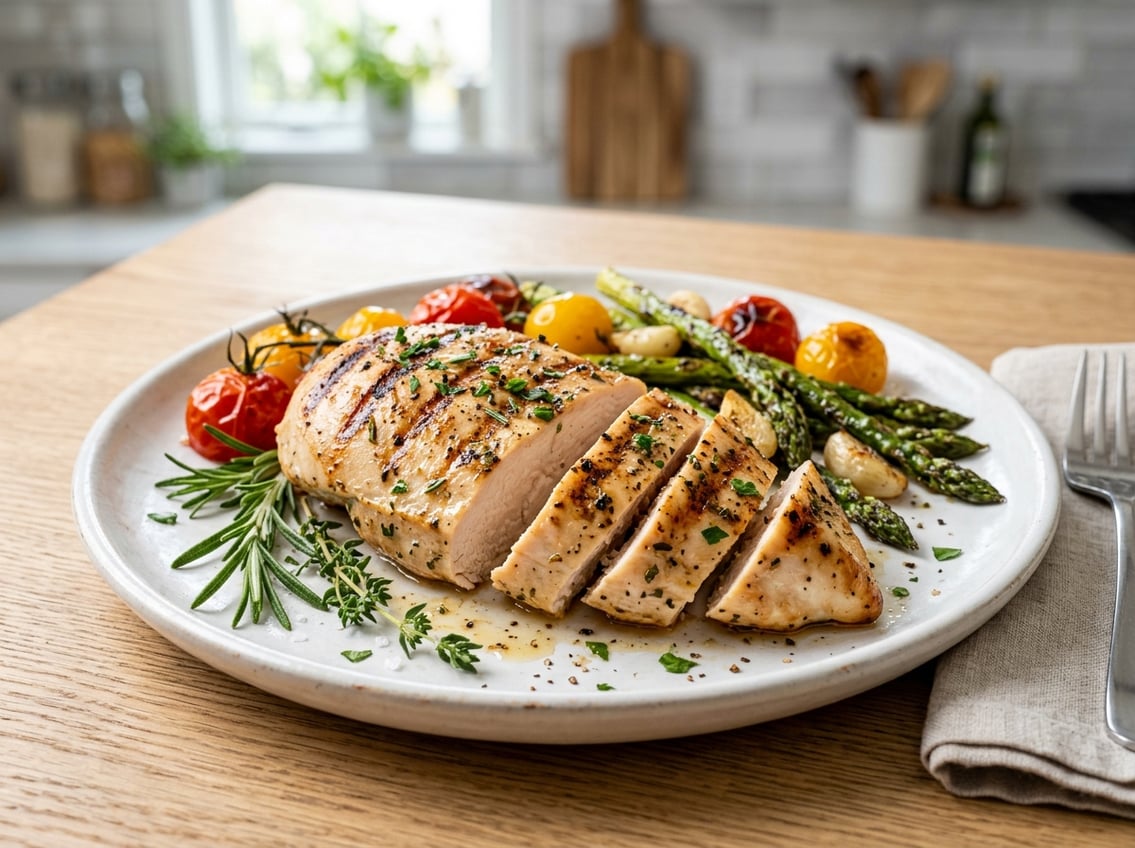
A reliable baked chicken breast starts before the pan or oven. Small prep choices make a major difference in how evenly the meat cooks and how much flavor it carries.
These choices also affect how tender the chicken stays.
Choose the Right Size and Thickness
Try to buy chicken breasts that are similar in size. If one piece is much thicker than the other, it will cook at a different pace and the thinner one may dry out.
Pound the thick end lightly so each piece is closer to the same thickness. That helps the whole batch finish at about the same time.
Seasoning, Brining, and Drying the Surface
Salt is the most important seasoning for a juicy chicken breast. You can season right before cooking or give the chicken a short dry brine in the fridge for better flavor and texture.
Dry the surface before cooking, especially if you want browning. A dry exterior helps the chicken brown instead of steam.
Best Oven Temperatures and Cook Times
A moderate oven, usually around 400 degrees F, works well for many baked chicken breast recipes. It is hot enough to cook quickly without pushing the outer layer too far ahead of the center.
Cook time depends on thickness, not just weight. A thinner breast may be done in about 18 minutes, while a thicker one may need closer to 25 minutes.
How to Check Doneness Without Overcooking
Use an instant-read thermometer if you can. The safest and most accurate target for chicken is 165 degrees F in the thickest part.
If you cut into the chicken to check, you lose juices. A thermometer gives you a better result and keeps the meat tender.
Why Resting and Slicing Matter
Let the chicken rest for 5 minutes after cooking. That gives the juices time to settle back into the meat instead of running out onto the cutting board.
Slice across the grain for a softer bite. This small step makes a simple chicken breast recipe feel much more polished.
The Most Reliable Cooking Methods for Busy Nights
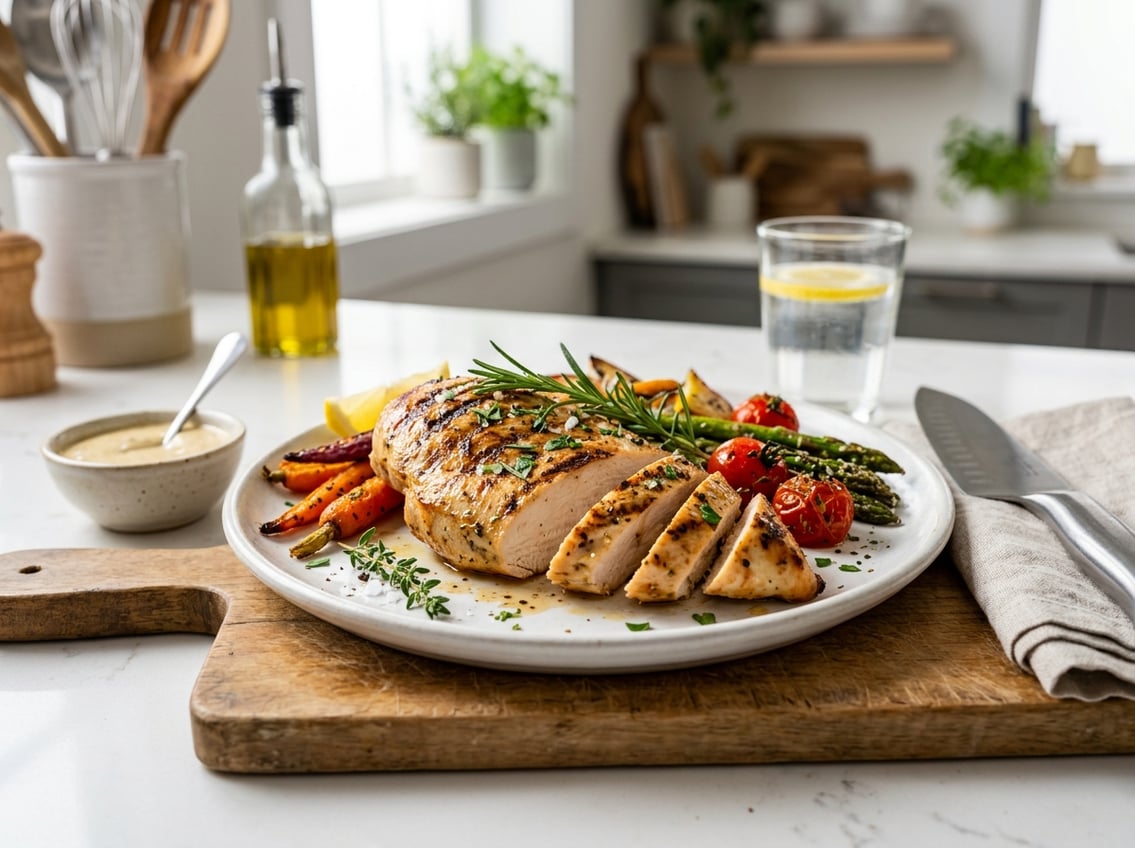
When you need dinner fast, choose methods that are easy to repeat and hard to mess up. Crisp coating, skillet cooking, and sheet pan meals all work well when you keep the steps simple and the heat under control.
Crispy Oven-Baked Cutlets With Panko Breadcrumbs
Pound chicken cutlets and coat them with panko breadcrumbs for quick crunch without deep frying. The coating helps protect the meat from drying out, and the thin shape cooks fast.
This method works for sandwiches, salads, or a simple dinner with vegetables. For a lighter version, bake the cutlets on a rack so air can move around them.
Simple Garlic Chicken in a Skillet
Make a garlic chicken skillet by searing the chicken in a hot pan, then finishing it with butter, garlic, and a splash of broth or lemon. That same skillet base can turn into a pan sauce in minutes.
It is a practical choice when you want a flavorful chicken breast recipe without turning on the oven.
Sheet Pan and Roasted Variations
Sheet pan meals keep cleanup low and timing simple. Add vegetables that roast in about the same time as the chicken, such as broccoli, carrots, or potatoes cut small.
Use a spice rub or a quick marinade for built-in flavor with very little extra work.
When to Use Thighs Instead of Breasts
Chicken breasts work best when you want a lean, fast-cooking cut. When you want more forgiveness and a richer texture, use chicken thighs.
Recipes like baked chicken thighs and oven baked chicken thighs with creamy onion gravy are a smart swap for longer braises or saucy meals. Use thighs when the dinner needs extra moisture and more cooking flexibility.
Easy Flavor Variations Readers Will Actually Reuse
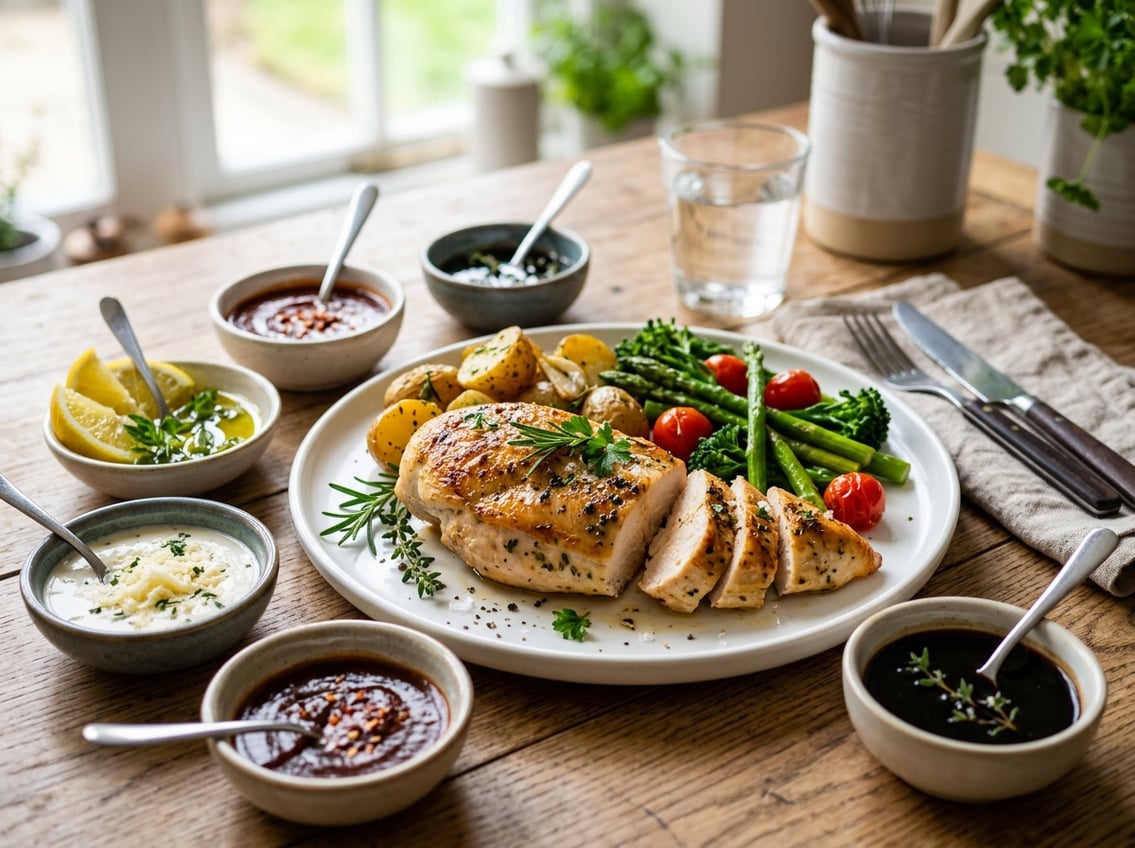
Once you know the basic method, flavor changes are easy. You can move from creamy to bright, or from pantry-friendly to restaurant-style, without changing the core cooking steps.
Classic Pan Sauce Ideas
A good pan sauce turns plain chicken into dinner that feels complete. Try butter, garlic, broth, and herbs, then finish with a little lemon or cream.
You can also build richer flavors with mushrooms or onions. These sauces work especially well after skillet cooking because the browned bits in the pan add depth.
Italian and Wine-Based Options
For a more classic meal, use Italian-style flavors like tomato, herbs, capers, or white wine. Dishes such as chicken marsala, chicken piccata, and chicken cordon bleu fit well into a chicken breast dinner rotation.
A simple side of pasta, rice, or green beans is usually enough.
Bright Lemon and Mediterranean Profiles
If you want a fresher taste, use lemon, oregano, olive oil, olives, or tomatoes. A Mediterranean chicken style dinner pairs well with roasted vegetables or couscous.
This approach keeps the meal light while still giving it enough flavor for repeat use. It is a strong choice for warm-weather dinners or meal prep.
Takeout-Inspired Weeknight Versions
You can also move chicken breast toward familiar takeout flavors. Try a stir-fry style sauce for kung pao chicken.
Dice cooked chicken for chicken fried rice or chicken noodle soup.
You can use the same cooked chicken in different ways. This gives you more options from one batch.
You can use leftovers from other recipes too. Even a bold dish like smoked garlic parmesan wings can inspire a chicken breast meal with garlic, cheese, and herbs.


