
How Long Chicken Breast on Grill: Timing Guide
Grilling chicken breast usually takes 12 to 16 minutes for whole boneless pieces over medium-high heat. The exact time depends on thickness, grill heat, and whether you use direct or indirect heat.
The most reliable way to get juicy chicken breast is to cook to temperature, not just by time. Pull the chicken at 165°F in the thickest part.
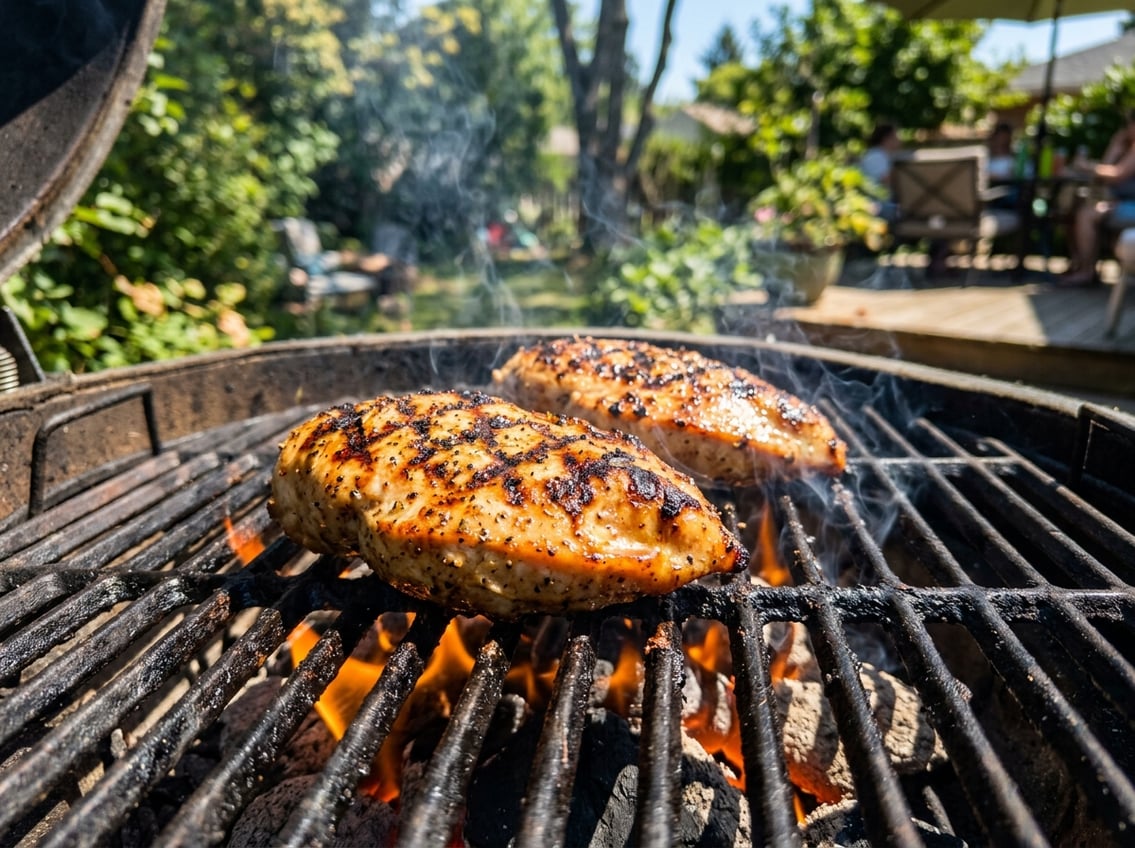
Timing helps you plan and avoid dry meat. Knowing when to check the internal temperature lets you grill with more confidence.
Best Grill Time for Chicken Breast
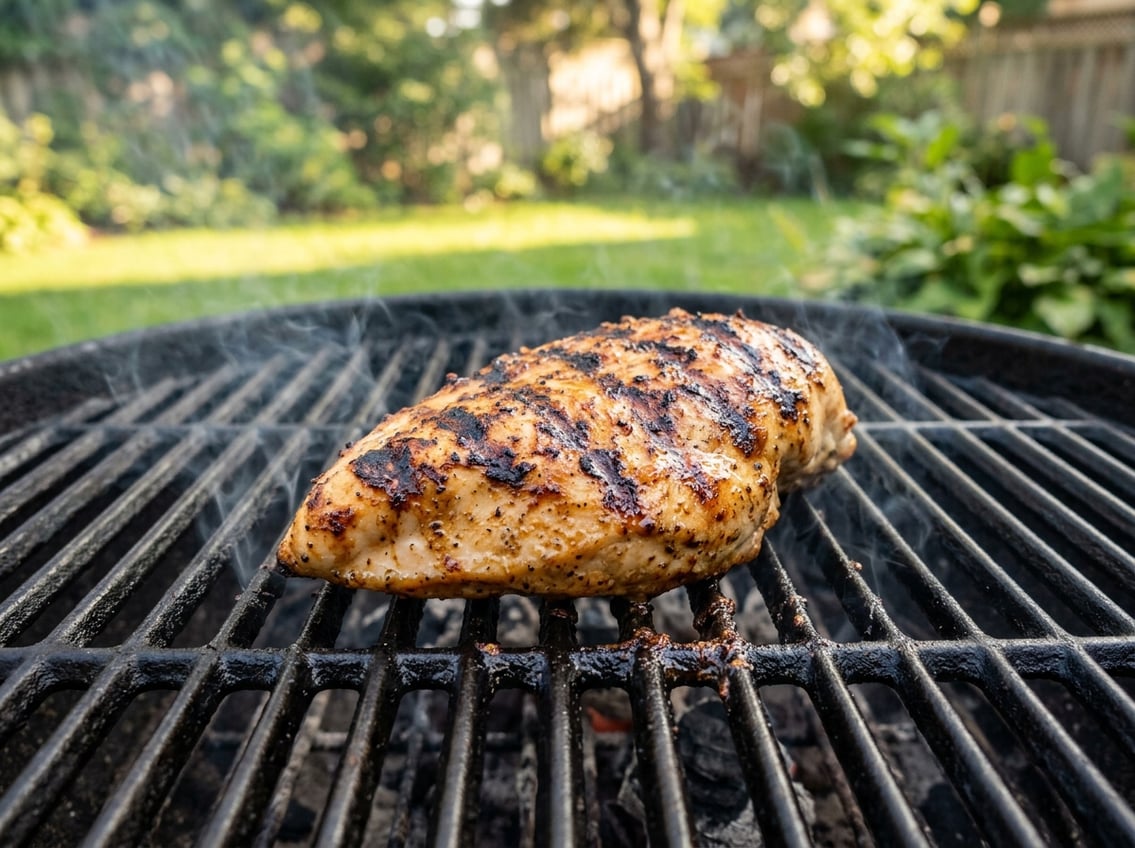
How long you grill boneless chicken breast depends on size and thickness. Most full breasts finish in about 12 to 16 minutes total.
Steady heat and even cooking help you reach a final internal temperature of 165°F.
A good target gives you a juicy result instead of dry, stringy meat. Learn the timing by cut and thickness, then check doneness near the end.
Average Time for Boneless Pieces
Plan on 6 to 8 minutes per side over medium-high heat for a standard boneless chicken breast. This matches what many home cooks see on a hot grill.
Smaller or flattened breasts may finish in 8 to 12 minutes total. Thinner cutlets cook even faster, so watch them closely.
Timing by Thickness
Thickness changes everything when you grill chicken breast. A thin breast may be done in 8 to 10 minutes, while a thick breast may need 14 to 18 minutes or more.
Aim for similar thickness before the chicken goes on the grill. If one side is much thicker, the outside can overcook before the center is safe.
When to Flip and Pull the Chicken
Flip the chicken once halfway through cooking if the grill heat is steady. Turn it a few minutes sooner if you see strong browning on one side.
Pull the chicken when the thickest part reaches 165°F on an instant-read thermometer. Let it rest for about 5 minutes before slicing so the juices stay in the meat.
Heat, Temperature, and Doneness
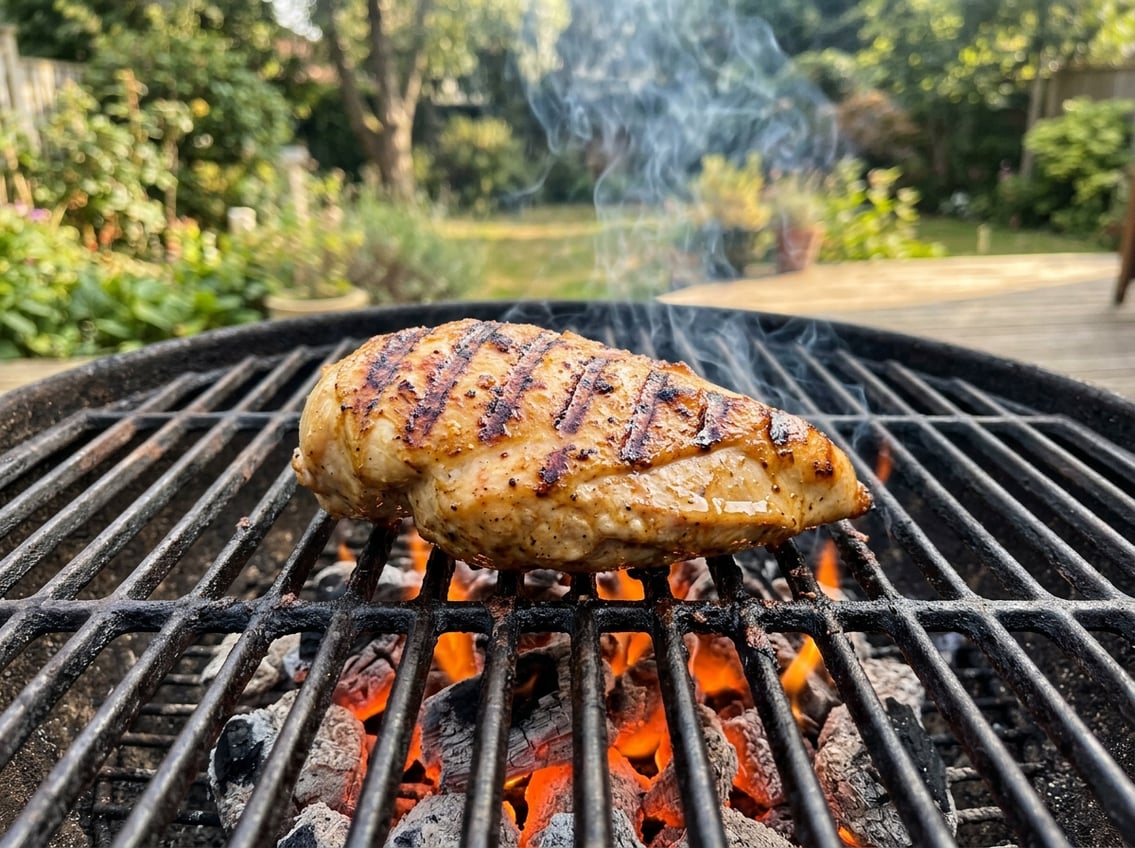
Grill heat changes cook time more than many people expect. A hot gas grill can finish chicken fast, while a cooler grill may need several extra minutes.
Doneness also depends on whether you cook over direct or indirect heat. The best method depends on the size of the breast and how much control you want.
Why Grill Temperature Changes Cook Time
A preheated grill gives you a cleaner sear and more even cooking. Many grill guides recommend a range around 425°F to 450°F for chicken breasts.
If the grill is too hot, the outside may brown before the inside is ready. If it is too cool, the chicken takes longer and can dry out from extra time on the heat.
Direct Heat vs. Indirect Heat
Direct heat cooks chicken right over the flame or coals. It works well for thinner breasts and cutlets because it gives quick browning and a shorter cook time.
Indirect heat helps with thicker breasts or any piece that starts to darken too fast. Sear first, then move the chicken to a cooler spot to finish gently.
Using an Instant-Read Thermometer Correctly
Use an instant-read thermometer to remove guesswork. Insert it into the thickest part of the breast, and avoid touching bone if you are grilling bone-in pieces.
Chicken should reach 165°F for safety. A thermometer helps you stop before the meat goes past that point, which keeps grilled chicken breasts juicy.
How to Prep Chicken for Better Results
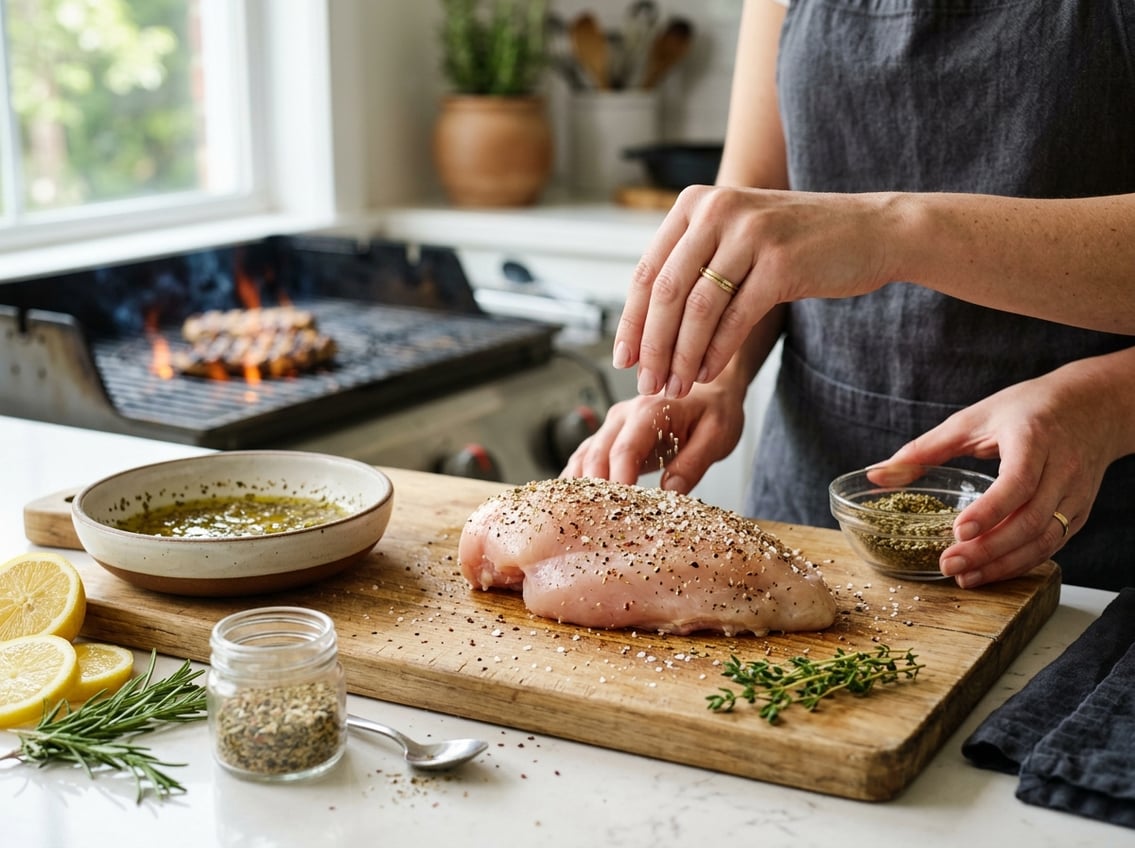
Good prep makes it easier to grill chicken breast with better texture. The main goals are even thickness, good seasoning, and a hot grill surface that does not stick.
A few simple steps before grilling can improve flavor and shorten cook time. They also help the chicken cook more evenly from edge to center.
Pounding or Butterflying for Even Cooking
If one side of the breast is much thicker, pound it lightly to even it out. You can also butterfly larger breasts so they cook more evenly on the grill.
Even thickness helps you avoid one dry side and one underdone side. It also makes timing more predictable when you grill chicken breasts.
When to Use a Chicken Marinade
A chicken marinade works well when you want extra flavor and a little more moisture. Many cooks use oil, acid, and herbs, and a marinade of at least 30 minutes can help, according to grilling chicken tips from Food Network.
Use marinade when you want deeper flavor or plan to serve the chicken plain with simple sides. Dry seasoning is enough for quick weeknight grilling if you want a cleaner taste.
Seasoning, Oiling, and Preheating the Grates
Season both sides with salt, pepper, and any dry spices you like. Lightly oil the chicken or the grates to reduce sticking.
Always preheat the grill before the chicken goes on. Let the grates get fully hot to create grill marks and make it easier to lift the chicken without tearing the surface.
Common Mistakes That Dry Out the Meat
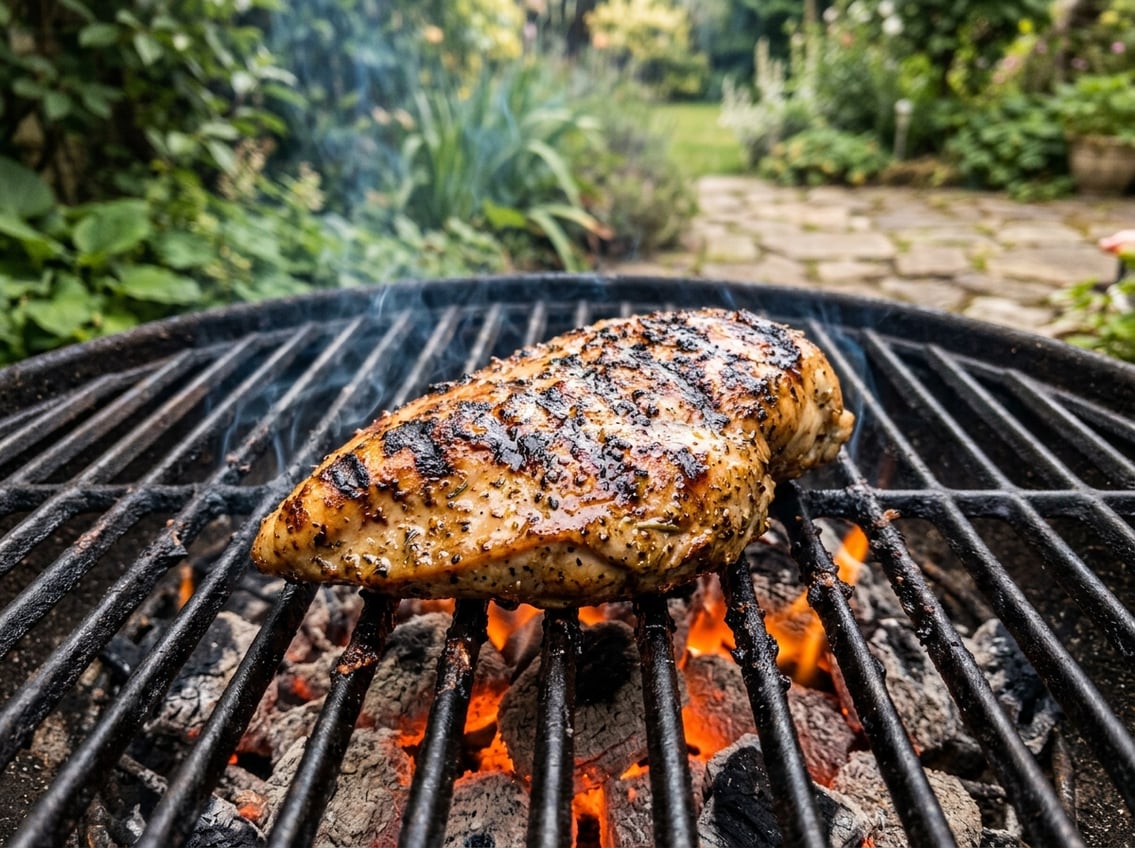
Dry chicken usually comes from a few avoidable errors. Most of them relate to timing, heat, or skipping the rest period after grilling.
If you want juicy chicken breast, watch the thermometer, size of the meat, and carryover cooking. Small changes make a big difference.
Cooking by Time Alone
Time is useful, but it is not enough by itself. Two chicken breasts that look similar can finish at different rates if one is thicker or the grill runs hotter.
Use time as a guide, then confirm with an instant-read thermometer. This gives you a better result than guessing from color alone.
Overcooking Thin or Thick Breasts
Thin breasts dry out fast because they cook quickly. Thick breasts dry out when they spend too long on the grill waiting for the center to warm up.
For thin pieces, keep the heat steady and check early. For thick pieces, use indirect heat or butterfly them before grilling so the inside finishes before the outside goes too far.
Skipping the Rest After Grilling
Resting is a short step, but it matters.
If you cut right away, juices leave the meat and run onto the plate.
Let the chicken rest about 5 minutes after grilling.
That pause helps the meat stay tender and keeps the flavor where you want it.


