
Does Chicken Breast Have Cholesterol? What to Know
Chicken breast contains cholesterol because all animal foods have some dietary cholesterol. The amount varies depending on whether you eat the skin, the cooking method, and the portion size.
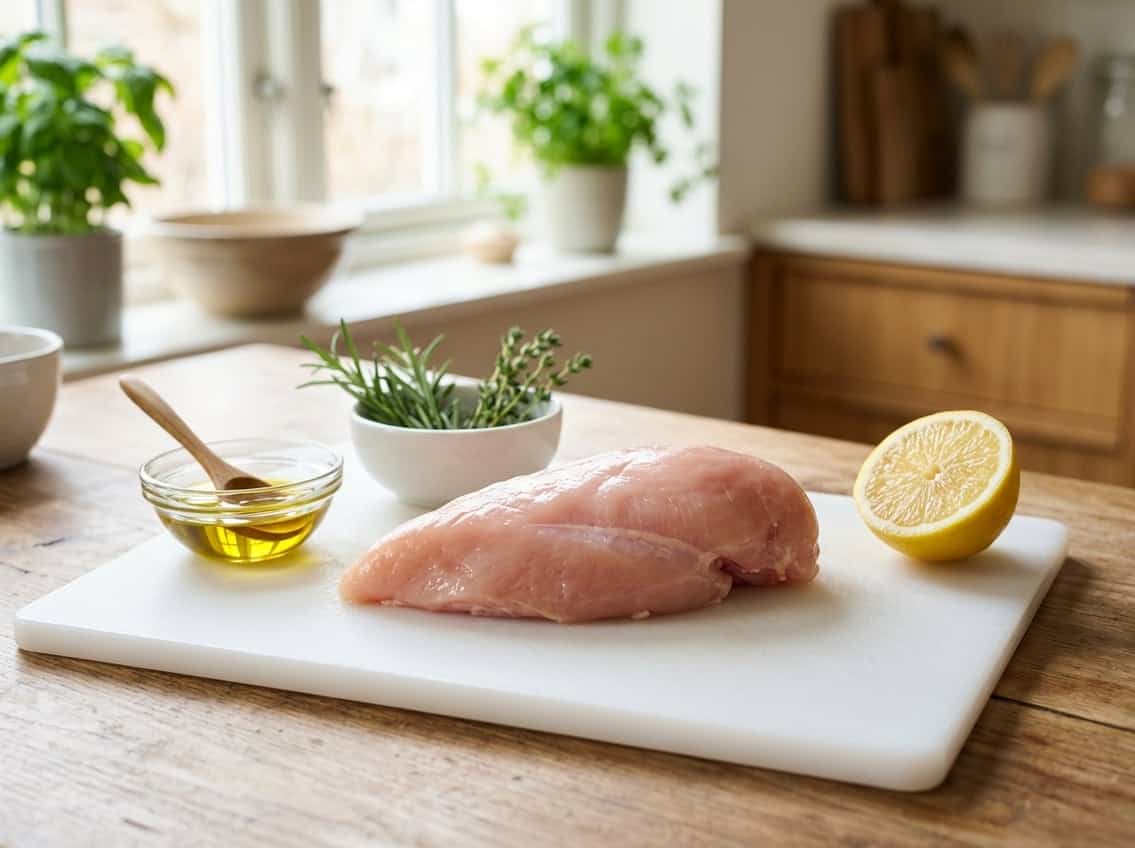
You can still include chicken breast in your diet if you want to manage cholesterol, especially when you choose skinless portions and use low-fat cooking methods.
Chicken breast is the leanest part of the bird, making it a common choice for people watching their heart health.
The way you prepare chicken breast can change its health impact.
Comparing serving sizes, cooking methods, and side dishes gives a clearer picture of how chicken breast fits into your diet.
How Much Cholesterol Is in Chicken Breast
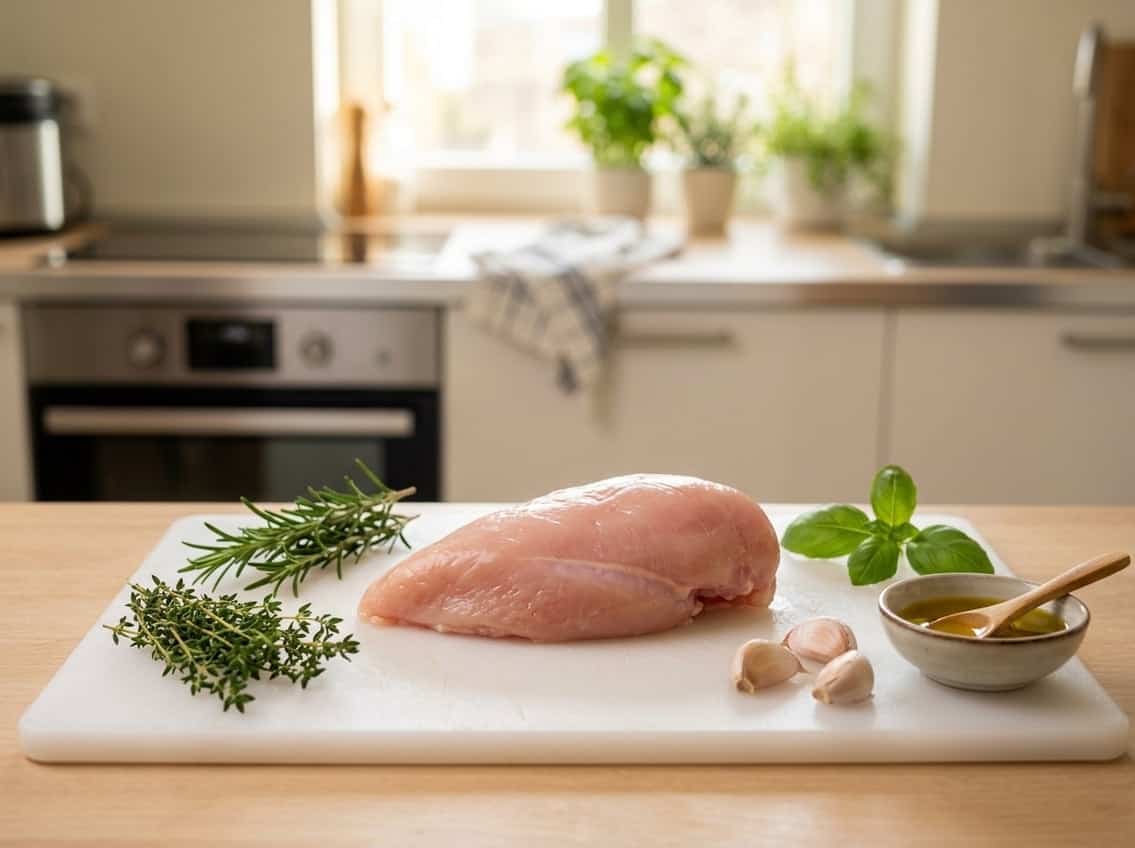
Chicken breast has a modest amount of cholesterol compared with many other animal foods. The exact amount changes with skin, portion size, and cooking method.
A recent review of cholesterol in chicken found that the breast is usually the leanest cut. Many health experts recommend it when you want to limit dietary cholesterol.
Typical Cholesterol per 100 Grams and per 3-Ounce Serving
A raw, skinless chicken breast contains about 73 mg of cholesterol per 100 grams according to Medical News Today. A 3-ounce cooked, skinless chicken breast usually contains 70 to 90 mg, based on a per-serving guide.
Most home-cooked portions are close to 3 ounces. If you eat a larger breast, your intake increases.
Skinless vs. Skin-On Breast
Skinless breast is a better choice if you want to reduce fat and keep the meal lighter. The skin adds more fat than cholesterol, but both can affect heart health.
You can keep the meal leaner by removing the skin before cooking.
Why Portion Size Changes the Number
A small breast and a large breast do not provide the same amount of cholesterol. If you double the portion, you get about double the cholesterol.
Portion control is just as important as food choice.
What Changes the Cholesterol Impact of a Meal
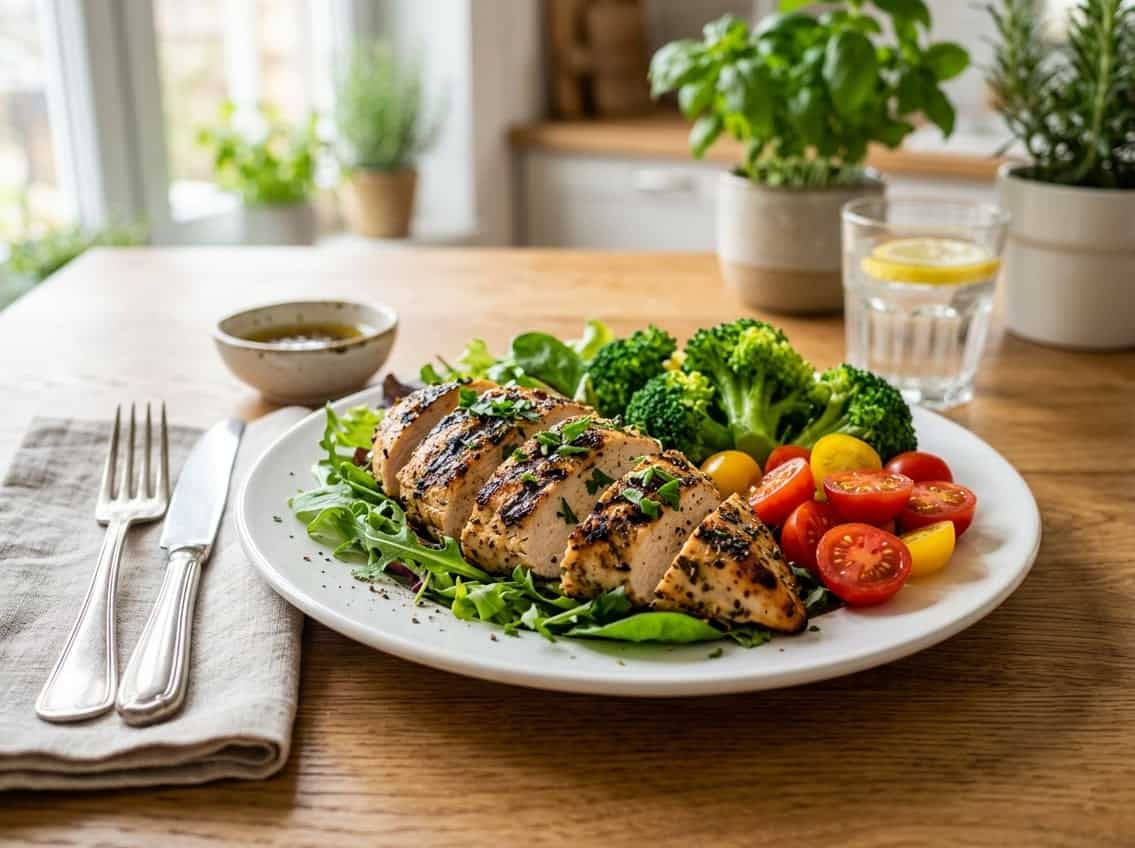
Your cooking method, added fat, and breading can change the meal in ways that matter for your diet.
Saturated fat and added calories can raise the health impact more than the breast meat alone.
Cooking Methods Such as Roasting, Grilling, and Frying
Roasting and grilling usually work better than deep-frying because they do not require much added fat. Medical News Today notes that preparation can affect the cholesterol content of chicken, with different values for roasted, grilled, and fried chicken.
Grilling and roasting can keep added fats low. Frying adds more oil, making the meal less helpful if you are trying to lower cholesterol.
How Skin, Added Fats, and Breading Affect the Overall Profile
Chicken skin adds fat, and breading often brings extra refined carbs and oil from frying. These changes make the meal heavier than plain breast meat.
Choose skinless chicken breast, use a small amount of oil, and keep breading light or skip it for a more heart-friendly meal. Simple seasoning can add flavor without extra fat.
Why Saturated Fat Matters
Saturated fat often matters more than dietary cholesterol alone for blood cholesterol. Eating patterns high in saturated fat can raise LDL, even when the food seems lean.
A skinless chicken breast can fit into a lower cholesterol plan, while fried chicken can work against it. The rest of the plate matters, too, especially sauces, butter, and creamy sides.
How Chicken Breast Fits Into a Cholesterol-Conscious Diet
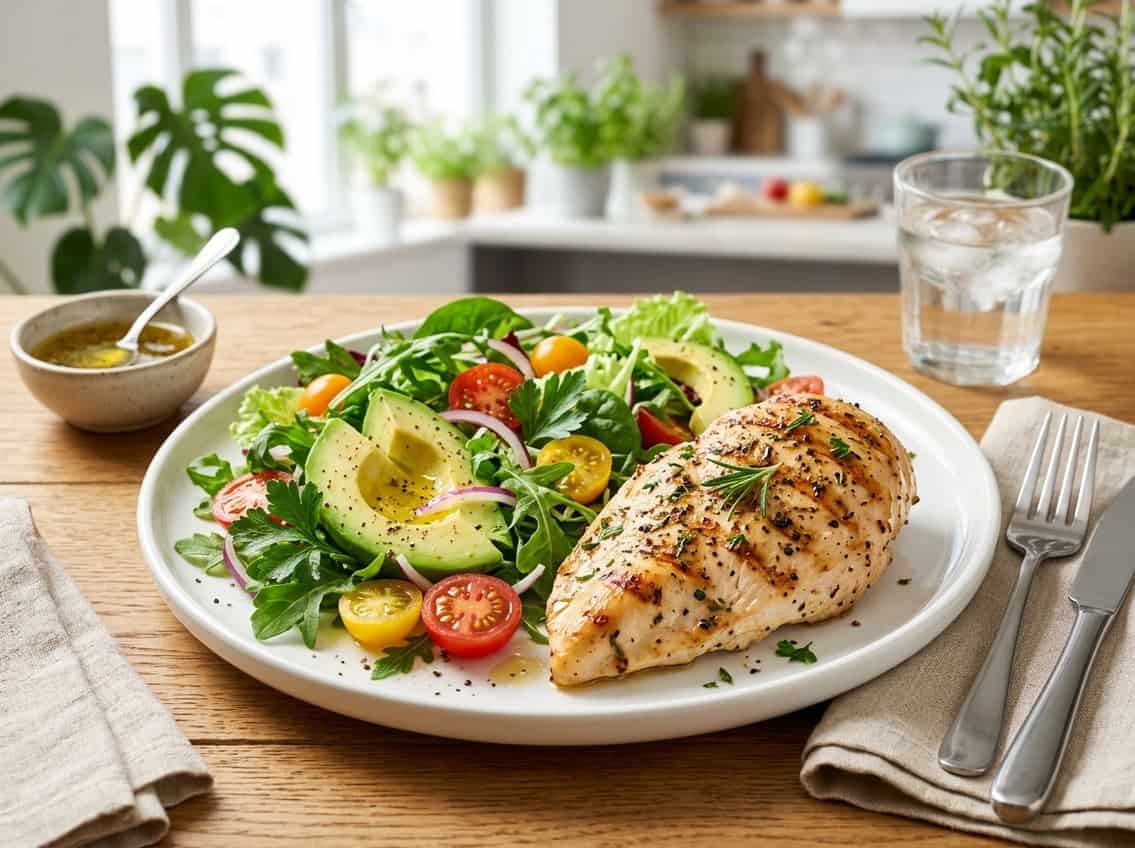
Chicken breast can support a lower cholesterol diet when you keep portions sensible and build the meal around plants and fiber.
For people trying to lower cholesterol, chicken breast is often a practical swap for fattier meats.
When Chicken Breast Can Support Lower Cholesterol Goals
Chicken breast is a good choice when you want protein without much saturated fat. A skinless, roasted, or grilled breast fits well in a plan aimed at lower cholesterol.
Diet changes are one part of how to lower cholesterol, along with activity, weight management, and other healthy habits. A diet rich in fruits, vegetables, whole grains, and lean meats is a practical place to start.
Better Pairings With Fiber-Rich Foods
Pair chicken breast with beans, lentils, brown rice, oats, vegetables, or a salad. Fiber helps support heart health and makes the meal more filling.
A simple plate might include grilled chicken, roasted broccoli, and quinoa.
How Chicken Breast Compares With Dark Meat and Plant Proteins
Chicken breast usually has less cholesterol than dark meat cuts like thighs and wings. It also has less fat than many prepared meats.
Plant proteins such as beans, lentils, tofu, and tempeh contain no dietary cholesterol. If you want to lower cholesterol as much as possible, add more plant proteins to your meals.
Who Should Be More Careful With Intake

If you already have high blood cholesterol or elevated cardiovascular risk, you may need to watch portions more closely. Your full diet becomes even more important.
Medical guidance is especially important if you have an inherited cholesterol disorder or a strong family history of heart disease.
High Blood Cholesterol and Cardiovascular Risk
High LDL cholesterol can raise your risk for heart disease and stroke over time. If that is already a concern, focus on lean cooking methods, smaller servings, and a diet low in saturated fat.
A chicken breast cooked in a healthy way can fit into this plan. Fried, breaded, or skin-on versions are less helpful when you are trying to lower cholesterol.
Familial Hypercholesterolemia and Why Medical Guidance Matters
If you have familial hypercholesterolemia, your body has a harder time clearing LDL from the blood.
Dietary cholesterol is only one part of the picture. You may need medication or specialized care.
Medical News Today explains that people with familial hypercholesterolemia may require more than lifestyle changes. Some may need treatments such as lipoprotein apheresis.
If you have this condition, follow your clinician’s advice on how much chicken breast and other animal foods fit into your plan.


