
Is the Chicken Breast Healthy? Nutrition and Best Uses
Is chicken breast healthy? For most people in the U.S., the answer is yes, especially when you choose skinless chicken breast and keep the cooking method simple.
It is a lean protein that gives you a lot of nutrition for relatively few calories, so it fits easily into many healthy eating patterns.
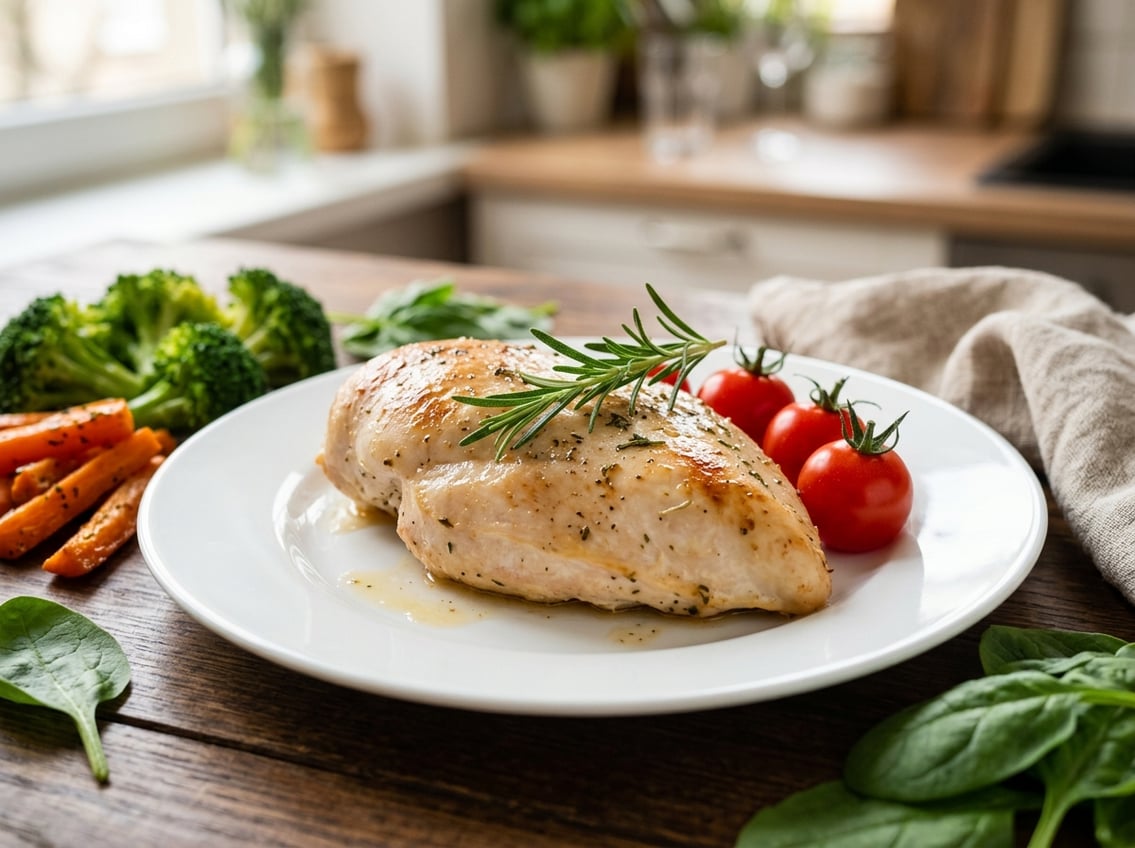
The main value of chicken breast is simple: you get a high-protein food with a strong protein-to-calorie ratio, and that can support weight goals, muscle needs, and heart-conscious meals. The healthiest choice depends on portion size, preparation, and what you serve with it.
Chicken breast is white meat and lean, which is part of why it is so common in healthy meal plans.
It is also one of the easiest lean poultry options to cook, season, and pair with vegetables, grains, and beans.
Chicken Breast Nutrition at a Glance
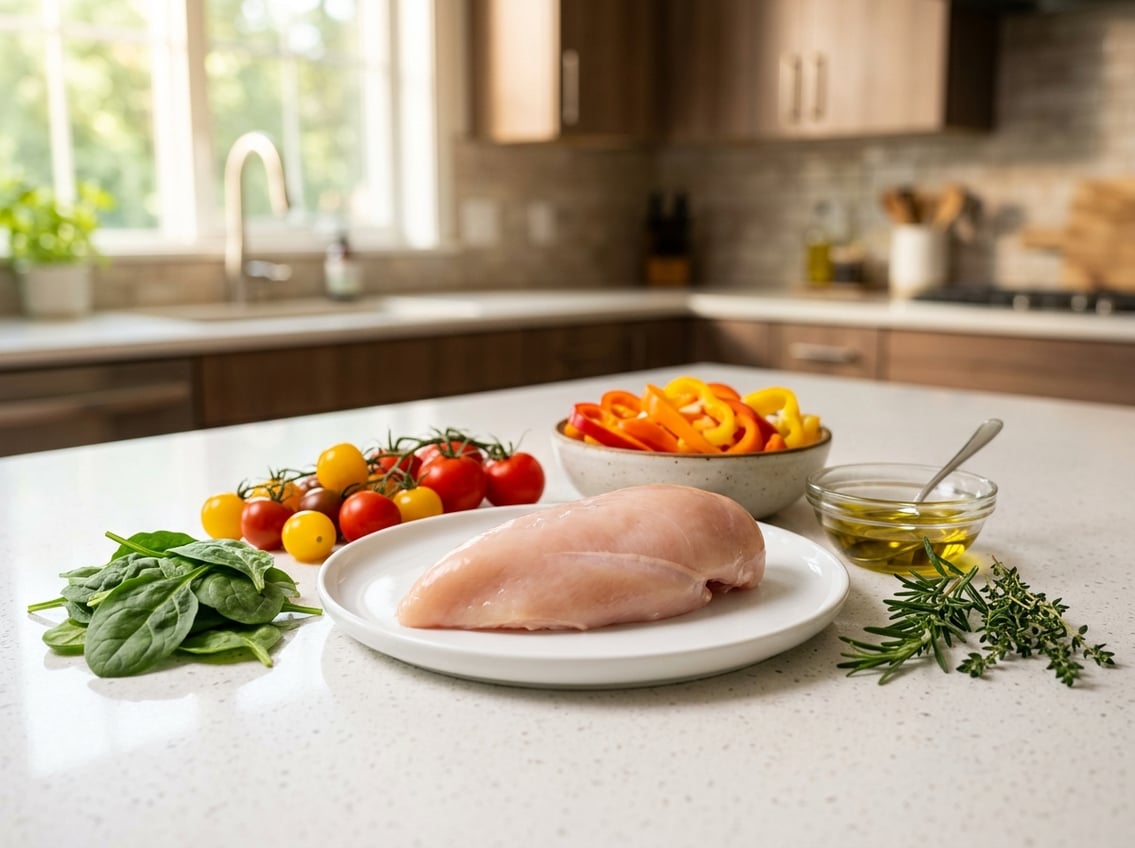
Chicken breast nutrition is one reason it shows up so often in healthy eating plans.
You get a lot of protein with very little carbohydrate, and skinless chicken breast keeps fat lower than many other animal proteins.
Calories, Protein, and Fat Breakdown
A 3-ounce serving of cooked skinless chicken breast has about 128 calories, 26 grams of protein, 3 grams of fat, and 1 gram of saturated fat, according to EatingWell’s chicken breast nutrition breakdown.
That is a strong protein-to-calorie ratio, which is why many people treat it as a lean protein staple.
This makes it easy to fit into a higher-protein meal without using many calories.
It also has no carbohydrates, which helps if you track macros or want a simple main dish.
Key Micronutrients Like B Vitamins, Choline, Iron, and Zinc
Chicken breast is not only about protein.
It also gives you small amounts of B vitamins, choline, iron, and zinc, which help support energy use, nerve function, and normal cell activity.
These nutrients do not make chicken breast a complete multivitamin, yet they do add value to a balanced diet.
When you pair it with vegetables, whole grains, and healthy fats, you build a more complete meal.
Skinless vs. Skin-On Differences
Skinless chicken breast is the lighter option.
It keeps calories and saturated fat lower, which matters if you are trying to manage intake.
Skin-on chicken breast is not automatically unhealthy.
It just adds more fat and calories, so the nutrition profile shifts.
Your portion size matters either way.
Chicken Breast vs. Chicken Thighs
Chicken thighs are also nutritious, and they can be a good choice when you want more flavor and tenderness.
They are usually higher in fat and calories than chicken breast.
If you want a higher-protein, lower-fat option, chicken breast is usually the better pick.
If you care more about richness and do not mind extra fat, thighs can still fit in a balanced diet.
When Chicken Breast Supports Health Goals
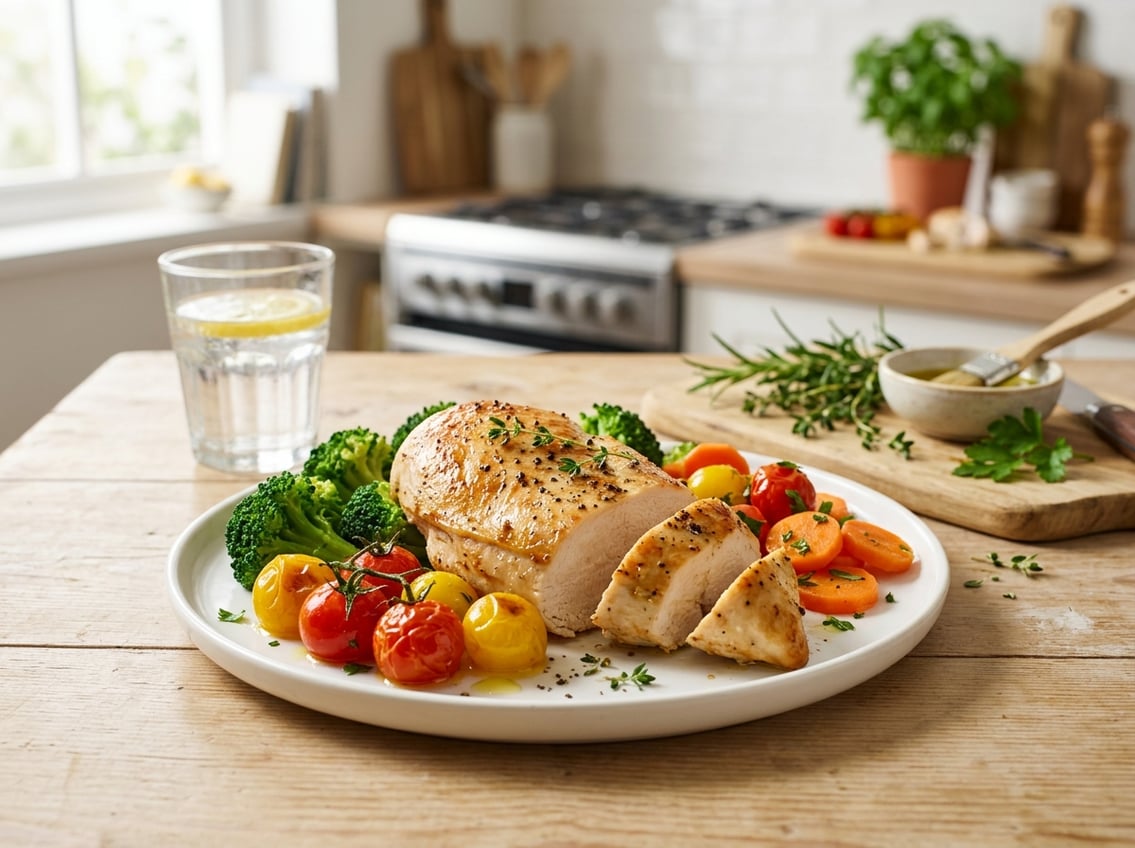
Chicken breast supports several goals at once.
It can help you feel full, fit into heart-conscious eating, and replace less nutritious protein choices in your routine.
Weight Management and Satiety
Protein helps you feel full longer, and that can make appetite easier to manage.
Since chicken breast is a high-protein food with few calories, it can support weight management when your portions stay reasonable.
It also works well in meals where you want steady energy without a heavy feeling.
Heart Health and Lower Saturated Fat Intake
Chicken breast fits well in heart-conscious eating patterns because it is a lean protein with relatively little saturated fat.
The American Heart Association includes lean poultry in a heart-healthy style of eating, and chicken breast is usually lower in saturated fat than many red or processed meats.
The cooking method and side dishes still matter.
Why It Can Be a Better Swap for Processed Meats
If you replace processed meats with chicken breast, you usually cut back on sodium, saturated fat, and extra additives.
That swap can make everyday meals lighter and more balanced.
Chicken breast also gives you more control.
You can season it yourself and build the rest of the plate around vegetables, beans, and whole grains.
Who Benefits Most From Choosing Breast Meat
Chicken breast is especially useful if you want a lean protein for weight control, muscle support, or quick weeknight meals.
It also helps if you want an easy main dish that works in salads, bowls, wraps, and stir-fries.
People who want more flavor or a juicier texture may prefer thighs sometimes.
Even then, breast meat still has a strong place in a healthy routine.
How Preparation Changes the Health Value
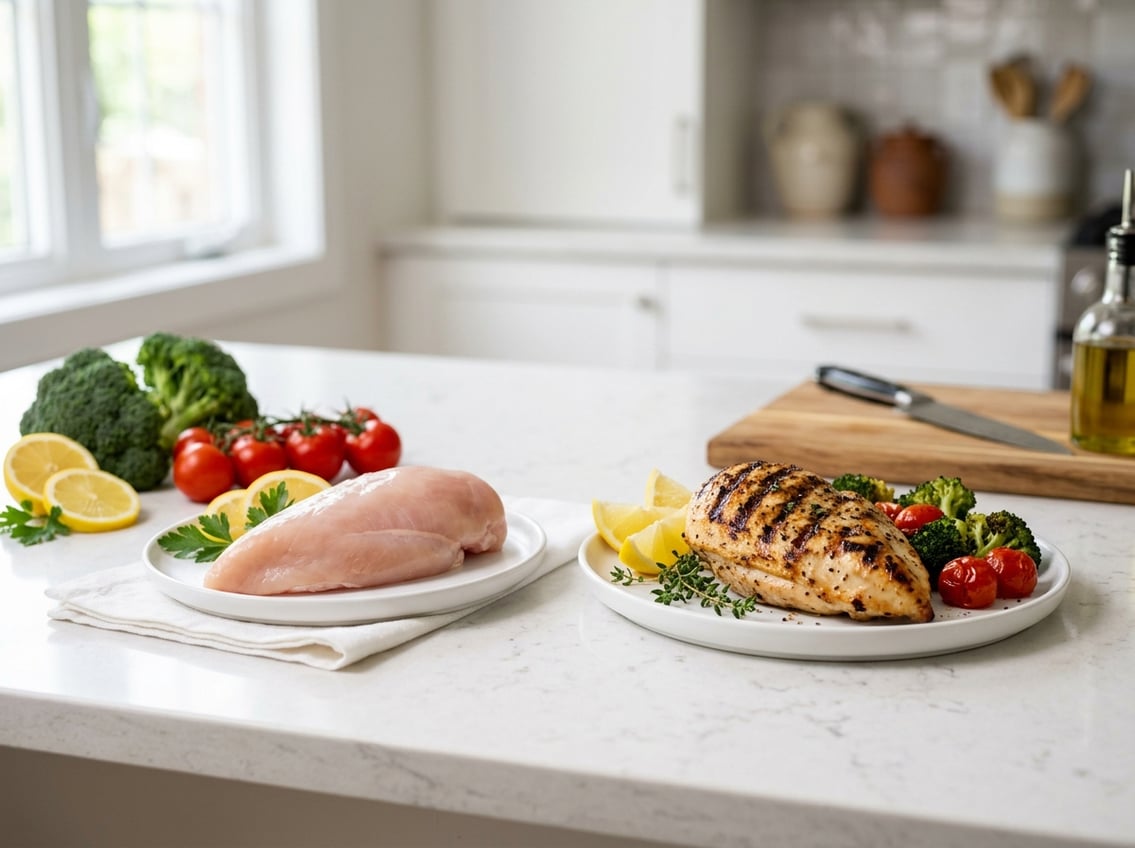
The way you cook chicken breast can change its health value more than the chicken itself.
Simple cooking methods keep it lean, while breading, heavy sauces, and very high heat can add calories or create less desirable compounds.
Best Cooking Methods: Baking, Poaching, Grilling, and Pressure Cooking
Baking, poaching, grilling, and pressure cooking are some of the best options for keeping chicken breast healthy.
Poached chicken stays moist without added fat, and baking or pressure cooking can make weeknight cooking easy.
Grilled chicken breast also works well, especially with herbs, citrus, garlic, or spice rubs.
You can also make baked chicken breast for simple meal prep.
What Breading and Deep-Frying Add
Breading and deep-frying can change chicken breast from lean to calorie-dense very quickly.
They add extra fat, and often more sodium too.
That does not mean you can never enjoy them.
It does mean those versions are less ideal for regular meals if your goal is to keep chicken breast healthy.
High-Heat Cooking and Advanced Glycation End Products
Very high heat can increase advanced glycation end products, especially when chicken gets charred.
These compounds form when protein and fat are exposed to intense heat.
You do not need to avoid grilled chicken altogether.
Using moderate heat, flipping often, and avoiding heavy charring can lower the risk.
Marinades can help too.
Lemon juice or yogurt can add flavor and may reduce surface browning.
Safe Handling and Internal Temperature Basics
Safe handling matters any time you cook poultry.
Keep raw chicken separate from ready-to-eat foods, wash your hands and tools, and refrigerate leftovers promptly.
Cook chicken breast to an internal temperature of 165°F.
A food thermometer is the most reliable way to check.
Smart Meal Ideas That Keep It Nutritious
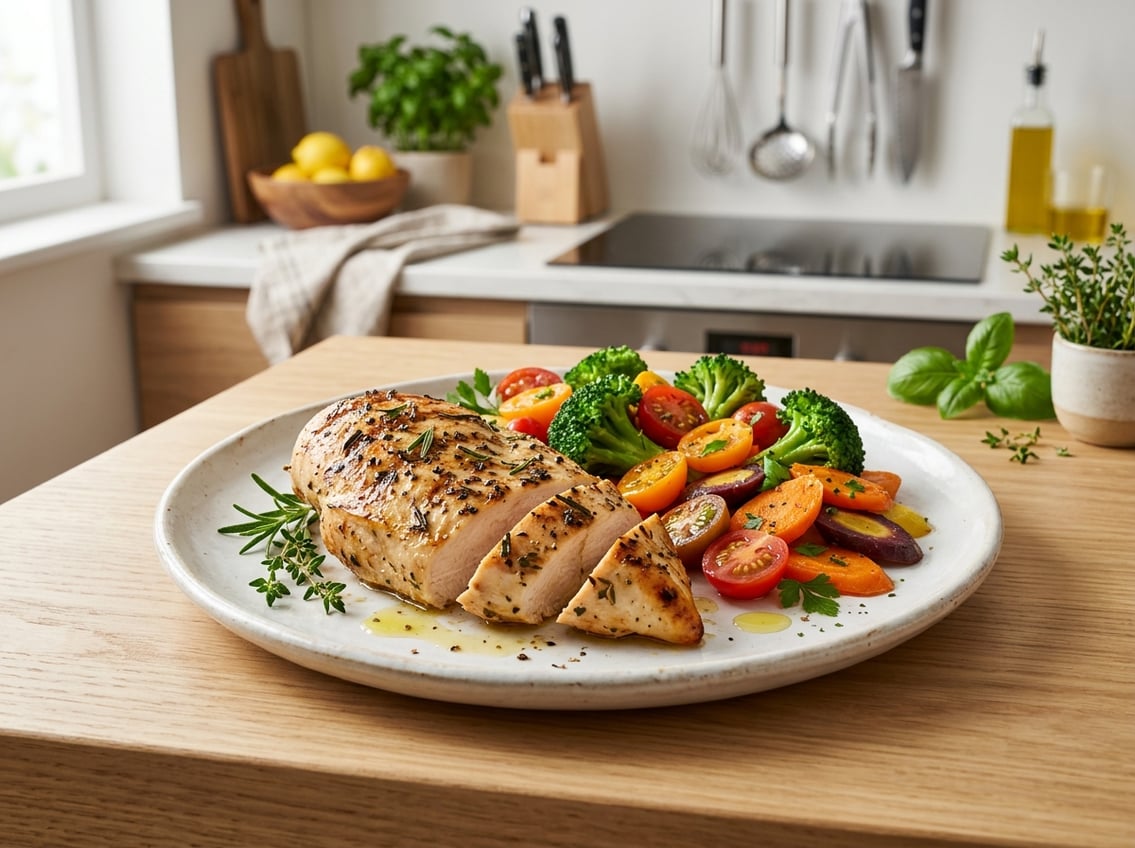
Healthy chicken breast recipes work best when you keep the meal balanced and simple.
The goal is not just to make chicken, it is to build a plate that gives you protein, fiber, and flavor without too much extra fat or sugar.
Balanced Everyday Dishes for Lunch and Dinner
You can turn chicken breast into many easy meals.
Try grilled chicken recipes with roasted vegetables, or use chicken stir-fry with peppers, broccoli, and rice.
Mediterranean chicken also works well with olives, tomatoes, cucumber, and whole grains.
Sheet pan chicken is another strong option because you can cook the protein and vegetables together.
Healthy Chicken Breast Recipes for Meal Prep
Chicken breast is one of the easiest foods to batch cook.
Instant Pot chicken and slow cooker chicken both make tender meat that you can shred for several meals.
Shredded chicken is useful for salads, grain bowls, wraps, and soups.
It also works well in shredded chicken tacos or chicken fajitas if you keep the toppings balanced.
Lighter Comfort Food Options and Flavorful Variations
You do not need to eat plain chicken to eat well.
Honey mustard chicken and pesto chicken can still fit a healthier plan if the sauce stays moderate.
Maple-glazed chicken breast can also work when the glaze is light.
Even chicken parmesan can be a better choice when you bake it and keep the cheese and sauce portions reasonable.
What to Pair With Chicken Breast for a Better Plate
Chicken breast is healthier when you support it with the right sides. Add vegetables, beans, fruit, or whole grains to get more fiber and nutrients.
Keep pasta portions modest and add vegetables or use a lighter sauce. For a lower-carb side, try swapping in spaghetti squash.


